Updated: May 2026
Komodo Liveaboard vs Day Trip: Which is Right For You?
- Immersion: Liveaboards allow for multi-day exploration, including remote dive sites and quiet anchorages.
- Pacing: Day trips are time-efficient for travelers on a tight schedule, focusing on key highlights.
- Access: Liveaboards can reach the park’s northern and southern extremities, areas inaccessible to day-trippers.
The air is thick with salt and the scent of dry earth. Below the sun-bleached savanna of the island, the Flores Sea shifts in shades of impossible turquoise and deep sapphire. A low, guttural hiss cuts through the quiet—the sound of a living dinosaur, a Komodo dragon, patrolling its territory. You are here, in one of the planet’s last true wildernesses. The only question that remains is how you will experience it. Will it be a fleeting, high-speed glimpse, or a slow, deliberate immersion into its rhythm? This is the central decision every visitor faces: the Komodo liveaboard vs day trip. As an editor who has spent decades charting the world’s most exclusive journeys, I can tell you the choice defines not just what you see, but the very essence of your encounter with this primal archipelago.
The Core Distinction: Time, Distance, and Immersion
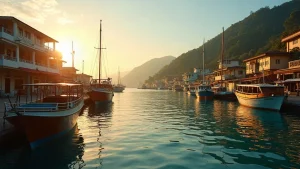
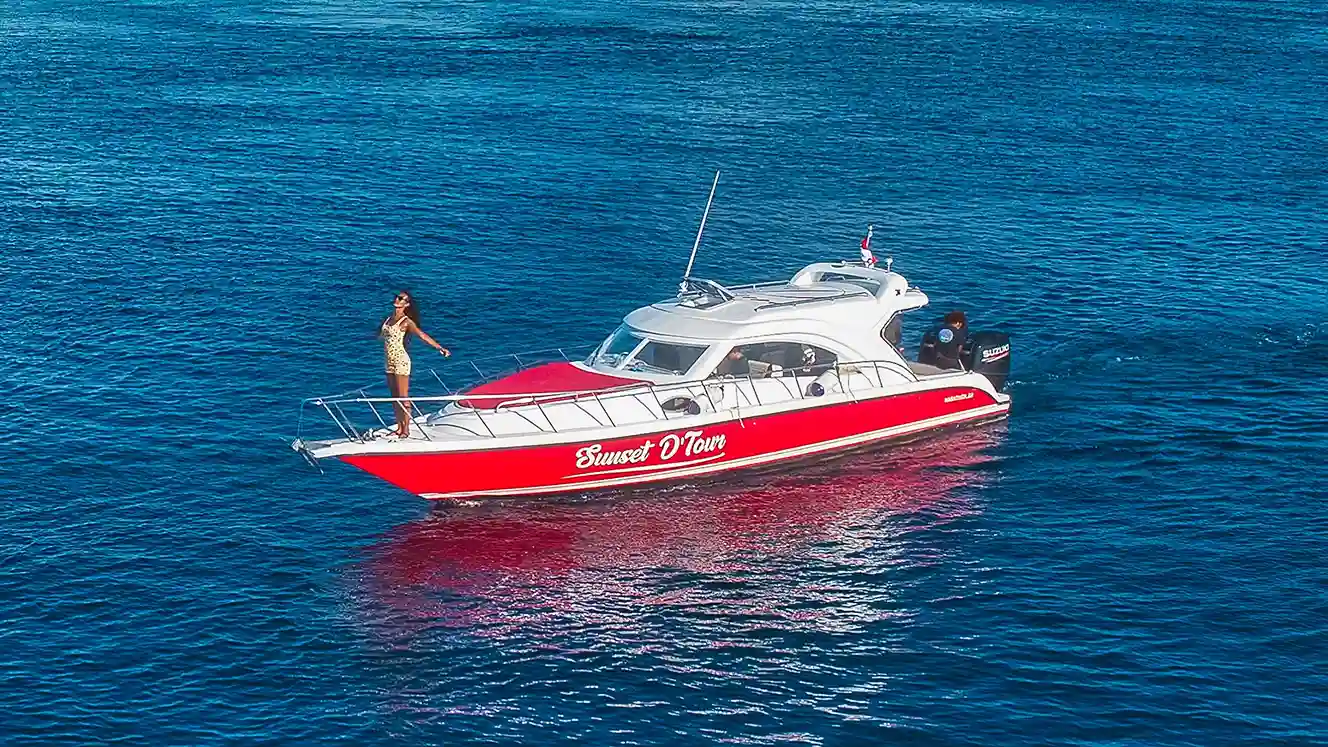
At its heart, the choice between a liveaboard and a day trip is a decision about the currency you value most: time or depth. A day trip is a masterclass in efficiency. Your day begins before dawn, typically around 5:30 AM, with a transfer to Labuan Bajo’s bustling harbor. You board a speedboat, a vessel built for velocity, and spend the next 10 to 11 hours covering a significant nautical distance—often upwards of 80 nautical miles. The itinerary is a tightly choreographed sequence of the park’s greatest hits: the panoramic viewpoint of Padar Island, a dragon-sighting trek on Rinca or Komodo Island, a swift snorkel at Pink Beach, and a pass through Manta Point. By 5:00 PM, you are back on the mainland, exhilarated but exhausted. It is an impressive feat of logistics, offering a concentrated dose of the park’s magic.
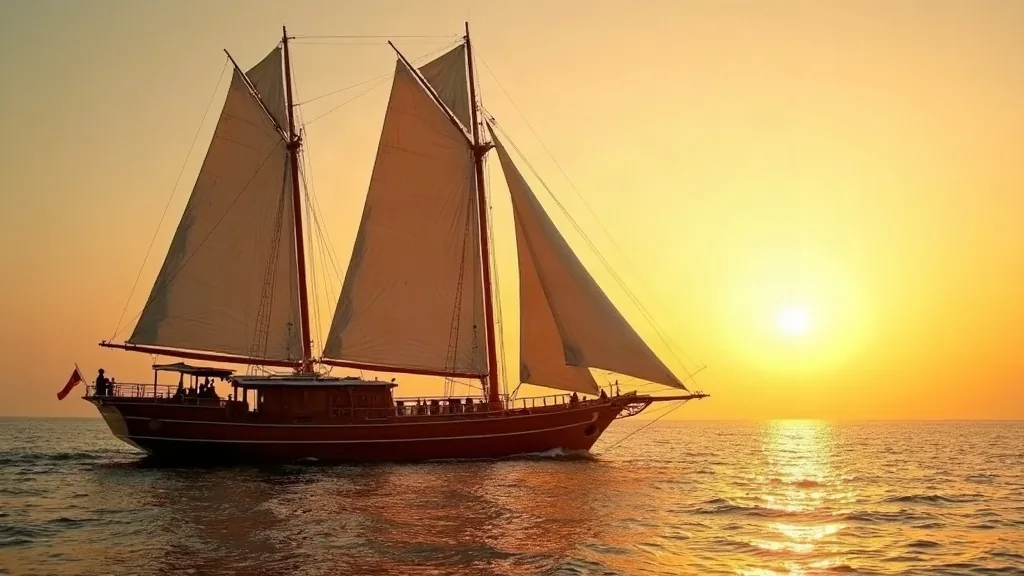
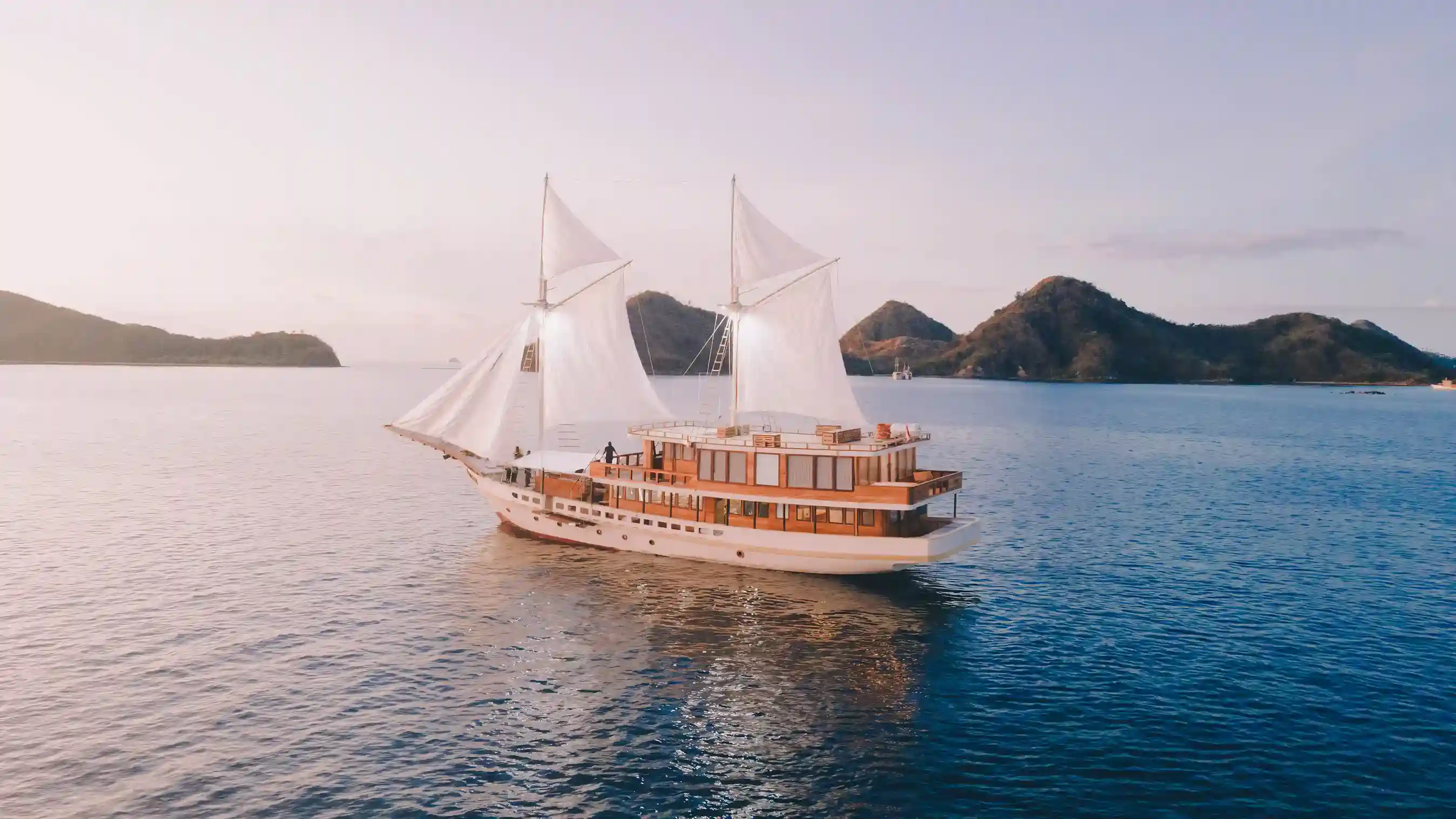
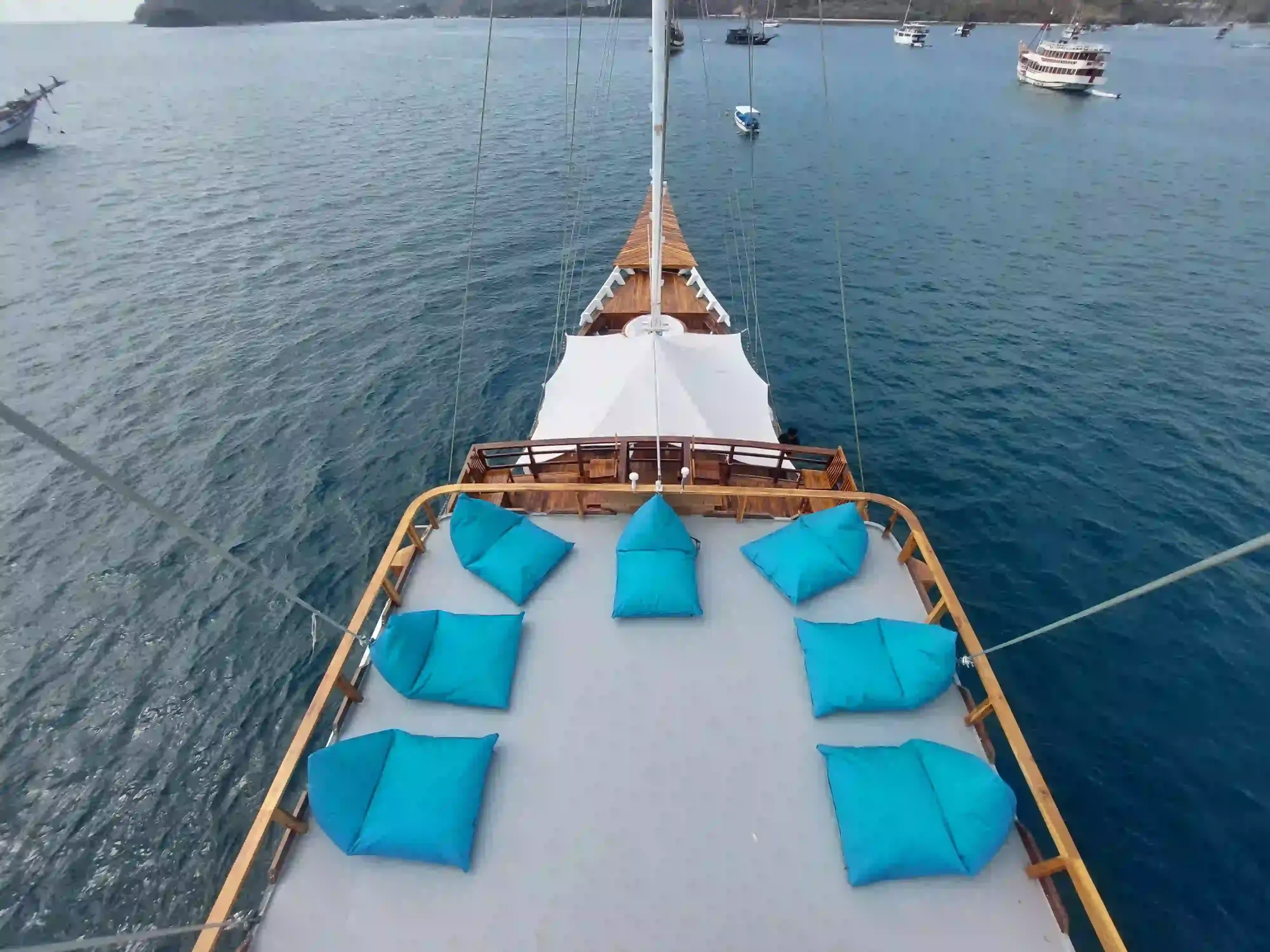
A Labuan Bajo Komodo liveaboard operates on an entirely different philosophy. It is not about conquering distance; it is about inhabiting it. A journey aboard a traditional phinisi, a two-masted Indonesian sailing ship, is measured in days, not hours. The most popular itineraries span 3 days and 2 nights, while more comprehensive voyages can last a week or more. The vessel becomes your floating base, a boutique hotel that repositions itself each night in a new, secluded bay. There is no daily backtracking to port. Instead, you wake to the sun rising over a deserted island, dive into the water before breakfast, and spend your days moving at the pace of the tides and wildlife. This extended duration unlocks a completely different dimension of the park, transforming a sightseeing trip into a genuine expedition.
An Itinerary Deep Dive: What You’ll Actually See and Do
The practical differences in what you can access are stark. A day trip itinerary is, by necessity, geographically constrained to the central part of the park. While the sites are spectacular, you will be sharing them. At Padar Island, your sunrise or sunset hike will be alongside passengers from dozens of other speedboats. At the ranger station on Komodo Island, you will follow a well-trodden path with other groups. These are iconic experiences, but they are public ones.
Aboard a liveaboard, the map of Komodo National Park unfurls completely. The park, a UNESCO World Heritage site since 1991, covers a vast 1,733 square kilometers of terrestrial and marine environments, and a multi-day voyage is the only way to appreciate its scale. Our voyage director, Adi Saputra, a man who has charted these waters for over 20 years, explains, “On a three-day trip, we can reach the northern coast of Komodo. This is where you find world-class dive sites like Castle Rock and Crystal Rock, places day boats simply cannot reach and return from in a day.” Longer voyages push even further, into the cooler waters of the park’s southern reaches near the Indian Ocean, revealing a different ecosystem entirely. A liveaboard also grants you access to moments of serendipity impossible on a day trip schedule—watching thousands of giant fruit bats (flying foxes) emerge from the mangroves of Kalong Island at dusk, or finding a hidden cove for a private beach barbecue under a canopy of stars.
The Wildlife Encounter: Quality Over Quantity
Both trip styles will deliver a Komodo dragon sighting. That is a near-guarantee. However, the context of that sighting differs immensely. On a standard day trip, you will be guided around a ranger station on Rinca or Komodo Island. The dragons here are more habituated to human presence, often congregating near the station’s kitchen facilities. It is an effective way to see the world’s largest lizard, which can reach lengths of 3 meters and weigh up to 90 kilograms, but it can feel somewhat managed.
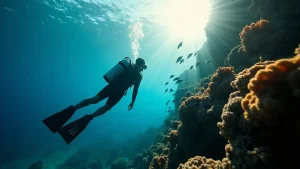
A liveaboard offers the potential for more organic encounters. Extended treks on less-visited parts of the islands increase the chance of seeing dragons in a truly wild setting—hunting, nesting, or defending territory. But the true wildlife advantage of a liveaboard lies beneath the waves. The park is a global center of marine biodiversity, home to over 1,000 species of fish and 260 species of reef-building coral. A day trip might offer one or two snorkeling stops. A luxury phinisi voyage is a diver’s dream, offering up to four dives per day, including sunrise and night dives. You can spend an entire morning with majestic manta rays at a cleaning station without the pressure of a ticking clock, or explore vibrant coral gardens teeming with life long after the day boats have departed. The ability to time your underwater excursions for optimal conditions and minimal crowds elevates the experience from a simple viewing to a profound connection with the marine ecosystem.
Comfort, Cost, and The Luxury Quotient
The financial and comfort calculus between the two options is straightforward. A shared speedboat day trip represents the most accessible price point, often ranging from $120 to $200 USD per person. This typically includes a packed lunch, water, and snorkeling gear. It is a functional, no-frills experience focused purely on the destinations. Private speedboat charters offer more exclusivity but come at a premium, easily exceeding $1,500 for the day.
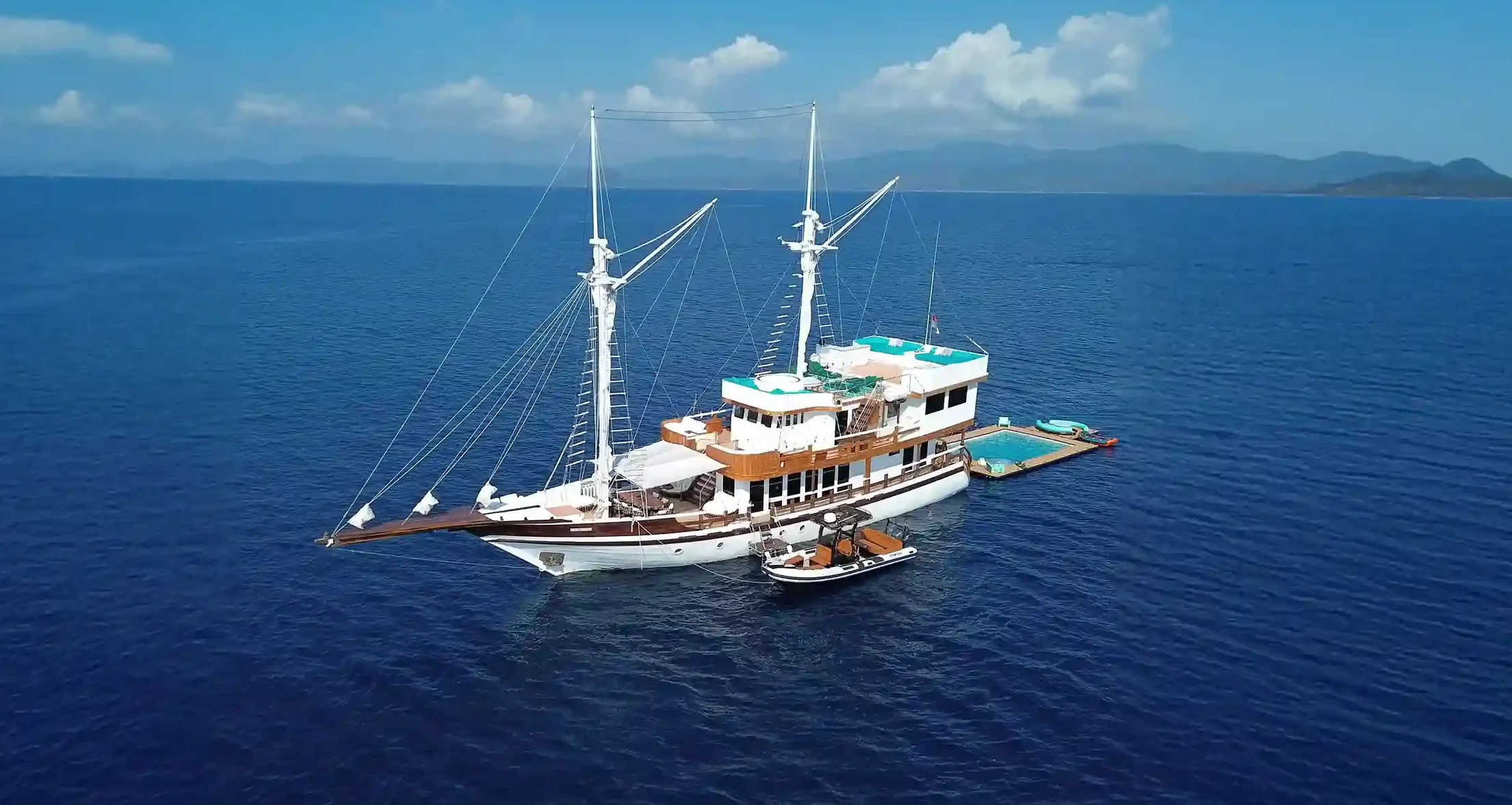
A luxury liveaboard is a significant investment in experience, with prices for a private cabin on a high-end phinisi starting from around $800 per person per night and rising steeply depending on the vessel’s amenities and the length of the voyage. But what you are buying is not just accommodation and transport; you are securing an all-inclusive, curated environment. This includes a private, air-conditioned cabin with an en-suite bathroom, a dedicated crew of 10 to 15 members, a private chef crafting multi-course meals from fresh, local ingredients, and expert dive masters and guides. The vessel itself, often a hand-crafted wooden schooner over 30 meters long, provides unparalleled stability and space. Onboard amenities can include sundecks, lounges, paddleboards, and kayaks. It is less a boat trip and more a private, floating villa that grants you exclusive access to one of the world’s most protected natural wonders.
Who Is It For? Matching the Traveler to the Trip
So, which is right for you? The day trip is perfectly suited for the time-conscious traveler. If you are on a wider tour of Indonesia and have only allocated two days for the Komodo region, a day trip is an excellent way to witness the headline attractions. It also caters to those who prefer the amenities of a land-based hotel or resort each evening, or travelers for whom budget is the primary consideration. It delivers the essential Komodo snapshot efficiently and effectively.
The liveaboard voyager, on the other hand, is a different breed. This is the dedicated scuba diver or avid snorkeler who understands that the best marine encounters require time and patience. It is for the serious photographer, seeking the soft, uncrowded light of dawn and dusk in remote locations. It is for the traveler who defines luxury not by gold taps, but by space, silence, and unparalleled access. This is the choice for families or groups who want to disconnect from the world and reconnect with each other in an extraordinary setting. As Indonesia’s official tourism portal often highlights, the true magic of the archipelago is found when you venture beyond the beaten path. A liveaboard is the key that unlocks those distant, pristine corners of the Labuan Bajo Komodo National Park.
Quick FAQ: Your Komodo Questions, Answered
How long should a Komodo liveaboard be?
While a 2-night/3-day trip provides a fantastic introduction, we recommend a minimum of 4 nights to truly explore the central and northern regions without feeling rushed. For diving aficionados or those wishing to see the southern park, a 6-night or longer voyage is ideal.
Is a day trip enough to see the Komodo dragons?
Absolutely. You will see Komodo dragons on a day trip at the ranger stations on either Rinca or Komodo Island. A liveaboard simply offers the potential for more varied and wilder encounters away from the main tourist hubs.
What about sea sickness in Komodo National Park?
The waters within the park are remarkably sheltered by the surrounding islands, making for generally calm seas, especially during the dry season (April-November). The sheer size and weight of a traditional phinisi, which can be over 40 meters long and weigh hundreds of tons, provides a very stable platform, minimizing motion far more than a lightweight speedboat.
When is the best time of year to visit Komodo?
The dry season, from April through December, offers the best all-around conditions with sunny days and calm seas. The peak season is July and August. For divers, while conditions are excellent year-round, manta ray sightings are often most prolific during the wetter season, from December to March.
Ultimately, the decision rests on your personal travel philosophy. It is a choice between a highlight reel and the full feature film. A day trip offers a thrilling preview of Komodo’s wonders, a taste that will undoubtedly leave you wanting more. A liveaboard is the deep, resonant experience itself—a journey that allows the rhythm of the tides, the movement of the wildlife, and the profound silence of the archipelago to seep into your soul. For the traveler who chooses depth over haste and authentic immersion over a fleeting glimpse, the path is clear. A Labuan Bajo Komodo voyage is more than a vacation; it is an entry into one of the last, great wild sanctuaries on Earth. We invite you to explore our fleet of bespoke phinisi schooners and begin crafting your own personal expedition.