In short
Most Komodo itineraries are built backward from how many nights a boat is chartered, not from what a traveller actually wants to see. This page does the opposite: it starts from the five destinations almost every good Komodo trip includes, then shows how they fit into five days whether you sleep aboard a liveaboard, split your nights between a hotel in Labuan Bajo and a boat, or book day trips back to town each evening.
Most Komodo itineraries are built backward from how many nights a boat is chartered, not from what a traveller actually wants to see. This page does the opposite: it starts from the five destinations almost every good Komodo trip includes, then shows how they fit into five days whether you sleep aboard a liveaboard, split your nights between a hotel in Labuan Bajo and a boat, or book day trips back to town each evening.
Day-by-day: what a 5-day Labuan Bajo Komodo itinerary looks like
Day 1 — Arrive Labuan Bajo, settle in
Most flights from Jakarta, Bali, or Surabaya land at Komodo Airport (LBJ) by early afternoon. Use the rest of day one to check into your hotel or board your liveaboard, confirm your park permit (SiOra registration) with your operator, and walk the harbour front for sunset — a reliable first taste of the light that makes this coastline distinctive. If your trip is liveaboard-based, boats typically depart the following morning rather than the evening of arrival, so day one is a land night regardless of trip format.
Day 2 — Rinca Island and Kalong (bat) Island
Rinca is usually the first dragon-trekking stop on a 5-day route: the crossing from Labuan Bajo is shorter than to Komodo Island itself, and Rinca’s drier, more open terrain tends to produce dragon sightings within the first 30-60 minutes of a guided trek. Afternoon typically continues to Kalong Island to watch thousands of fruit bats lift off the mangroves at dusk — a striking, low-effort stop that most itineraries schedule as a late-afternoon add-on rather than a full destination.
Day 3 — Padar Island and Pink Beach
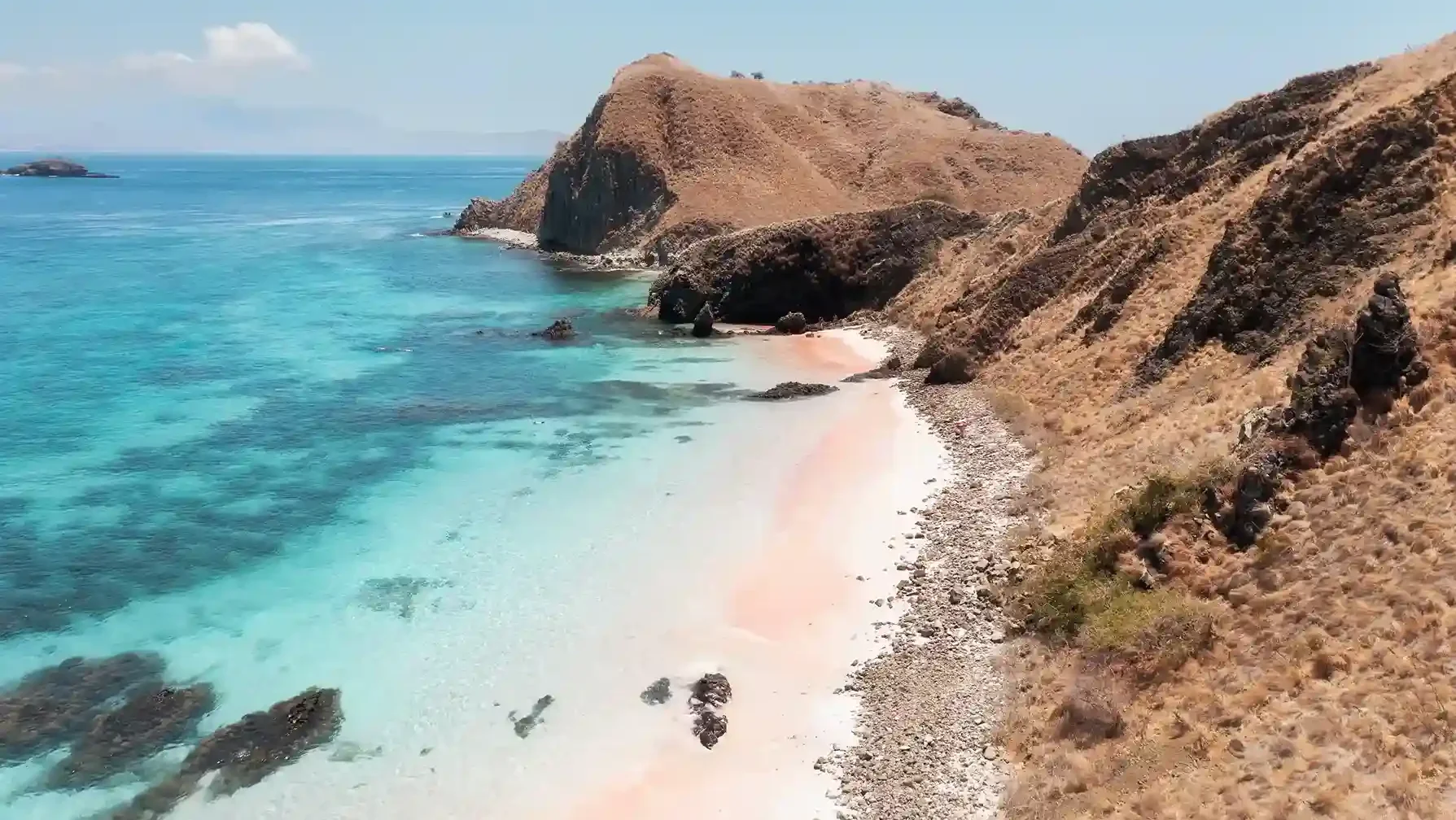
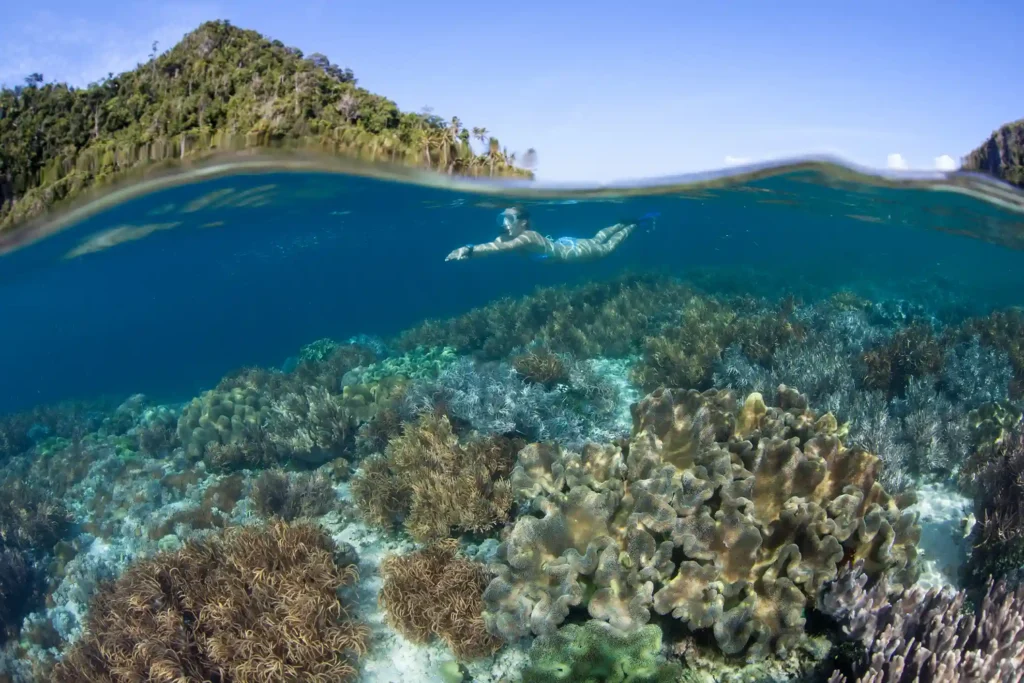
Padar’s sunrise hike is the single most-repeated recommendation in Komodo trip planning, and for good reason: the three-bay ridgeline view is unlike anything else in the park, and climbing before the heat builds (most guides start the trek around 5:30-6:00am) makes the ascent considerably more comfortable. The same day usually continues to Pink Beach for swimming and snorkelling over the reef just offshore, where the sand’s pink tint comes from crushed red coral mixed into the white sand.
Day 4 — Komodo Island and Manta Point
Komodo Island itself — the park’s namesake and largest dragon population centre — typically anchors day four, with a longer, more scenic trek than Rinca’s. Afternoon commonly shifts to Manta Point, one of the park’s best-known manta ray aggregation sites, for snorkelling or diving depending on your certification and the operator’s dive schedule that day.
Day 5 — Kanawa or Kelor, then return
The final full day is usually the slowest by design: Kanawa Island or Kelor Island for a relaxed snorkel over shallow reef without the current strength of Manta Point, followed by the return sail to Labuan Bajo in time for an evening flight or a final night in town. Some operators swap this day for a second dive at Batu Bolong instead, if diving rather than snorkelling is the priority for your group.
Why 5 days beats a compressed 2-3 day trip
The core cost of a short Komodo trip isn’t money, it’s transit time. Sailing between islands inside the park commonly takes one to three hours depending on the route and sea conditions, and a 2-3 day trip has to compress the same core stops into far fewer daylight hours, which forces operators to either drop a site entirely or turn each stop into a brief, rushed visit. Five days gives enough slack that a delayed departure, a longer dragon sighting, or an extra 30 minutes at Padar’s summit doesn’t cascade into missing the next stop. It’s also the shortest itinerary length that comfortably includes both Rinca and Komodo Island for the dragon trek, rather than forcing a choice between them — see our page comparing what each island’s trek is actually like if you do need to choose for a shorter trip.
Liveaboard vs. day trips: which fits a 5-day plan better?
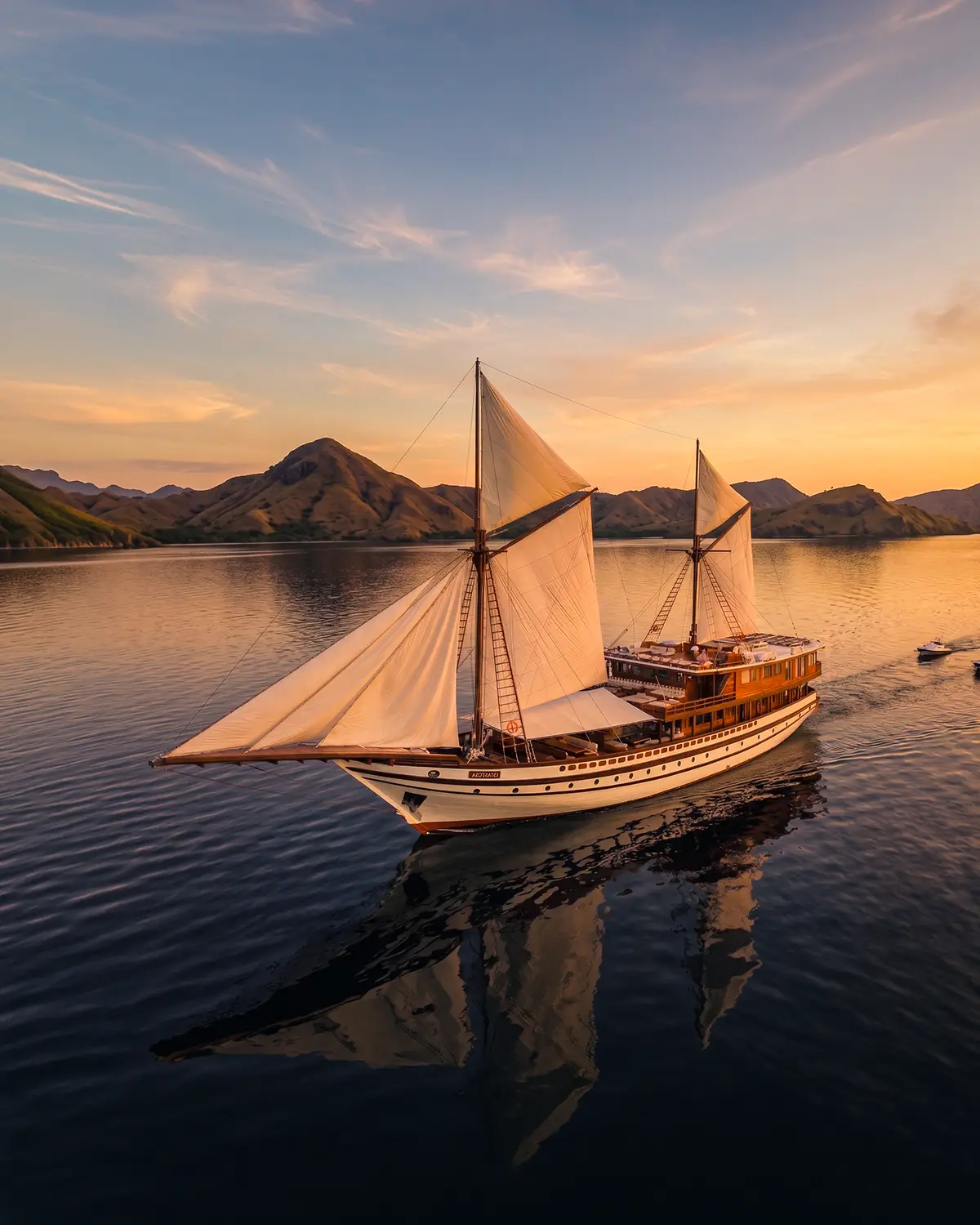
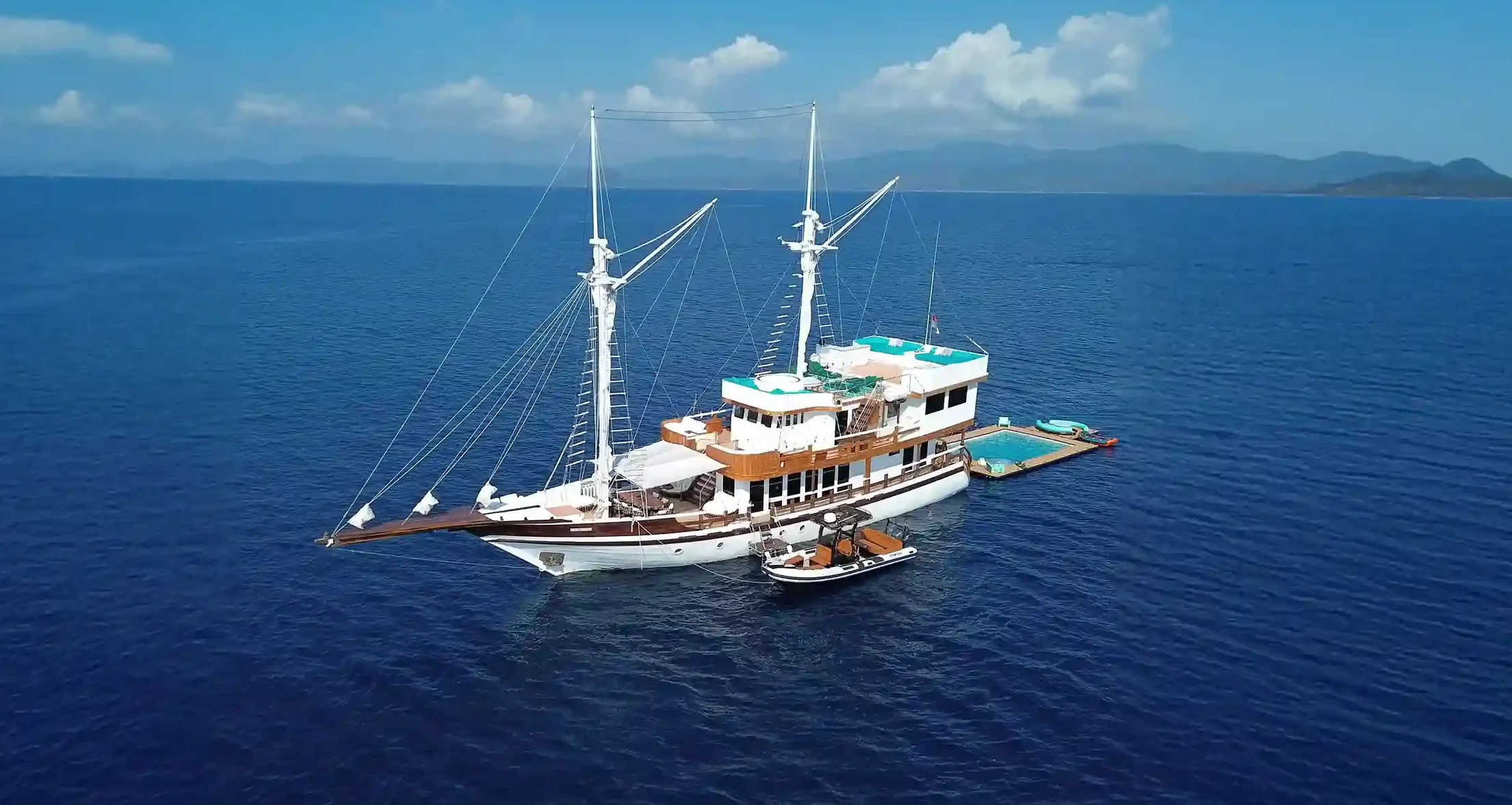
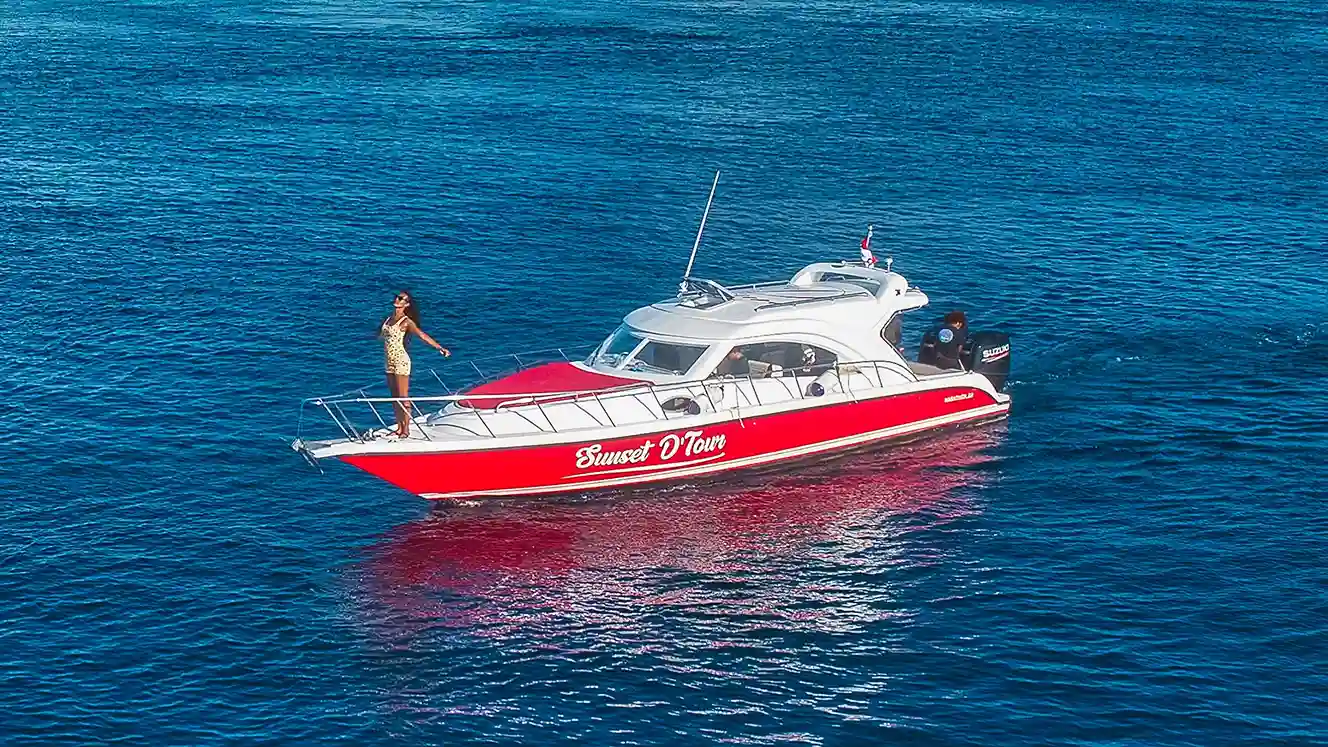
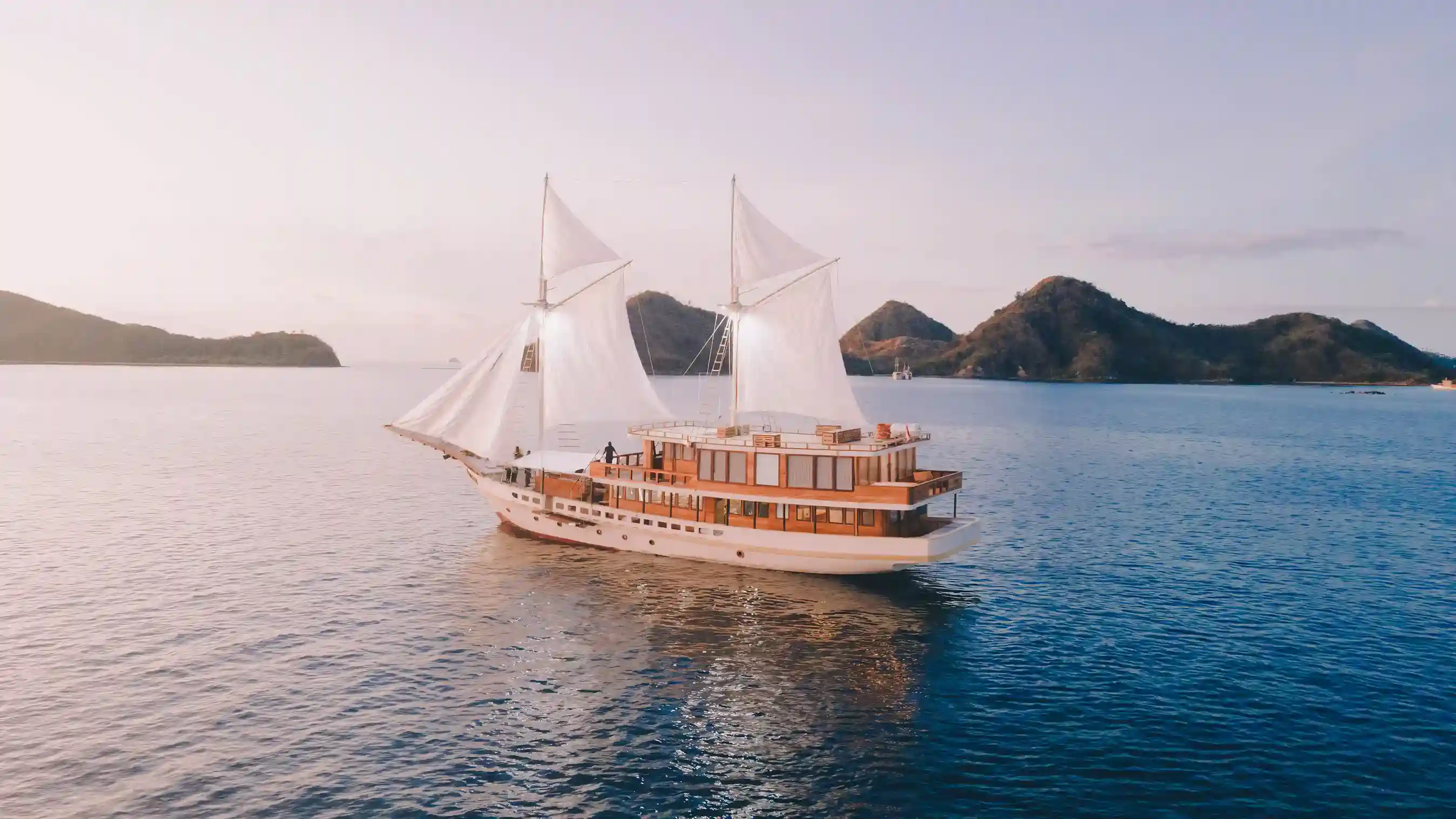
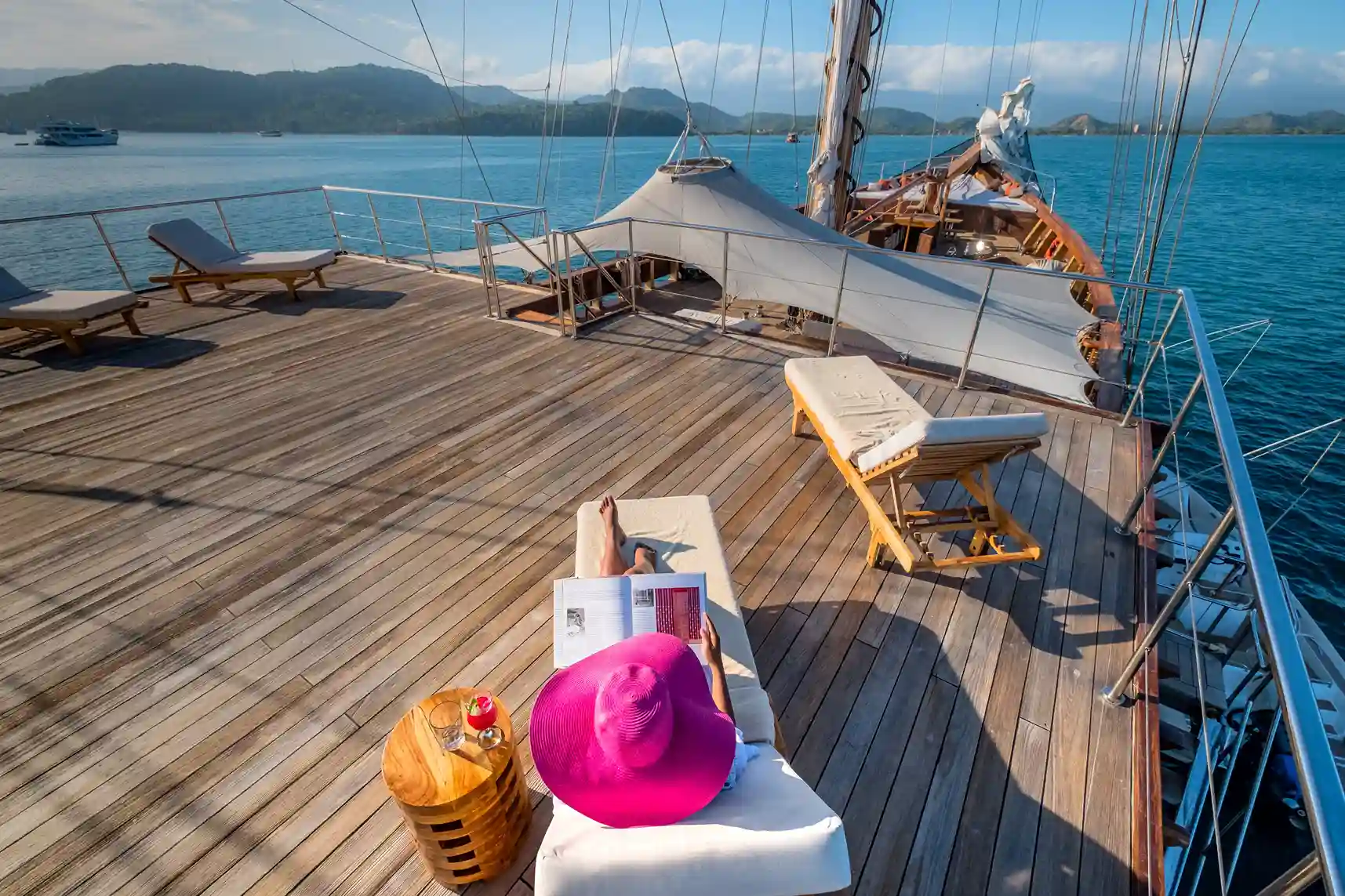
Both formats can deliver the itinerary above; the difference is where you sleep and how much transfer time you lose. A 3-4 night liveaboard, on Komodo Luxury’s liveaboard fleet, anchors overnight near the next day’s first stop, so mornings start with a short tender ride instead of a multi-hour return sail to Labuan Bajo. A day-trip-based 5-day plan, sleeping in town each night, works fine for travellers who prefer a hotel bed and want to end each day back in Labuan Bajo’s restaurants, but it loses roughly an hour or two of usable daylight each day to the return transfer, and rules out early-morning stops that require overnighting close to the site (the Padar sunrise hike is far easier from a boat anchored nearby than from a same-day departure out of town).
Our full cost breakdown compares the published day-rate and per-night rates for both formats if budget, not just comfort, is the deciding factor.
There is a middle path worth knowing about: some travellers split the difference by booking two or three nights aboard a liveaboard for the furthest sites (Komodo Island, Manta Point) and returning to a Labuan Bajo hotel for the remaining nights, using day trips for the closer stops like Rinca or Kalong. This hybrid costs slightly more in logistics coordination but suits travellers who get seasick or simply sleep better on land, without giving up the overnight-anchor advantage for the sites that benefit from it most.

How this compares to shorter and longer itineraries
A 3-day itinerary keeps Padar, Pink Beach, and one dragon island but usually drops Kanawa/Kelor and the second dive or snorkel day to fit the shorter window. A 4-day package sits between the two, typically keeping both dragon islands but compressing the final relaxed snorkel day. A 7-Day Komodo & Flores Itinerary from Labuan Bajo guide adds slack for weather contingency days, a second dive site, or an overland extension to Flores’ interior (Kelimutu’s coloured lakes, for example), and suits travellers who would rather build in buffer than risk a missed connection cutting a site from the plan.
How does the season change a 5-day itinerary?
Komodo National Park runs on two monsoon-driven seasons rather than four. The dry season, roughly April to October, brings calmer seas, better underwater visibility, and the lowest chance of a weather-cancelled crossing — the reason it is the busiest booking window and the period our best-time-to-visit guide generally recommends for a first trip. The wet season, roughly November to March, brings shorter but heavier rain showers, choppier crossings on some days, and noticeably lower prices and crowd levels at the same sites. A 5-day itinerary structured as above works in both seasons; the difference is contingency. In the dry season, five fixed days rarely need rearranging. In the wet season, it’s worth confirming with your operator whether the itinerary order can flex by a day if one crossing gets deferred for sea conditions — the extra length of a 5-day trip compared with 3 days gives you that buffer without losing a destination entirely.
What to pack for 5 days on the water
| Category | Bring | Why |
|---|---|---|
| Sun protection | Reef-safe sunscreen, wide-brim hat, long-sleeve rash guard | Five consecutive days of open-water sun exposure adds up fast; reef-safe formulas avoid contributing to coral bleaching at snorkel sites |
| Footwear | Closed sports sandals or trekking shoes | Padar and Komodo Island trails run over loose volcanic soil and can be uneven near the ridgelines |
| Water | Reusable bottle, water purification tablets or a filter bottle if boat supply is limited | Reduces single-use plastic and covers gaps between refill points |
| Health | Insect repellent (DEET or picaridin), basic first-aid kit, any personal medication | See our health and malaria guide for the full official risk picture and what CDC/WHO recommend before travel |
| Electronics | Dry bag, spare battery bank, drone only if permitted (see below) | Boats often have limited charging points; a dry bag protects gear during tender transfers |
Practical planning notes for a 5-day trip
Book your park permit and SiOra registration through your operator before travel — walk-up registration at the park gate is not guaranteed given the park-wide 1,000-visitor daily cap split across three sessions. Pack reef-safe sunscreen, a hat, and sturdy closed shoes for the Padar and Komodo Island treks (sandals are common but not ideal on the loose volcanic soil). If you plan to fly a drone at any point, note that Komodo National Park requires a separate BTNK permit before flying — see our drone rules guide before you pack one. For anyone weighing up whether the whole trip is worth it against a shorter Bali-only holiday, our honest take on visiting in 2026 covers who should and shouldn’t prioritise the extra days.
Fitting Kelor, Seraya and Manta Point into 5 days
Kelor Island, Seraya Island and Manta Point all sit close enough to Labuan Bajo to slot into a 5-day Komodo itinerary without rushing, as long as you group them sensibly by direction and sea conditions.
Pulau Kelor and Seraya Island from Labuan Bajo
Pulau Kelor is one of the closest small islands to Labuan Bajo, often visited on your first or last day because it requires only a short boat ride. You hike a steep but quick hill for a wide bay view, then swim or snorkel in calm, shallow water before heading back to town or the airport.
A Seraya Island day trip from Flores suits a full lazy day. Boats usually leave in the morning, giving you several hours of clear-water snorkelling and beach time. Plan it for a low-activity day in your 5-day plan, for example after a dragon trek or a long Padar hike, so you can recover while still being in the park.
Snorkelling at Manta Point from Labuan Bajo
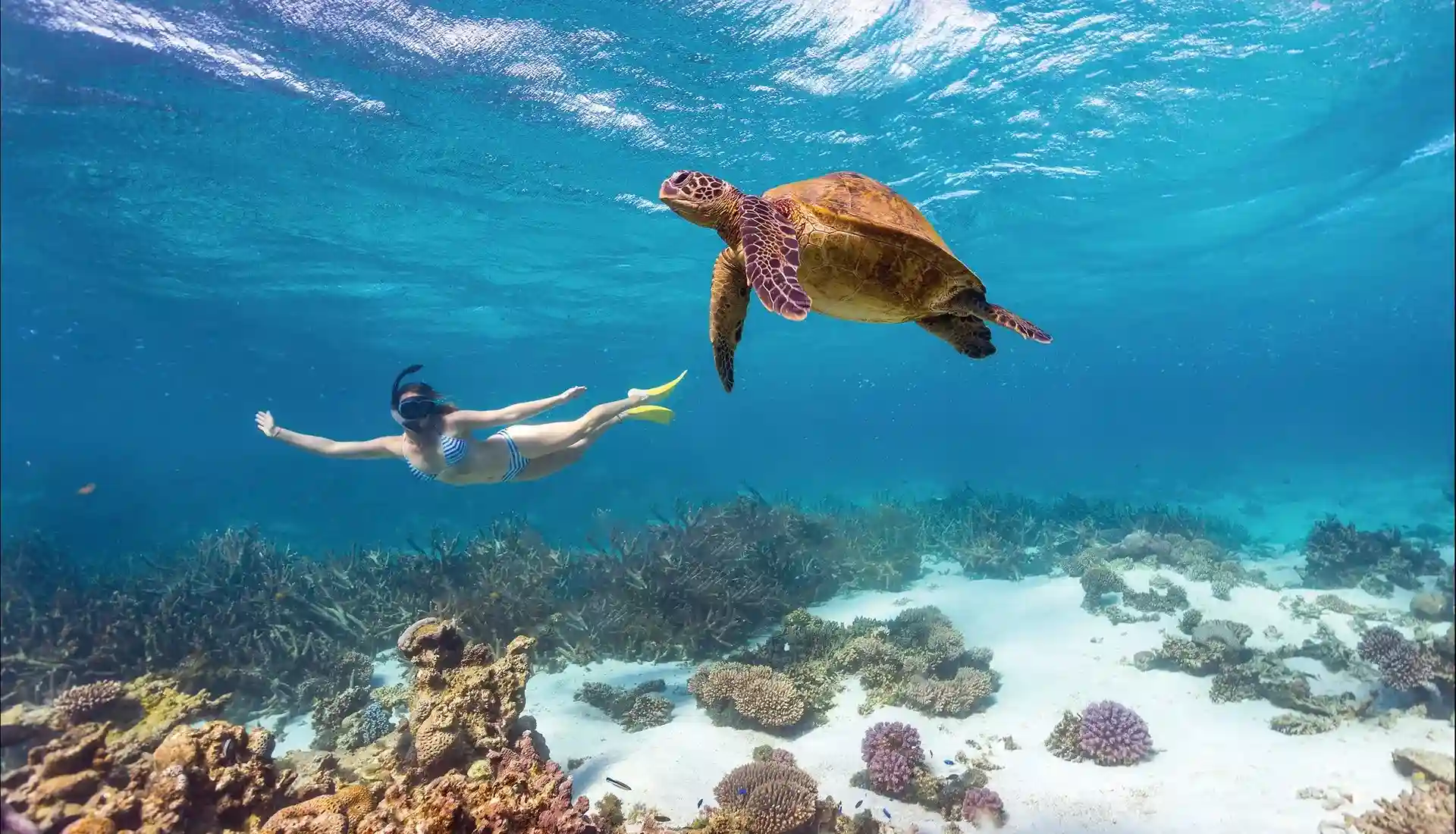
Snorkelling at Manta Point from Labuan Bajo is easiest to combine with Komodo or Padar on a longer boat day. You usually stop here between islands when currents and visibility look safe. Expect to drift along the surface while mantas circle below; guides will tell you where to enter and exit the water.
Because currents can be strong, keep Manta Point for a day when you feel rested and confident in the water. If you are nervous, tell the crew before you arrive so they can keep you closer to the boat or suggest a gentler snorkel site instead.
Updated: August 29, 2026 · Originally published: May 12, 2026