
Category: Diving, Snorkeling & Marine Life
Dive site guides, seasonal conditions, and marine life information for diving and snorkeling around Labuan Bajo and Komodo National Park.
Komodo is a current-driven park, and almost every question in this section comes back to water movement. The same site can be a gentle drift at slack water and a serious dive two hours later, which is why timing and briefings matter more here than the depth on your logbook.
For the named sites and how they behave, read the main Komodo dive sites and their currents. If you have come mainly for rays, manta season, currents and etiquette at Manta Point covers when to go and how to behave in the cleaning stations. Snorkellers who would rather stay out of the strong stuff should start with the calmer snorkelling spots near Labuan Bajo.
What decides whether a Komodo dive day goes well
Three variables do most of the work here, and none of them is depth. The first is tide: the park sits between two bodies of water at different levels, and the straits between the islands drain and fill on a schedule, so a site is read by the tide table before it is read by the map. The second is which side of the park you are on. The north around Batu Bolong and Castle Rock gives the clearest water from April to October and the strongest current in the June to September core. The south around Manta Alley runs cooler, greener and more productive, and its reliable manta window is roughly October to April, peaking November to March when plankton draws the rays to the cleaning stations.
The third is the briefing. A crew that names the entry point, the expected direction of flow, the turn-around signal and the pickup plan is telling you they have dived the site that week. A crew that answers "it depends" and moves on is telling you something else. That is worth more than any certification count on a booking form, and it is the single question we suggest asking before you get in the water.
Snorkellers are not a lesser case of the same trip
Snorkelling sits on the same current and visibility patterns as diving, just in the top few metres, where wind chop matters more and slack water matters just as much. The near-town reefs at Kanawa, Sebayur and Bidadari stay sheltered enough to be a reasonable option across most of the year, which is why they carry the beginner and family trips. The signature current sites deeper in the park are a different proposition, and the honest framing is that a good near-town snorkelling day is its own thing rather than a consolation version of a dive day.
Dive and snorkel departures that visit these sites are operated by Komodo Luxury, the boat operator within the same group as this site.
Komodo Luxury: Komodo liveaboard cabins · Komodo boat tour departures · the vessel fleet and cabin plans.
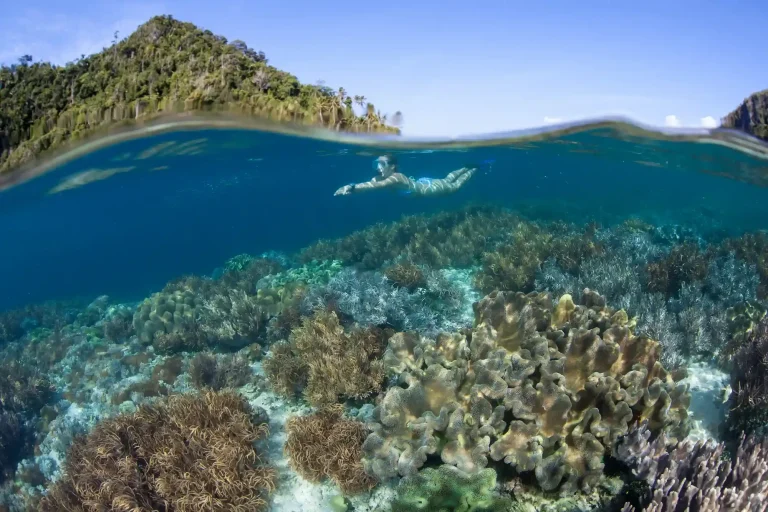
Komodo Dive Conditions Month by Month
Answer: Komodo National Park splits into two seasonal patterns: the north (Batu Bolong, Castle Rock) is best April–November with warmer…
25 August 2026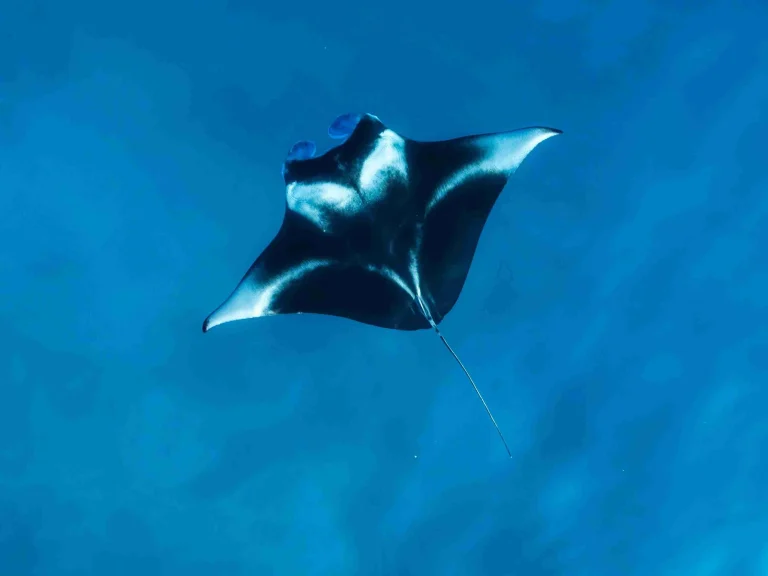
Manta Point Komodo: Season, Currents & Etiquette
Answer: South Komodo’s Manta Alley has its peak manta season roughly November to March, though operators also report strong…
25 August 2026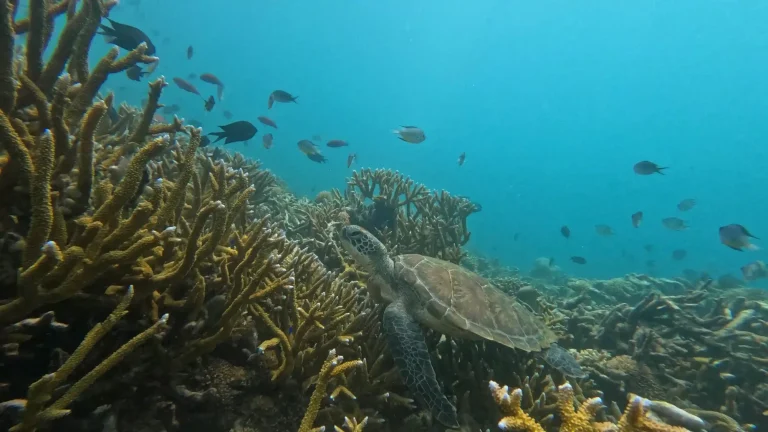
Marine Conservation Initiatives in Komodo: Protecting Ocean Life
Marine conservation in Komodo involves various initiatives to protect the unique marine biodiversity, focusing on sustainable practices and community involvement.…
17 July 2026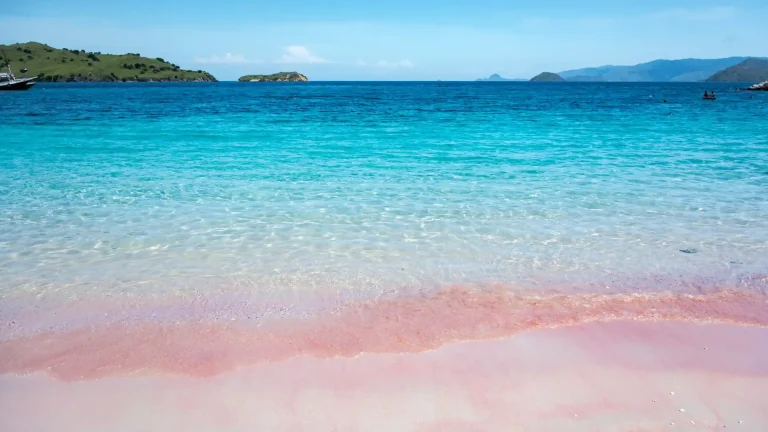
Pink Beach Komodo: Swimming, Snorkelling & Rules
Why the sand is pink, swim safety, and current drone rules at Pink Beach.
9 June 2026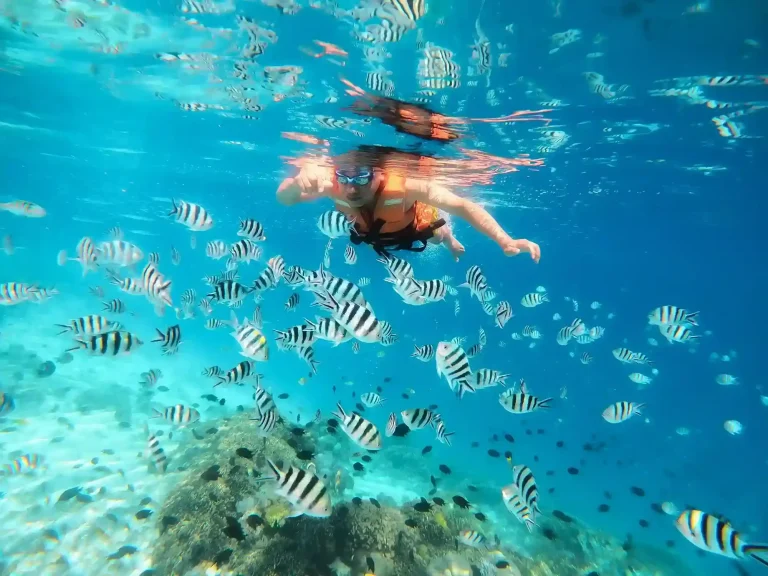
Best Snorkelling Spots near Labuan Bajo
The best snorkeling close to Labuan Bajo town — reachable on a short boat ride rather than a multi-day liveaboard…
9 June 2026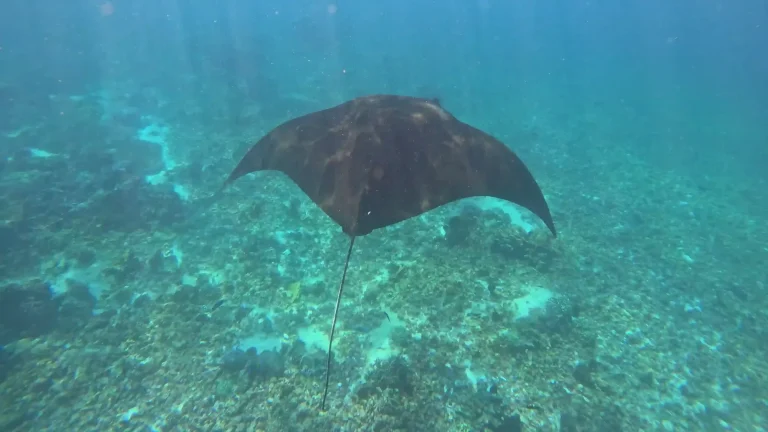
Top Komodo Dive Sites: Manta Point & Castle Rock
Manta Point, Castle Rock, and Batu Bolong are Komodo National Park’s three most consistently recommended dive sites, each offering a…
9 June 2026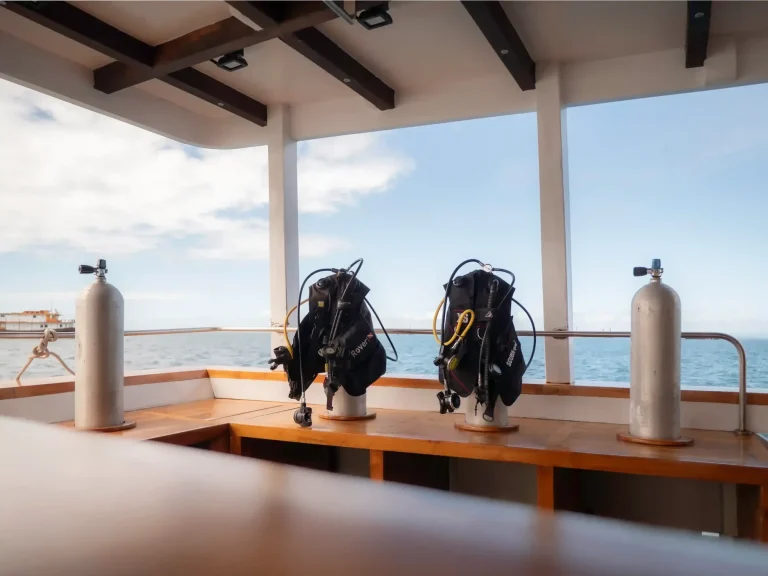
Komodo Diving Guide: Certification & Planning
Komodo’s dive sites range from beginner-friendly reef dives to strong-current, advanced-only sites like Batu Bolong and Castle Rock, so certification…
9 June 2026Questions this hub answers first
What makes Komodo diving different from typical Indonesian sites?
Current. The park sits in a narrow strait between two bodies of water, and tidal flow drives both the nutrient supply that feeds the reefs and the difficulty of the dives. The same site can be a gentle drift at slack water and a demanding dive two hours later, so the briefing matters more here than a logbook depth.
When are manta rays most reliable at Manta Point?
It depends which manta site you mean. Manta Point and Karang Makassar, in the north, report their strongest activity roughly August to October, while Manta Alley in the south peaks in the wetter months from November through March, when plankton density is highest. Sightings occur year-round at both. The trade-off is real: the southern peak overlaps the roughest crossings, while the dry season from April to October gives calmer water and better visibility.
Can non-divers see the same marine life?
Much of it. Manta Point, Pink Beach, and the shallower reefs near Labuan Bajo are snorkelling sites as much as dive sites. What snorkellers cannot reach are the deeper current-swept pinnacles such as Castle Rock, where the schooling predators concentrate.
How to actually get out on the water
This site is an independent planning guide. When you are ready to book, these are the boat products that run the routes described above, operated by Komodo Luxury.
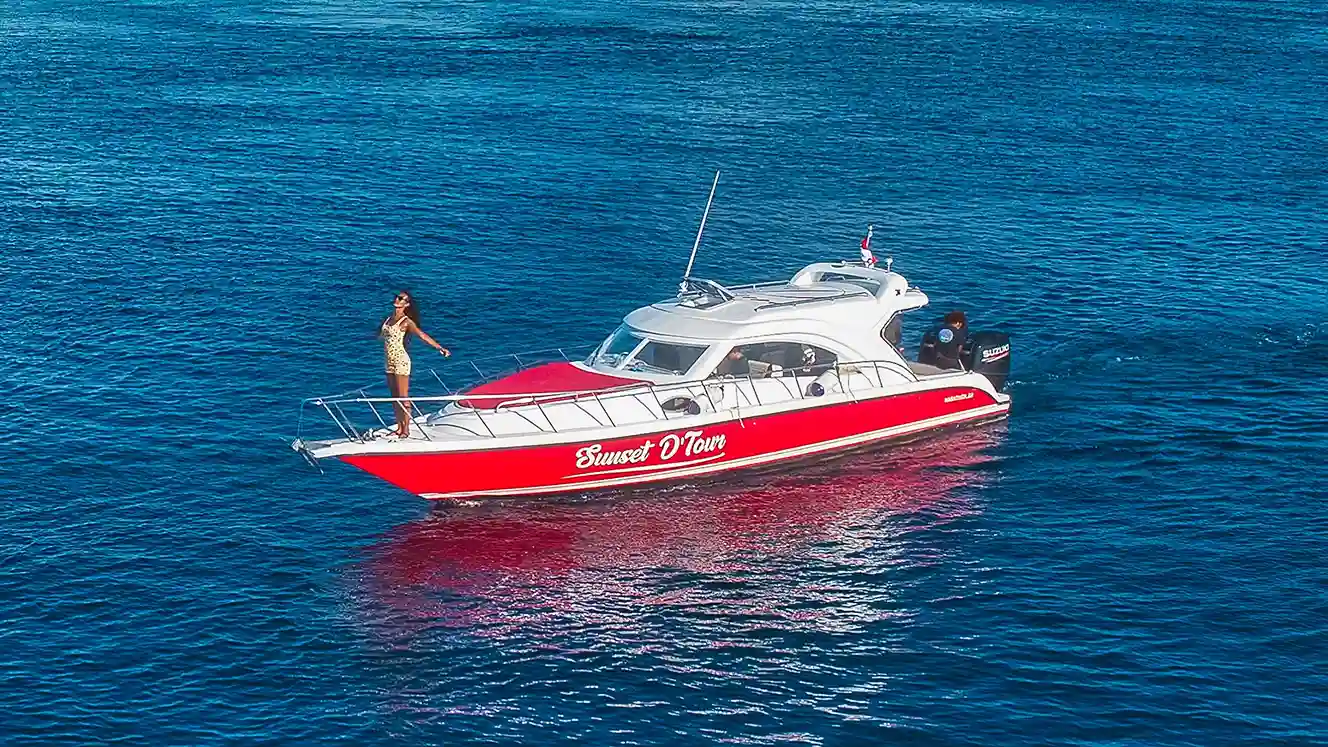 Most Booked
Komodo Boat Tour
Day trips and multi-day boat tours from Labuan Bajo into the park.
View boat tours →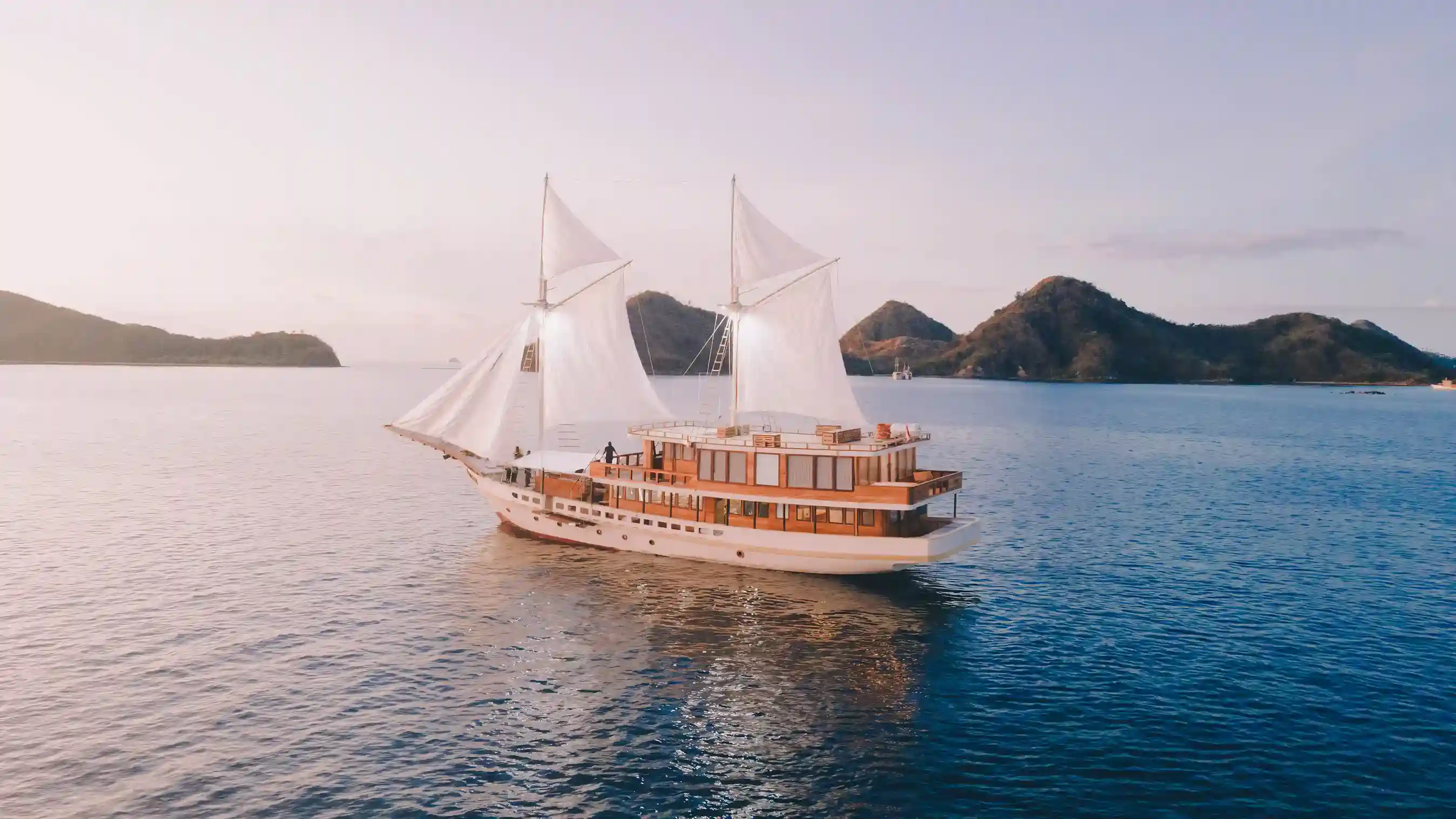 Multi-Day
Komodo Liveaboard
Sleep aboard a phinisi and cover more islands over 2–4 days.
View liveaboards →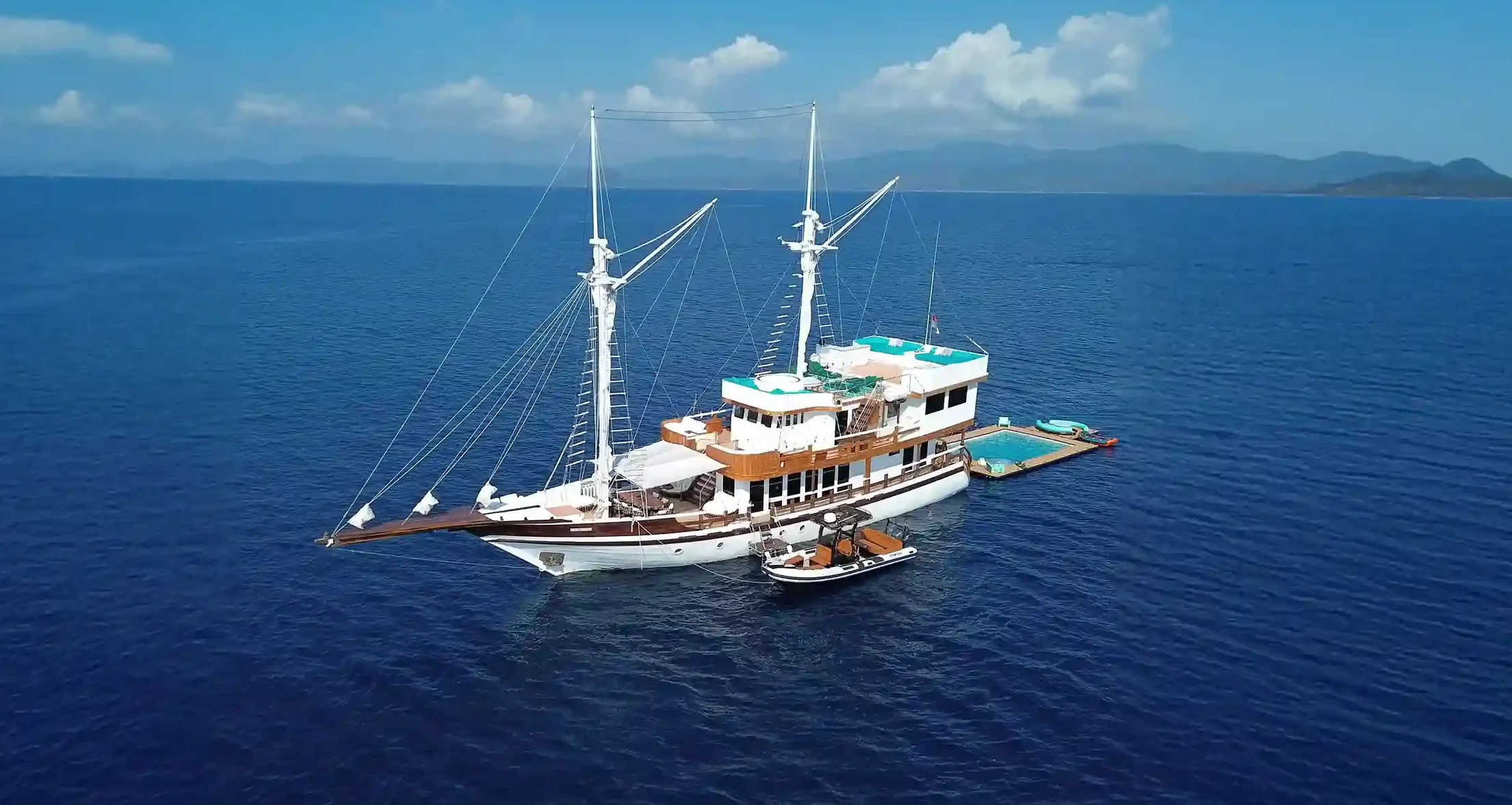 Private
Komodo Yacht Charter
A private boat for your group only, with a flexible route.
View charters →
ClassicKomodo Sailing Trip
Traditional phinisi sailing itineraries through the park.
View sailing trips →Prices shown on the linked Komodo Luxury pages are the only pricing we point to — this guide does not publish its own boat rates.

Ready to put a date on it?
Send the trip length and the month you are looking at. You will get a reply from a person at Komodo Luxury, the operator that runs the boats described on this page.
No booking is taken on this site and no rate is set here. This guide is published by Juara Holding Group, which has operated in Indonesian travel since 2015. This guide does not operate boats. Bookings are fulfilled by Komodo Luxury, and this site may earn a referral commission.