In short
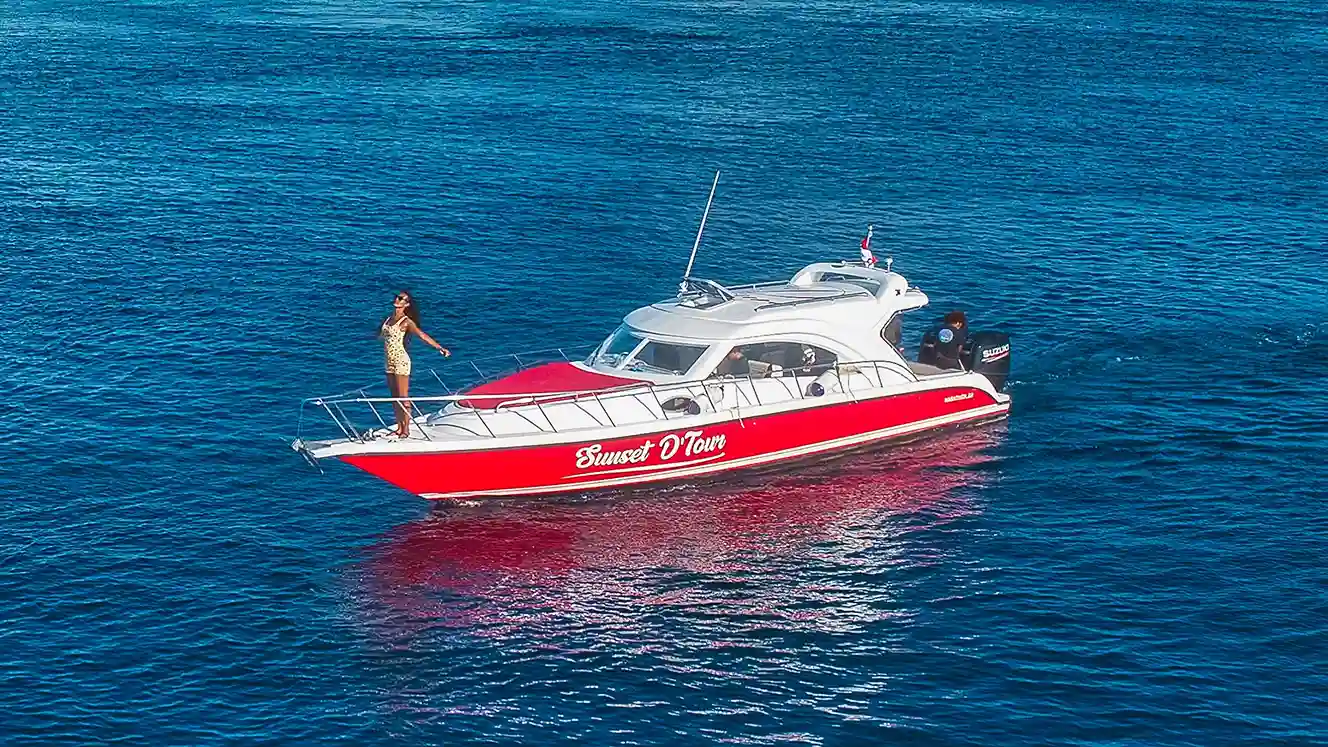
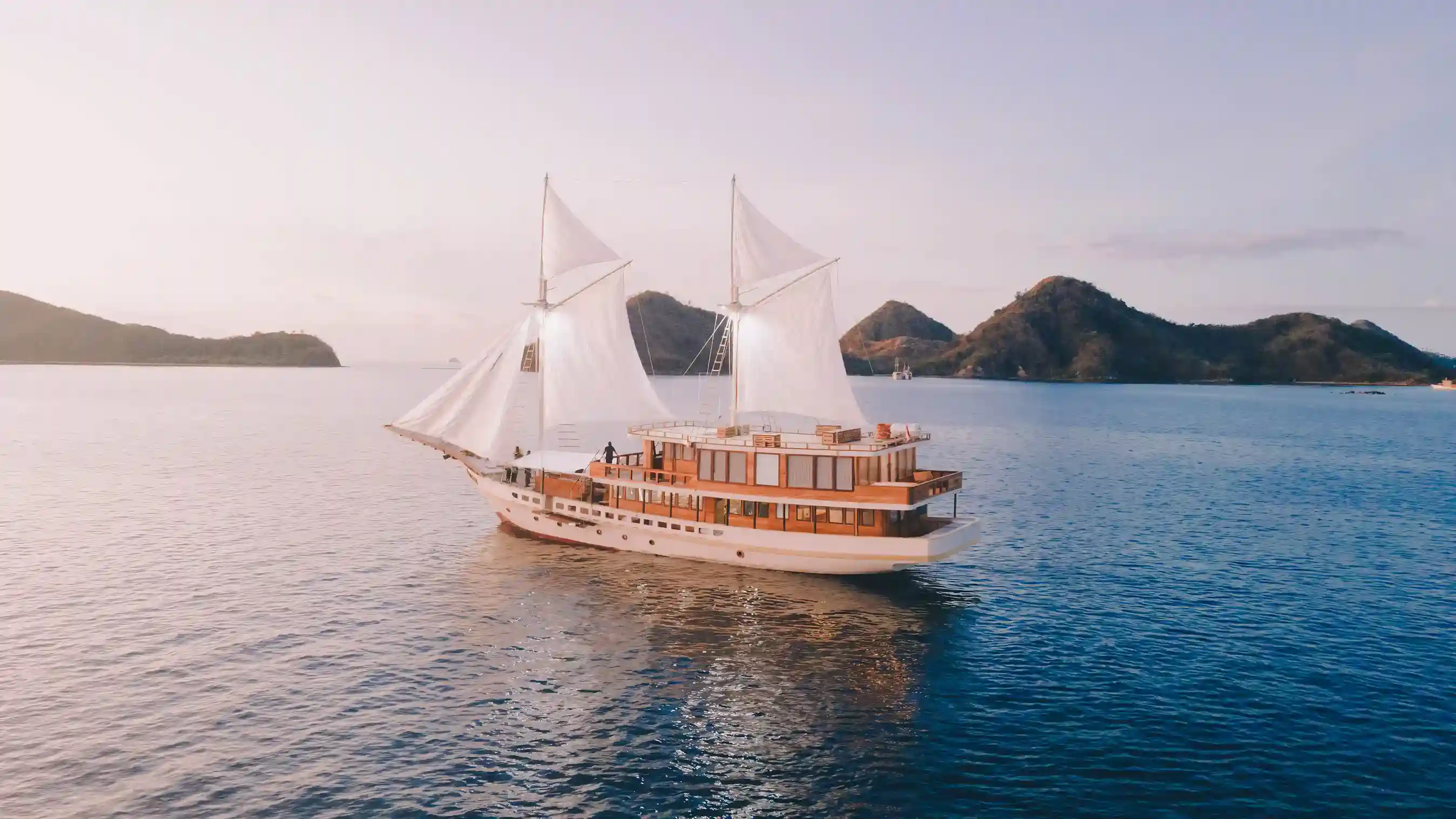
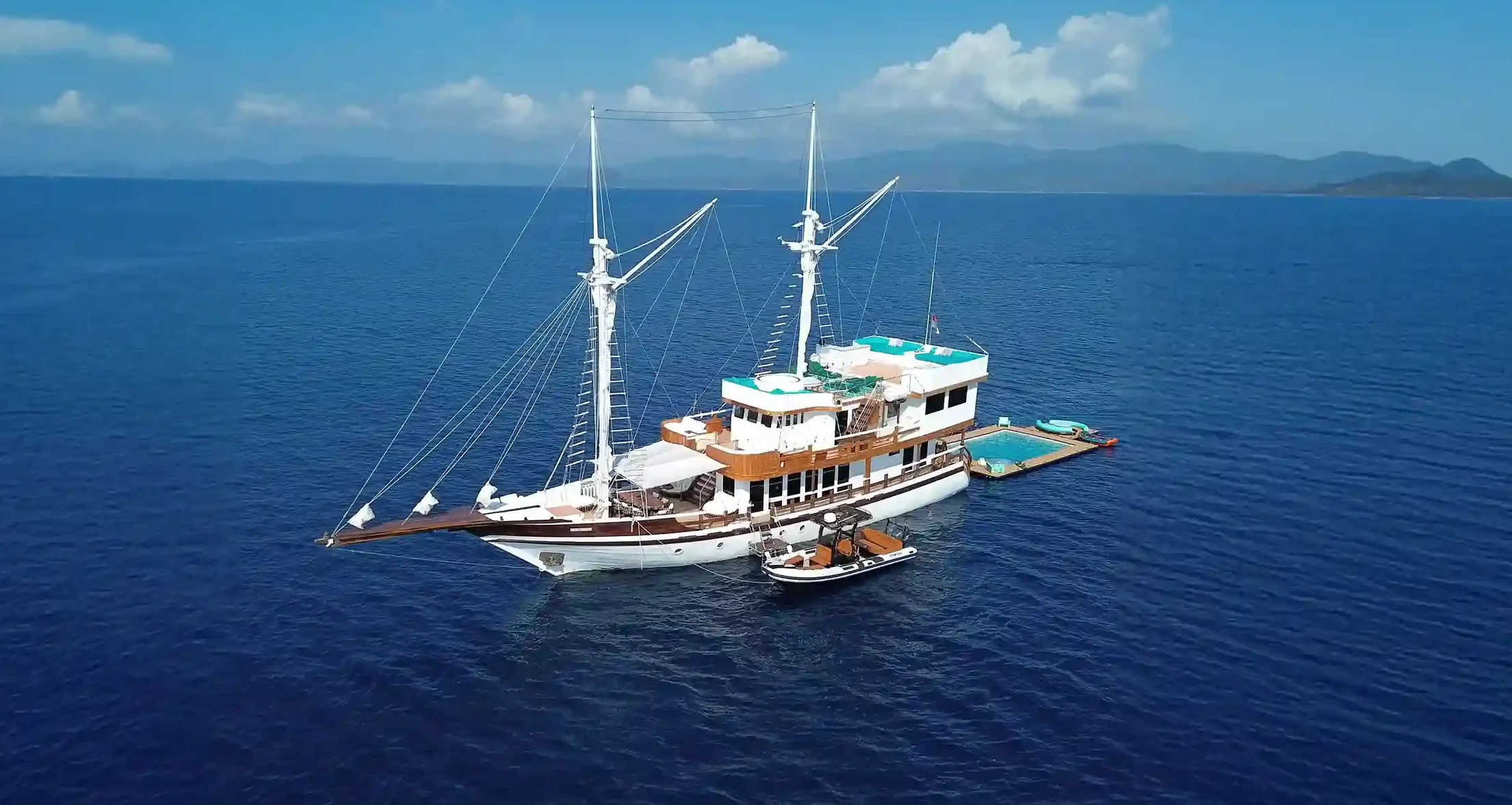
Your safety on the water starts before you board: a seaworthy vessel with a current KSOP (harbor authority) seaworthiness certificate, life jackets for every passenger, and a crew that holds appropriate certification are baseline questions worth asking any operator, including the ones this site writes about — see our boat vetting criteria page for the specific questions to ask. Reputable operators only depart with harbor-master (Syahbandar) clearance, which factors in weather and sea conditions before a vessel is permitted to sail, and many restrict overnight passages to sheltered anchorages rather than moving the boat after dark, precisely because low visibility and fatigue are real contributors to marine incidents in this region. If you’re comparing operators, ask directly what their policy is on night sailing and rough-weather departures — a operator willing to answer specifically is a good sign; a vague answer is not.
Komodo dragon attacks on guided tourists are extremely rare because trekking without a licensed ranger is not permitted; the real everyday risks on a Komodo trip are sun exposure, sea conditions, and unguided wandering off marked trails.
Every trek on Komodo or Rinca Island requires a licensed park ranger-guide by regulation — independent walking is not permitted, specifically because of the dragons. Serious injuries to tourists on ranger-led, marked trails are rare; the incidents that do get reported almost always involve people who left the trail, approached for a photo, or were walking without a guide such as park staff and villagers in surrounding settlements. Understanding what the ranger system actually protects against — and what it doesn't cover, like sea conditions and sun exposure — is more useful than either dismissing the dragons or being frightened off the trip entirely.
How dangerous are Komodo dragons to tourists, really?
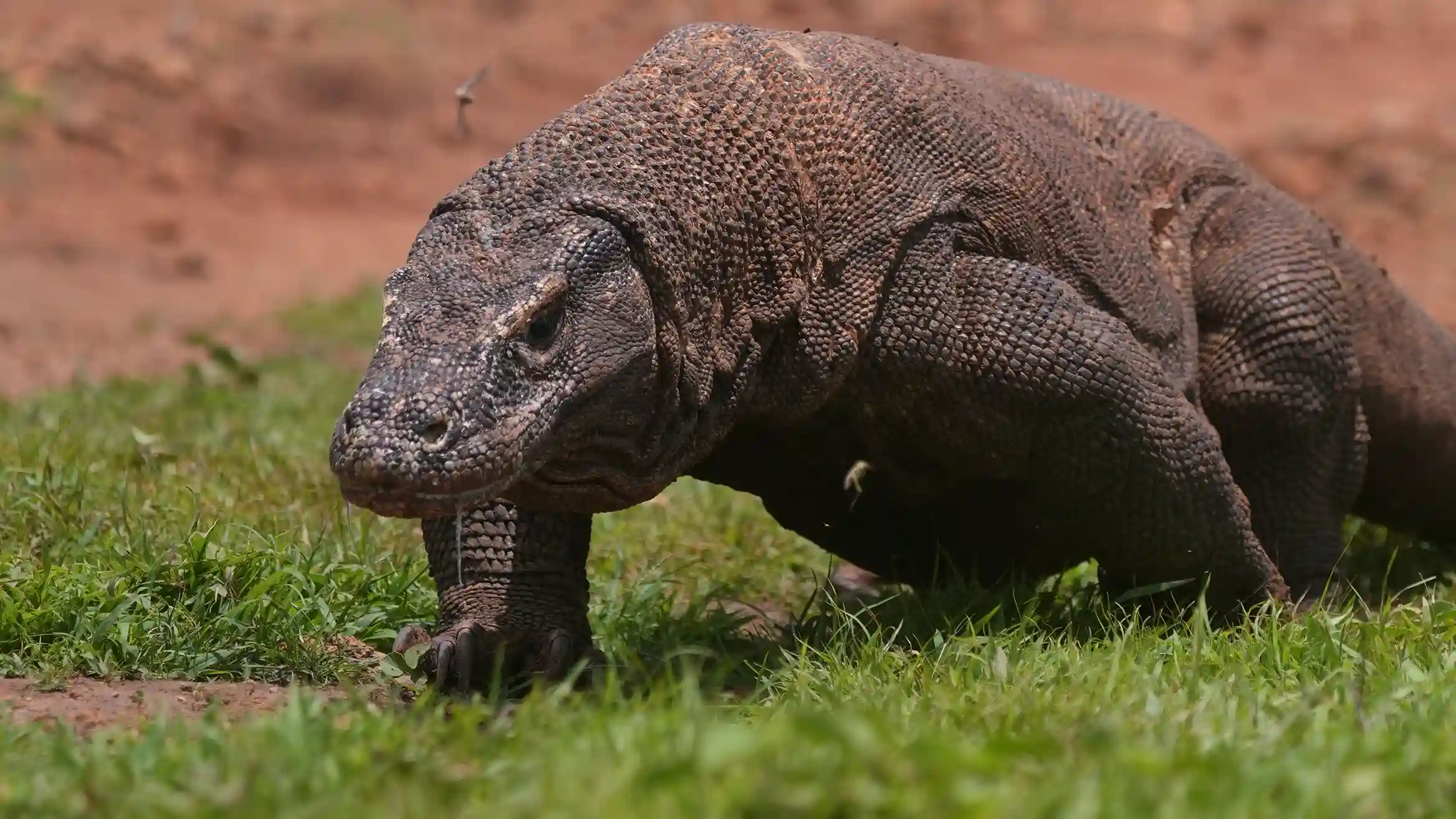
Komodo dragons are genuinely large predators — adults can exceed 2.5–3 meters and their bite carries venom and bacteria that make even a minor wound dangerous without treatment. That is exactly why the national park mandates a ranger-guide, carrying a forked stick, for every group entering dragon habitat. Your ranger sets and enforces the safe viewing distance for your group and will reposition you if a dragon moves toward the trail — this is a routine, calm part of the trek, not a sign something has gone wrong. Tourist injuries on guided, marked-trail treks are rare precisely because this system exists; the historical incidents that make headlines typically involve unguided villagers, park staff working outside visitor hours, or someone who left the marked trail against ranger instruction.
Trail rules that actually keep you safe
- Stay on the marked trail and behind your ranger at all times — the guide leads for a reason, not as a formality.
- Never approach a dragon for a photo. Use zoom. Dragons can move in short bursts faster than they appear capable of at rest.
- No feeding, touching, or provoking dragons under any circumstance — this is a park rule, not a suggestion, and rangers will stop a trek if it’s violated.
- Wear closed shoes for uneven, sometimes loose-gravel terrain, and long trousers are sensible on the longer ranger-led trails.
- Menstruating visitors are advised by some rangers to mention it privately before a trek, as dragons have an acute sense of smell for blood; ask your guide directly if you have concerns rather than relying on secondhand advice.
- Follow your ranger’s call on trek length. Rangers offer short, medium, and long trek options depending on dragon activity and weather that day — they may shorten a route for safety and this isn’t negotiable.
Swimming and snorkeling safety
Currents inside Komodo National Park’s straits can be strong and change quickly with the tide, particularly at well-known sites like Manta Point and Batu Bolong — sites chosen precisely because nutrient-rich current attracts marine life, which also means they demand real swimming competence and close attention to your guide’s briefing. Always snorkel with a life jacket if you’re not a confident swimmer, stay within the area your dive or snorkel guide marks out, and never swim alone away from the group or the boat. Check conditions with your crew before entering the water at any unfamiliar stop — a site that’s calm at one tide stage can develop a noticeable current within an hour.

Boat and sea safety
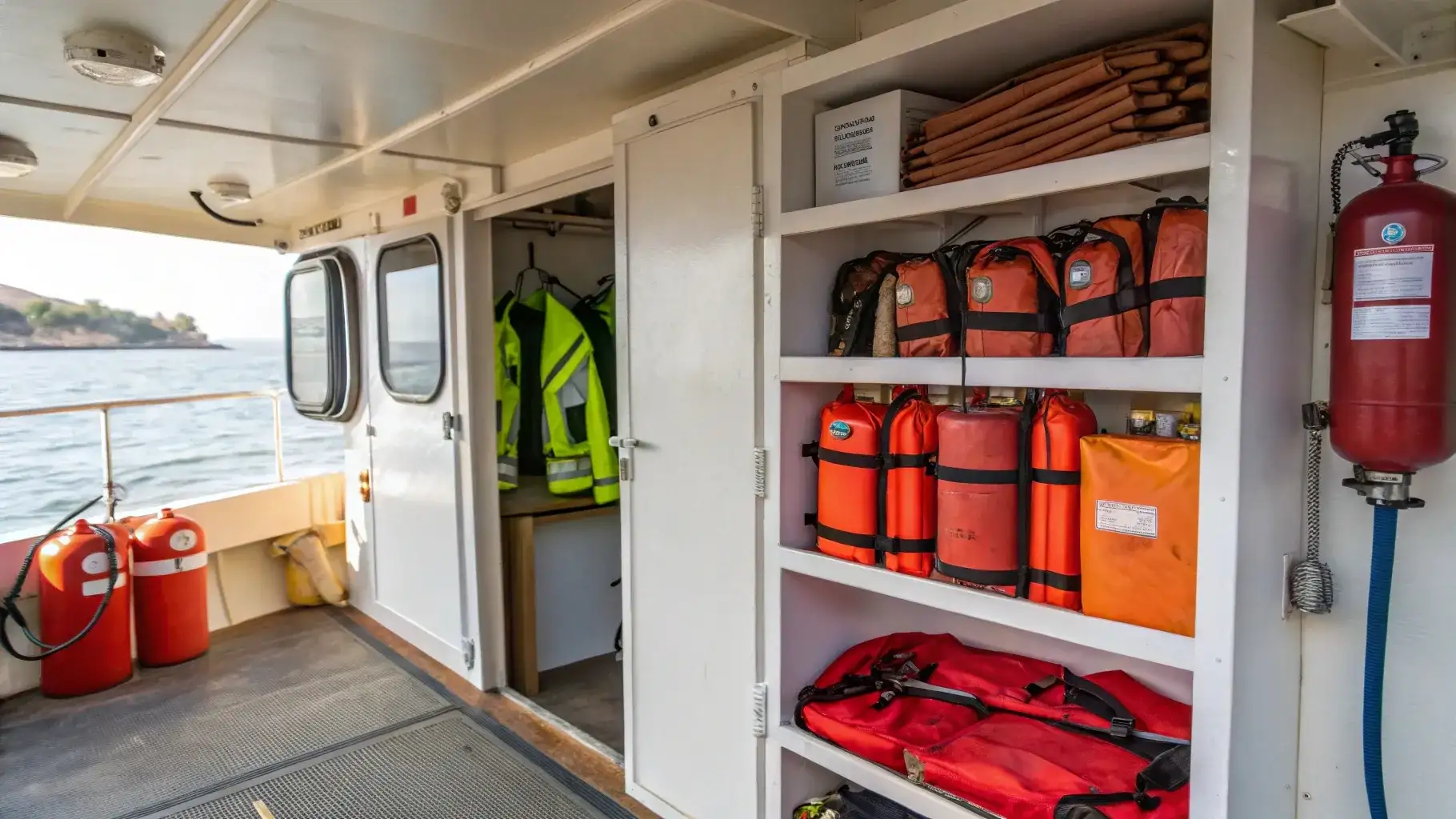
Your safety on the water starts before you board: a seaworthy vessel with a current KSOP (harbor authority) seaworthiness certificate, life jackets for every passenger, and a crew that holds appropriate certification are baseline questions worth asking any operator, including the ones this site writes about — see our boat vetting criteria page for the specific questions to ask. Reputable operators only depart with harbor-master (Syahbandar) clearance, which factors in weather and sea conditions before a vessel is permitted to sail, and many restrict overnight passages to sheltered anchorages rather than moving the boat after dark, precisely because low visibility and fatigue are real contributors to marine incidents in this region. If you’re comparing operators, ask directly what their policy is on night sailing and rough-weather departures — a operator willing to answer specifically is a good sign; a vague answer is not.
Health, hydration, and sun exposure
The most common real-world issue on a Komodo trip isn’t a dragon — it’s heat. Padar’s viewpoint climb and the dragon-trek trails have little shade, and Flores sits close to the equator with strong midday sun year-round. Carry more water than you think you need, wear a hat and reef-safe sunscreen, and schedule strenuous walks for early morning rather than midday where your itinerary allows. Malaria risk exists in parts of eastern Indonesia including Flores at a lower level than some regions; discuss antimalarial precautions and routine travel vaccinations with a travel health provider before your trip rather than relying on assumptions — see our health and vaccination guide for what official sources currently say.
Medical care and emergency evacuation
Labuan Bajo has a regional hospital and several clinics for routine care, but serious injuries — including decompression sickness from diving — typically require evacuation to Bali, since Labuan Bajo does not have a hyperbaric recompression chamber. This is exactly why dive insurance with medical evacuation cover, not just standard travel insurance, matters if diving is part of your trip; see our travel insurance guide for what to check before you buy a policy. For any medical concern on a boat, tell your crew immediately — captains carry basic first-aid and know the fastest route back to Labuan Bajo or the nearest clinic.
Is Komodo National Park safe for children?
Families do bring children on Komodo trips, but the dragon trek and Padar’s stairway both demand a child who can walk the distance independently and follow instructions calmly and immediately — this isn’t a stroller-friendly trail. Discuss your children’s ages with your operator before booking so rangers and crew know to adjust trek length and boat supervision accordingly; a private charter, rather than a shared open-trip, gives more flexibility to shorten a trek or skip a stop that isn’t right for younger kids on the day.
How rangers actually manage a trek, step by step
On arrival at Loh Liang (Komodo Island) or Loh Buaya (Rinca), your group is assigned a ranger who briefs the group on trail rules before departure, chooses a short, medium, or long route based on current dragon sightings and weather, and leads with the forked stick used to redirect a dragon if it approaches the trail. Rangers communicate by radio with the ranger station throughout the trek and can call in support if a dragon becomes unusually active. None of this requires you to do anything except follow instructions promptly — the system is designed around visitors who have never seen a wild dragon before.
Night sailing and why it matters for your safety
Several serious marine incidents involving tourist vessels in Indonesian waters over the past decade have been linked to sailing at night in poor visibility or marginal weather. In response, harbor-master (Syahbandar) offices across Indonesia, including in Labuan Bajo, apply stricter departure-clearance checks before a passenger vessel is allowed to sail, factoring in wind, swell, and visibility. Quality operators build their schedules around this reality: daylight sailing between anchorages, and overnight periods spent at anchor in a sheltered bay rather than underway. When you’re comparing quotes, ask an operator plainly whether their itinerary involves sailing after dark between stops, and if so, why — a specific, confident answer about their vessel’s navigation equipment and captain’s experience is a reasonable one; a dismissive answer is a reason to look elsewhere.
Crew certification and insurance — what to ask before booking
Beyond the seaworthiness certificate covered on our vetting page, it’s reasonable to ask an operator whether their captain and senior crew hold recognized maritime certification appropriate to the vessel’s size and route, and whether the boat carries passenger liability insurance. For dive trips specifically, ask whether the dive guide holds a recognized instructor or divemaster certification and confirm the buddy system and maximum group-to-guide ratio they run — a rushed answer to a direct question about ratios is worth following up on before you pay a deposit.
Diving-specific safety notes
Komodo’s dive sites are known for their strong currents as much as their marine life, and several — Batu Bolong and the Manta Point/Karang Makassar area among them — are genuinely advanced-level sites on a bad-current day. Confirm your own certification level matches what a dive operator recommends for a specific site rather than assuming all Komodo diving suits open-water-level divers; a reputable dive operator will ask about your logged dives and certification before confirming a booking, not after you’re already on the boat. Because the nearest recompression chamber is in Bali, diving with a dive-accident insurance add-on (such as DAN cover) alongside standard travel insurance is worth the modest extra cost for anyone diving multiple days.
What if you’d rather skip the trek entirely
Not everyone wants to walk a dragon trail, and that’s a reasonable choice — some visitors stay aboard or on the beach near the ranger station while the rest of their group treks. Tell your operator in advance if part of your group wants to skip the walk so the day’s schedule and guide arrangement can be planned around it rather than sorted awkwardly on arrival.
What rangers wish visitors understood
Ranger staff who lead treks daily consistently point to the same small number of avoidable issues: visitors stepping off the marked path for a photo, visitors underestimating how quickly Flores heat causes dehydration, and visitors assuming a calm-looking dragon at rest means it’s safe to approach closer than the ranger has indicated. None of these require special equipment or training to avoid — they require following the same instructions every guided tourist receives at the start of every trek.
One more point worth stating plainly: none of these precautions are unique or excessive for this destination — they’re the same category of common-sense travel safety that applies to any outdoor, wildlife-adjacent, boat-based trip anywhere in the world, adapted to Komodo’s specific conditions.
If you take away one thing from this page, make it this: listen to your ranger and your crew, every time, without exception — that single habit accounts for most of what keeps a Komodo trip genuinely safe.
Snorkelling currents, Taka Makassar and quick supplies in town
Taka Makassar is a shallow sandbank, so the water can look calm, but currents here are real. Boat crews usually time visits for slack or mild tide and keep you close to the sand. You should always follow the guide, stay within a short swim of the boat and keep fins on, even in waist‑deep water.
Snorkelling currents and how to stay safe
Across Komodo National Park, horizontal “pull” from the side is the main risk for snorkellers. If you feel yourself drifting, do not fight directly against the current. Swim diagonally back towards the boat or into shallower water while signalling with one arm. A surface marker buoy or bright snorkel vest makes you much easier to spot.
Listen carefully to the crew’s briefing. They will show you a clear boundary line, such as “do not cross in front of that headland” or “stay landward of the guide”. If you are not a confident swimmer, ask to be dropped in closer to the sandbank, use a life jacket and stay beside the guide at all times.
Love Hill access, parking and basic first aid
Love Hill above Labuan Bajo is a short roadside viewpoint, not part of the marine park. There is usually a simple parking area where locals collect a small cash fee per vehicle or motorbike, and you may be asked for a modest contribution per person to walk up the path.
Labuan Bajo has several small pharmacies where you can buy plasters, antiseptic for minor cuts and basic pain relief. For anything beyond small wounds, or if a coral scrape looks inflamed, go to a clinic rather than self‑treating. Keep a compact personal kit on the boat, as you will not find pharmacies on the islands.
Sources
- Law No. 5/1990 on the Conservation of Living Natural Resources and Ecosystems — legal basis for protected-species and ranger-escort rules
- Balai Taman Nasional Komodo (BTNK) / KSDAE in-Flores portal — park authority overseeing ranger licensing and trail rules
- UK Foreign, Commonwealth & Development Office — Indonesia travel advice, for independent safety and health context

Trek with licensed rangers, sail with a vetted crew
Komodo Luxury’s itineraries include the mandatory licensed ranger-guide for dragon treks, on boats screened against the seaworthiness questions on the vetting page.
📧 Voyages desk📞 +62 811-3810-8110
Related reading
Updated: August 29, 2026 · Originally published: May 12, 2026