Standard travel insurance often excludes scuba diving, sea evacuation, and activities inside a national park by default — read the activity exclusions on any policy before buying, since Labuan Bajo has no recompression chamber and serious cases require evacuation to Bali.
Travel insurance isn’t legally required to enter Indonesia in most cases, but for a Komodo trip specifically, it matters more than on a typical beach or city holiday — you’re some distance from major medical facilities, activities like diving and trekking near wildlife carry genuine risk, and a standard policy bought without reading the fine print can leave exactly those activities uncovered.
What a standard travel policy often doesn’t cover
Many budget or default travel insurance policies exclude or restrict scuba diving beyond a shallow depth limit, exclude “adventure activities” in broad, vaguely defined terms that could be read to include trekking near wild animals, and cap medical evacuation costs at a level that may not cover a genuine sea-to-Bali emergency evacuation. None of this is unique to Komodo — it’s a common gap in travel insurance generally — but the consequences of discovering the gap are more serious here given the distance from advanced medical care.
Questions to ask before buying a policy
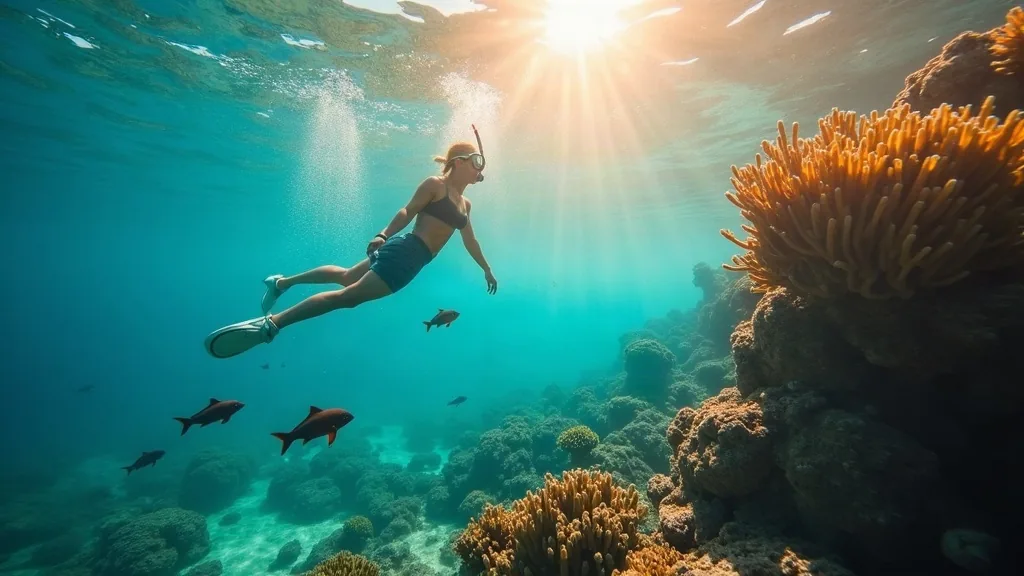
- Does this policy cover scuba diving, and to what depth limit? If diving is part of your trip, confirm the specific depth and certification-level conditions rather than assuming “adventure sports cover” automatically includes it.
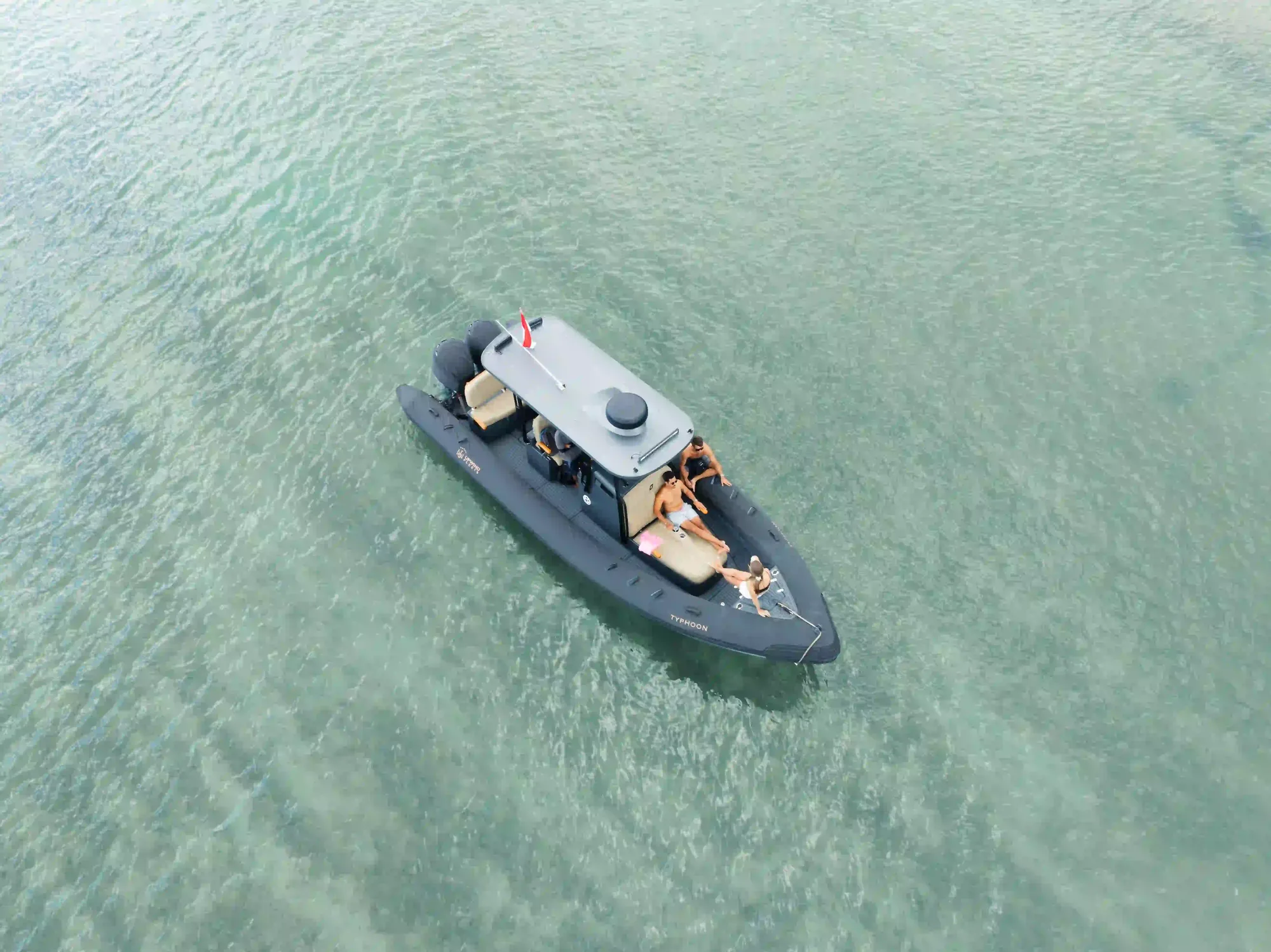
- Does it cover medical evacuation by boat or air, and to what value? A genuine emergency evacuation from a remote anchorage to Bali is a meaningfully expensive scenario — check the coverage limit, not just that evacuation is “included.”
- Are activities like guided wildlife trekking excluded under a general “hazardous activity” clause? Some policies use broad language that could technically exclude a ranger-guided dragon trek — ask the insurer directly if this isn’t explicit in the policy wording.
- Does it cover trip cancellation or delay for a missed park permit slot or flight disruption? Flight delays into Komodo Airport are common enough to be worth checking cancellation terms.
Dive-specific insurance add-ons
Divers, in particular, are well served by considering a dedicated dive-accident insurance add-on — such as coverage through organizations like DAN (Divers Alert Network) — alongside standard travel insurance, since decompression sickness and other dive-specific injuries often fall outside standard policy terms even when a policy nominally “covers diving.” Because Labuan Bajo has no recompression chamber, any serious decompression case requires evacuation, typically to Bali, making evacuation-cost coverage specifically for diving incidents a genuinely important line item rather than a nice-to-have.
Does travel insurance cover a Komodo dragon-related incident?
Injuries from a ranger-guided, marked-trail trek would typically fall under general accident and medical coverage the same as any other guided outdoor activity, but broad “hazardous activity” exclusion clauses in some policies could theoretically be read to exclude wildlife-related incidents — this is exactly the kind of ambiguous wording worth clarifying with your insurer directly before you travel rather than assuming it’s covered. We are not an insurance provider and can’t advise on your specific policy’s wording; ask your insurer this question directly.
Trip cancellation and weather-related changes
Sea conditions occasionally force operators to substitute a stop or, rarely, delay a departure — check whether your policy’s trip-interruption coverage responds to this kind of operator-driven change versus only covering cancellations you initiate yourself. Most reputable operators, including the packages linked from this site, will substitute a comparable stop rather than cancel outright when possible, but severe weather can occasionally force a genuine schedule change beyond any operator’s control.
Buying insurance at the right time
Buy travel insurance when you book your flights and boat, not the week before departure — trip-cancellation benefits in particular are often only valid for events that occur after your policy’s purchase date, so a late purchase can mean a real gap in exactly the coverage you’d want if a problem arose during your final weeks of planning.
Reading the fine print — a worked example
Consider a policy that says it covers “adventure sports” — that phrase alone tells you little. Does it include a ranger-guided wildlife trek, or only formally certified sports like skiing or scuba? Does snorkeling count the same as diving? Is there a depth or duration limit? The safest approach is to email the insurer your specific itinerary — a dragon trek at Komodo National Park, snorkeling at named sites, and any planned diving — and ask for written confirmation of coverage rather than relying on a broad marketing phrase in the policy summary.
What to keep with you while traveling
Carry your policy number, insurer’s emergency contact line, and a copy of your policy document (digital is fine) accessible on your phone throughout the trip, not just packed away in an email you’d need signal to retrieve. In a genuine emergency at sea or on a remote island, your boat crew will help coordinate the fastest route to care, but having your own insurer’s direct emergency line ready to call speeds up the evacuation and payment process considerably.
How Komodo diving and side trips like Wae Rebo affect your insurance needs
If you plan to dive in Komodo National Park you will usually book through a PADI or SSI dive centre based in Labuan Bajo. Insurers rarely care which training agency you use. They care about your certification level, the maximum depth, and whether dives are guided or independent.
Dive operator standards and real‑world risk
Reputable PADI and SSI centres follow agency standards, use briefings and check currents, but that does not remove the need for cover. Public statistics on diving accidents in Komodo are not routinely published, so you should assume that incidents are possible and insure on that basis rather than chasing numbers.
Ask if your policy covers guided dives in strong currents, negative entries, and use of surface marker buoys. Many basic policies exclude any dive below a set depth or any dive without direct supervision from a professional. If you join a liveaboard, confirm that your cover extends to multi-day boat trips.
Side trip to Wae Rebo and weather timing
Many visitors pair a Komodo liveaboard with a road and hiking trip to Wae Rebo village. The best balance of weather and trail conditions is usually April to June and September to October, when rain is lighter and paths are less muddy.
During the wetter months from November to March the hike can be slippery and slow, and road access may be disrupted. Check that your policy covers missed services and extra transport if heavy rain or landslides delay you on the way back to Labuan Bajo for your flight or onward boat.
If you visit in the peak dry months of July and August, build in cover for higher trip costs and very busy schedules. Any change to your Komodo or Wae Rebo plans, whether due to sea conditions or road and weather issues, should be checked against the cancellation and delay clauses of your insurance.
Frequently asked questions
Is travel insurance required to visit Komodo National Park?
It’s not legally required for Indonesian entry in most cases, but strongly recommended given the distance from advanced medical facilities and the activities typically involved in a Komodo trip.
Does travel insurance cover scuba diving in Komodo?
Only if the policy explicitly includes it — many standard policies exclude or limit diving coverage. Confirm the specific depth and certification conditions before buying if diving is part of your trip.
What happens if I need medical evacuation from a Komodo boat?
Serious cases typically require evacuation to Bali, since Labuan Bajo has no recompression chamber. Confirm your policy’s evacuation coverage limit covers this kind of scenario before you travel.
Should divers buy additional insurance beyond standard travel cover?
Many divers add dedicated dive-accident insurance, such as DAN coverage, alongside standard travel insurance, since decompression-specific injuries often fall outside standard policy terms.
When should I buy travel insurance for a Komodo trip?
When you book your flights and boat — buying late can leave a gap in trip-cancellation coverage for events that occur before your policy’s purchase date.
Do I need different insurance for PADI and SSI dive centres in Komodo?
You do not usually need different insurance for PADI or SSI dive centres in Komodo. Insurers focus on your maximum depth, whether dives are guided, your certification level, and any current or overhead environment. Choose a policy that covers boat dives in strong currents and check written limits rather than the dive agency name.
Are there reliable published statistics on diving accidents in Komodo National Park?
There are no routinely published, detailed public statistics on diving accidents specific to Komodo National Park. Incidents occasionally occur, as in any advanced diving area, but you should not base decisions on informal numbers. Assume that currents and remote locations add risk and buy medical and evacuation cover appropriate for boat-based diving.
How should I time a combined Komodo and Wae Rebo trip for weather and insurance?
For a smoother experience, many travellers choose April to June or September to October for Komodo and Wae Rebo, when seas and mountain trails are usually more manageable. If you travel in the wetter months, make sure your insurance covers delays, missed flights and extra accommodation caused by rough crossings or rain-related road disruptions.
Do I need travel insurance specifically covering boat trips for Komodo National Park?
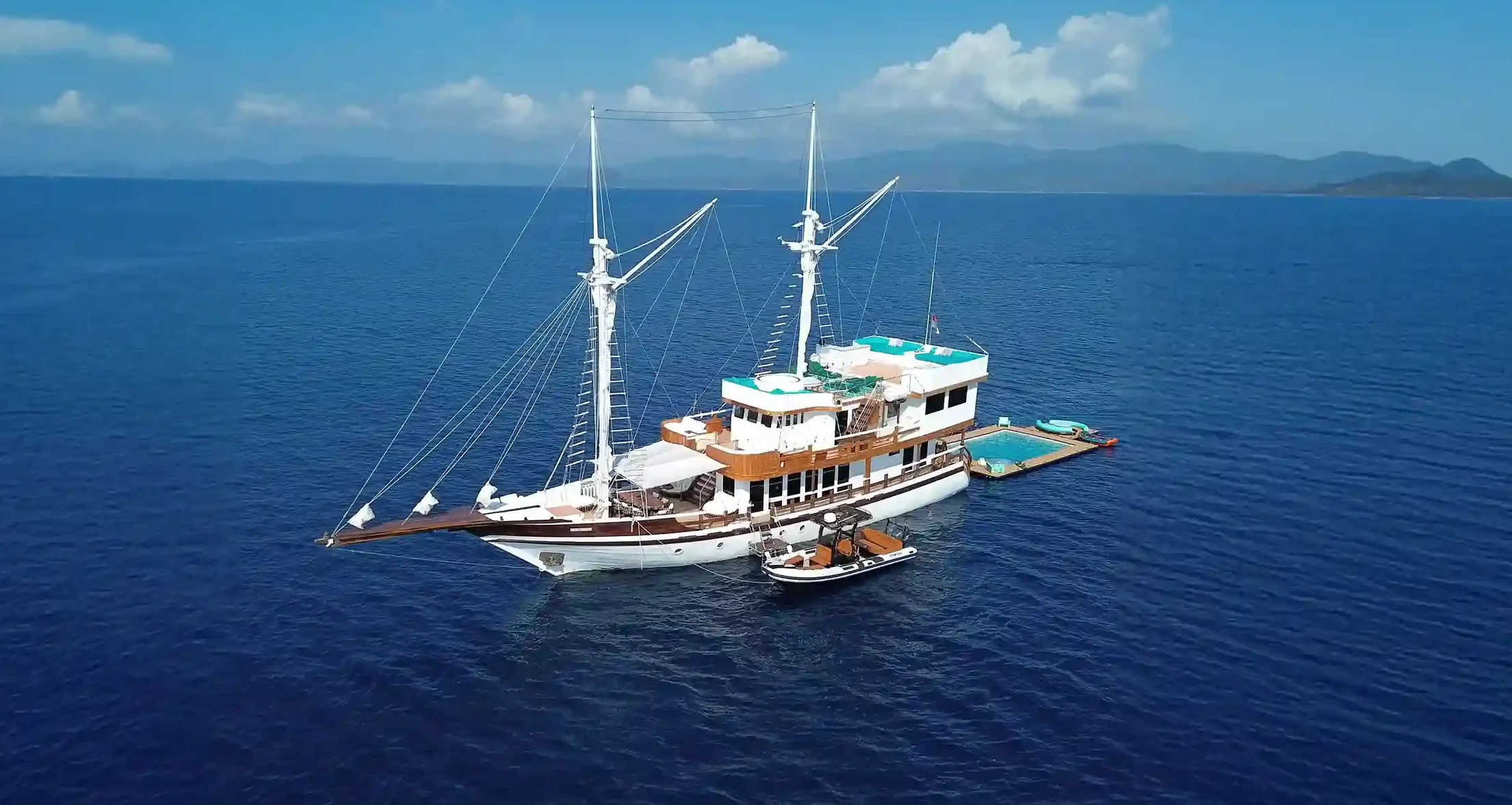
Yes, it is highly advisable to have travel insurance that specifically covers boat trips when visiting Komodo National Park. Most visits involve multi-day boat excursions, and a policy that includes boat-related incidents, such as medical emergencies at sea, evacuation, or trip interruptions due to mechanical issues, is essential. Ensure your chosen policy explicitly addresses these aspects for comprehensive protection during your island-hopping adventure.
Can tours be canceled due to weather in Komodo?
Yes, tours to Komodo National Park can certainly be cancelled or itineraries altered due to adverse weather conditions for safety reasons. The wet season, particularly from December to February, often brings rougher crossings and higher chances of cancellations. It is always recommended to have flexible travel plans and comprehensive travel insurance that covers trip interruptions or cancellations due to unforeseen weather impacts.
Is April to October the best time for Komodo?
Yes, April to October generally represents the dry season and is considered the best time to visit Komodo National Park. This period offers calmer seas and clearer skies, ideal for boat trips and island hopping. While July and August are peak busy months and can be pricier, April-June and September-October provide an excellent balance of good weather and fewer crowds for a more enjoyable and serene experience.
To plan your Komodo liveaboard or boat trip, explore the departures, shared trips, vessels and cabin layouts published by Komodo Luxury, the licensed operator in the same group as this editorial desk.
Komodo Luxury: shared open-trip departures · the vessel fleet and cabin plans · Komodo sailing trips · private Komodo charter.
Plan your trip with the right cover in place
Park permits and boat logistics are handled inside an operator booking. Travel insurance is not: confirm yourself that your policy covers diving to your planned depth and medical evacuation from a remote island before you fly.
Multi-day bookings carry the highest exposure to weather and schedule changes, so it’s worth checking cancellation terms before confirming a liveaboard itinerary or any Komodo boat tour booking, and keeping your policy documents accessible on your phone for the whole trip.
Sumber: [1] UK Foreign, Commonwealth & Development Office, Indonesia travel advice. [2] CDC Yellow Book, malaria risk in Indonesia. [3] World Health Organization, malaria fact sheet.