
In short
Labuan Bajo and Komodo National Park offer wild Komodo dragons, dramatic hiking viewpoints, and manta-ray diving that Bali, Raja Ampat, and the Gili Islands simply don’t have — but Bali has far more infrastructure and nightlife, Raja Ampat has denser, more pristine reef biodiversity, and the Gilis are easier and cheaper for a short beach break. The right choice depends on whether you’re prioritizing wildlife and dramatic scenery (Komodo), reef biodiversity (Raja Ampat), or convenience and variety (Bali).
Labuan Bajo and Komodo National Park offer wild Komodo dragons, dramatic hiking viewpoints, and manta-ray diving that Bali, Raja Ampat, and the Gili Islands simply don't have — but Bali has far more infrastructure and nightlife, Raja Ampat has denser, more pristine reef biodiversity, and the Gilis are easier and cheaper for a short beach break. The right choice depends on whether you're prioritizing wildlife and dramatic scenery (Komodo), reef biodiversity (Raja Ampat), or convenience and variety (Bali).

Last updated: August 2026.
Labuan Bajo & Komodo vs Bali: Which Should You Choose?
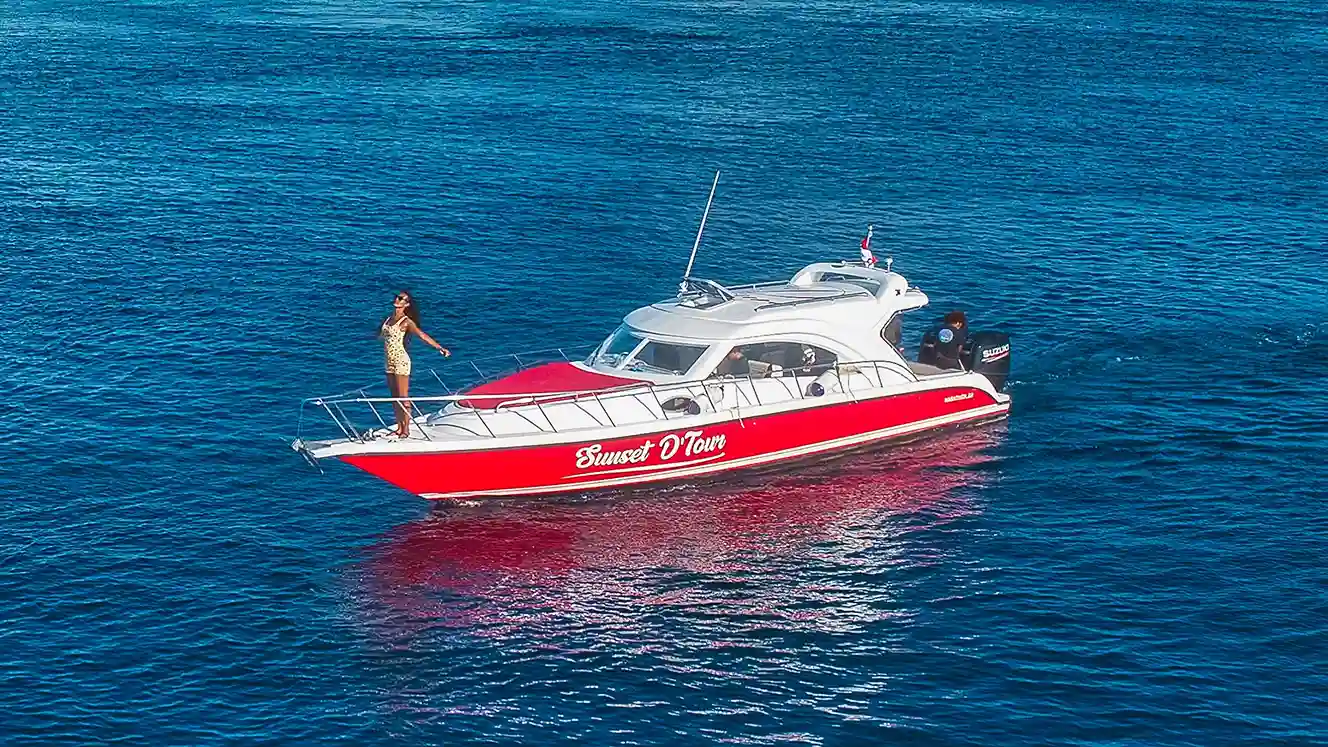
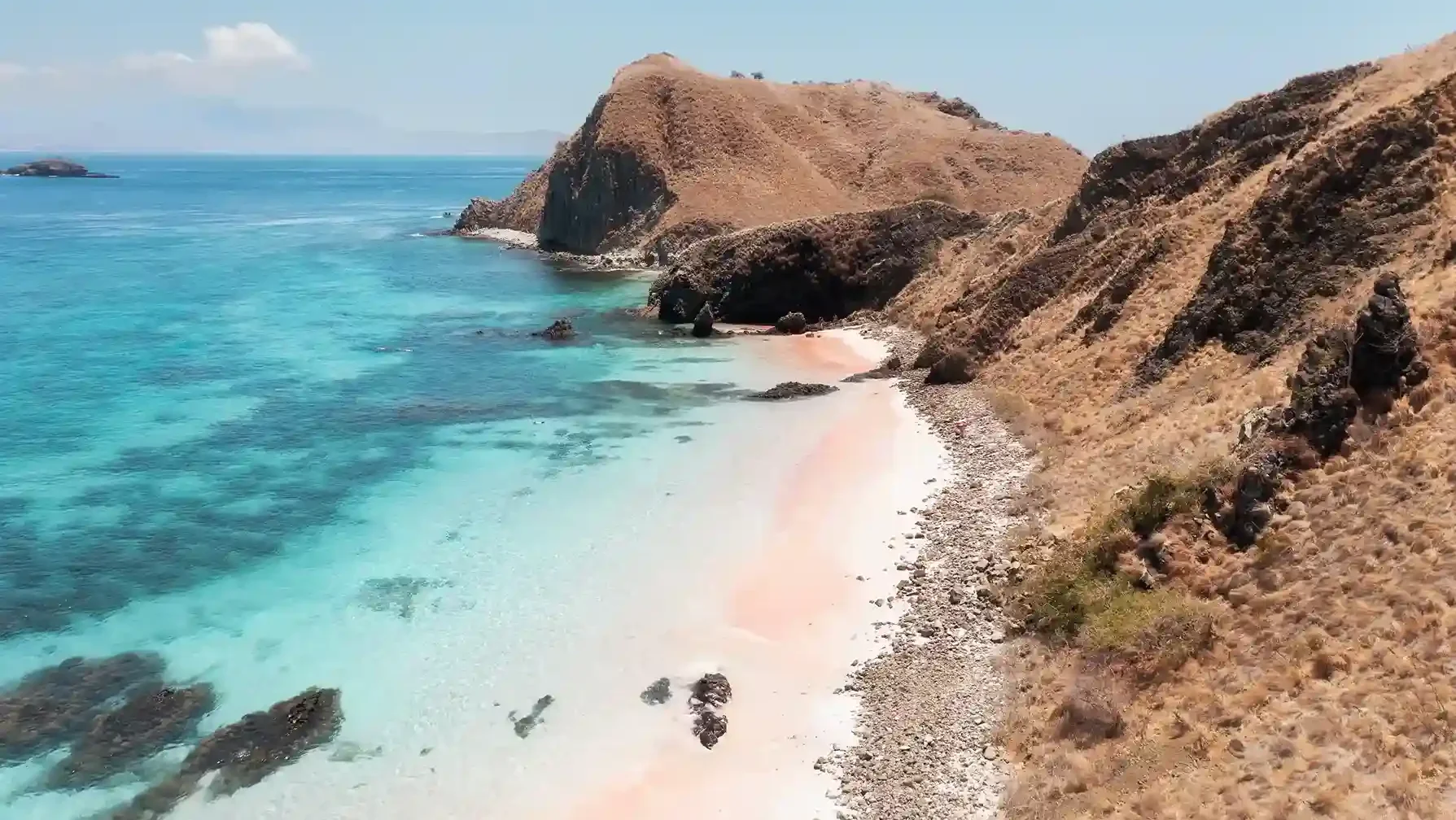
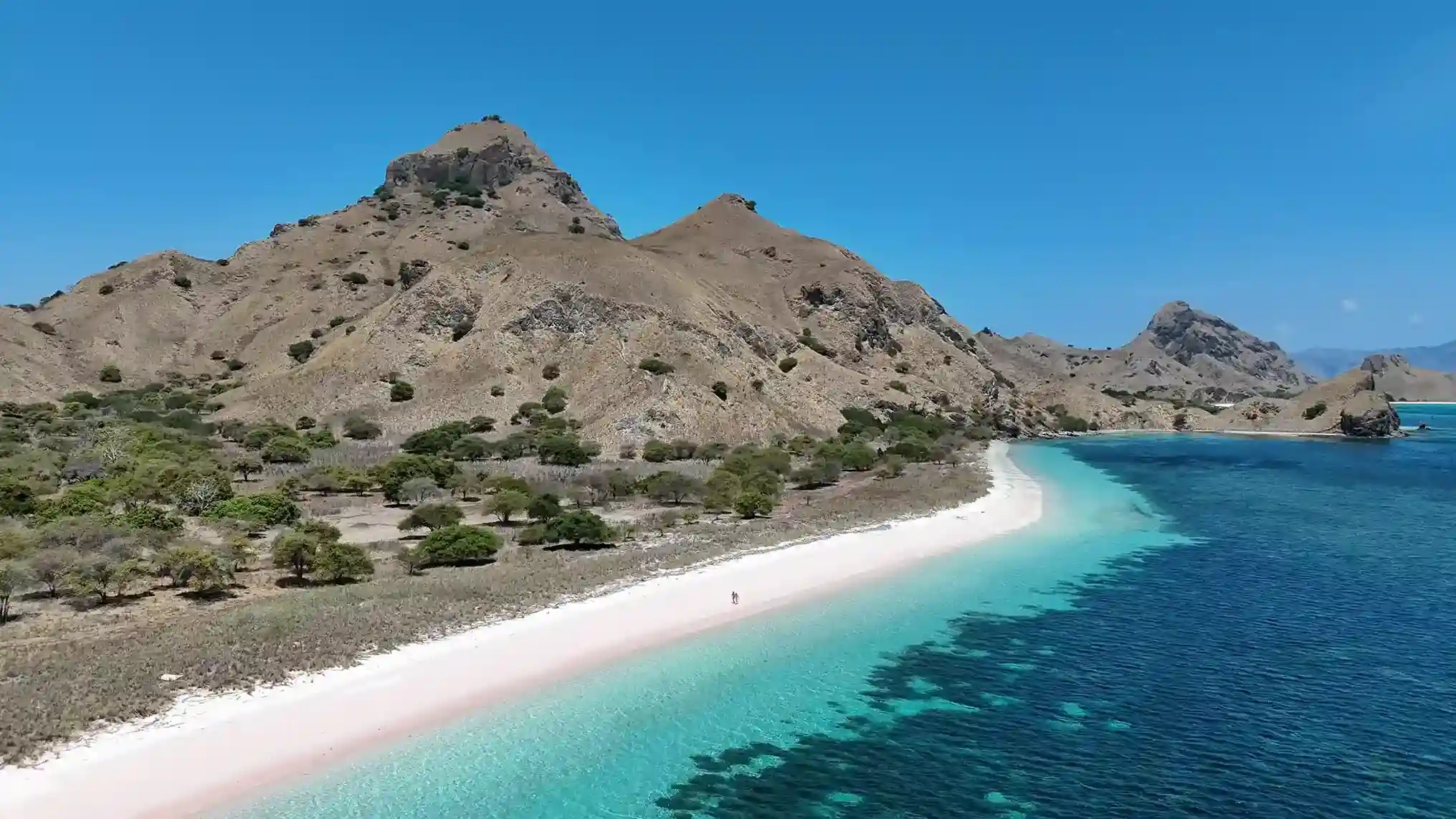
Bali and Komodo aren’t really competing for the same trip — many travelers do both, flying Bali to Labuan Bajo in roughly 1 hour 20 to 1 hour 35 minutes. Bali offers far more built-up infrastructure: a wider range of hotels and price points, more restaurants and nightlife, surf breaks, rice terraces, and temples, all easily reached by road. Komodo’s draw is narrower but sharper: wild dragons found nowhere else on Earth, the Padar viewpoint, Pink Beach, and diving/snorkeling with mantas and strong reef life, all accessed by boat rather than road.
If you have limited time and want variety — beach, culture, food, nightlife — Bali alone covers more ground. If wildlife and a genuinely different landscape are the priority, or if you’re combining both, add 3–7 days in Komodo after or before your Bali stay. Most travelers who ask “Bali or Komodo” are better served by “Bali and Komodo,” since the flight between them is short and both regions offer very different experiences rather than substitutes for each other.
Labuan Bajo & Komodo vs Raja Ampat: Diving Comparison
Raja Ampat, in West Papua, is widely regarded by divers as having the highest coral and fish biodiversity in the world — a genuinely different tier of reef health compared to most other Indonesian dive regions, Komodo included. Komodo’s underwater draw is different: strong-current sites like Batu Bolong and Castle Rock built around drift diving and big schools of fish, plus a well-known manta cleaning station at Manta Point, all combined with the added, above-water attraction of dragon trekking that Raja Ampat doesn’t offer.
Getting to Raja Ampat is also meaningfully harder and more expensive — multiple flights plus a boat transfer from Sorong, versus a single direct flight into Labuan Bajo. For a first Indonesian dive trip, or a trip combining diving with land-based wildlife and hiking, Komodo is the more accessible choice. For divers specifically chasing the best reef biodiversity Indonesia offers and willing to accept a longer, costlier journey, Raja Ampat is the stronger pick. Komodo Luxury runs both regions — see Raja Ampat yacht charters alongside Komodo liveaboards if you’re weighing the two directly.
Labuan Bajo & Komodo vs the Gili Islands
The Gili Islands (Gili Trawangan, Gili Air, Gili Meno), off Lombok, are a far more casual, low-effort beach trip: no boat charter required, cheap accommodation, easy island-hopping by short public boat, and a well-established backpacker and diving scene. They suit a short, relaxed beach break far more than Komodo does — there’s no equivalent to a multi-day liveaboard commitment. What the Gilis don’t have is Komodo’s headline wildlife or its dramatic above-water scenery; diving around the Gilis is pleasant reef diving but doesn’t match Komodo’s current-driven, big-animal sites. If your trip is built around lying on a beach and easy day trips, the Gilis are simpler and cheaper. If it’s built around a specific wildlife and hiking experience, Komodo is the only option that delivers it.

Is Komodo National Park Worth Visiting Compared to Bali?
Yes, for travelers who want wildlife and landscape variety rather than more of what Bali already offers. Komodo isn’t a “better Bali” — it’s a genuinely different kind of trip: boat-based, wildlife-and-hiking focused, with far less built infrastructure and nightlife. Travelers expecting Bali-style beach clubs and dense dining options in Labuan Bajo town will find it much smaller and quieter. Travelers wanting dragons, a dramatic sunrise hike, and reef diving with mantas will find nothing comparable in Bali.
Labuan Bajo & Komodo vs Lombok
Lombok sits geographically between Bali and Komodo and offers its own draw — Mount Rinjani trekking, less-crowded beaches than Bali, and a growing surf and resort scene, plus it’s a common overland link point on Komodo-to-Lombok sailing routes. It’s a reasonable standalone beach-and-volcano trip but doesn’t offer Komodo’s marine park wildlife. Several operators, including Komodo Luxury’s Komodo-to-Lombok route, combine the two directly by boat rather than treating them as separate destinations.
Side-by-Side Comparison
| Destination | Best For | Getting There | Trip Style |
|---|---|---|---|
| Labuan Bajo & Komodo | Wild dragons, dramatic hiking viewpoints, current diving with mantas | Direct flight to Labuan Bajo, then boat into the park | Boat-based, 1–7+ days |
| Bali | Variety — beaches, culture, food, nightlife, surf | Major international/domestic airport | Land-based, flexible length |
| Raja Ampat | World-class reef biodiversity for serious divers | Multiple flights + boat transfer from Sorong | Liveaboard-focused, higher cost and travel time |
| Gili Islands | Easy, low-cost beach break with casual diving | Flight to Lombok/Bali + short public boat | Land-based, relaxed, short trips |
| Lombok | Volcano trekking, quieter beaches than Bali | Direct flight, or boat link from Komodo | Land-based, can combine with Komodo by sea |
Labuan Bajo & Komodo vs Wakatobi and Other Indonesian Dive Destinations
Wakatobi, in Southeast Sulawesi, is another destination serious divers weigh against Komodo — known for exceptionally healthy, less-current-driven reef diving and a more remote, low-traffic feel. It’s a fair alternative for divers who prioritize calm, pristine reef diving over Komodo’s stronger currents and above-water wildlife draw, but it lacks Komodo’s dragon-trekking dimension entirely and is generally harder and more expensive to reach, with limited flight access compared to Labuan Bajo’s direct connections from Bali and Jakarta. For most travelers outside dedicated dive communities, this makes it a more specialized choice than Komodo.

What You Give Up by Choosing Komodo Over Bali
Being direct about the trade-off matters here: Komodo does not offer Bali’s density of restaurants, nightlife, shopping, or wellness/spa infrastructure. Labuan Bajo town is small, and evenings are quiet compared to Bali’s Seminyak or Canggu. Travelers who specifically want an active nightlife scene or extensive dining variety alongside their nature experience should set expectations accordingly, or plan a Bali stay either before or after the Komodo leg to get both.
What You Give Up by Choosing Bali Over Komodo
Equally, a Bali-only trip means no wild Komodo dragons, no Padar-style viewpoint hike, and generally calmer, more resort-style diving rather than Komodo’s current-driven sites. Bali’s own marine life and dive sites (around Nusa Penida, Amed, or Tulamben) are worthwhile but distinct from what draws serious divers specifically to Komodo. If wildlife and a genuinely different landscape are what you’re after, a Bali-only trip won’t deliver that specific experience.
How Long to Allocate If Combining Two Destinations
Travelers combining Bali and Komodo commonly split time roughly 60/40 or 70/30 in Bali’s favor if Bali is the primary trip and Komodo is an add-on, or reverse that split if Komodo diving/wildlife is the main goal and Bali is a stopover. A common minimum-viable combination is 3–4 days in Komodo (enough for the core sites via a short liveaboard) paired with a longer Bali stay either side of the direct flight connecting them.
Cost Comparison Across Destinations
Bali generally offers the widest price range of any of these destinations, from budget hostels to five-star resorts, giving travelers the most control over total trip cost. Komodo’s boat-based structure means cost is driven more by cabin class and charter type than by a wide range of accommodation tiers the way Bali’s land-based lodging market offers. Raja Ampat tends to run more expensive overall given the added flight and boat-transfer logistics required just to reach it. The Gili Islands and Lombok generally sit at the more affordable end, closer to Bali’s budget tier than to Komodo’s liveaboard-driven cost structure.
How Trip Difficulty and Physical Demands Compare
Bali’s attractions are almost entirely accessible by road with minimal physical demand beyond optional activities like surfing or trekking Mount Batur. Komodo requires more physical engagement by default — boat transfers, the Padar hike, ranger-guided walks on uneven terrain — even on a relatively relaxed itinerary. Raja Ampat’s demands center on diving fitness and the logistics of remote travel rather than hiking. The Gili Islands and Lombok’s beach areas are comparably low-effort to Bali, with Lombok adding genuinely demanding trekking as an optional extra via Mount Rinjani.
Which Destination Suits First-Time Indonesia Visitors
For a first trip to Indonesia with limited time, Bali alone remains the most practical single-destination choice given its infrastructure and variety. For a first trip specifically built around wildlife and adventure rather than general tourism, Komodo via Labuan Bajo is more approachable than Raja Ampat given easier flight access, while still delivering an experience unlike anything Bali offers. Combining a shorter Bali stay with a Komodo boat leg remains the most common way first-time visitors get both experiences without the added complexity of Raja Ampat’s more demanding logistics.
The Bottom Line on Choosing Between These Destinations
None of these destinations is objectively “best” — each solves for a different priority. Use this simple test: if your trip’s success depends on seeing wild dragons or diving current-driven sites with mantas, only Komodo delivers that; if it depends on variety and convenience, Bali wins; if it depends on the single best reef biodiversity money can access, Raja Ampat wins; if it depends on the lowest-effort beach relaxation, the Gilis win. Most travelers, given enough time, end up combining two of these rather than choosing only one.
One More Consideration: Travel Time Budget
Factor total travel days, not just destination days, into any comparison — Raja Ampat’s extra flight legs can consume a full day each way that Komodo’s direct Labuan Bajo flight doesn’t require, meaningfully changing the real trip-length math for travelers with a fixed total vacation window.
Ask Yourself This Before Booking
What’s the one thing you’d regret not doing on this trip — if the honest answer involves a dragon, a hike, or a manta ray, Komodo belongs in your plan regardless of which other destination you’re weighing it against.
How Komodo’s Land Excursions Compare With Other Spots
If you like to mix island time with short land trips, Labuan Bajo offers a few easy half-day options that feel very different from Bali or the Gili Islands.
Batu Cermin Cave vs Other Cave and Temple Stops
Batu Cermin Cave sits just outside Labuan Bajo and works well as a quick outing before or after a boat trip. The path from the car park is short, with some uneven ground and a few low sections inside the cave where you must duck. For mobile elderly visitors who are steady on their feet, it is usually manageable with help and unhurried pacing. Those with serious mobility or balance issues will find it challenging compared with flat temple grounds in Bali.
The cave visit fits easily into a morning or late afternoon, whereas a similar side trip in Bali can involve longer traffic delays. You come here mainly for the rock formations and shafts of light, not for extensive walking.
Gili Lawa Darat & Melo Village: Views vs Comfort
Gili Lawa Darat offers one of Komodo’s most wide-open viewpoints, but it is a steep, hot hike on an exposed ridge. After previous fires the hillside is more barren and dusty, yet the views across the islands and bays still feel dramatic. If you prefer green hillsides and a gentler climb, Padar usually feels more rewarding per effort, while viewpoints in Bali often involve steps with handrails and shaded breaks.
Melo village, in the hills above Labuan Bajo, focuses on culture and scenery rather than hiking. The road is paved but narrow and winding, with some potholes; it is more tiring than dangerous if you are used to Indonesian roads. Walking in the village is on short, sloping paths, so it suits visitors who can handle a few mild inclines but not long treks.
Updated: August 26, 2026 · Originally published: May 12, 2026