Trip basics
Is Labuan Bajo the Same Place as Komodo Island?
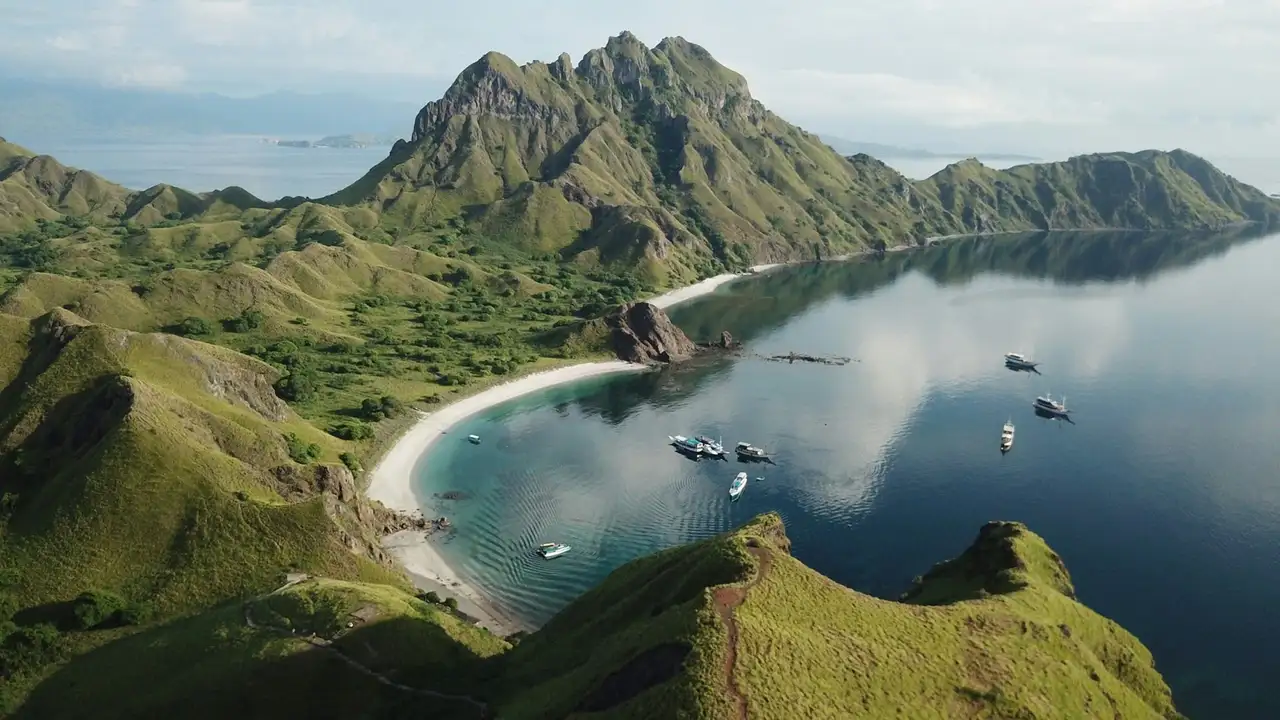
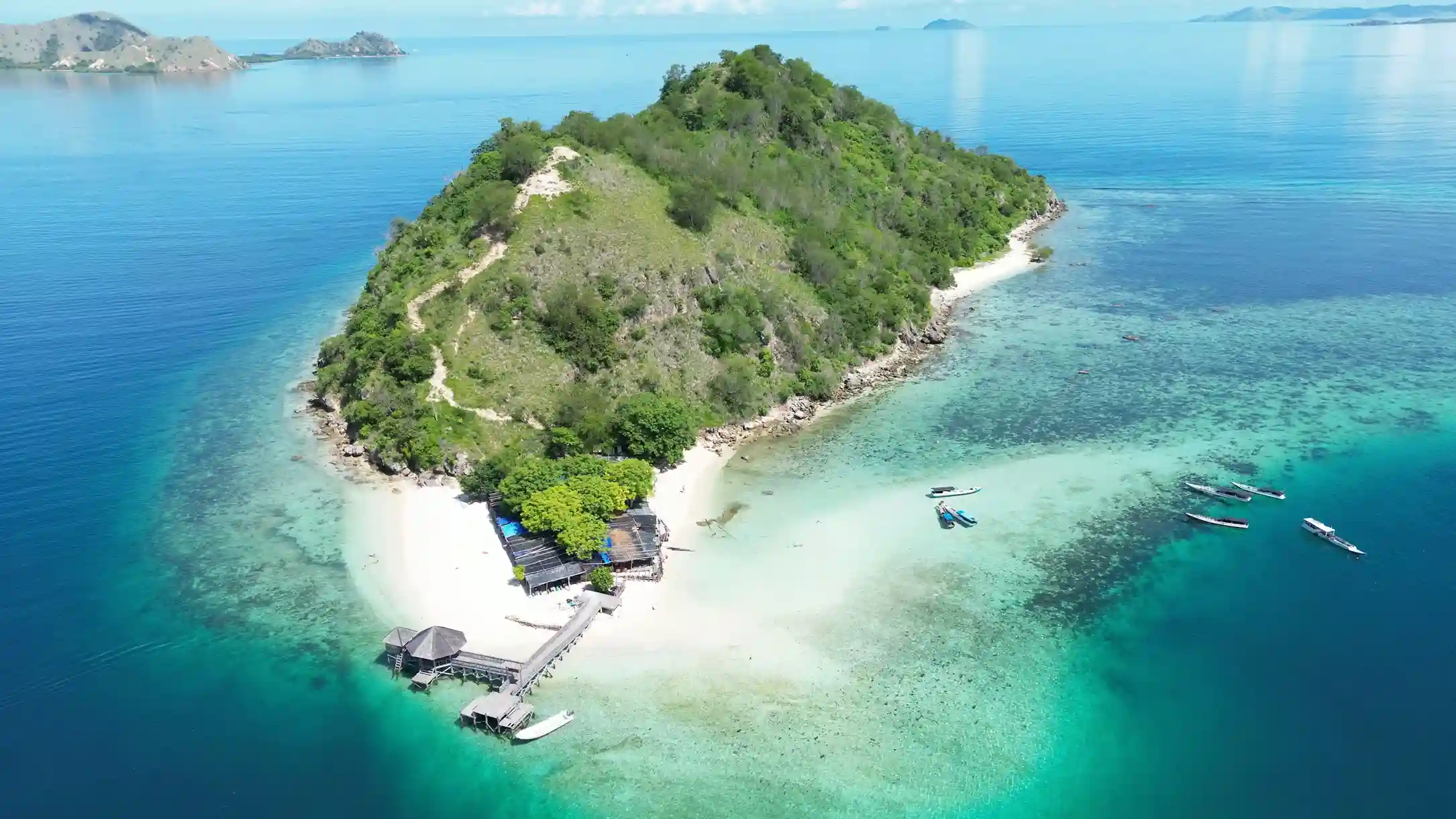
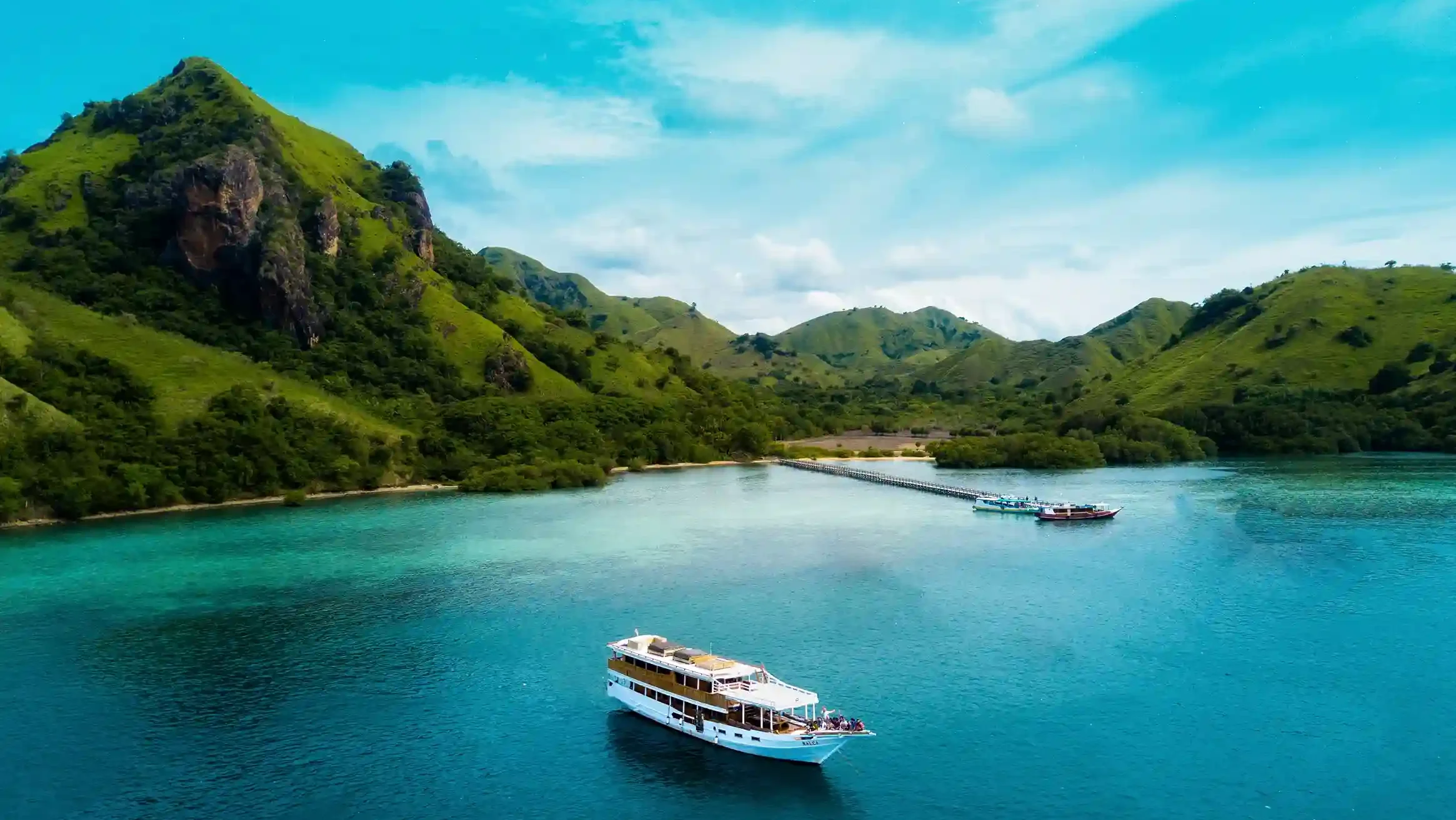
No, and this is the single most common mix-up in trip planning. Labuan Bajo is a town on Flores island, with an airport, a harbor, hotels, and restaurants — it is where you sleep and where your boat departs from. Komodo National Park is a separate protected area roughly 1–4 hours away by boat, made up of Komodo Island, Rinca Island, Padar Island, and dozens of smaller islets and dive sites. You cannot walk or drive to see a wild dragon from Labuan Bajo town; you have to book a boat into the park. When people say ‘Labuan Bajo Komodo,’ they mean the whole trip: fly to Labuan Bajo, then sail into the park.Administratively, both sit in West Manggarai Regency, East Nusa Tenggara (NTT) province. The national park itself was established in 1980 and was listed as a UNESCO World Heritage Site in 1991. Indonesia’s KSDAE conservation directorate publishes the park at 178,746.39 hectares — about 1,787 km²; the 1,733 km² figure quoted in many sources is the 173,300-hectare area set by decree SK 753/Menhut-II/2011 and carried into the World Heritage listing. On either figure, about two-thirds of the park is ocean. That marine majority is exactly why the park works as well for diving and snorkeling as it does for dragon trekking.
When Should You Go?
Indonesia’s Flores region runs on a monsoonal calendar: a dry season from roughly April to October (calmer seas, better visibility, the busiest months being July–September) and a wetter season from November to March (lower prices, greener landscapes, choppier crossings on some days). The short version: dry season for the most predictable sailing and diving conditions, shoulder months (April–May, September–October) for a balance of good weather and thinner crowds. Our month-by-month best time to visit guide breaks this down by activity — diving visibility, dragon activity, and crowd levels all shift slightly differently through the year.
How Do You Get to Labuan Bajo?
Almost everyone arrives by air into Komodo Airport (LBJ), with direct flights of roughly 1 hour 20 to 1 hour 35 minutes from Bali (Denpasar) and roughly 2 hours 20 to 2 hours 30 minutes direct from Jakarta, schedules varying by airline and season. There is no practical direct ferry route for most travelers from Bali; the flight is the standard route. Full details, including airport transfers and what to do if your flight is delayed (a real risk with this airport’s weather patterns), are in our getting-there guide.
What Does a Trip Actually Cost?
Two separate costs make up a Komodo trip: the government park fee, and your boat/tour cost. The park entrance fee (PNBP) under Government Regulation PP No. 36/2024 is a flat IDR 250,000 per foreign visitor per visit — one ticket for the park visit, not a charge that repeats each day (Indonesian citizens pay IDR 50,000 on regular days or IDR 75,000 on public holidays). Layered on top are a local guide fee (roughly IDR 150,000, typically shared across a group of 1–5 people) and a small conservation/dock retribution charge, bringing the practical total for a foreign visitor to somewhere around IDR 400,000–525,000 per visitor — not the IDR 700,000 sometimes quoted online, which traces back to a 2022 premium-tourism proposal for Komodo Island that was never implemented as the standard park entrance rate.Your boat cost is separate and depends entirely on the trip type: a shared open-trip liveaboard, a private day charter, or a multi-day private phinisi. Komodo Luxury’s Komodo boat tour packages and liveaboard fleet carry current, itemized pricing rather than a single number that would go stale the moment it was published here.
Is Komodo Safe to Visit?
Yes, for the vast majority of visitors who stay with a licensed ranger on marked trails and a reputable boat operator. The real risks are less dramatic than ‘dragon attack’ headlines suggest: sun exposure on shadeless hikes, sea conditions on smaller boats during shoulder-season swells, and the standard travel-health basics (drinking water, sun protection, motion sickness on longer crossings). Our safety and trust guide covers what to check before booking a boat, and rangers, permits, and quotas exist specifically to keep both visitors and the dragon population safe.
Booking Access: SiOra and the Daily Quota
Since April 2026, entry bookings for Komodo National Park run through the official SiOra system (siora.id). The park-wide daily visitor quota is 1,000 people, split across three entry sessions — this quota applies to the park as a whole, not to a single island like Padar. In practice, most travelers never interact with SiOra directly; a licensed tour operator handles permit booking as part of the trip package.
Choosing How You Travel
Three broad ways to do this trip, roughly in order of how much time they take:
- Day trip — depart and return to Labuan Bajo the same day; covers Rinca or Komodo Island plus one or two extra stops.
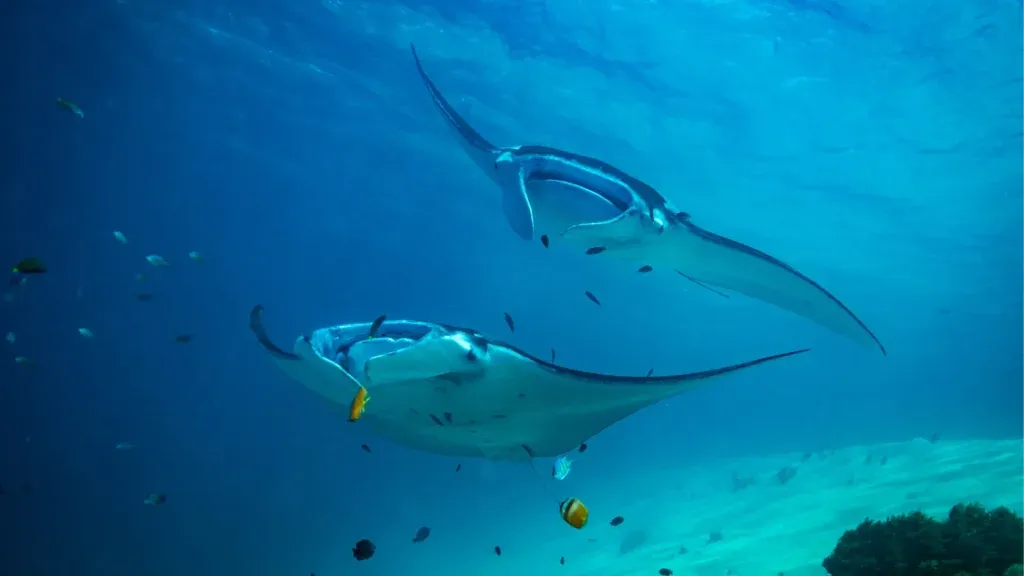
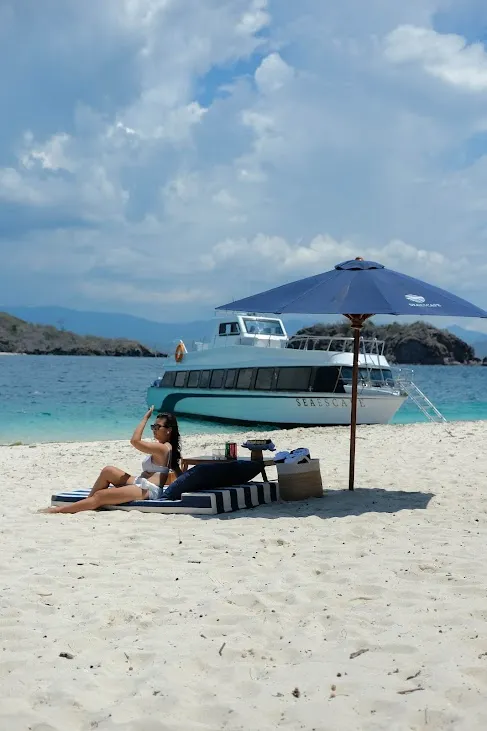
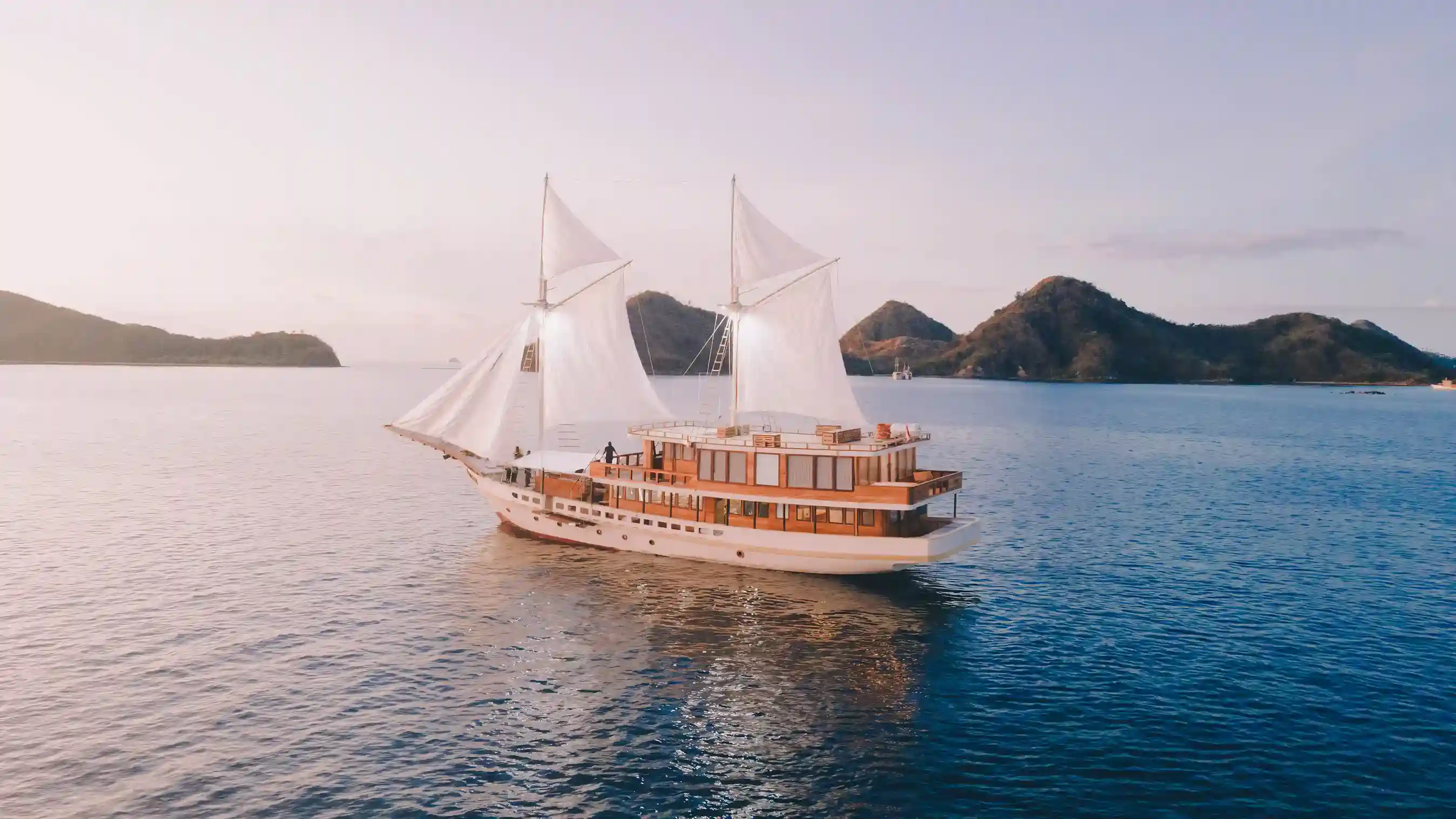
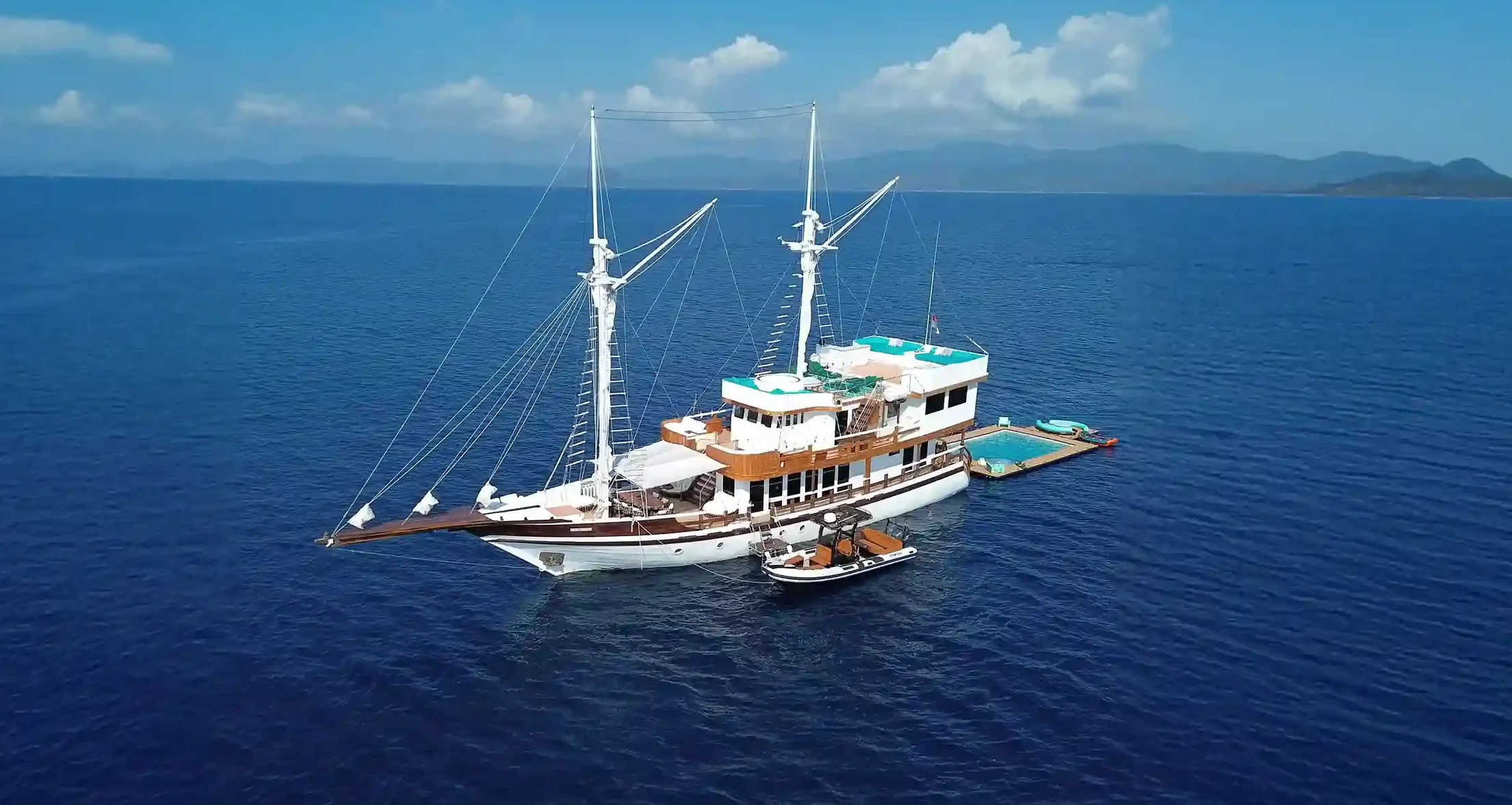
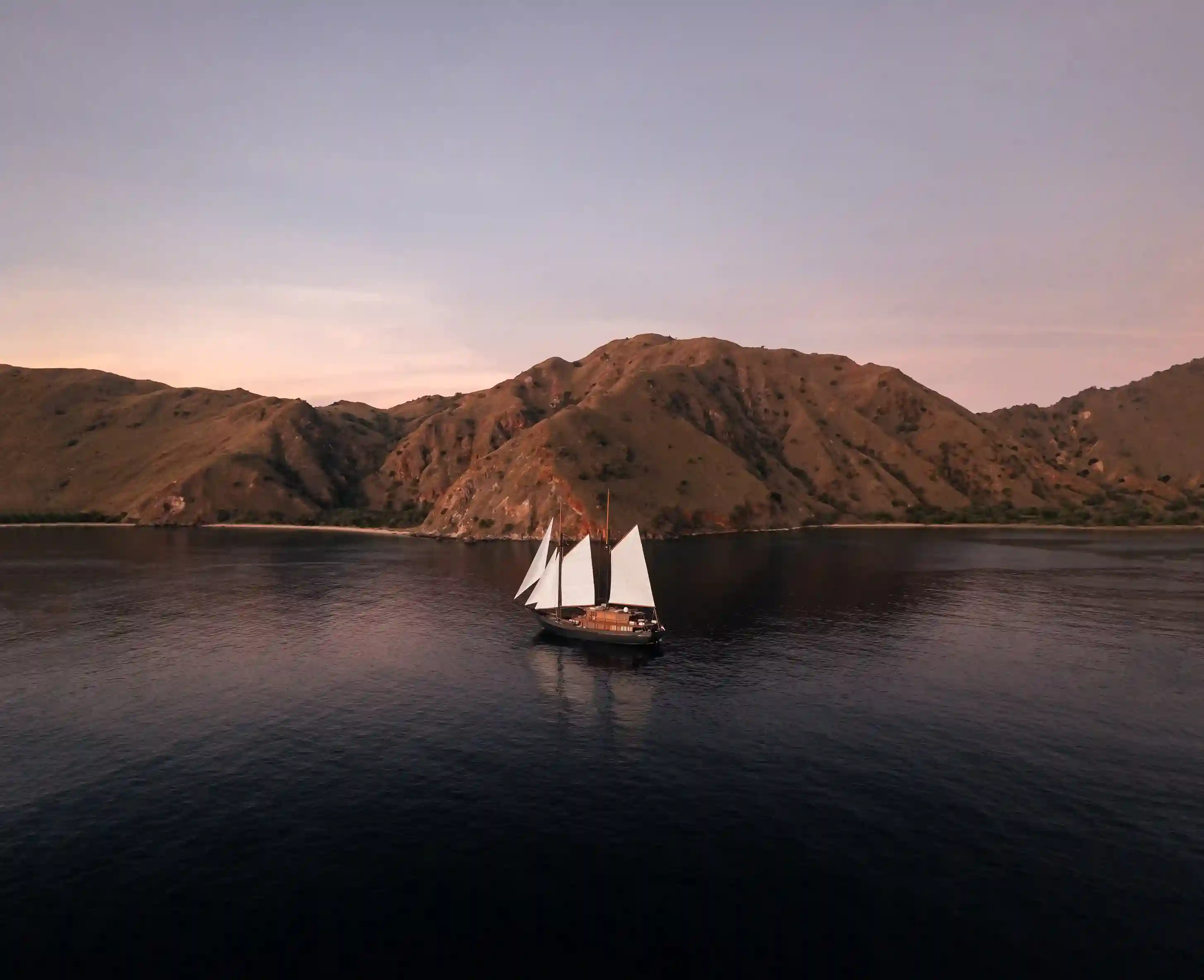
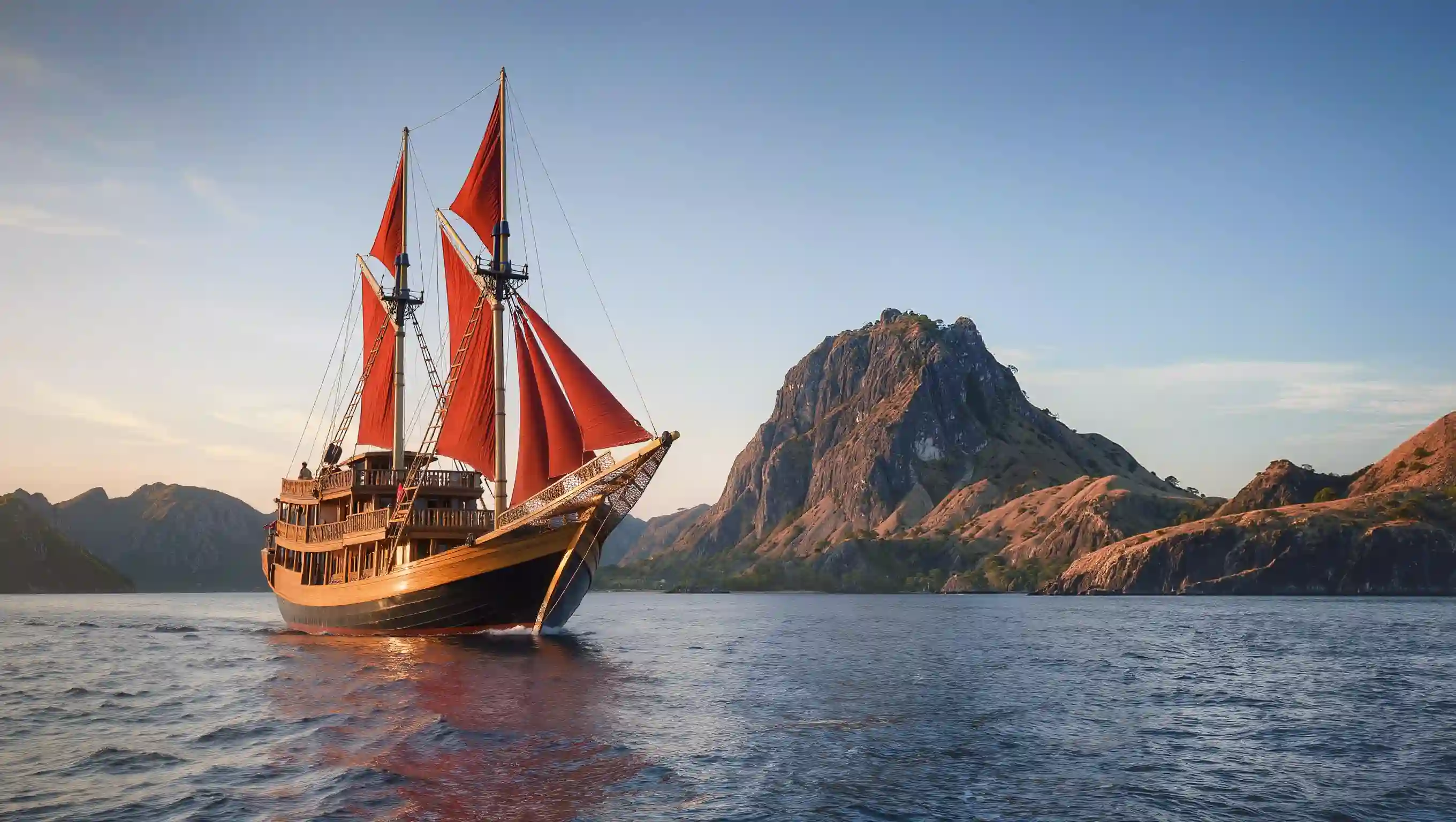
- Short liveaboard (2–4 days) — sleep aboard a phinisi, cover the core sites (Padar, Pink Beach, dragon island, Manta Point) without rushing. Our 4D3N package guide covers the standard route.
- Extended sailing (5–7+ days) — add remote islands, more diving, and sometimes a one-way route toward Sumbawa or Lombok.
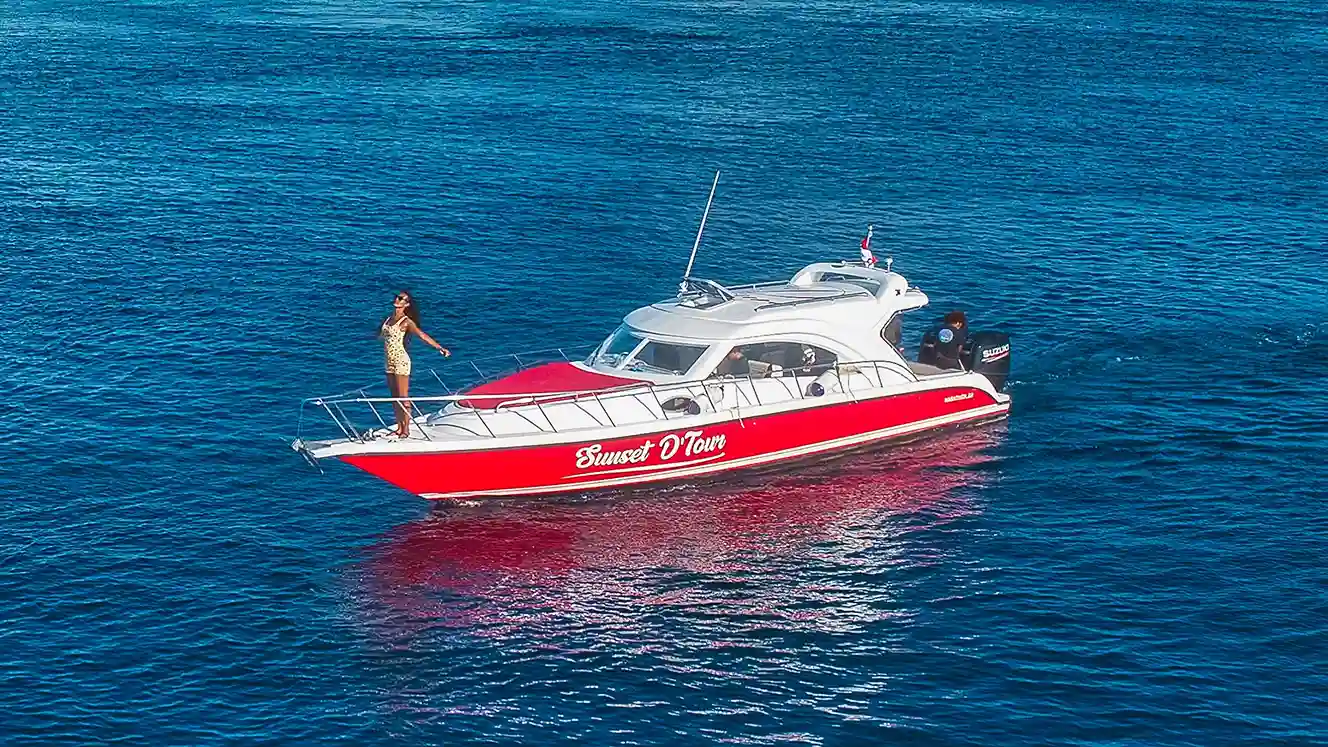
Every route above can run as a shared ‘open trip’ or a fully private charter through Komodo Luxury’s boat tour packages or sailing trip fleet, part of Juara Holding Group since 2015.
Planning for 2026–2027
Two practical shifts are worth flagging for anyone booking ahead: the SiOra permit system (above) is now the standard booking channel rather than a pilot, and July–September remains the tightest window for boat and flight availability because it overlaps Indonesian and international school holidays with peak dry-season conditions. If your dates are flexible, late September or early May tend to offer the best mix of weather and availability. We update the seasonal pages on this site as official figures change; treat any specific price or quota number as current only as of its stated check date, not indefinitely.
Who Is Labuan Bajo Komodo Actually For?
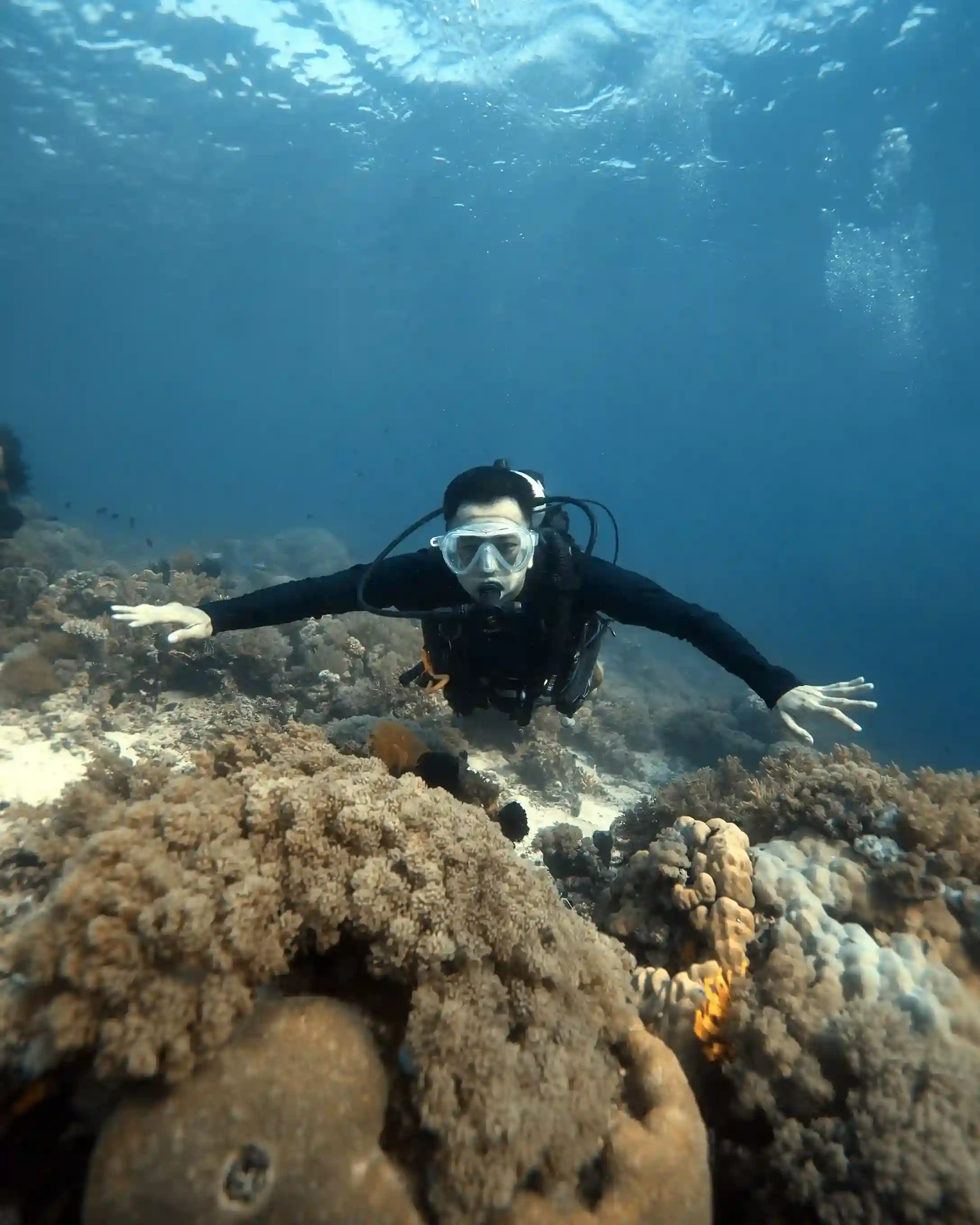
Three broad groups make up most travelers to this region. First, divers and snorkelers chasing Komodo’s specific mix of strong-current reef sites and manta encounters, often arriving as a dedicated dive trip rather than a general holiday. Second, wildlife and landscape travelers who want to see wild Komodo dragons and the Padar viewpoint as a bucket-list item, frequently combined with a Bali stay before or after. Third, couples and small groups looking for a boat-based trip that’s genuinely different from a resort holiday — sleeping aboard a phinisi, waking up anchored off a different island each morning. Almost every page on this site is written with one or more of these three trip types in mind, which is why our guides split by trip length, budget tier, and activity focus rather than offering one generic itinerary.
What Makes Komodo National Park Ecologically Distinct
Komodo National Park isn’t just a wildlife park with dragons; it sits at a genuine biogeographic transition zone known as the Wallace Line, where Asian and Australian species distributions meet and overlap, producing an unusually distinct mix of flora and fauna for its size. The park’s terrestrial and marine environments are managed together rather than separately, which is part of why boat operators, dive guides, and park rangers all operate under the same conservation framework — a diver disturbing a reef and a hiker leaving the marked trail on Padar are treated as the same category of concern, not separate issues. This integrated approach is also why the UNESCO listing covers the whole park rather than just the dragon population specifically.
Understanding the Region’s Geography Before You Book
Flores is a long, narrow, mountainous island, and Labuan Bajo sits right at its western tip — meaning almost nothing else on Flores is a short trip from the harbor town. Travelers hoping to combine a Komodo boat trip with, say, Kelimutu’s colored crater lakes in central Flores should know that’s a multi-hour drive or a separate short flight away, not a day-trip add-on. This geography is exactly why most Labuan Bajo Komodo trips are boat-centric rather than road-trip-centric: the national park itself, reachable only by water, is the destination, while the rest of Flores requires a genuinely separate leg of travel most visitors don’t attempt on the same trip.
A Short History of How This Region Became a Travel Destination
Komodo dragons were only formally documented by Western science in the early 20th century, after reports of ‘land crocodiles’ on Flores reached colonial-era naturalists. Local Manggarai and Bajo communities, whose descendants still live in and around the park today, had of course known of the animals long before that. Protection status followed decades later, culminating in the park’s 1980 establishment and 1991 UNESCO listing, which together shifted the region from a remote, little-visited corner of eastern Indonesia into a globally recognized conservation and travel destination. Labuan Bajo’s growth from a small fishing harbor into today’s tourism gateway has largely tracked this same timeline — the town exists in its current form specifically because of the park it serves.
What First-Time Visitors Consistently Underestimate
Three things surprise first-time visitors more than anything else: how much of the experience is genuinely boat-based rather than land-based (many arrive expecting a more conventional island-hopping trip with hotel stays between stops), how physically real the sun exposure is on shadeless hikes like Padar, and how limited connectivity becomes once you’re a few hours from Labuan Bajo by boat. None of these are drawbacks exactly — they’re simply different from a standard beach holiday, and worth knowing before you commit to a specific trip length.
A Note on How to Use This Site
Each guide linked from this hub is written to stand on its own — if you only ever read the best-time guide and the entrance fees page, you’ll have what you need to plan a competent trip. The interconnected structure exists for travelers who want to go deeper on a specific concern (safety, packing, a particular trip length) rather than as a requirement to read every page before booking anything.
How to plan 2027 trips, turtles and mangroves
If you are watching prices for a Labuan Bajo Komodo tour promo in 2027, start by deciding the season before you chase discounts. July and August usually sell out first, so meaningful offers tend to appear for shoulder months such as April, May, September and October rather than the absolute peak weeks.Most discounted places are on fixed-date shared boats. You trade flexibility for a lower per-person cost, but still pay park entry on top. The practical park outlay for foreign visitors stays roughly IDR 400,000–525,000 per person per visit, so a cheap headline fare does not remove those core charges.For occasional promo departures, many operators announce them close to departure when boats are not full. If you want those, keep your schedule loose, fly into Labuan Bajo, then ask several agencies in town for last-minute space instead of prepaying months ahead.
Where to see turtles in Komodo National Park
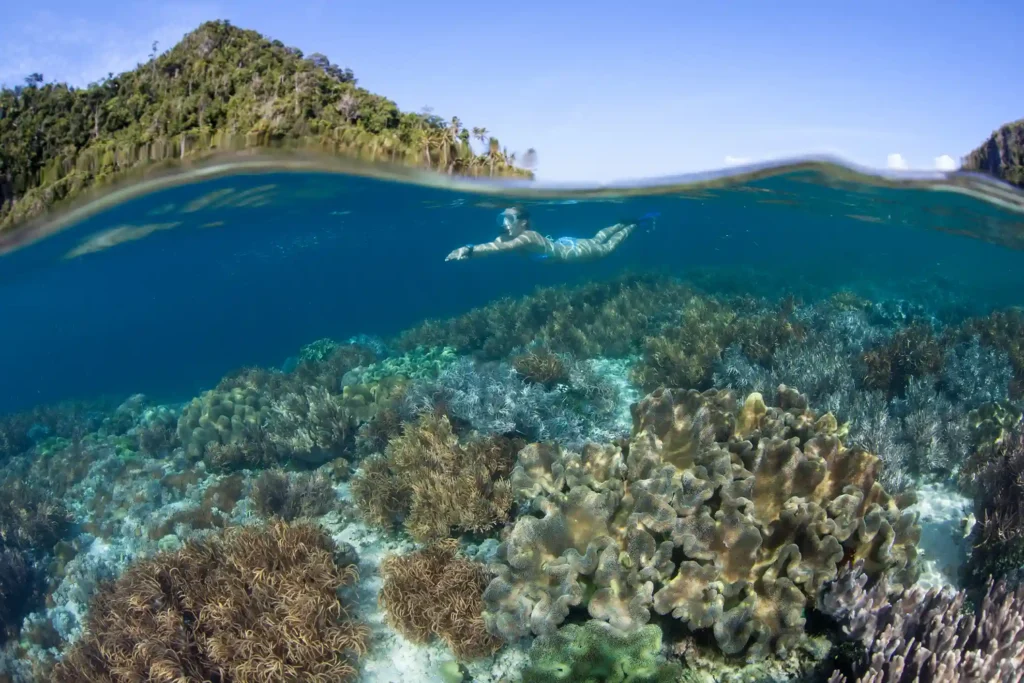
Sea turtles are common on several reefs in central Komodo. You are most likely to see them on calm fringing reefs with healthy seagrass or coral slopes. Guides know which bays are active that week and will adjust snorkel stops if you explain turtles are a priority.Carry a simple surface marker (your guide may provide one) and stay close to the group, since the best turtle encounters often happen in areas with mild current. Good buoyancy and quiet kicking matter more than depth; most turtles are near the surface when they come up to breathe.Seeing coastal mangroves in East Nusa Tenggara
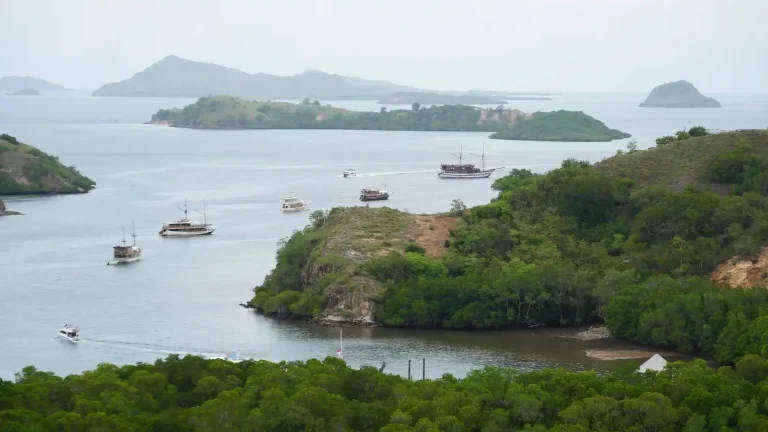
The coastal mangroves east of Labuan Bajo form long, low shorelines and small islands that you usually pass during standard boat itineraries. Ask your operator specifically to add a short stop. You can often combine a calm mangrove channel visit with snorkelling on a nearby reef in the same half day.Mangroves are best visited on higher tides, when boats can nose closer to the roots. Expect simple conditions rather than boardwalks or visitor centres. Wear light clothing that can get splashed, and use reef-safe sunscreen so run-off does not harm the nurseries where juvenile fish and invertebrates shelter.
Wildlife & islands
Can you see Komodo dragons in the wild without a tour?
No. All access to Komodo and Rinca Islands requires a licensed park ranger guide walking a fixed trail; independent, unguided visits are not permitted for safety and conservation reasons.
Where can you see Komodo dragons in the wild near Labuan Bajo?
Komodo dragons can be seen in the wild on Komodo Island and Rinca Island, both located within Komodo National Park. These are the only places in the world where you can observe them in their natural habitat. Since April 1, 2026, advance online reservations via siora.id are required for visits to Komodo and Padar islands.
Are pink beaches in Komodo National Park real?
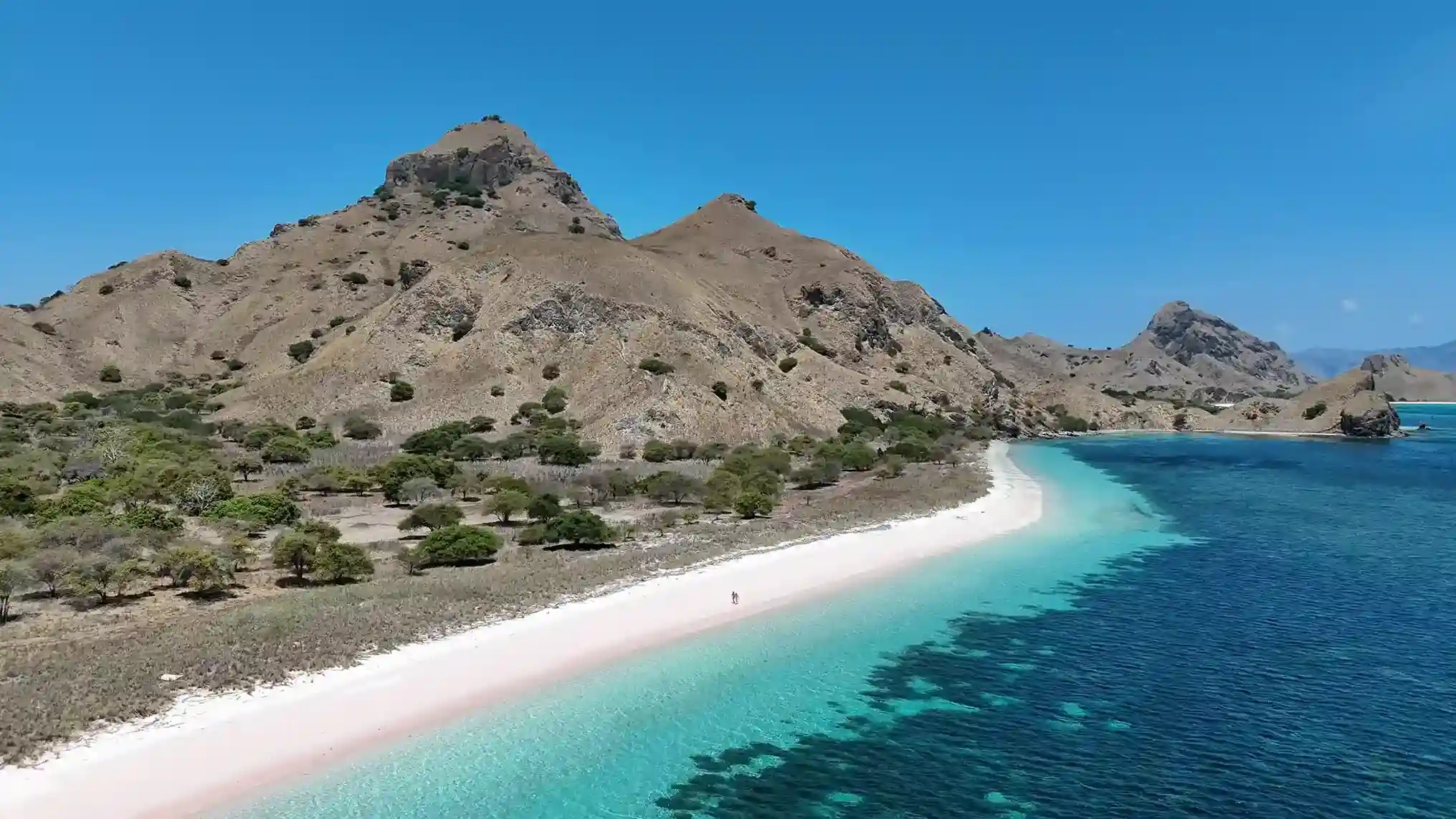
Yes, the pink beaches in Komodo National Park are very real and a genuine natural phenomenon. Their unique hue comes from microscopic red foraminifera organisms that grow on coral reefs, which then mix with white sand when washed ashore. Komodo Island’s Pink Beach (Pantai Merah) is the most famous example.
Where are the best chances to see turtles during a Komodo trip?
You will usually meet turtles on calm fringing reefs with healthy coral or seagrass in the central part of Komodo National Park. Guides know current hotspots and can tweak snorkel stops if you tell them early that turtles are important to you. Stay relaxed in the water and keep movements gentle so turtles do not spook.
Can I visit coastal mangroves in East Nusa Tenggara on a Komodo itinerary?
Yes. Many boat routes naturally pass mangrove-lined shores and islands. You rarely find formal boardwalks, but you can ask your operator for a short stop in a sheltered channel, often combined with a nearby snorkel. Timing works best around higher tides, when boats can approach closer to the trees without grounding.