In short
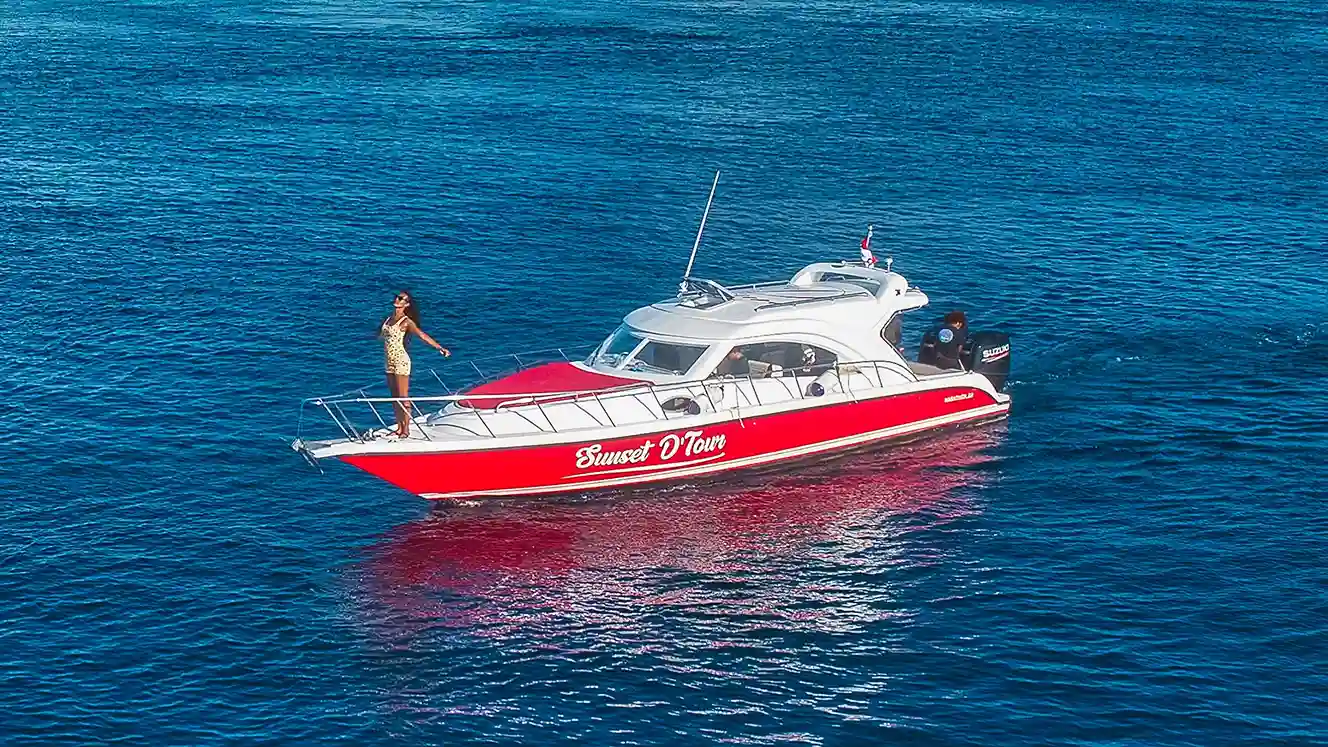
Liveaboard cabins range from shared bunk-style rooms on budget open-trip boats to private ensuite cabins on mid-range boats, up to full luxury suites with air conditioning and private decks on premium phinisi. Boat size also affects the ride: larger, more stable vessels handle the open crossings between islands more comfortably than smaller boats, which matters if you or anyone in your group is prone to seasickness. If cabin privacy and comfort matter more to your trip than budget, say so when booking — the difference between a shared open-trip cabin and a private suite is one of the biggest variables in what a Komodo liveaboard actually feels like day to day.

A Komodo liveaboard is a multi-day phinisi sailing where you sleep aboard between island stops, typically running 2 to 11 nights, combining Komodo dragon treks, Padar's viewpoint, and reef snorkeling or diving in one continuous itinerary.
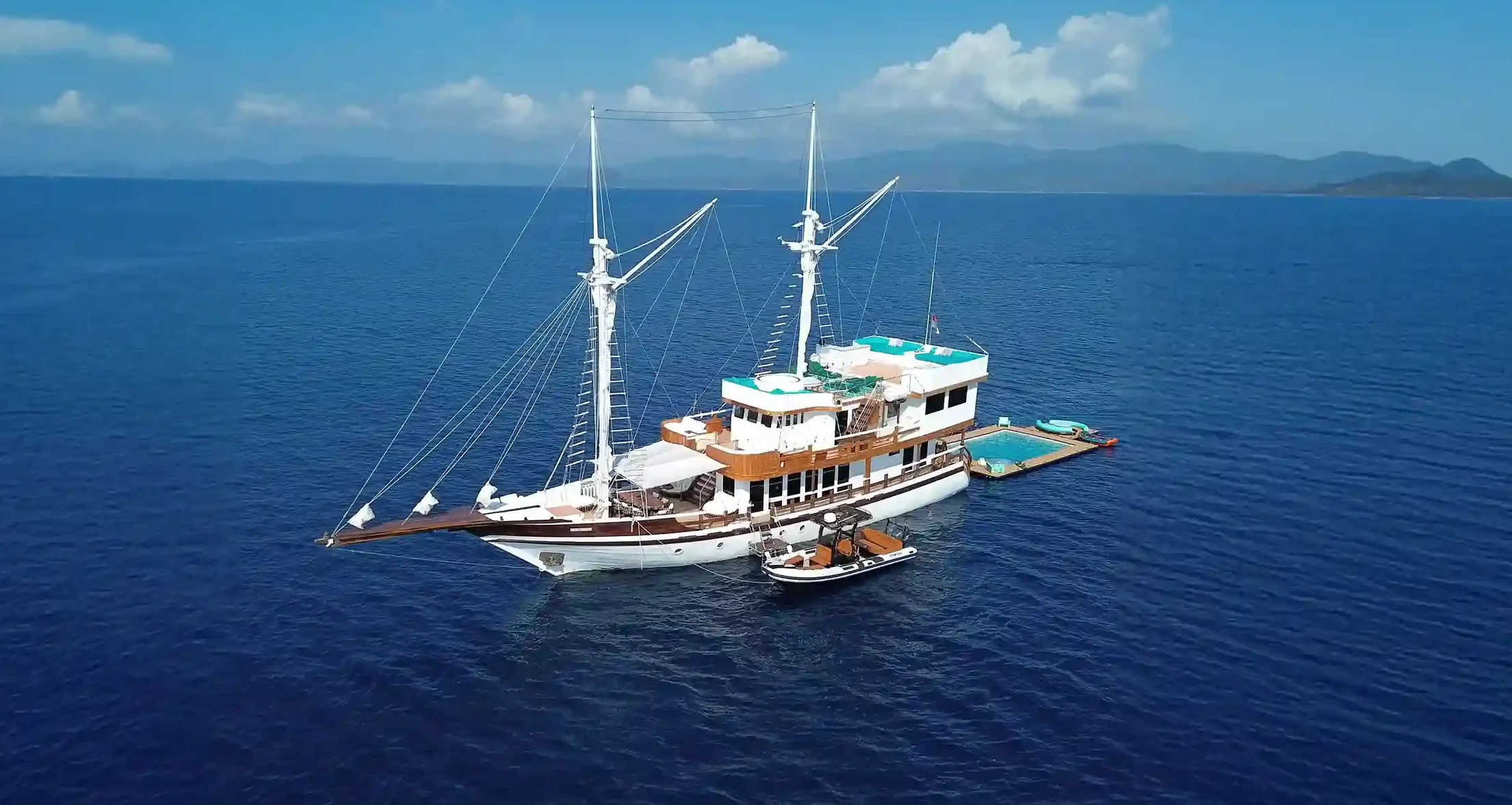
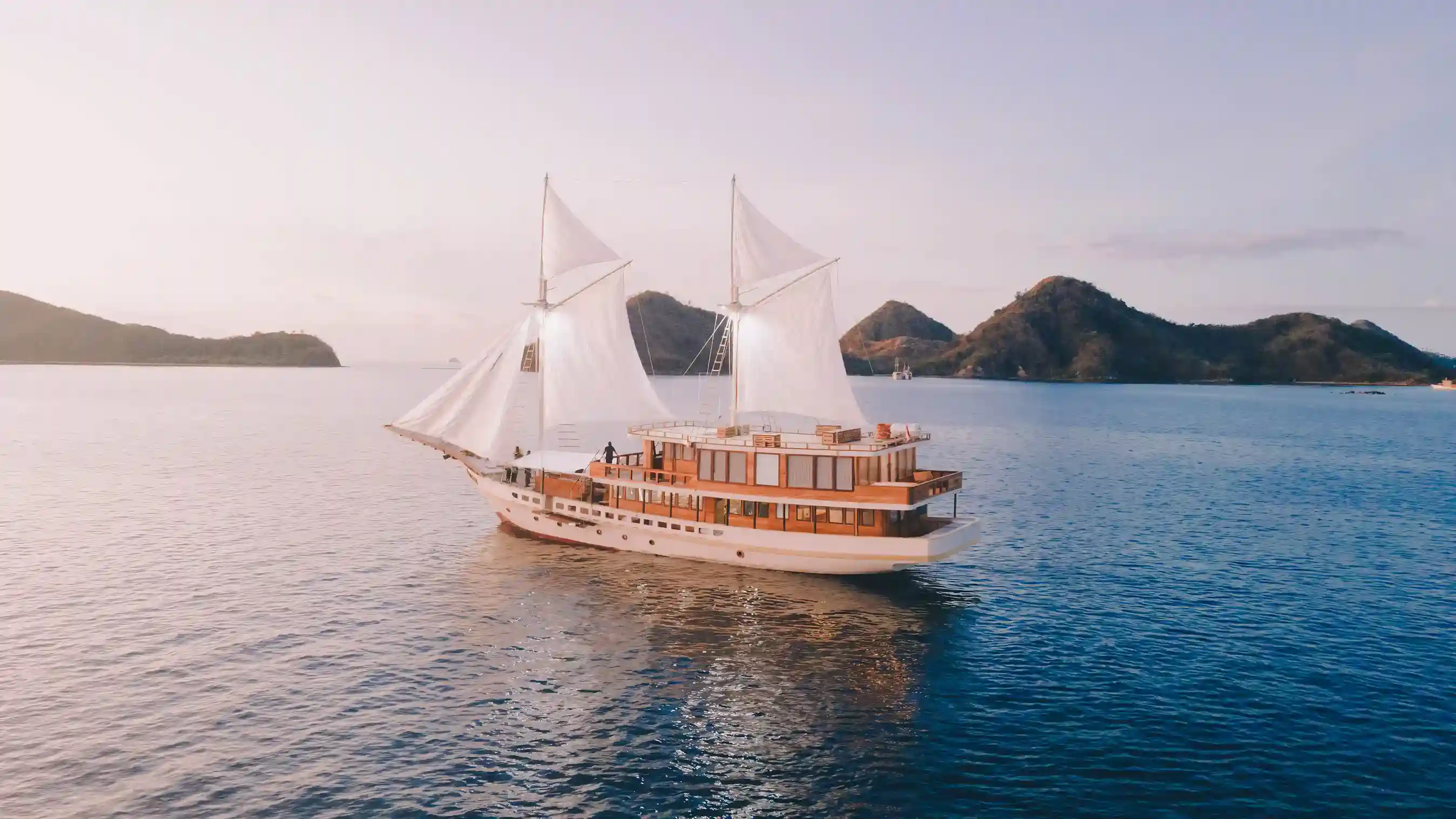
A liveaboard trades hotel-hopping for one continuous journey by phinisi, the traditional Indonesian wooden sailing vessel now built in modern versions for tourism, ranging from simple shared-cabin boats to fully crewed luxury charters. For Komodo National Park specifically, a liveaboard's real advantage is time efficiency: instead of day-tripping back to Labuan Bajo harbor each evening, you sleep at anchor near the next morning's landing point, which is what makes routes covering Komodo Island, Rinca, Padar, and multiple dive or snorkel sites workable inside a realistic number of days.
How long should a Komodo liveaboard be?
| Duration | Typical coverage | Best for |
|---|---|---|
| 2D1N | Padar, one dragon island, one snorkel stop | Short trips, first-time visitors on a tight schedule |
| 3D2N – 4D3N | Both dragon islands, Padar, Pink Beach, 2–3 dive/snorkel sites | The most-booked range — comfortable pace without a long time commitment |
| 5D4N – 7D6N | Full park loop plus Kalong Island, Manta Point, extended diving | Divers and travelers wanting a slower, fuller itinerary |
| 9D8N – 11D10N | Extended one-way routes, e.g. Komodo to Sumbawa | Travelers combining Komodo with a wider Indonesia sailing route |
Our full day-by-day breakdowns for the most-booked lengths are on our 3-Day Labuan Bajo Komodo Itinerary guide, 5-Day Labuan Bajo Komodo Itinerary guide, and 7-day itinerary pages, plus a shorter 2-day format if your schedule is tighter still.
What’s included on a typical liveaboard
- Accommodation aboard for every night of the sailing, in a cabin class matched to the boat you book
- All meals prepared by the boat’s onboard cook, typically a mix of Indonesian and Western dishes
- Park entrance fees, ranger-guide fees, and SiOra registration for scheduled landing days
- Snorkeling equipment (mask, fins, sometimes a life jacket) for reef stops
- Crew, captain, and — on itineraries that include it — a dedicated dive guide
What’s typically not included: alcoholic drinks, scuba equipment rental and dive certification courses beyond what’s specified, travel insurance, and your own flights to and from Labuan Bajo. Confirm the exact inclusion list against your specific quote — this varies by operator and boat class, which is exactly why comparing two quotes line-by-line matters more than comparing headline prices alone.
Cabin types and vessel classes
Liveaboard cabins range from shared bunk-style rooms on budget open-trip boats to private ensuite cabins on mid-range boats, up to full luxury suites with air conditioning and private decks on premium phinisi. Boat size also affects the ride: larger, more stable vessels handle the open crossings between islands more comfortably than smaller boats, which matters if you or anyone in your group is prone to seasickness. If cabin privacy and comfort matter more to your trip than budget, say so when booking — the difference between a shared open-trip cabin and a private suite is one of the biggest variables in what a Komodo liveaboard actually feels like day to day.

Route options — Komodo loop vs one-way
Most liveaboards run a round-trip loop departing and returning to Labuan Bajo harbor, covering Komodo, Rinca, and Padar plus dive or snorkel stops without changing your flight logistics. Longer one-way itineraries — Komodo to Sumbawa, for instance — extend the sailing beyond the national park itself, ending at a different port and requiring a different return flight. One-way routes suit travelers building a longer Indonesia itinerary rather than a focused Komodo-only trip.
Open-trip vs private charter
An open-trip liveaboard shares the boat with other travelers on a fixed departure date at a lower price point — a good fit if your dates are flexible and you’re comfortable with a shared itinerary and shared cabin in some cases. A private charter locks the entire boat, route, and pace to your own group, which matters for families with young children, honeymooners, or groups with specific dive or photography priorities that a shared schedule can’t accommodate. See our Private Komodo Charter vs Shared Tour guide for a fuller breakdown of which suits your trip.
Diving on a Komodo liveaboard
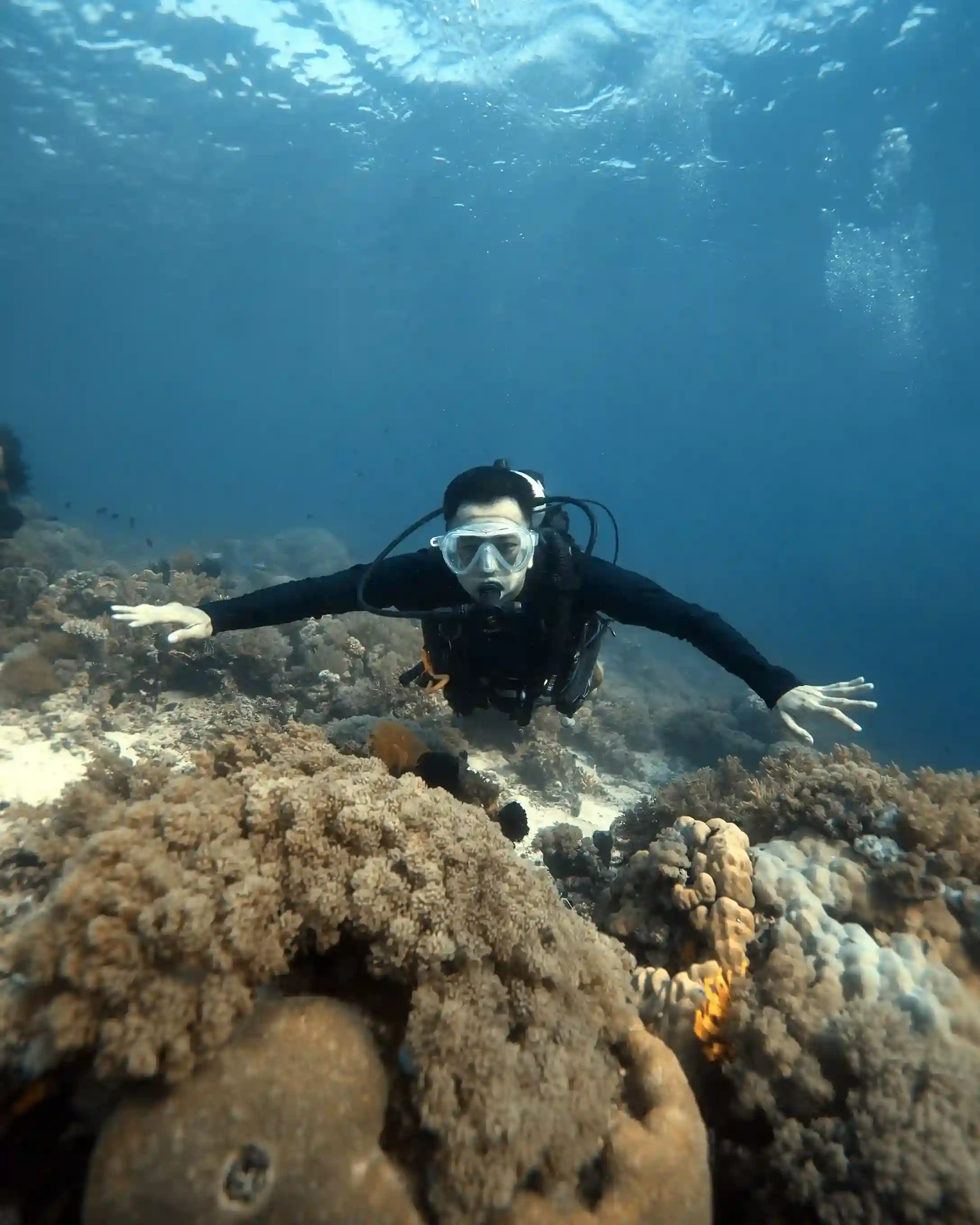
Komodo’s dive sites — Manta Point, Batu Bolong, Castle Rock among the best known — are a major reason divers choose a liveaboard over a shorter day-trip, since multiple dive sites are only realistically reachable across several days aboard. Currents at several of these sites are genuinely strong; confirm your certification level and logged dive count with your operator before booking a dive-focused itinerary, since not every Komodo dive site suits an open-water-level diver on a bad-current day.
When to book and best sailing months
Dry season, roughly April through October, gives the calmest seas and most reliable conditions for both trekking and diving; peak months (July–August) fill the most popular boats and dates fastest, so booking several weeks to a few months ahead is sensible if your travel dates are fixed. Shoulder months (May–June, September) often offer similarly good conditions with more availability. Current pricing and departure calendars are kept up to date by Komodo Luxury on the Komodo Luxury liveaboard page, checked August 2026.
A sample 4D3N liveaboard structure
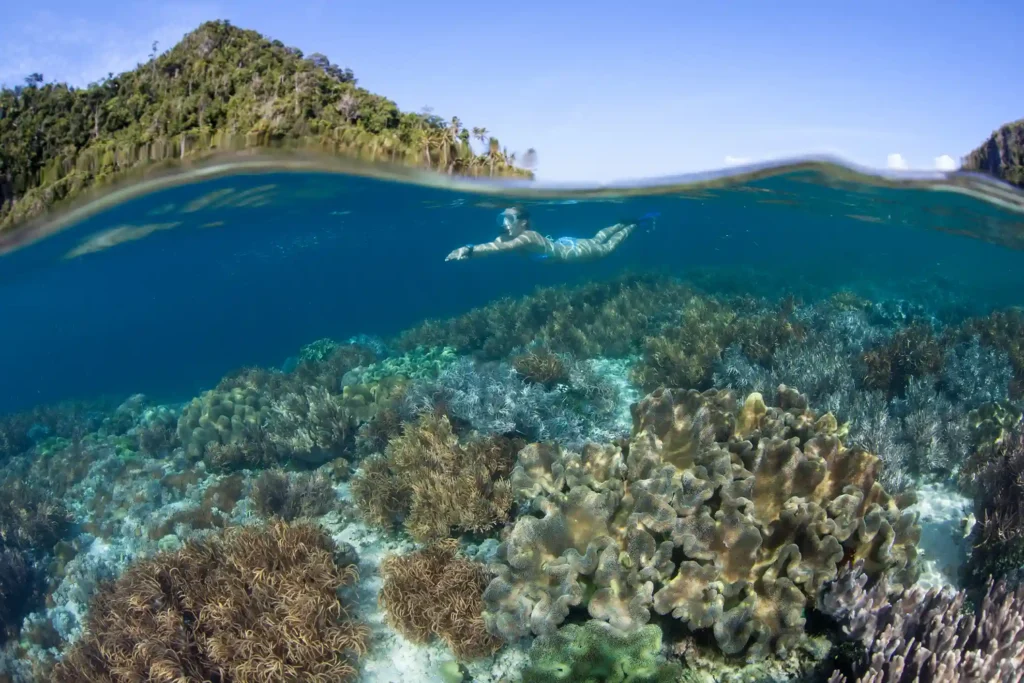
While exact routing shifts with weather and which anchorages your captain favors, a typical 4D3N liveaboard runs roughly: Day 1 departure and an afternoon stop at Rinca or Kelor; Day 2 a full day covering Komodo Island’s dragon trek and Pink Beach; Day 3 Padar’s sunrise climb followed by Manta Point or another dive/snorkel site; Day 4 a final snorkel stop and return sail to Labuan Bajo. This structure front-loads the dragon trek and Padar climb into daylight hours with the best light and coolest temperatures, and leaves the return day lighter for a relaxed final morning.
Food and dietary requirements aboard
Meals are prepared fresh aboard by the boat’s cook, typically a mix of Indonesian dishes (grilled fish, rice, vegetables, sambal) and simpler Western options like pasta or sandwiches. Vegetarian, vegan, halal, and most common allergy requirements can usually be accommodated if you flag them at booking rather than on the day — cabin galleys on smaller phinisi have limited storage, so advance notice genuinely helps the crew plan provisions for a multi-day sailing rather than improvising mid-trip.
Connectivity and charging aboard
Mobile signal is patchy to nonexistent once you’re away from Labuan Bajo and Komodo’s more populated anchorages — treat a multi-day liveaboard as a genuine break from constant connectivity rather than expecting reliable data at every stop. Charging outlets aboard are typically limited to common areas or cabins depending on the boat’s power setup, so bring a portable power bank for cameras and phones rather than relying on unlimited outlet access throughout the day.
How to choose between liveaboard operators
Beyond price and cabin class, ask about the specific route and which islands and dive sites are actually scheduled versus optional depending on weather, what’s included versus charged as an extra, and the boat’s safety documentation — see our boat vetting criteria page for the specific questions worth asking any operator. A detailed, specific answer to a routing or safety question is a far better signal than a glossy photo gallery alone.
Short liveaboards, women-only trips and Batu Cermin
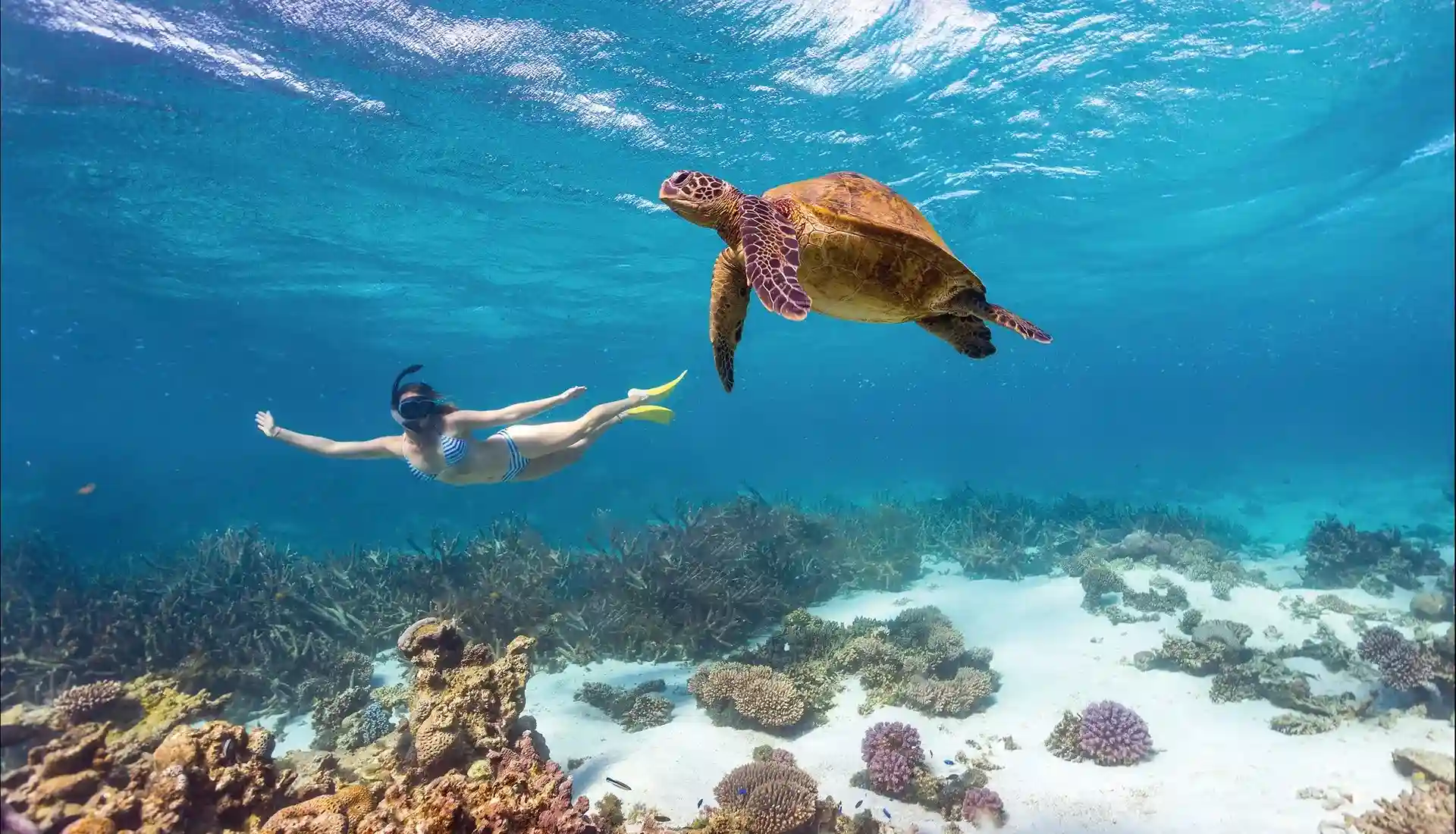
If you only have 2 days and 1 night, focus on a compact loop east and north of Labuan Bajo. A practical route is an early departure to Padar for the hike, then a snorkel stop around pink-sand bays and overnight near manta spots. On day two, visit Komodo or Rinca for the dragon walk, then finish with one last snorkel before returning mid-afternoon.
For a weekend-style 2D1N plan, ask operators which sites they realistically reach in that time. Strong currents and the daily park quota can affect the order of visits. Confirm in advance whether your trip actually includes a Komodo or Rinca trek, or only island viewpoints and snorkelling.
Some companies organise women-only open trips, usually on fixed dates a few times per year rather than every week. These departures often prioritise smaller group sizes and more shared cabins reserved for solo female travellers. If this appeals to you, start asking at least a couple of months ahead so you can align your dates with a confirmed departure.
Shared trips in general tend to run on regular weekly schedules in high season and less frequently in the wet months. Departure patterns change, so treat any advertised “every weekend” wording as a guideline only. Always ask the operator which dates are already guaranteed to sail based on minimum numbers, especially if you are targeting next month.
Handling bad open-trip experiences
If you have had a poor experience on a shared boat, write down concrete points: safety issues, misleading itineraries, maintenance problems, or food and cabin standards that did not match the description. Share these details directly with the operator first, then in reviews, so future guests can judge whether the issues were one-off or systemic.
Visiting Batu Cermin from Labuan Bajo
Batu Cermin is a short drive inland from central Labuan Bajo. From town you can take a motorbike taxi or hire a car and driver for a quick round trip. The walk from the parking area to the cave entrance is brief but can be hot, so bring water and decent footwear.
A local guide on site usually leads small groups along the path into the cave, where you may need to duck and squeeze through narrow sections. A torch is essential; most guides carry one, although having your own makes photography easier. Try to visit in the morning when the sun is higher and the rock reflects more light into the cave.
Book with Komodo Luxury
Choose from open-trip departures or a private phinisi charter, with park fees, meals, and crew included in one all-in price.
Updated: August 29, 2026 · Originally published: August 25, 2026