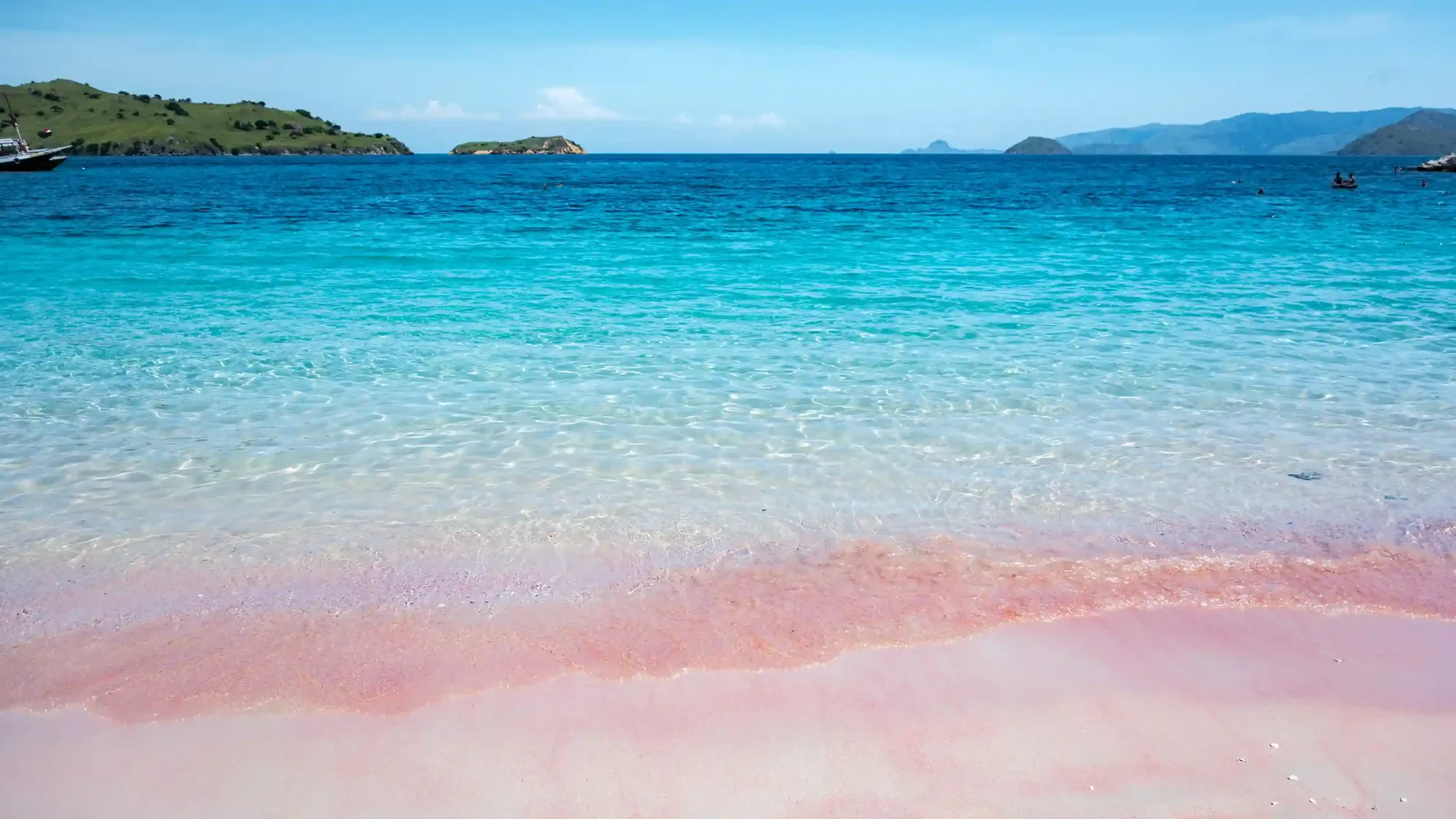
Pink Beach’s coral-tinted sand comes from crushed red foraminifera mixed into white sand — it’s a calm, shallow swim and snorkel spot most of the year, with drone flying subject to the same park-wide restrictions near ranger areas and other visitors.
Pink Beach is one of only a handful of pink-sand beaches in the world, and Komodo National Park’s version is a near-mandatory stop on almost every itinerary — a calm bay with genuinely distinctive sand color and generally easy swimming and snorkeling conditions, plus a spot where drone rules have tightened in recent years.
Why is the sand pink?
The pink tint comes from fragments of red coral, broken down by wave action and mixed with white sand — specifically, microscopic marine organisms called foraminifera that have reddish shells contribute much of the color when their remains mix into the sediment. The effect is most visible in contrast against the turquoise water and shows up more clearly in photos taken in soft, low-angle light rather than the flat glare of midday sun.
Swimming and snorkeling conditions
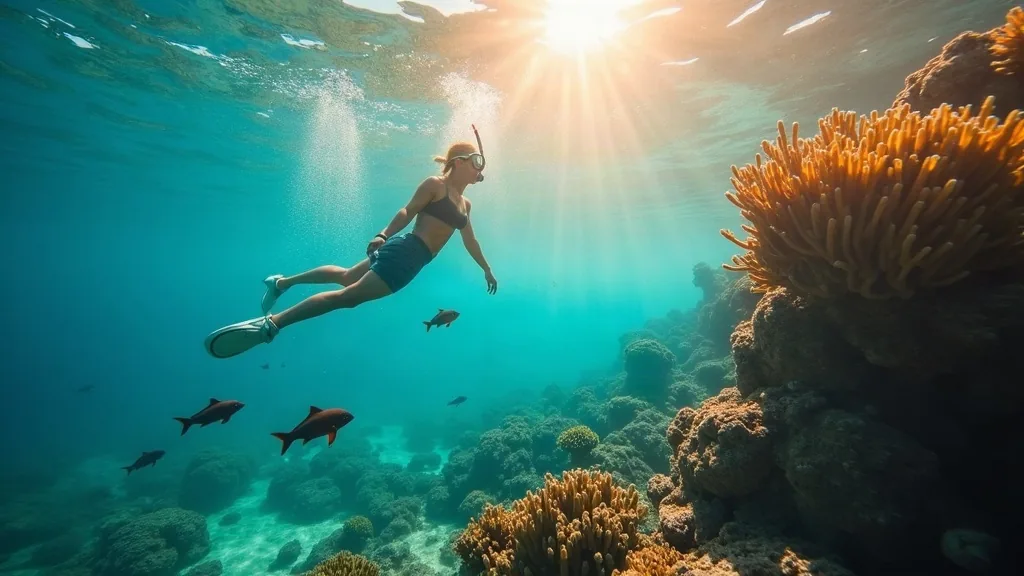
Pink Beach’s bay is generally calm and shallow near shore, making it one of the more approachable snorkel stops on a Komodo itinerary for less confident swimmers, though conditions can shift with tide and season like any open-water site — always follow your guide’s briefing rather than assuming it’s calm everywhere in the bay. Coral and reef fish are visible just off the beach in the shallows, with healthier, more varied reef structure typically a short swim or short boat-tender ride further out. Life jackets are available for anyone not comfortable swimming unassisted, and crew typically stay close to the group.
Best time to visit Pink Beach
Morning visits generally mean calmer water and softer light for photos, before the day’s boat traffic builds and before midday sun flattens the color contrast that makes the beach distinctive. Dry season months (roughly April through October) bring the most reliably calm conditions for swimming and snorkeling; wetter months can bring choppier water and lower visibility on any given day.
Drone rules at Pink Beach
Recreational drone flying at Pink Beach sits under the same park-wide framework covered on our photo spots and drone guide: any drone flight, recreational or commercial, needs an advance permit from the park office, and you should still clear the flight with your guide on the day, since enforcement and local courtesy expectations can vary depending on how many other boats and groups are at the beach when you arrive. A drone buzzing over a crowded beach disrupts other visitors’ experience regardless of the formal rule — check with your guide and be considerate of other groups before launching.
What to bring for a Pink Beach stop
- Reef-safe sunscreen — the beach itself offers little to no natural shade
- A rash guard or light long sleeves for extended snorkeling sun protection
- A dry bag for phones and cameras during the tender transfer to shore
- Water shoes or sandals if you’re sensitive to walking on coral-fragment sand, which can be coarser underfoot than typical fine white sand
Is Pink Beach included in standard Komodo itineraries?
Yes — it’s one of the most consistently included stops across day-trip and multi-day itineraries alike, from a single-day speedboat tour to a full 7-day liveaboard. It pairs naturally with a Rinca or Komodo Island dragon trek and a Padar viewpoint climb on the same day for shorter trips, since the three sit relatively close together within the park.
How Pink Beach compares to other Komodo beaches
Komodo National Park has several beaches with genuinely appealing sand and water, but Pink Beach’s coral-derived color is the one that photographs and reads as distinctly different from a typical tropical beach — most other stops in the park, however scenic, are standard white or pale-gold sand. This is part of why it remains a near-universal inclusion on itineraries regardless of operator or boat class, rather than a stop that only some routes bother with.
Fees and permits
Pink Beach sits within Komodo National Park boundaries, so the same PP No. 36/2024 entrance fee and SiOra registration requirements apply as any other landing point inside the park — see our Komodo National Park Entrance Fee 2026 guide for the current figures. Most bundled boat packages, including ours, include this in the all-in price rather than charging it separately on the day.
Getting to Pink Beach from Labuan Bajo
Pink Beach sits within the national park, reachable only by boat rather than any road access — there’s no independent way to visit without a charter or day-trip departure from Labuan Bajo harbor. It’s commonly combined with a Komodo or Rinca dragon trek and a Padar climb on the same multi-stop day, rather than visited as a single standalone destination.
However your itinerary is structured, budget enough time at Pink Beach to actually enjoy it rather than treating it as a rushed photo stop between bigger-ticket activities.
Arrive early, bring sun protection, and Pink Beach tends to deliver exactly the distinctive stop most visitors come to Komodo hoping to see. It’s a stop most visitors remember long after the rest of the trip has faded. Whether it’s your first or fifth visit to Komodo National Park, Pink Beach tends to earn its reputation as one of the trip’s genuine highlights rather than just another stop on the itinerary.
Combining Pink Beach with Cunca Wulang and Rangko Cave
If you have a spare land day around Labuan Bajo, you can pair your Komodo boat trip to Pink Beach with freshwater at Cunca Wulang and a saltwater cave swim at Rangko Cave. Both are popular side trips and feel very different from the beaches inside the national park.
Best time to swim at Cunca Wulang
Cunca Wulang is a river canyon with rock pools, so timing affects safety and colour. The clearest, calmest swimming is usually in the dry season from April to October, especially mid-morning to early afternoon when the sun is high enough to reach the gorge. Heavy rain can make currents stronger and water murky, so avoid visits straight after big storms.
You reach the pools after a short forest walk with some uneven, sometimes slippery sections. Simple sandals or trainers with grip work better than flip-flops, and you will want clothes you do not mind getting wet if you jump from the rocks.
Rangko Cave swimming: access, difficulty and packing list
Rangko Cave is a tidal sea cave where you swim in clear, slightly salty water. Access combines a short boat ride and a brief walk over rocky ground, then a descent over rocks into the cave. The steps and boulders can feel awkward for small children or anyone with knee issues.
Non-swimmers can still enjoy Rangko if they are comfortable with deep water and wear a lifejacket. Ask your boat crew for one before entering. Inside, the rock edges are sharp, so basic reef shoes help. Bring a towel, dry change of clothes, water, a small waterproof bag, and a headlamp or torch if you want to explore the darker corners beyond the main pool, where daylight is weaker.
Frequently asked questions
Why is Pink Beach’s sand pink?
Fragments of red coral, broken down over time and mixed through the white sand, give the beach its tint. Reddish-shelled microscopic organisms called foraminifera add to it, and the colour reads strongest against the turquoise water.
Is Pink Beach safe for non-swimmers?
Yes — the bay is generally calm and shallow near shore, and life jackets are available for anyone not comfortable swimming unassisted.
Can I fly a drone at Pink Beach?
Recreational flying is tolerated more readily here than at ranger stations or on dragon trails. Check with your guide first all the same, and be considerate of other groups on the beach.
Is morning or afternoon calmer for swimming and photos?
Morning generally offers calmer water, softer light for photos, and less boat traffic than later in the day.
Is Pink Beach included in a one-day Komodo trip?
Yes. It is commonly paired with a dragon-island trek and the Padar viewpoint climb on shorter itineraries, since the three sit relatively close together.
Do I pay a separate fee to visit Pink Beach?
No — there is no charge beyond the standard national park entrance fee, which most bundled boat packages already fold into the all-in price.
Is Pink Beach’s sand actually bright pink?
Not bright, no. The tint is a genuine pale-pink to salmon hue sitting against white sand, and it shows most clearly in contrast with the turquoise water and in good light. It is softer in person than the saturated pink some photos suggest.
When is Cunca Wulang best for swimming during a Komodo trip?
Cunca Wulang usually feels best for swimming in the dry months from April to October, when river levels are lower and the pools are clearer. Aim for late morning to mid-afternoon, after the canyon has had time to warm up and before light fades and the rocks become harder to read.
What should I bring if I plan to swim in Rangko Cave?
Pack a swimsuit, towel, light change of clothes, drinking water and a waterproof bag for your phone. Reef shoes help on the sharp rocks, and a small torch or headlamp makes it easier to move inside the dimmer parts of the cave. Ask your boat crew for a lifejacket if you are not a confident swimmer.
How difficult is Rangko Cave for non-swimmers who want to enter the water?
Non-swimmers can usually manage Rangko Cave if they are comfortable wearing a lifejacket and entering deep water from rocks. The descent involves uneven steps and boulders, which can challenge people with mobility issues. Once afloat, the water is calm, but you should stay close to your guide and avoid the darker, narrower corners.
Is it safe to swim at Pink Beach and other beaches in Komodo?
Yes, swimming at Pink Beach and other designated beaches in Komodo National Park is generally safe. Most visitors enjoy the calm, clear waters for swimming and snorkeling. While strong currents can occur in some channels within the park, popular beach areas are typically sheltered. Marine life like sharks are present but rarely pose a threat to swimmers. Always be aware of your surroundings and consider local advice.
Ready to put your Pink Beach Komodo plans into action? Explore your options for boats, liveaboard cabins, shared departures and detailed fleet layouts here.
Komodo Luxury: Komodo liveaboard cabins · shared open-trip departures · the vessel fleet and cabin plans.
Add Pink Beach to your Komodo itinerary
Komodo Luxury’s itineraries include a Pink Beach stop timed for the best light and calmest conditions.