Komodo’s reputation as a world-class dive destination rests heavily on a handful of named sites that appear on almost every operator’s itinerary. This guide covers what each of the three most-cited sites is actually like, rather than repeating generic “amazing diving” language that could describe anywhere.
Manta Point: the park’s manta ray site
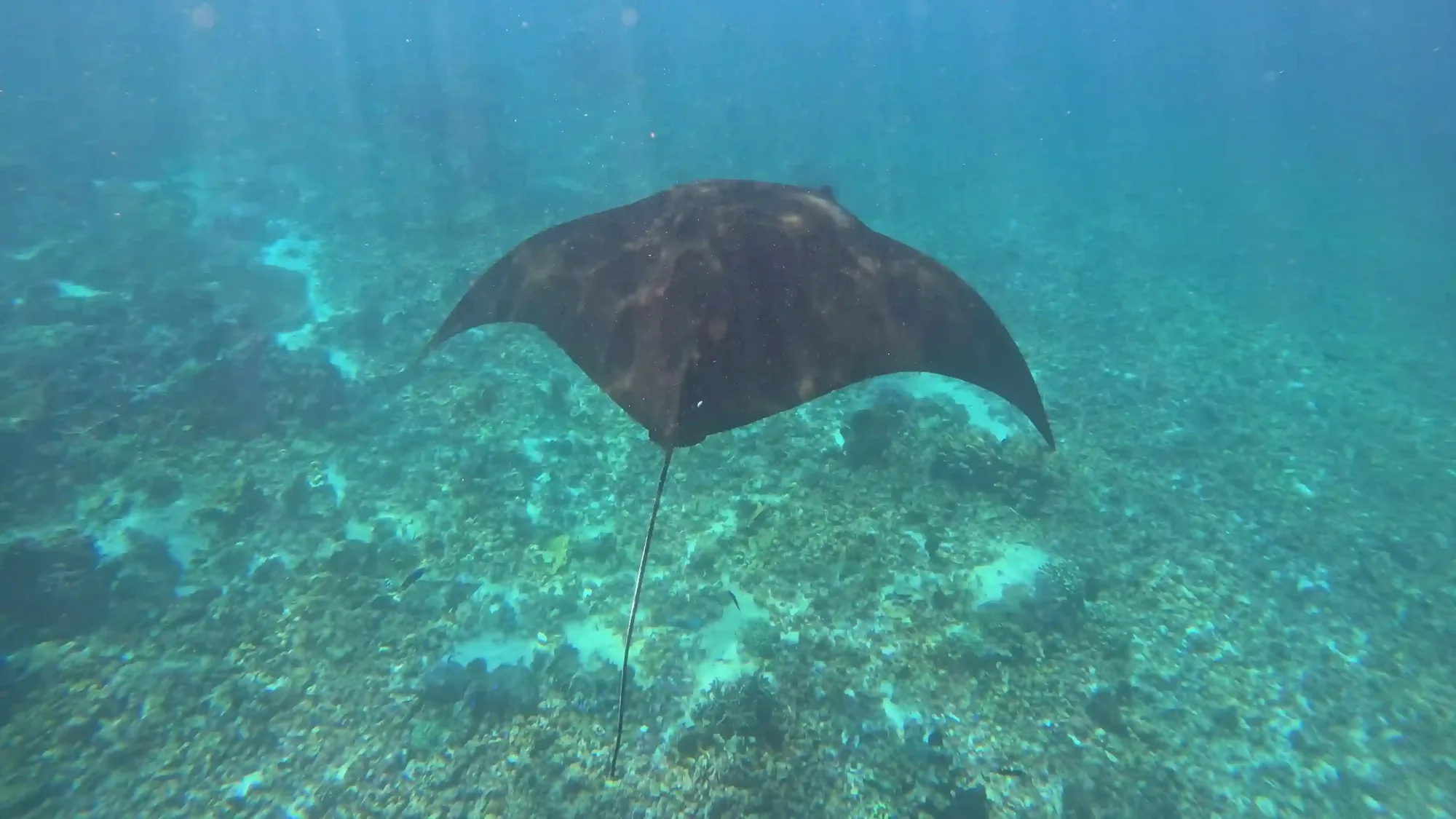
Located in the Lintah Strait off Komodo Island’s east coast, between Komodo and Rinca, Manta Point is the most consistently cited site in the park for reliable manta ray encounters, particularly during incoming tide and morning hours when plankton concentration draws mantas to feed. Depths here are generally shallower and more forgiving than Castle Rock, making it accessible to a wider range of certified divers, though moderate currents can still be present and should not be underestimated by less experienced divers. Snorkellers can also access parts of Manta Point on calmer days, making it one of the few sites in this trio that doesn’t require scuba certification to experience at all.
Castle Rock: advanced drift diving
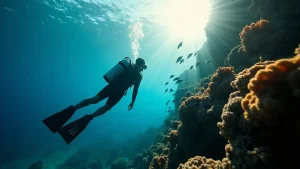
Positioned in the channel between Komodo and Rinca Islands, Castle Rock is a current-driven pinnacle site that demands genuine drift-diving competence. Currents here can be strong and change direction with the tide, which is why most operators reserve this site for divers with advanced certification and demonstrated comfort in moving water. The payoff for that skill requirement is dense fish activity — large schools of trevally, snapper, and fusiliers are commonly reported here, drawn by the nutrient-rich currents sweeping across the pinnacle.
Batu Bolong: the compact reef pinnacle
Batu Bolong is a small, steep-sided pinnacle that punches well above its physical size in terms of marine density — a narrow underwater structure packed with coral cover and reef fish across a relatively compact dive footprint. Like Castle Rock, current can be a factor here, though it’s generally considered somewhat more approachable for intermediate divers on the right tide window. Its compact size also makes it a popular choice for a shorter second dive on a day that already included a longer site like Manta Point.
| Site | Best known for | Typical skill level | Current |
|---|---|---|---|
| Manta Point | Manta ray encounters | Open water and above; some snorkel access | Moderate |
| Castle Rock | Drift diving, large schooling fish | Advanced | Strong, tide-dependent |
| Batu Bolong | Dense coral pinnacle | Intermediate to advanced | Moderate to strong |
When should you dive these sites?
The dry season, roughly April to October, generally offers the clearest visibility and calmest surface conditions across all three sites, which is why most dedicated dive itineraries concentrate bookings in this window. Currents at Castle Rock and Batu Bolong are tide-driven rather than strictly seasonal, so even a dry-season visit requires checking the day’s tide table with your dive guide rather than assuming calm conditions by default.
How do these sites compare to Komodo’s snorkelling spots?
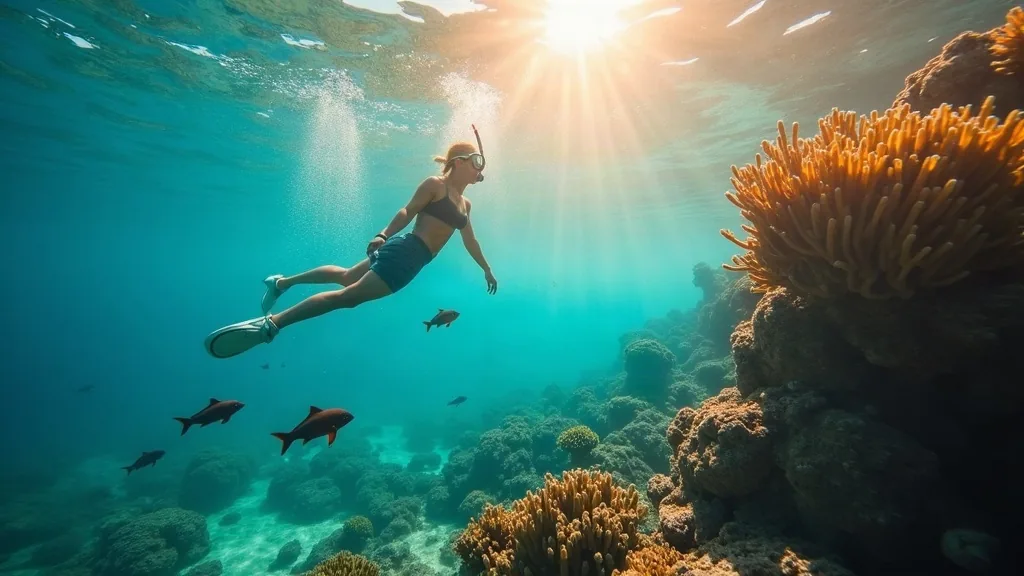
Manta Point, Castle Rock, and Batu Bolong are primarily scuba sites, though Manta Point allows some snorkel access on calmer days. Travellers not diving shouldn’t feel they’re missing the park’s marine life entirely: Pink Beach and Kanawa Island offer shallower, current-free reef snorkelling accessible to anyone comfortable in the water, without the certification or drift-diving skill these three sites can require. A mixed itinerary combining a dive day at these three sites with a snorkel day at Pink Beach or Kanawa is a common and sensible way to split a group with different comfort levels or certification status.
What should you bring on a Komodo dive day?
Beyond standard dive gear, reef-safe sunscreen matters more here than at many dive destinations, since surface intervals between dive sites often happen at anchor under full sun rather than in shade. A wetsuit appropriate for water temperatures in the mid-to-high 20s Celsius is standard; some divers use a shorty or 3mm suit given the generally warm water, while others prefer more coverage for the occasional cooler thermocline current sites like Castle Rock can bring up from depth. Bring your own mask if you have a specific fit preference, since rental masks vary in quality between operators, and a dive computer if you own one rather than relying solely on an operator’s shared units.
How do you book a trip to these sites?
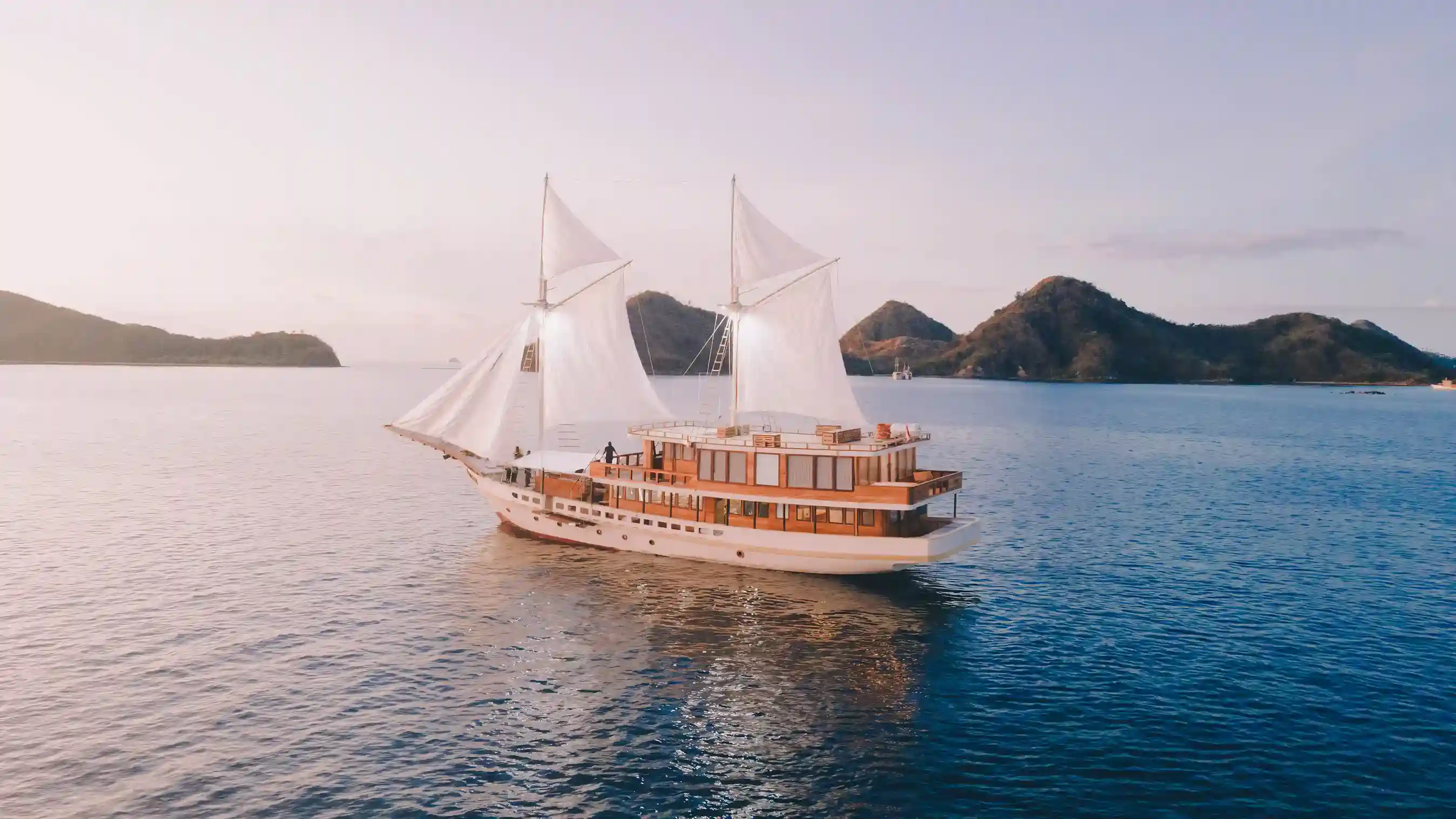
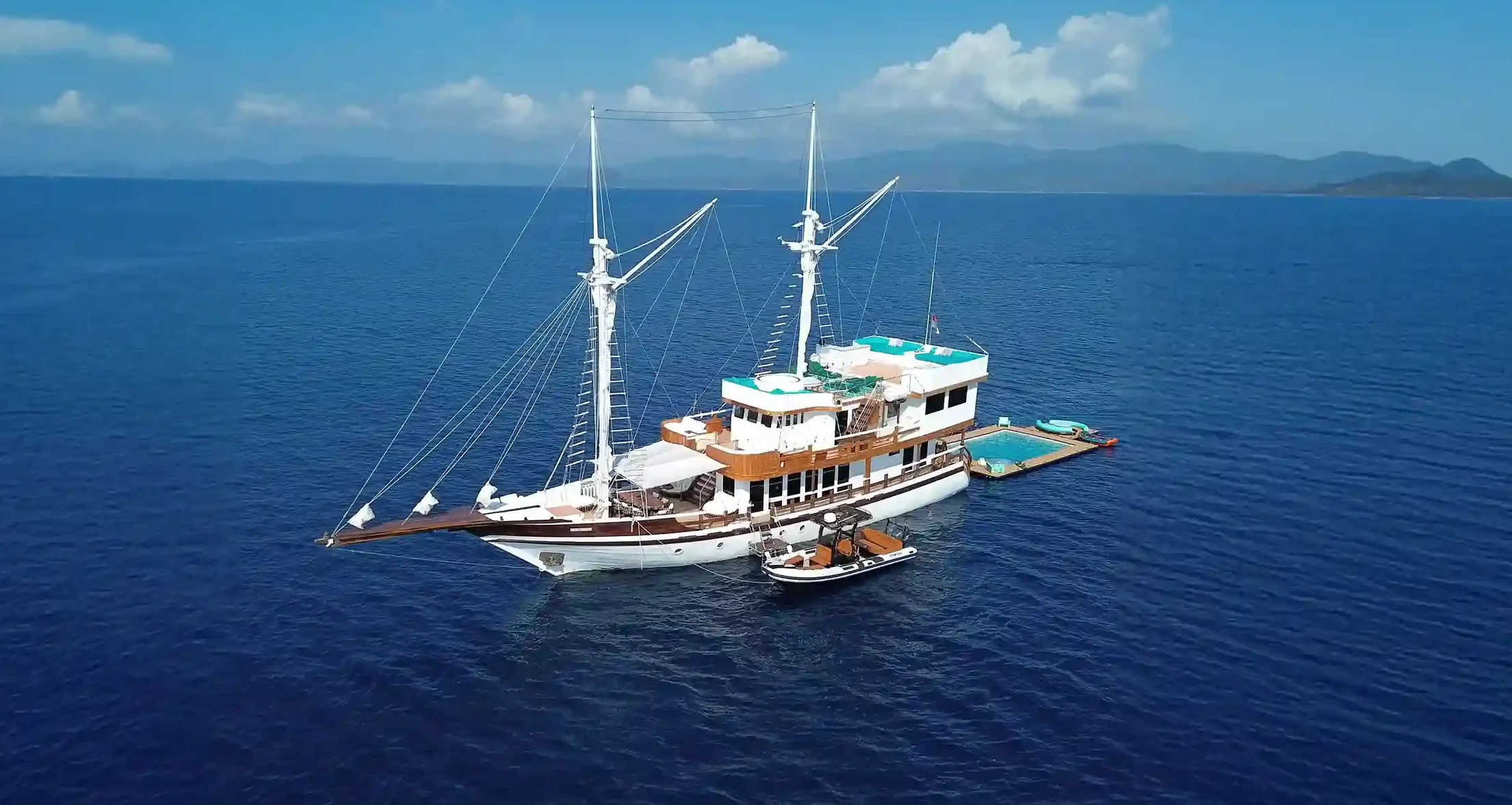
These three sites are typically included as part of a broader Komodo liveaboard or day-charter itinerary rather than booked individually. Komodo Luxury’s liveaboard fleet runs multi-night itineraries that commonly include Manta Point and one or both of the other two sites depending on route and season; our full diving guide covers certification requirements and seasonal planning in more depth.
Other standout Komodo drift and reef dive sites
Beyond Manta Point, Castle Rock and Batu Bolong, several other Komodo dives combine strong flow with rich coral life. These are usually grouped with the headline sites on full-day or liveaboard itineraries, and are best tackled once you are fully comfortable in currents and with rapid descents.
Tatawa Besar: colourful, easier reef diving
Tatawa Besar is often used as a relaxed third dive after a demanding morning. You drop onto a sloping reef packed with hard and soft coral, scattered bommies and frequent turtle sightings. Current is usually manageable, so it suits newer divers building confidence before tackling faster channels.
Pengah Reef: small island, big fish life
Pengah is a compact reef knoll beside a tiny island, with currents that can be brisk on the corners and calmer water on the lee side. Expect clouds of anthias, fusiliers and regular patrols from trevallies. Guides often plan a partial circuit, using the flow to drift and then tucking into sheltered sections.
The Cauldron (Shotgun): high-adrenaline channel
The Cauldron, also called Shotgun, is one of Komodo’s famous thrill dives. You enter on a sloping reef, then cross a sandy bowl where sharks and rays cruise. At the narrowest point, water accelerates through a gap and literally fires you over a ridge. You need precise buoyancy, quick reactions and comfort with negative entries.
Golden Passage: long, scenic glide
Golden Passage runs between two islands and can deliver a long, fast drift over ridges and coral gardens. Depending on tide, you may start in gentle current that builds as you approach the constriction, with frequent schooling fish and occasional pelagics. Briefings focus on staying low, streamlined and close to your guide throughout the ride.
Frequently asked questions
Which Komodo dive site is best for manta rays?
Manta Point, in the Lintah Strait off Komodo Island’s east coast, is the most consistently cited site for manta ray encounters, particularly during incoming tide.
Is Castle Rock suitable for beginner divers?
No. Castle Rock is a current-driven, advanced-level site typically recommended for experienced divers comfortable with drift diving.
What is Batu Bolong known for?
A compact pinnacle dive site known for dense coral coverage and high fish biomass on a small footprint, popular for both diving and drift snorkelling.
Do I need a specific certification level for these sites?
Requirements vary by site and conditions on the day; dive operators assess certification level and experience before assigning divers to current-heavy sites like Castle Rock.
What’s the best season for diving these sites?
The dry season, roughly April-October, generally offers the clearest visibility and calmest conditions for all three sites.
Are these sites sold on their own or only inside a charter?
Most Komodo dive trips are arranged as part of a liveaboard or day-charter booking; see Komodo Luxury’s liveaboard page for current options.
Last updated: August 2026.
Are Tatawa Besar and Pengah suitable for newer divers?
Tatawa Besar usually works very well for newer divers, as the slope is forgiving and current is often mild. Pengah can be more exposed, with stronger flow on the corners, so your guide may keep you on the sheltered side. Both sites are typically used to consolidate skills between more demanding channel dives.
How experienced should I be for the Cauldron and Golden Passage?
You should be fully comfortable in currents, able to descend and equalise quickly, and relaxed with following negative-entry instructions from a guide. Recent diving in similar conditions helps. Many operators recommend a minimum of Advanced certification plus solid drift experience before taking on the Cauldron or a fast Golden Passage run.
Do these Komodo drift sites always have strong current?
No. Current strength changes with tides and moon phase. Some dives at Tatawa Besar or Golden Passage can feel quite gentle, while others are fast rides. Briefings and entry points are adjusted on the day. Your guide may switch to an alternative site if conditions at the Cauldron or similar channels are judged too strong for the group.
Do you need advanced certification to dive in Komodo?
No, you do not need advanced certification for all dives in Komodo. Many sites are suitable for Open Water divers, offering incredible marine life encounters. However, some of Komodo’s more famous drift dives, such as Castle Rock or The Cauldron, are challenging and typically require an Advanced Open Water certification or substantial experience. Dive operators will assess your skill level to recommend suitable sites.