Komodo Dragon Conservation Outlook
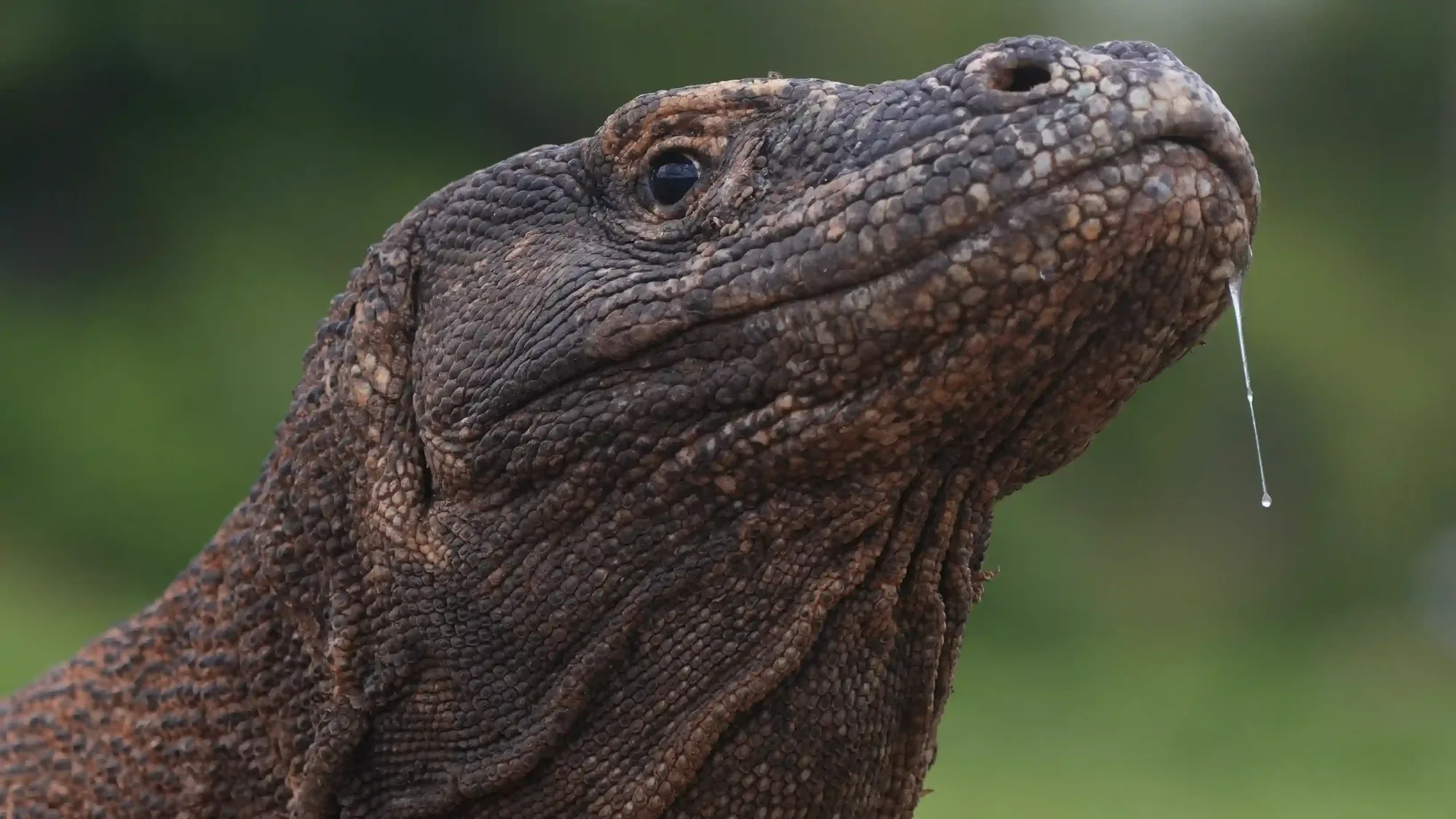
The Komodo dragon’s conservation status has been Endangered on the IUCN Red List since its 2021 reassessment, driven primarily by long-term climate projections rather than a current population crash — park-census figures from Balai Taman Nasional Komodo (BTNK) put the total population within the park at roughly 3,000–3,400 individuals across recent survey years, a range that has stayed relatively stable.
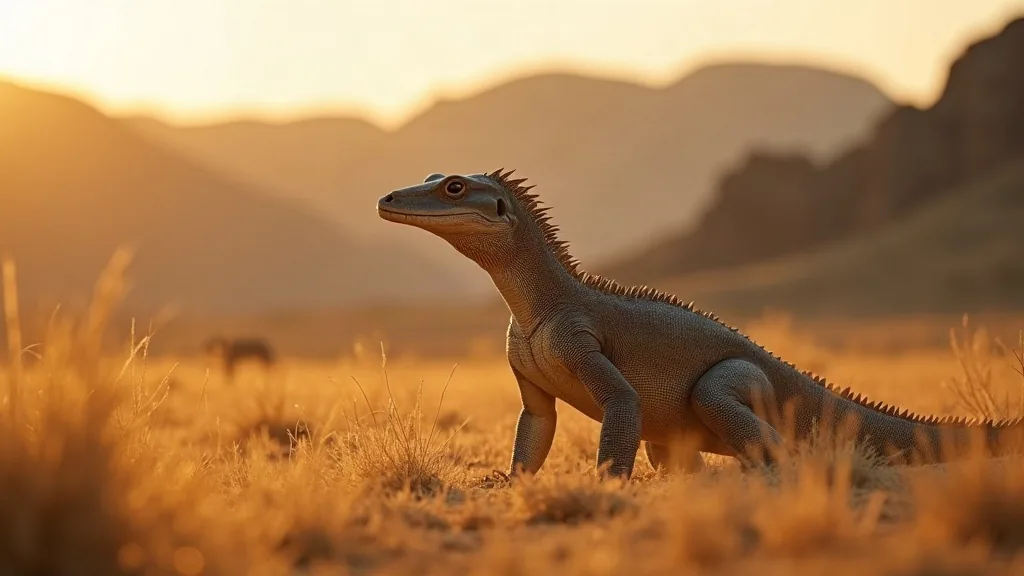
What actually changed in the Komodo dragon’s IUCN status, and when?
The IUCN moved the species from Vulnerable to Endangered in its 2021 assessment, based largely on projected habitat loss driven by rising sea levels and climate-related change to the dry-forest habitat the species depends on across its very limited natural range. This reclassification reflects a decades-long risk projection rather than evidence of a sudden population collapse happening today — it’s a forward-looking conservation signal about long-term habitat security, not a current-crisis headline.
Why is the species so vulnerable to climate change specifically?
Komodo dragons survive in the wild only within a small handful of islands inside and immediately around Komodo National Park, giving the species almost no room to shift its range if its existing habitat degrades — unlike a more widely distributed species that could theoretically move as conditions change. This extremely narrow natural distribution is precisely what makes climate-driven habitat modelling such a central part of the IUCN’s risk assessment for this particular species, more so than for monitor lizard relatives with broader ranges across Asia.
What conservation measures are already in place inside the park?
Komodo National Park itself functions as the core protective structure — a UNESCO World Heritage Site (Site No. 609) with visitor-management rules designed to limit human pressure on dragon habitat, including the mandatory SiOra booking system and park-wide daily visitor cap. Ranger-guided access on the dragon trails, rather than unsupervised visitor movement, is itself a conservation measure as much as a safety one, since it limits how much of the trail network sees uncontrolled foot traffic.
How reliable are the population numbers you’ll see quoted for Komodo dragons?
Different sources measure different things, which is why you’ll see different numbers without either being wrong. BTNK’s park census counts all ages of dragons living within the park boundary and has recently put that figure in the 3,000–3,400 range; the IUCN’s global assessment instead reports a narrower estimate of roughly 1,383 mature breeding adults, a different and more conservative category. Neither number is more “official” than the other — they’re simply answering different questions, and any credible source should specify which one it’s citing. See our full Komodo dragon facts page for more on how these figures relate.
What can visitors actually do to support conservation, beyond following the rules?
- Book through operators who treat SiOra and ranger requirements as genuine constraints, not obstacles to route around — see our guide to choosing an operator for how to identify this.
- Never approach, feed, or attempt to touch a dragon, regardless of how calm it appears — this protects both visitor safety and natural animal behaviour.
- Stay on marked trails rather than venturing off-path for a better photo angle.
- Support reef-safe practices on the boat portion of your trip too, since the park’s marine ecosystem and terrestrial dragon habitat are managed under the same conservation mandate.
Is the Komodo dragon population expected to change meaningfully in the near term?
Nothing published suggests an imminent sharp decline — the IUCN’s Endangered listing is explicitly framed around multi-decade climate and habitat risk, not a short-term population trend. That distinction matters for how travellers should read this status: it’s a reason the park’s conservation rules exist and deserve to be followed carefully, not a sign that seeing dragons today is becoming rare or unlikely.
How does habitat protection inside Komodo National Park relate to the species’ broader survival?
Since the species survives in the wild only within a small handful of islands, the park’s protected status functions as essentially the entire safety net for the species’ long-term survival — there isn’t a large secondary wild population elsewhere that could sustain the species if the park’s habitat degraded significantly. This concentration of the entire wild population within one protected area is precisely why park management decisions (visitor caps, guide requirements, habitat monitoring) carry disproportionate weight for the species’ global conservation outlook compared with a species distributed more broadly across multiple protected areas or countries.
What role does scientific research play in ongoing Komodo dragon conservation?
Ongoing population monitoring by BTNK, alongside academic research into the species’ biology (including the venom research that reshaped scientific understanding of how dragons hunt), continues to inform how the park’s management approach evolves. This research base is also why population figures get periodically updated and occasionally revised — new survey methods or additional field seasons can refine the numbers cited in official reporting, which is a normal part of how wildlife population science works rather than a sign of unreliable data.
How does captive breeding at zoos worldwide relate to wild conservation efforts?
Komodo dragons held at zoos internationally, descended from the species’ native range, contribute to public education and occasionally to genetic research, but captive populations are not considered a substitute for protecting the wild population and its habitat within Komodo National Park itself. The species’ long-term conservation outlook depends fundamentally on the health of its native island ecosystem, not on the existence of captive individuals elsewhere in the world.
What would meaningfully change the species’ conservation trajectory for the better?
Continued habitat protection within the park, sustained and well-enforced visitor management (the kind of system SiOra and the guide requirement represent), and broader progress on the climate factors driving the IUCN’s long-term risk assessment are the general categories conservation efforts focus on — there’s no single quick fix given how tightly the species’ survival is tied to a small, specific island habitat rather than a broad, adaptable range.
How can travellers learn more beyond a single page like this one?
The IUCN Red List page, BTNK’s published census updates, and peer-reviewed research on the species (including the 2009 venom study) are the strongest primary sources available to readers who want to go deeper than a general travel-guide summary, rather than relying on secondhand summaries across multiple travel blogs that don’t always cite their own sources clearly.
Frequently asked questions
Is the Komodo dragon at risk of extinction in the next few years?
No credible near-term extinction risk has been published — the Endangered classification reflects long-term climate-driven habitat projections over coming decades, not an acute short-term threat.
Do tourist visits harm the Komodo dragon population?
Well-managed, ranger-guided visitor access under the park’s quota and permit system is designed specifically to limit human impact on dragon habitat and behaviour — which is the underlying reason those rules (SiOra, mandatory guides, marked trails) exist in the first place.
Where can you read the original IUCN assessment?
The IUCN Red List species page for Varanus komodoensis is the primary source for the current classification and the reasoning behind it. The IUCN World Heritage Outlook assessment for Komodo National Park provides the complementary site-level conservation outlook.
Does an Endangered listing change anything practical about visiting the park?
Not directly for visitors — the same rules that already applied (SiOra booking, mandatory ranger guides, the daily quota) remain the practical framework for a responsible visit regardless of the specific IUCN category, since those measures were designed around habitat and visitor-pressure management rather than being tied to a particular Red List status.
See a Komodo boat tour built around ranger-guided, quota-respecting access.
Plan a responsible Komodo trip with Komodo Luxury on WhatsApp →
Related reading: Komodo Dragon Facts · What Changes in 2027 · SiOra Booking, Permits & Visitor Quota for Komodo National Park guide
Where is the best place to see Komodo dragons in the wild?
Komodo National Park, specifically Komodo Island and Rinca Island, are the primary locations to see Komodo dragons in the wild. Rinca Island is often considered easier for sightings due to its smaller size and more open terrain, while Komodo Island offers a more rugged experience. Both require a mandatory ranger-guide for safety and responsible viewing. Since April 1, 2026, advance online reservation via siora.id is required for visits to Komodo Island.