UNESCO inscribed Komodo National Park as a World Heritage Site in 1991 under two natural criteria — its dramatic volcanic landscape and, above all, being the only place on Earth where the Komodo dragon survives in the wild.
Komodo National Park was established by the Indonesian government in 1980, added to UNESCO’s Man and Biosphere Reserve network in 1977, and inscribed as a UNESCO World Heritage Site in 1991 — a designation reserved for places of outstanding universal value to humanity. Understanding why it earned that listing explains a lot about why the park’s visitor rules — the mandatory ranger-guides, the entrance fees, the visitor quota — exist in the first place. Source: UNESCO World Heritage Centre, Komodo National Park listing. See also the IUCN World Heritage Outlook conservation assessment for how the site’s conservation status is independently tracked.
The two UNESCO criteria Komodo National Park meets
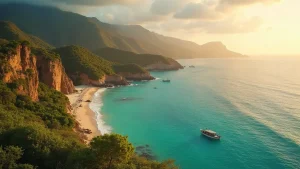
UNESCO’s World Heritage listing works through a defined set of criteria, and Komodo National Park qualifies on natural-heritage grounds rather than cultural ones. The park’s dramatic, arid volcanic landscape — savanna hills, rugged coastlines, and the contrast between its islands’ dry terrain and the rich marine environment surrounding them — represents a superlative natural phenomenon of exceptional beauty. More significantly, the park is recognized as an irreplaceable habitat for the in-situ conservation of biological diversity, specifically because it is the only place on Earth where the Komodo dragon exists in its natural wild habitat, alongside other endemic and threatened species found nowhere else at this scale.
Why the Komodo dragon alone justifies the listing
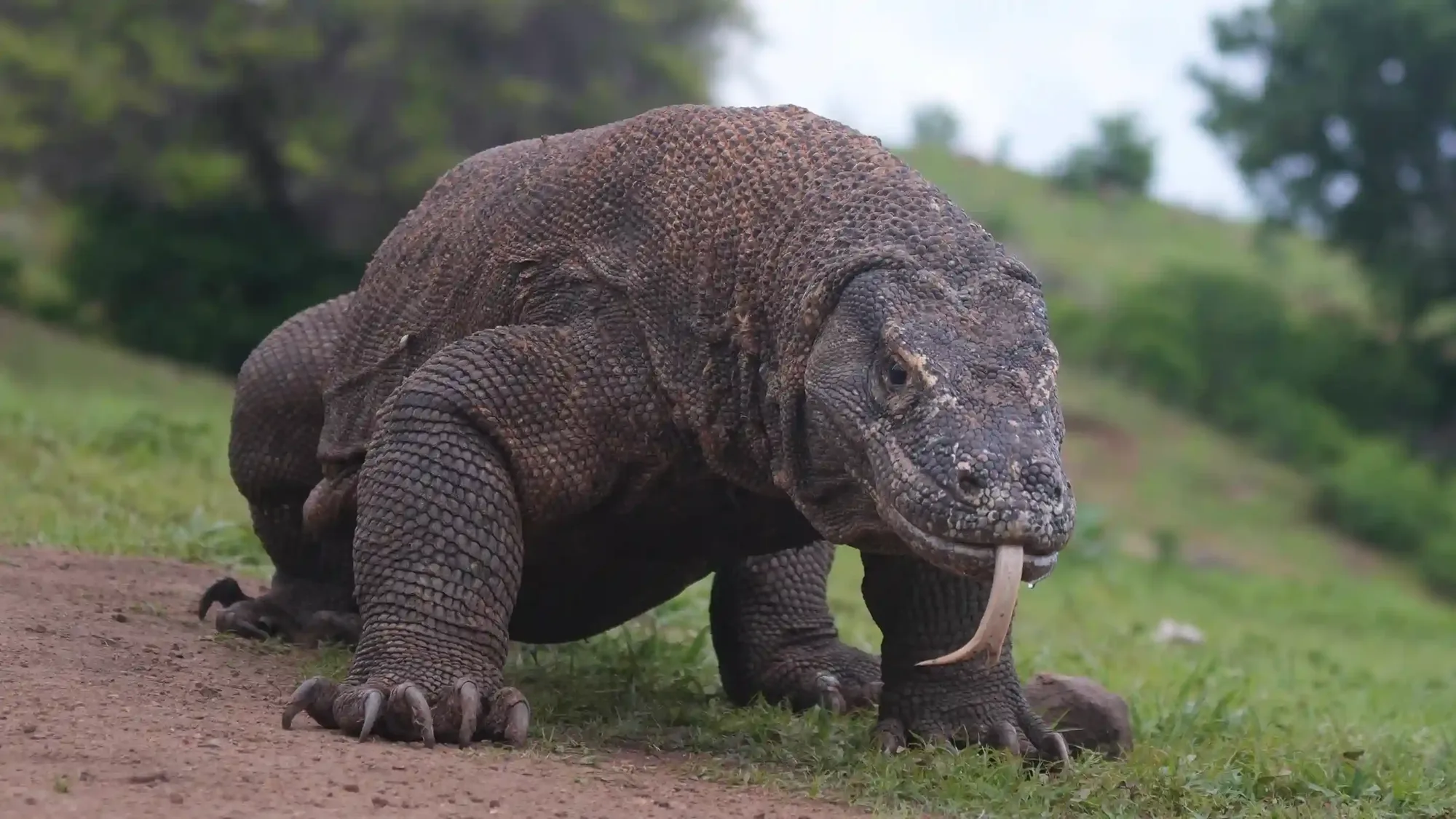
The Komodo dragon is the world’s largest living lizard species, and its entire wild population exists only within this island group in eastern Indonesia — nowhere else on the planet has a wild, self-sustaining population. That singular fact is why the park’s protection matters beyond scenic value: losing this habitat would mean losing the species’ only wild range entirely, not just one population among several. This is also the direct reason the park’s trekking rules exist — mandatory licensed ranger-guides aren’t a tourism formality, they’re a condition of allowing any human presence near a species this significant to be managed safely for both people and dragons.
What the World Heritage boundary actually covers
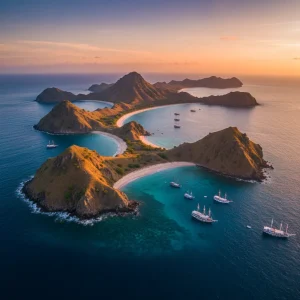
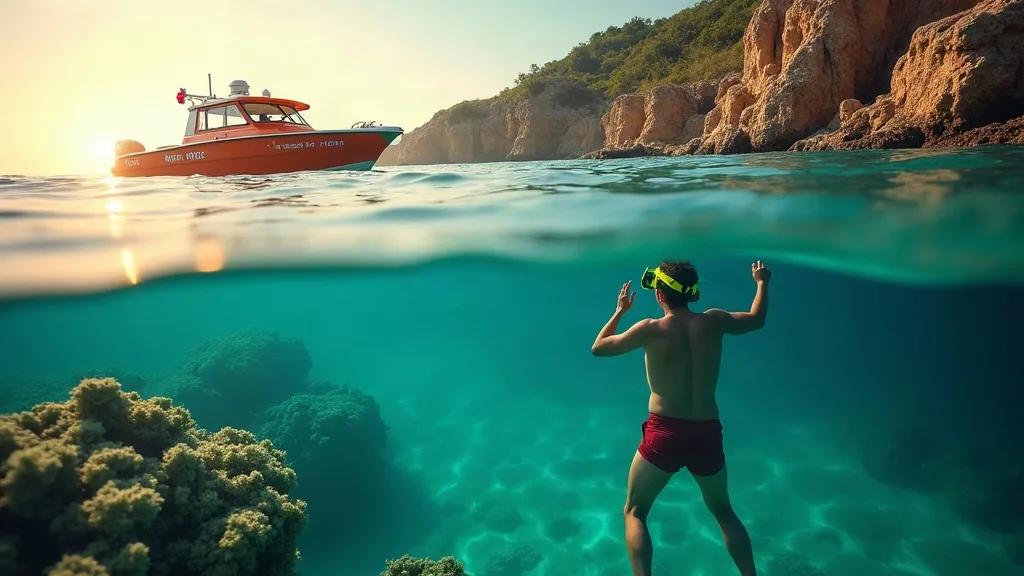
The World Heritage site encompasses the national park’s full extent — Komodo Island, Rinca, Padar, and a cluster of smaller islands, along with the surrounding marine area, which is itself ecologically significant for its coral reefs and marine biodiversity. This is one reason snorkeling and diving sites inside the park carry the same entrance-fee and conservation framework as the dragon-trekking areas on land — the listing and the park’s management plan treat the marine and terrestrial areas as one protected system, not two separate attractions bundled together for tourism convenience.
How UNESCO status shapes visitor rules today
World Heritage status doesn’t come with a separate visitor fee or a UNESCO-branded ticket — the park is managed by Indonesia’s national park authority (Balai Taman Nasional Komodo) under domestic regulation, currently PP No. 36/2024 for entrance fees. What the listing does is put ongoing international attention and a formal conservation framework behind decisions like the visitor quota system and SiOra online registration introduced in 2026 — measures aimed at balancing tourism access against protecting the very qualities that earned the site its status in the first place. For the current fee structure these rules translate into, see our Komodo National Park Entrance Fee 2026 guide.
Conservation concerns UNESCO monitoring has raised
UNESCO’s World Heritage Committee periodically reviews sites on its list for threats to the values that justified their inscription, and Komodo National Park’s marine and land habitats face pressures common to many tropical protected areas — from tourism growth itself to broader environmental change affecting the region. This is part of why the park’s management has moved toward tighter visitor numbers and stricter permit systems in recent years rather than simply expanding access to meet rising tourism demand; a UNESCO listing is a designation the park can, in principle, lose if its protected values are judged to be seriously degraded, which gives real weight to compliance with park rules beyond just following local law.
Visiting a World Heritage Site responsibly
Practically, visiting Komodo National Park responsibly means the same things the park’s own rules already require: staying on marked trails with your ranger-guide, never feeding or touching wildlife, respecting the visitor quota and SiOra booking system rather than trying to route around it, and choosing operators who follow the park’s regulations rather than offering shortcuts. None of this is a special UNESCO-specific code of conduct — it’s the same standard the park enforces for every visitor, made more meaningful by understanding what’s actually being protected.
Other Indonesian sites on the same World Heritage list
Komodo National Park is one of several Indonesian sites UNESCO has recognized for natural or cultural significance, sitting alongside places like the Tropical Rainforest Heritage of Sumatra and cultural sites such as Borobudur and Prambanan temple compounds. Each is inscribed for its own distinct criteria — Komodo’s listing is specifically about its natural landscape and irreplaceable wildlife habitat, not a general “best of Indonesia” designation, which is worth understanding if you’re comparing why different Indonesian destinations carry the same UNESCO label for very different reasons.
Guides, safety and mobile signal inside the park
UNESCO status has pushed the park to tighten safety rules, especially where you share space with Komodo dragons. On Komodo and Rinca islands you cannot walk alone in dragon habitat. Every trekking route, from the shortest loop to longer hikes, is only allowed with an official ranger-guide from the national park.
Walking rules with Komodo dragons
Ranger-guides manage group spacing, know where dragons usually rest, and read their body language long before a visitor would notice a change in behaviour. You will pay an official ranger fee per group at the start of the walk. Groups are usually kept small, and children must stay close to adults and the ranger at all times.
You are free to move around without a ranger at designated waiting areas, jetties and simple cafés near the main ranger stations, but even there you must follow staff instructions quickly if a dragon wanders close. Independent exploration of the forest, hills or beaches on Komodo or Rinca is not allowed.
Where phone reception disappears
Mobile signal comes from towers on the larger islands and around Labuan Bajo, so coverage is patchy once you are inside the marine part of the World Heritage Site. You will usually have some reception near Labuan Bajo harbour and occasionally around popular bays that face the town.
On many trekking routes on Komodo and Rinca, and around quieter islands in the centre and south of the park, you should expect no signal at all. Inside narrow channels and remote anchorages your phone will often drop to emergency calls only. Tell family your boat plan before departure, and rely on your crew and ranger for any urgent communication rather than your own mobile.
Frequently asked questions
When did Komodo National Park become a UNESCO World Heritage Site?
It was inscribed in 1991, after being established as a national park in 1980 and added to UNESCO’s Man and Biosphere Reserve network in 1977.
Which two natural criteria did the 1991 listing rest on?
It meets two natural-heritage criteria: exceptional natural beauty in its volcanic landscape, and being the only place on Earth where the Komodo dragon survives in the wild.
Does UNESCO manage Komodo National Park directly?
No — the park is managed by Indonesia’s Balai Taman Nasional Komodo under domestic regulation. UNESCO’s role is the World Heritage designation and periodic international monitoring, coordinated through its Man and the Biosphere Programme listing for Komodo.
Does the marine area around Komodo count as part of the World Heritage Site?
Yes — the listing covers the park’s full extent including the surrounding marine environment, which is ecologically significant in its own right for coral reefs and marine biodiversity.
Could Komodo National Park lose its UNESCO status?
In principle, yes — UNESCO periodically reviews World Heritage sites for threats to the values that justified inscription, which is part of why the park has tightened visitor rules in recent years.
Is the Komodo dragon only found inside the national park?
Its entire wild population exists within this island group in eastern Indonesia — this is exactly the fact that anchors the park’s UNESCO natural-heritage listing.
What other Indonesian sites share UNESCO World Heritage status with Komodo?
Sites such as the Tropical Rainforest Heritage of Sumatra and cultural sites like Borobudur and Prambanan — each inscribed under its own distinct criteria rather than a shared designation.
Can I explore Komodo dragon habitat without a guide?
No. On Komodo and Rinca islands all trekking routes through dragon habitat are guided only. You must join a walk led by an official ranger, who you pay as a group. You can move more freely around the main ranger station areas, but independent hikes into the forest or hills are not allowed.
Is there mobile phone signal everywhere in Komodo National Park?
Coverage is very limited once you leave Labuan Bajo and the larger inhabited islands. Many trekking areas on Komodo and Rinca, and several central and southern bays, have no signal at all. Expect your phone to work near town-facing bays and main jetties, then drop out completely in more remote parts of the park.
Are there ethical concerns about visiting Komodo National Park?
Yes, as with any significant natural heritage site, ethical concerns about balancing conservation with tourism impact exist. Komodo National Park addresses this through measures like a daily visitor quota of 1,000 for the entire park, split into three scheduled sessions. Mandatory ranger guides accompany all treks to ensure safety and minimise disturbance, promoting responsible tourism within this unique ecosystem. Advance online reservations are required for Komodo Island and Padar via siora.id.
How to see Komodo dragons safely?
To see Komodo dragons safely, always follow the precise instructions of your mandatory park ranger-guide. These trained professionals accompany all treks on islands like Komodo and Rinca, ensuring visitors maintain a safe distance from the wild dragons. Rangers carry forked sticks for protection and guide you on designated paths. Never approach a dragon, make sudden movements, or attempt to feed them, as they are powerful and unpredictable predators.
See the world’s only wild dragon habitat
Book a ranger-guided trek through the park with Komodo Luxury UNESCO recognized for both its dragons and its landscape.