Padar Sunrise Viewpoints
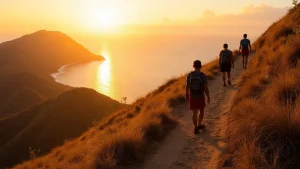
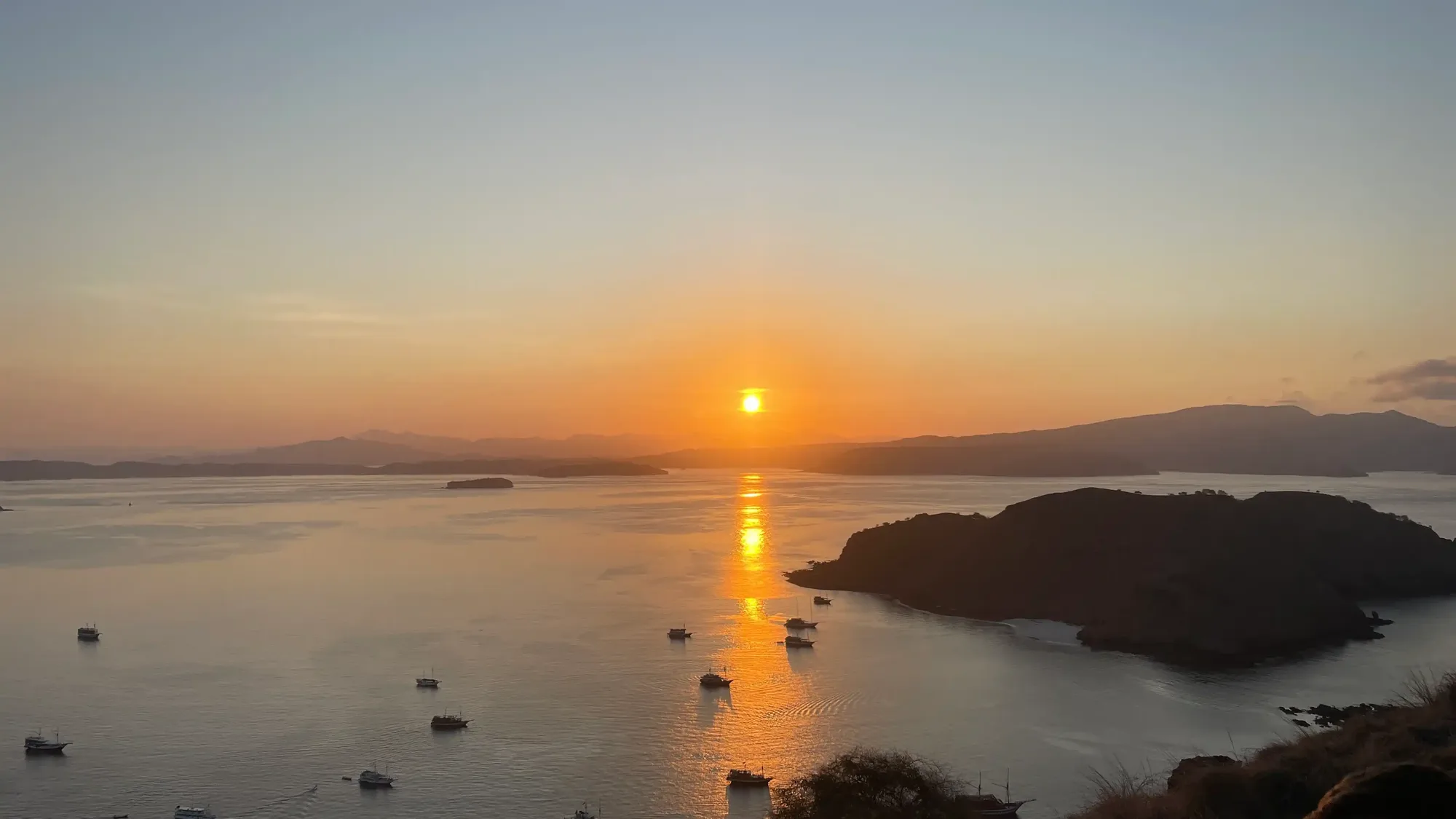
Answer: Padar’s sunrise view rewards timing over anything else: leave Labuan Bajo early enough to reach the island for the park’s first visiting session (roughly 05:00–08:00 WITA), climb the main viewpoint trail before the light peaks, and position yourself at the upper saddle ridge where all three bays are visible in one frame.
Verified 26 August 2026. Behind “Padar Sunrise Viewpoints” sit the KSDAE Komodo National Park profile and Komodo Luxury’s published rates — named on the page so a reader can go and check the original.
Why does timing matter more than anything else here?
Padar Selatan’s visiting hours are officially split into three sessions by the park authority, and only the first (roughly 05:00–08:00 WITA) captures true sunrise light.1 Arrive for Session II or III and you get a legitimate, still-impressive daytime view, but not the low-angle light that makes the three-bay composition work as a sunrise photograph specifically. If sunrise is the point of your visit, confirm your boat’s Padar arrival time targets Session I, not just “early.”
Where exactly should you stand for the classic view?
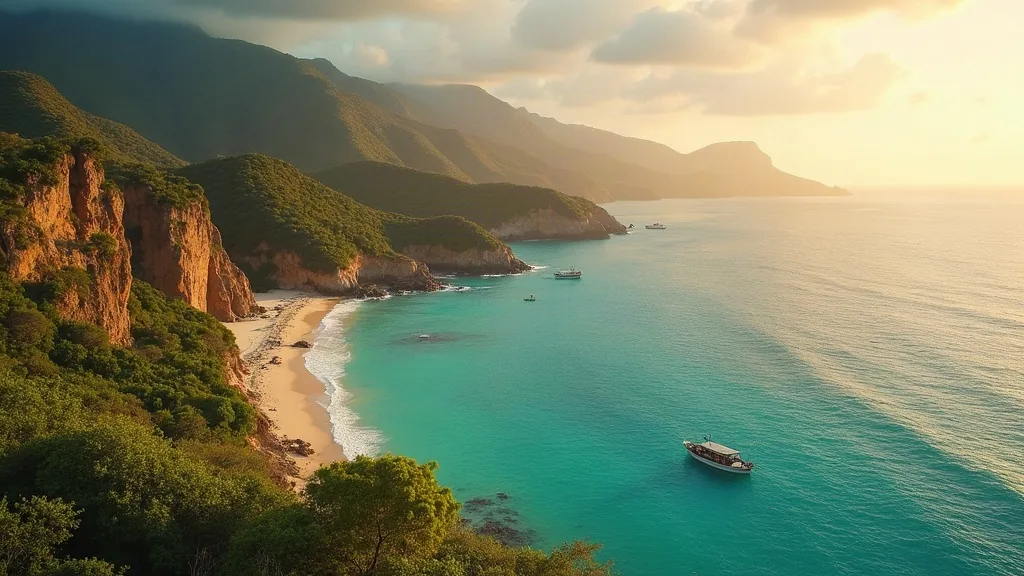
The main viewpoint sits at the top of the marked trail, on a saddle-shaped ridge that lets you see three separate bays with differently coloured sand and water in a single wide frame — this is the composition that appears in almost every published Padar photo. Some visitors stop short at a lower platform partway up the trail; the full three-bay view specifically requires reaching the upper ridge, not the first viewpoint you encounter.
How long does the hike take, and how hard is it?
Roughly 30–45 minutes each way at a steady pace, on an unpaved, unshaded volcanic-soil trail with a genuine uphill gradient. It requires no technical climbing skill but is a real physical hike, not a stroll — wear proper shoes rather than sandals, since the loose surface can be slippery, especially after rain.
Photography tips that actually make a difference
- Arrive before the light, not during it — be in position at the top rather than still climbing as the sun comes up.
- Use a wide-angle lens or phone panorama mode — a standard/zoomed frame can’t capture all three bays in one composition.
- Shoot early and often — the light changes fast in the first 15–20 minutes after sunrise, and the strongest colour contrast is often in that early window, not later once the sun is higher.
- Bring a lens cloth — sea spray and humidity on the boat ride over can fog or spot a lens before you even start climbing.
What if your boat can’t make Session I?
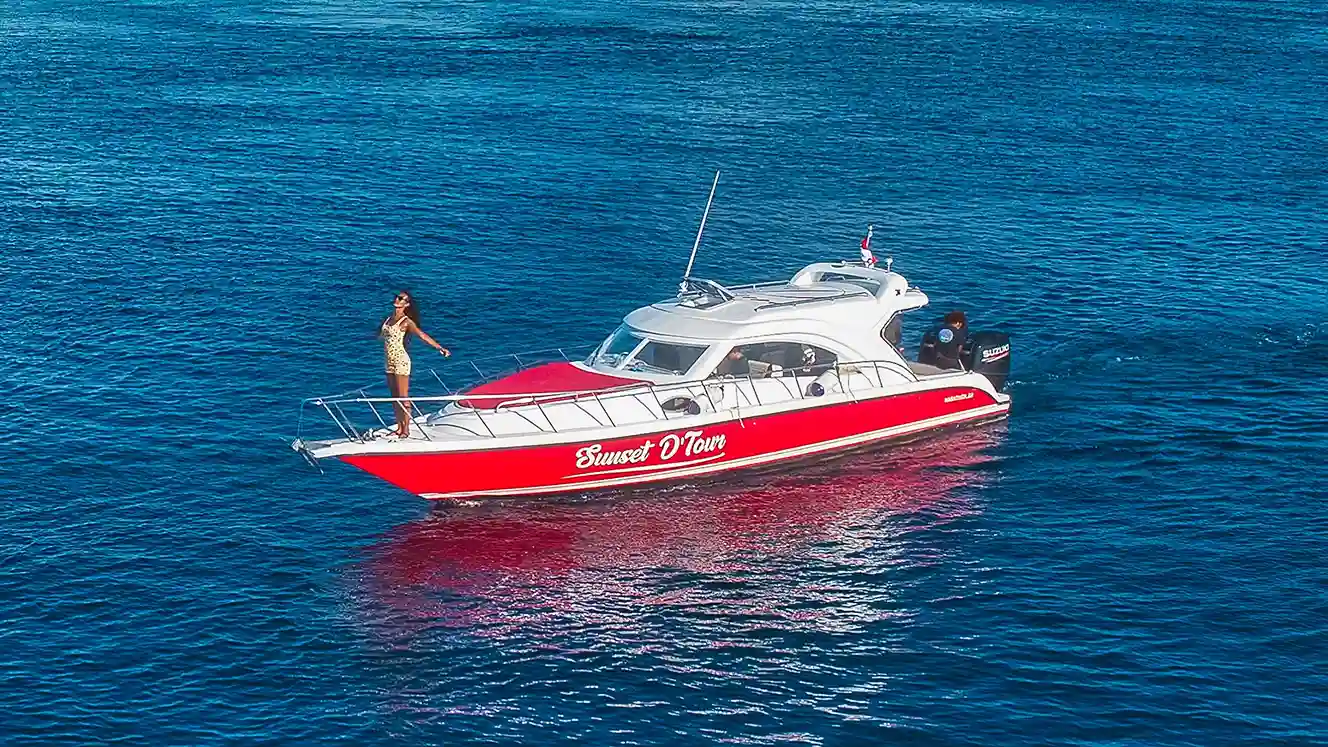
A daytime Padar visit is still worthwhile for the view itself, even without the sunrise-specific light quality — this is not a wasted stop, just a different photographic result. If sunrise photography specifically is your priority and your standard itinerary doesn’t reach Padar early enough, ask about a dedicated early-departure private charter; see our sunset and sunrise cruise guide for how a focused early trip is typically structured.
How does this differ from a general Komodo hiking guide?
This page focuses specifically on the sunrise viewpoint experience and photography; for the broader question of how Padar compares to Komodo and Rinca’s dragon treks in difficulty and purpose, see our island comparison guide, which covers trekking difficulty across all three islands rather than Padar’s viewpoint alone.
Does the season affect the sunrise view?
Dry season months (April-October) generally offer clearer skies and more reliable sunrise colour, since cloud cover is less frequent; wet season months (November-March) can still produce dramatic light but with less predictability from morning to morning. Neither season changes the viewpoint’s official session timing, only the odds of clear conditions on a given day.
What should you bring specifically for a sunrise hike?
A headlamp or phone flashlight for the pre-dawn boat transfer and the first part of the climb if you arrive before first light, a light layer for the cooler early morning, closed shoes for the trail, and water. Because Session I departures leave Labuan Bajo in the dark, treat this as an early-start logistics challenge as much as a hiking one — confirm your pickup time the night before.
How Padar Compares To Other Popular Trekking Spots
If you are planning Padar for sunrise, it helps to understand how it compares with other well known hikes near Labuan Bajo and in Flores. That way you can choose which viewpoints fit your group’s fitness and timing, especially if you are building an itinerary around short but rewarding treks.
Boat-access viewpoints: Padar and Gili Lawa Darat
Padar’s main sunrise track is a stepped, straightforward climb that usually takes 30–45 minutes to reach the classic ridge. The path is defined and wide, with railings for much of the way, although the final few minutes can feel steeper and more exposed underfoot.
Gili Lawa Darat, reached by boat from Labuan Bajo, involves a longer, more rugged walk. Most visitors need roughly 30–60 minutes to reach the top viewpoint, depending on pace and where the boat lands. The trail is mostly dirt and dry grass, with loose stones and no shade, so it feels tougher than Padar even though the distance is still moderate.
The reward on Gili Lawa Darat is a high, open ridge with layered hills and sweeping sea views in almost every direction. You look over curving bays, small islands and the narrow channels used by liveaboard boats, which makes it especially photogenic in soft early or late light.
Inland Flores treks: Cunca Wulang and Wae Rebo
Cunca Wulang is a short inland canyon walk from the local parking area. Expect roughly 30–45 minutes each way on an undulating path through village land and light forest. Trail conditions vary with rain, and sections down to the river can be slippery, so basic hiking sandals or shoes are important.
Wae Rebo village is a much more serious hike than Padar. From the trailhead near Denge you climb steadily through forest for several hours, often on uneven, sometimes muddy ground. Most visitors take about 2.5–4 hours to reach the village, then the same again on the way down, so you need a full day and solid fitness.
Frequently asked questions
What time should you arrive at Padar for sunrise?
Aim for the park’s first visiting session, roughly 05:00-08:00 WITA, which means departing Labuan Bajo well before dawn to reach the island and complete the climb before the light peaks.
Is the Padar hike difficult?
Moderate. It’s a genuine 30-45 minute uphill walk on unshaded, unpaved terrain, requiring no technical skill but real physical effort and proper footwear.
Can you see all three bays from one spot?
Yes, from the upper saddle-ridge viewpoint at the top of the main trail, which is the classic composition seen in most published photos of Padar.
How long does it take to hike Gili Lawa Darat to the top viewpoint?
From the beach landing on Gili Lawa Darat, most visitors spend about 30 to 60 minutes hiking up to the main ridge viewpoint. The time depends on where your boat drops you, your fitness and how many photo stops you make on the steeper, more rugged sections near the top.
How difficult is the Gili Lawa Darat trail compared with Padar?
Gili Lawa Darat feels tougher than Padar for most people. The path is steeper in sections, unshaded and mostly dirt with loose stones, so you need better balance and footwear. Padar’s main sunrise route is shorter, with many steps and some railings, which makes it more manageable for less experienced hikers.
How long is the walk from Denge to Wae Rebo village?
From the Denge trailhead to Wae Rebo you should plan for roughly 2.5 to 4 hours of steady uphill hiking through forest. The track can be muddy and uneven, especially after rain, and you will need similar time to descend. It suits travellers comfortable with a longer, sustained climb.
Is it safe to leave valuables on the boat while hiking on Komodo or Padar Island?
Generally, it is safe to leave valuables on your boat while hiking. Most reputable tour operators and their crews are trustworthy. However, for absolute peace of mind, consider securing very high-value items or carrying essential documents with you. Always use common sense and trust your instincts regarding your specific boat and crew.
What is the best route for a photography and wildlife focused Flores Komodo trip?
A photography and wildlife-focused trip typically combines early morning visits to Komodo or Rinca islands for dragon sightings with stops at Padar Island for its views. Include snorkeling or diving at Manta Point for diverse marine life. For Flores, consider extending your trip to inland areas like Wae Rebo or Cunca Wulang for cultural and landscape photography, especially during the dry season (April-October) for optimal conditions.
Do I need hiking shoes for Padar Island or are sandals enough?
While many manage with sturdy sandals, hiking shoes are highly recommended for Padar Island, especially for the sunrise trek. The trail involves uneven steps, loose gravel, and can be slippery, particularly after rain or in the dark. Proper hiking shoes provide better grip, ankle support, and comfort, making the ascent safer and more enjoyable, allowing you to focus on the view.
Where to see birds in Flores?
While Komodo National Park offers some birdwatching opportunities, the more extensive and diverse birdlife in Flores is found inland, away from the main tourist islands. Areas around Ruteng and along the Trans-Flores Highway, particularly in forested regions and near crater lakes, are known for a variety of endemic and migratory species. Hiring a local guide familiar with specific birding spots will enhance your experience.
Common mistakes visitors make at this viewpoint
Stopping at a lower platform and assuming it’s the main viewpoint, arriving in Session II or III while expecting sunrise-quality light, and underestimating the climb’s difficulty in sandals are the three most common issues that leave visitors disappointed with what is otherwise one of the park’s most rewarding stops. None of these are hard to avoid once you know the session system and trail layout in advance, which is exactly why timing and preparation matter more here than at a flatter, less time-sensitive stop.
Is Padar’s viewpoint different depending on which trail you take?
There is essentially one main marked trail to the primary viewpoint, though some visitors continue slightly further along the ridge for a marginally different angle once at the top. Straying off the marked path is not recommended, both for erosion control on the volcanic slope and for your own footing on unstable terrain away from the maintained route.
How crowded does the viewpoint get during Session I?
Session I is specifically designed to be the lower-crowd window compared with Session II’s open-trip arrivals, though “lower crowd” during peak season (June-September, holidays) can still mean sharing the ridge with several other boats’ worth of visitors. Arriving at the very start of the session window, rather than partway through it, generally gives the calmest few minutes at the top before later arrivals catch up.
Book a sunrise-timed Padar trip with Komodo Luxury
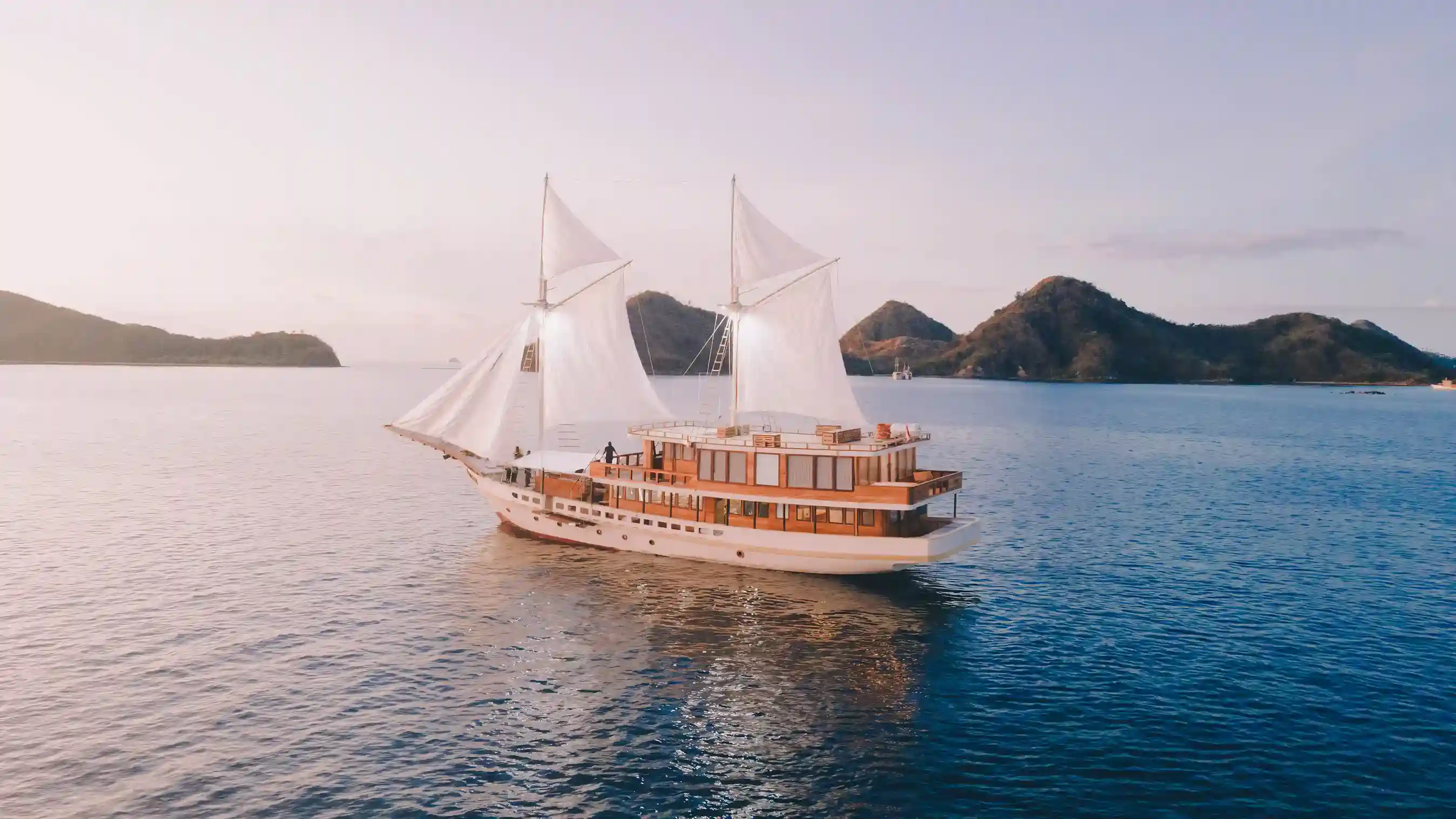
For an itinerary timed to reach Padar’s sunrise session, see the Komodo boat tour page.
Related Komodo Luxury pages: One-day trip · Private trip · Komodo sailing trip.
Source: [1] Balai Taman Nasional Komodo official visiting-hours page, ksdae.kehutanan.go.id, listing Padar Selatan’s three-session structure.