
August gets described in Komodo travel content with a lot of confident, specific-sounding detail that doesn’t always trace to a real source. This page sticks to what’s actually verifiable: the seasonal mechanics behind why August is the way it is, and what that means practically for a trip.
What’s the weather actually like in August?
August falls within the southeast monsoon’s dry season (roughly April-October), and sits close to its driest, calmest point. Rainfall is minimal compared to the wet-season months, humidity is lower, and sea conditions across the park’s inter-island crossings are generally at their calmest and most predictable of the year. This is a genuine seasonal pattern driven by the monsoon system, not a marketing claim — it’s the same mechanism behind why the dry season overall, not just August specifically, is the recommended window for most first-time visitors in our best time to visit guide.
What does this mean for diving and snorkelling?
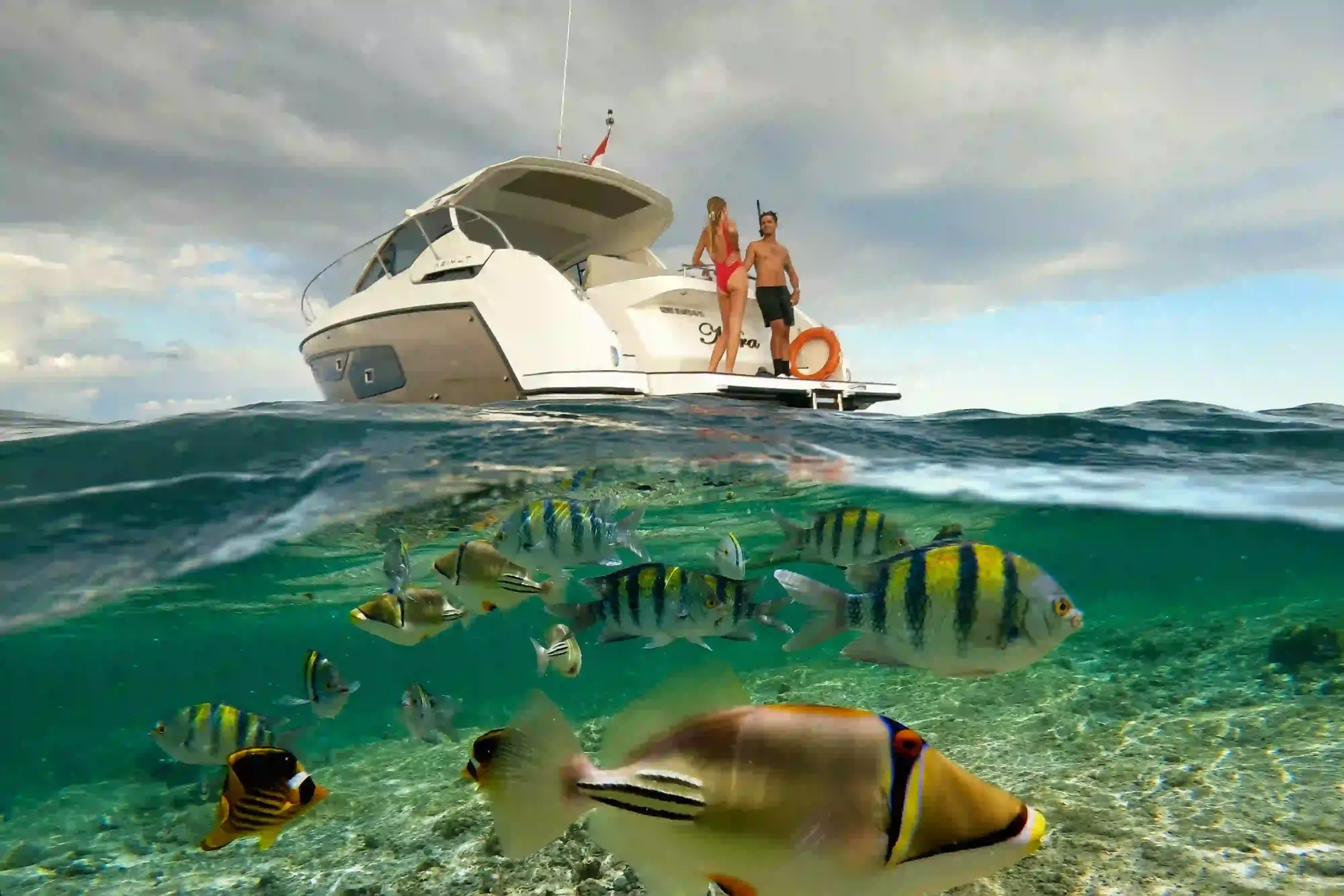
Calmer seas and lower rainfall generally translate into clearer underwater visibility at sites like Manta Point and Batu Bolong during the dry season, and August sits within that reliable window. This is part of why August draws a disproportionate share of dive-focused travellers on top of general sightseeing visitors, compounding the season’s already-high demand.
Is August too crowded?
It’s genuinely the busiest month, but the park’s structure limits how crowded it can get in absolute terms: a park-wide daily cap of 1,000 visitors, split across three entry sessions, applies in August exactly as it does in any other month. This caps total daily footfall regardless of season, though it doesn’t guarantee an empty summit at Padar during the peak mid-morning arrival window — popular sites at popular times will still feel busier in August than in a quieter shoulder month. Travellers sensitive to crowds can time visits to specific sites earlier or later in the day, on either a private or shared boat format.
Does dragon behaviour change in August?
Komodo dragons are present and actively trekked year-round on both Komodo and Rinca Islands; ranger-guided treks don’t pause or change format seasonally in any way documented in official park guidance. Claims about specific seasonal dragon behaviour changes (mating activity, alertness levels tied to a particular month) circulate in travel content but are not something this page states as fact without a citable source — where earlier versions of Komodo travel content made such claims via invented expert quotes, this page removes them rather than repeat an unverifiable specific.
How should you plan an August trip?
Given the demand peak, book your boat format — day trip, shared liveaboard cabin, or private charter — as early as your travel dates are confirmed. Our cost breakdown covers pricing across formats, none of which carries a separate official August rate card; what changes in August is availability, not the published price structure. If your priority is avoiding the absolute peak while keeping dry-season conditions, the shoulder months of April-May or September-October, covered in our 2026 seasonal guide, offer a similar weather profile with somewhat lower demand.
What should you pack for August specifically?
Dry-season August means consistent sun exposure across multiple days on the water: reef-safe sunscreen, a hat, and light long-sleeve layers for sun protection matter more here than rain gear, which is more relevant to wet-season trips. Bring adequate water and sun protection for the Padar and Komodo Island treks, which run over open, largely unshaded terrain and can feel hotter in August’s clear-sky conditions than they would under wet-season cloud cover.
How does August compare to visiting in the wet season?
The clearest contrast is sea state and crowd level, both moving in opposite directions between the two periods. August delivers the calmest crossings and clearest visibility of the year alongside the heaviest demand; wet-season months trade some weather reliability for noticeably thinner crowds and, on many shared departures, more available inventory closer to your travel date. Neither period is objectively better; the choice depends on whether guaranteed calm conditions or a quieter, less-booked-out experience matters more to your trip.
What’s a realistic one-week August plan?
A common pattern for a full week in August: 2-3 days on a liveaboard or private charter covering Rinca, Padar, Pink Beach, and one dive/snorkel stop, followed by 3-4 days either extending further into the park (Komodo Island, Manta Point) or resting and exploring Labuan Bajo town itself before departure. Building rest days into an August itinerary is worth considering given how much sun exposure and activity a consecutive multi-day boat trip involves during the year’s sunniest month.
Frequently asked questions
What is the weather like in Labuan Bajo in August?
August sits at the peak of the dry season: low rainfall, mostly clear skies, and calmer seas than the wet-season months, making it the most weather-reliable month for boat crossings and diving.
Is August a good time for diving in Komodo?
Yes. Dry-season conditions generally bring the clearest underwater visibility of the year, which is part of why August is also the busiest month for dive-focused bookings.
Is August too crowded to visit Komodo?
It’s the busiest month of the year, but the park’s daily visitor cap of 1,000 people, split across three sessions park-wide, limits total footfall; popular sites can still feel busy at peak arrival times.
Do Komodo dragons behave differently in August?
Dragons are present and trekked year-round; there is no verified, citable seasonal behaviour dataset specific to August that supports a precise claim beyond general dry-season trekking comfort.
Should I book further ahead for an August trip?
Yes. As the peak demand month, popular vessels and cabin types can book out weeks to months ahead; booking as soon as your dates are fixed reduces the risk of your preferred option being unavailable.
Is August more expensive than other months?
Boat and tour rates don’t carry a separate August-only price list, but demand-driven factors like vessel availability and flight pricing tend to push toward the higher end of normal ranges in peak month.
To check current availability for August, see Komodo Luxury’s boat tour options or reach the team via WhatsApp at +62 811-3810-8110.
Last updated: August 2026.