
What Makes a Phinisi “Luxury”
A phinisi earns the “luxury” label through three concrete standards, not marketing language: private ensuite cabins instead of shared bunks, a crew-to-guest ratio built for genuine service rather than minimum operation, and finished interiors and deck space designed for comfort over multiple days, not just transport between islands.
What separates a luxury phinisi from a standard one?
The clearest, checkable differences are cabin privacy, crew ratio and finish quality. Entry-level phinisis often use shared dormitory-style bunks or simple twin cabins with basic shared bathrooms; luxury-tier vessels offer private ensuite cabins throughout, sized and finished closer to a boutique hotel room than a basic berth. Crew ratio matters just as much — a higher-tier phinisi typically carries more crew relative to guest capacity, meaning better response time on meals, housekeeping and general service rather than a stretched-thin team covering too many guests. See the Komodo Luxury fleet overview for how cabin count and crew ratio compare across specific vessels.
What should you check about cabin standards before booking?
- Private ensuite bathroom — a genuine differentiator from budget shared-bathroom vessels.
- Air conditioning in the cabin, not just the common areas — important for comfortable sleep in tropical overnight temperatures.
- Actual cabin photos of the specific vessel, not generic stock imagery — ask directly if a listing only shows exterior shots.
- Bed configuration (double, twin, or convertible) matched to your group, since this varies meaningfully between vessels even within the same size class.
What crew-to-guest ratio should a luxury phinisi actually carry?
There’s no single industry-wide published ratio, but as a practical guide, luxury-tier vessels generally staff enough crew to cover navigation, cooking, housekeeping and guest service as distinct roles rather than doubling everyone up across multiple jobs — which is what you feel as attentive, unhurried service on board. Ask your operator directly how many crew are assigned relative to the vessel’s guest capacity if this matters to you; a specific, confident answer is a good sign, and it’s a fair question to ask before booking any of Komodo Luxury’s Signature or Prestige class vessels, or any other operator’s fleet.
Does “luxury” phinisi mean a bigger boat, or a better-finished one?
Size and luxury tier are related but not the same thing — a larger phinisi with more cabins isn’t automatically more luxurious if the finish, crew ratio and service level don’t scale with it. What actually defines the tier is the combination of private cabin standard, crew attentiveness, and interior/deck finish quality, which can vary independently of overall vessel length. A smaller, well-run luxury phinisi with two or three beautifully finished cabins can deliver a more premium experience than a larger vessel packed with more, lower-standard cabins.
What onboard amenities distinguish top-tier phinisi charters?
| Feature | Entry-tier phinisi | Luxury-tier phinisi |
|---|---|---|
| Cabins | Shared or basic private, shared bathroom common | Private ensuite throughout |
| Crew ratio | Lean, covering multiple roles per crew member | Higher ratio, dedicated service roles |
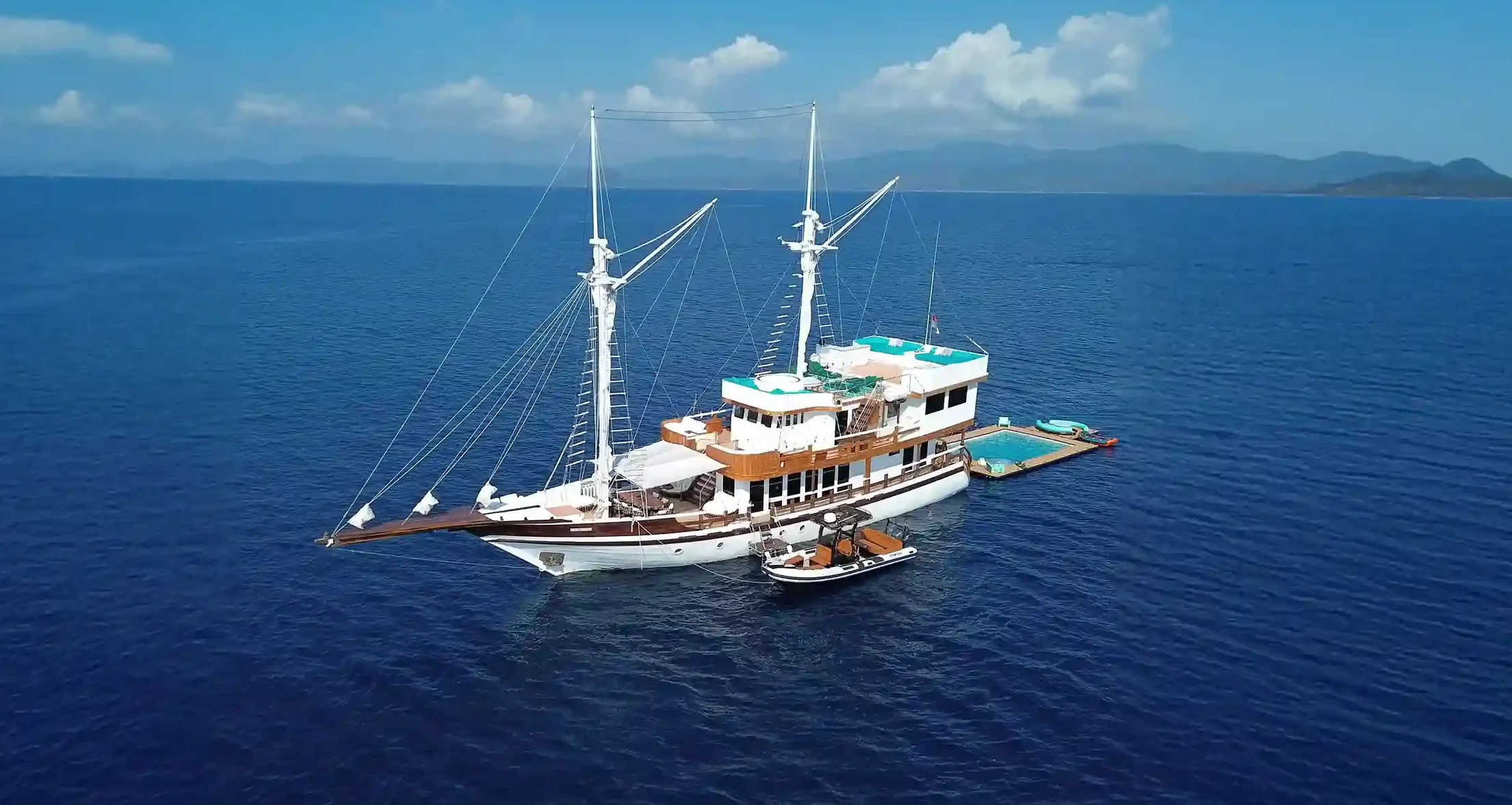
| Common areas | Functional saloon and deck | Finished sundeck, lounge and dining areas |
| Meals | Simple set menu | More varied menu, dietary accommodation |
Is a luxury phinisi worth it for a shorter 2–3 day trip, or only longer charters?
The comfort difference is noticeable even on a short 2–3 day trip, particularly around sleep quality (cabin air conditioning, bed comfort) and how relaxed the pace feels between activity stops. That said, the value compounds more on longer charters, since you’re living aboard the vessel for more nights and the crew-to-guest attentiveness has more time to show. See our full luxury phinisi charter guide for how vessel choice interacts with trip length.
Does the age of a phinisi affect whether it qualifies as luxury?
Vessel age matters less than maintenance and refit history — a well-maintained older phinisi that’s been properly refitted with updated cabins, plumbing and systems can deliver a genuinely luxury experience, while a newer build with poor upkeep or a rushed interior fit-out won’t automatically feel premium just because it’s recently constructed. If vessel age comes up in your research, ask specifically about the last refit or renovation date rather than treating build year alone as the deciding factor.
How much does interior design and finish actually matter compared to the itinerary itself?
For most travellers, the itinerary — which islands, how many days, how well-timed the sessions are — matters more to overall trip satisfaction than cabin decor alone, since you spend the majority of daylight hours off the boat at Padar, the dragon trek, and snorkel stops rather than admiring the interior. That said, evenings and any weather-affected day spent aboard longer than planned are where a well-finished, comfortable interior genuinely earns its keep — it’s a real factor, just not the only one worth weighing against itinerary quality and crew service.
What’s a reasonable way to verify “luxury” claims before booking, beyond photos?
Ask for a short video walkthrough of the specific vessel if photos alone leave questions, request recent guest reviews mentioning cabin and crew quality specifically (not just the scenery, which is spectacular regardless of vessel), and confirm directly whether the boat you’d be viewing in marketing material is the exact one you’d be chartering — some listings show a “sister vessel” from the same fleet rather than the specific boat you’d board, which is worth clarifying upfront.
Is a luxury phinisi charter a reasonable choice for a special celebration?
Yes — the format’s privacy, service level and scenic backdrop make it a popular choice for anniversaries, milestone birthdays and small group celebrations, not only honeymoons. If a celebration is the occasion, mention it when booking, since some crews can arrange small touches (a decorated cabin, a special dinner setup) with advance notice.
Does a luxury phinisi’s exterior design vary as much as its interior standard does?
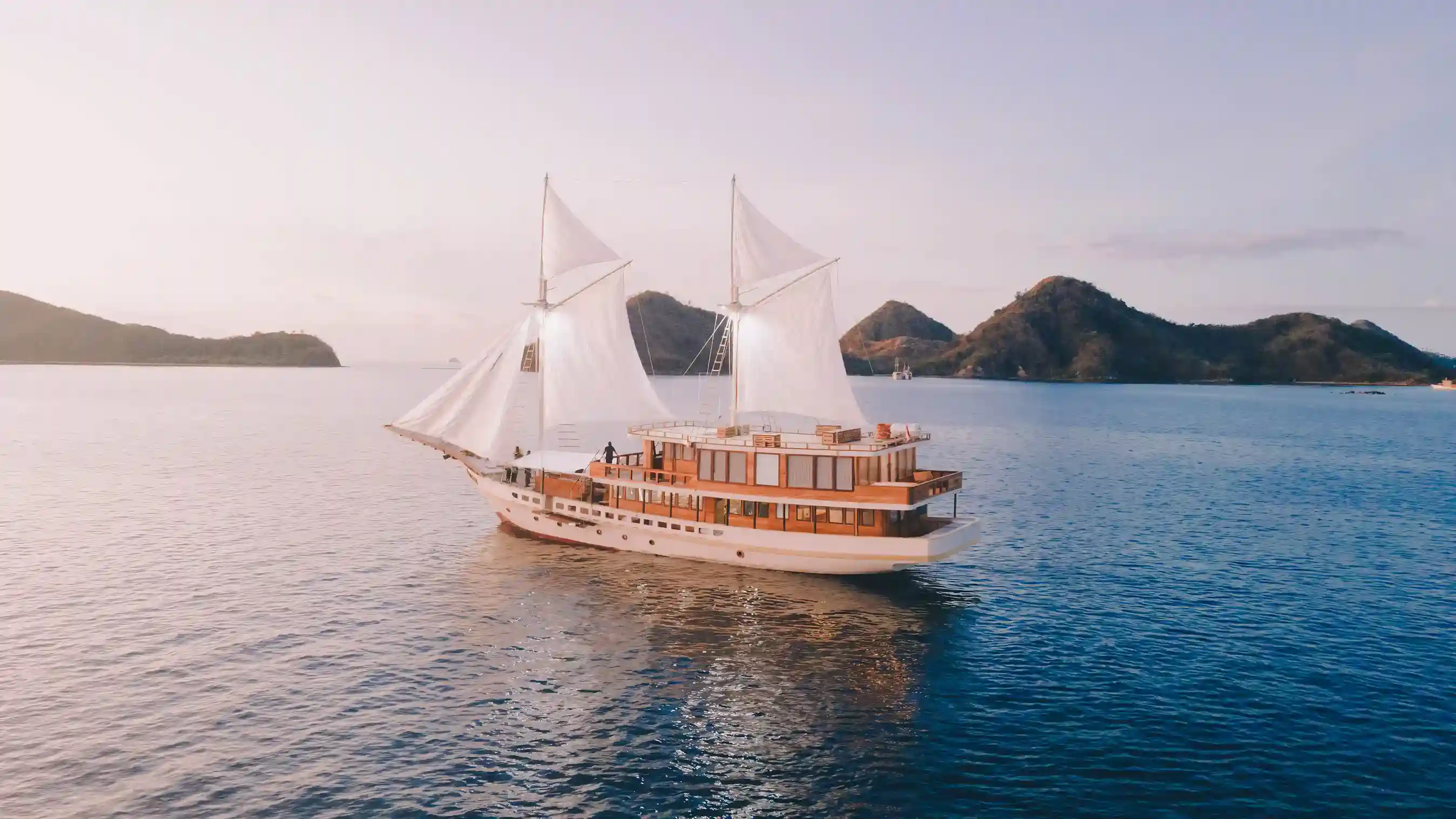
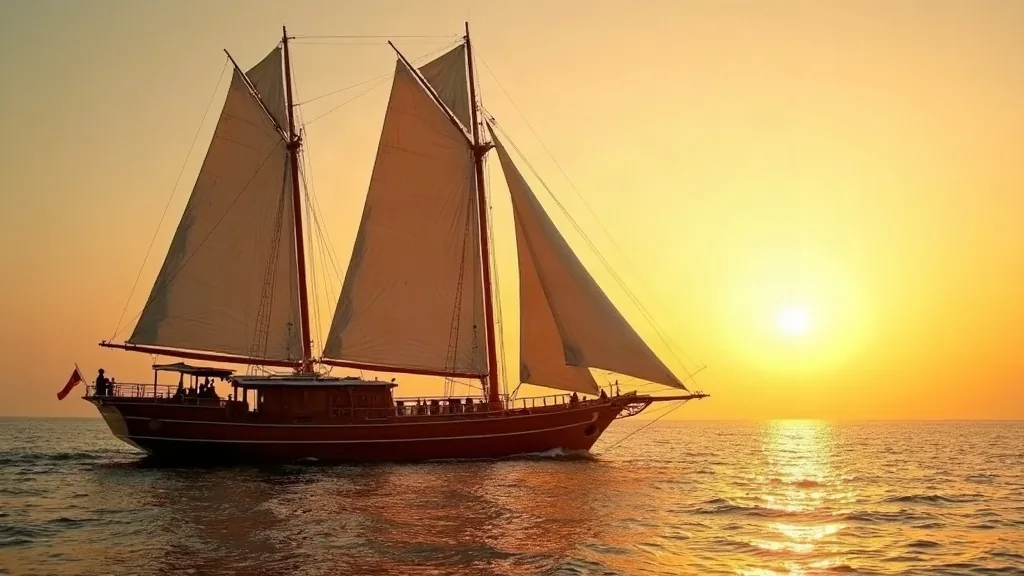
Somewhat — hull shape, mast configuration and deck layout follow the traditional phinisi form fairly consistently across the fleet, while exterior finish quality (paintwork condition, deck hardware, overall upkeep) varies more visibly and is often a reasonable outward signal of how well a vessel is generally maintained, worth noting even before you step aboard.
Choosing a Luxury Phinisi for Village & Culture Photography
A luxury phinisi is a strong choice if you care about getting good photographs around Labuan Bajo’s cultural high points, not only underwater shots. The extra comfort, hot showers and better stabilisers help you arrive fresher and more focused for shooting landscapes and village scenes after early starts.
Planning Melo village for caci dance and views
If you want photos of the caci whip dance and the scenery around Melo village, ask the boat’s concierge or cruise director to coordinate a private car from Labuan Bajo and confirm if a performance can be arranged. A higher-end phinisi team is usually better connected and more used to custom requests.
Insist on clear timing so you are on the hilltop when the light is soft. Luxury crews are more likely to adjust breakfast and tender times so you can reach the village, shoot, and still be back on board for a relaxed sunset dinner.
Including Wae Rebo in a luxury itinerary
Wae Rebo sits inland, so your phinisi will remain in harbour while you transfer by car and then hike. Where luxury helps is in the logistics and recovery. A well-run boat can coordinate the early departure, packed snacks, and a hot meal and proper shower waiting when you come back from the trail.
If your priority is photographing the traditional cone-shaped houses, discuss this at enquiry stage. Ask the operator how they time arrivals for softer light and how much flexible buffer is built into the schedule if clouds or rain delay your walk. Higher-end phinisi itineraries usually allow more slack than budget group trips.
For both Melo and Wae Rebo, use the better storage and charging setups on a luxury phinisi to keep camera bodies, lenses and drones dry and powered. That matters more than you expect once you are several days into a trip in humid conditions.
Frequently asked questions
Do all luxury phinisi charters include diving, or just snorkeling?
Both are typically available, with snorkeling gear commonly included and scuba diving offered as an add-on with certified guides — confirm specifics with your chosen vessel rather than assuming a fixed standard across every operator.
How do you verify a “luxury” listing isn’t just marketing language?
Ask for specifics: actual cabin photos of the vessel you’d be booking, crew count relative to guest capacity, and whether bathrooms are private ensuite or shared — vague answers to any of these are a reasonable reason to keep comparing.
Is a luxury phinisi charter always privately chartered, or can it be a shared booking?
Most luxury-tier phinisis are booked as private charters for a single group, since the format’s appeal is largely about privacy and control — shared “open trip” bookings more commonly run on entry-tier vessels instead.
Does a larger luxury phinisi always mean a better experience than a smaller one?
Not necessarily — a smaller vessel with fewer, better-finished cabins and a proportionally larger crew can feel more attentive and intimate than a bigger ship carrying more guests, so size alone shouldn’t be the deciding factor over finish quality and service ratio.
Compare Komodo Luxury phinisi options on WhatsApp →
Related reading: Luxury Phinisi Charter in Komodo · Boat Safety Standards · 4D3N Liveaboard Route & Schedule
Can I visit Melo village for the caci dance while on a luxury phinisi trip?
Yes, but it is a land excursion. You will dock or anchor near Labuan Bajo, then drive up by car. A higher-end phinisi team can usually pre-arrange the car, timing and local coordination so you have the best chance to photograph the caci performance and surrounding hills in good light.
How does a luxury phinisi help if I want photos of Wae Rebo’s traditional houses?
The boat itself does not go to Wae Rebo, but a quality operation can build the inland side trip into your schedule. That includes early breakfast, transport arrangements, flexible timing for the hike, and a comfortable return to air-conditioned cabins, hot showers and proper meals after a long day shooting and walking.
Should I start from a luxury phinisi or a hotel if my main goal is village photography?
If your focus is only Melo and Wae Rebo, a hotel base can work well. Choose a luxury phinisi if you also want comfortable island hopping and marine activities, while still having a crew that can coordinate one or two culture-focused days with photography-friendly timing.