4D3N Liveaboard Route & Schedule
A 4-day, 3-night Komodo liveaboard adds real breathing room over the standard 3-day trip — enough to cover Padar, a dragon trek, Pink Beach and at least two additional snorkel or dive stops without the tighter pacing a shorter itinerary requires.

What does a typical 4D3N Komodo route look like?
| Day | Stop | What happens |
|---|---|---|
| 1 | Departure, Kalong Island | Board in Labuan Bajo, sail past Kalong (Bat) Island at dusk, overnight at sea |
| 2 | Padar, Pink Beach | Sunrise hike at Padar, Pink Beach swim and snorkel, afternoon reef stop |
| 3 | Komodo/Rinca trek, Manta Point | Ranger-guided dragon trek, afternoon snorkel or dive at a manta or reef site |
| 4 | Final stop, return | Morning island or beach stop, sail back to Labuan Bajo, arriving by early afternoon |
This sequence flexes around your operator’s booked SiOra entry sessions and weather, but the four anchor blocks — departure/Kalong, Padar/Pink Beach, dragon trek/manta, final stop/return — appear in most 4D3N routes sold out of Labuan Bajo.
What does the extra day over a 3-day trip actually add?
The fourth day typically buys you one more full snorkel or dive stop — often at a manta ray site or a reef further from the standard 3-day circuit — plus a less rushed schedule overall, since activities aren’t compressed as tightly between transfers. If you compare against our 3-day itinerary guide, the core highlights are the same; the 4D3N format simply gives each one more room and adds a genuine additional stop rather than repeating the same three.
Is 4D3N enough time to include a dedicated dive day?
It can accommodate one solid dive session at a well-known site (commonly Manta Point or a comparable reef), but travellers wanting multiple dedicated dive days across several sites should look at a longer 5–7 night itinerary instead, since 4D3N’s schedule still needs to fit Padar, the dragon trek and Pink Beach alongside any diving. See our 5-Day Labuan Bajo Komodo Itinerary guide if diving is a bigger priority than a tight schedule.
What boat types typically run the 4D3N route?
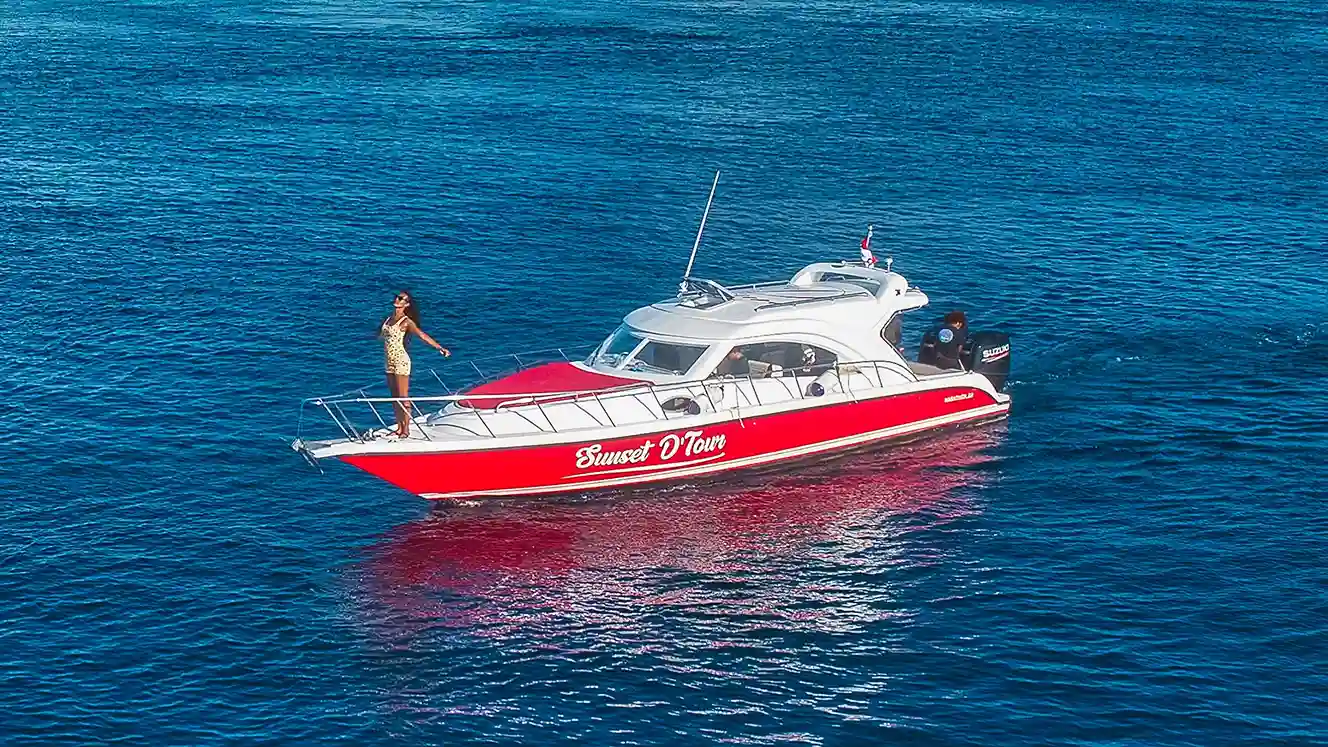
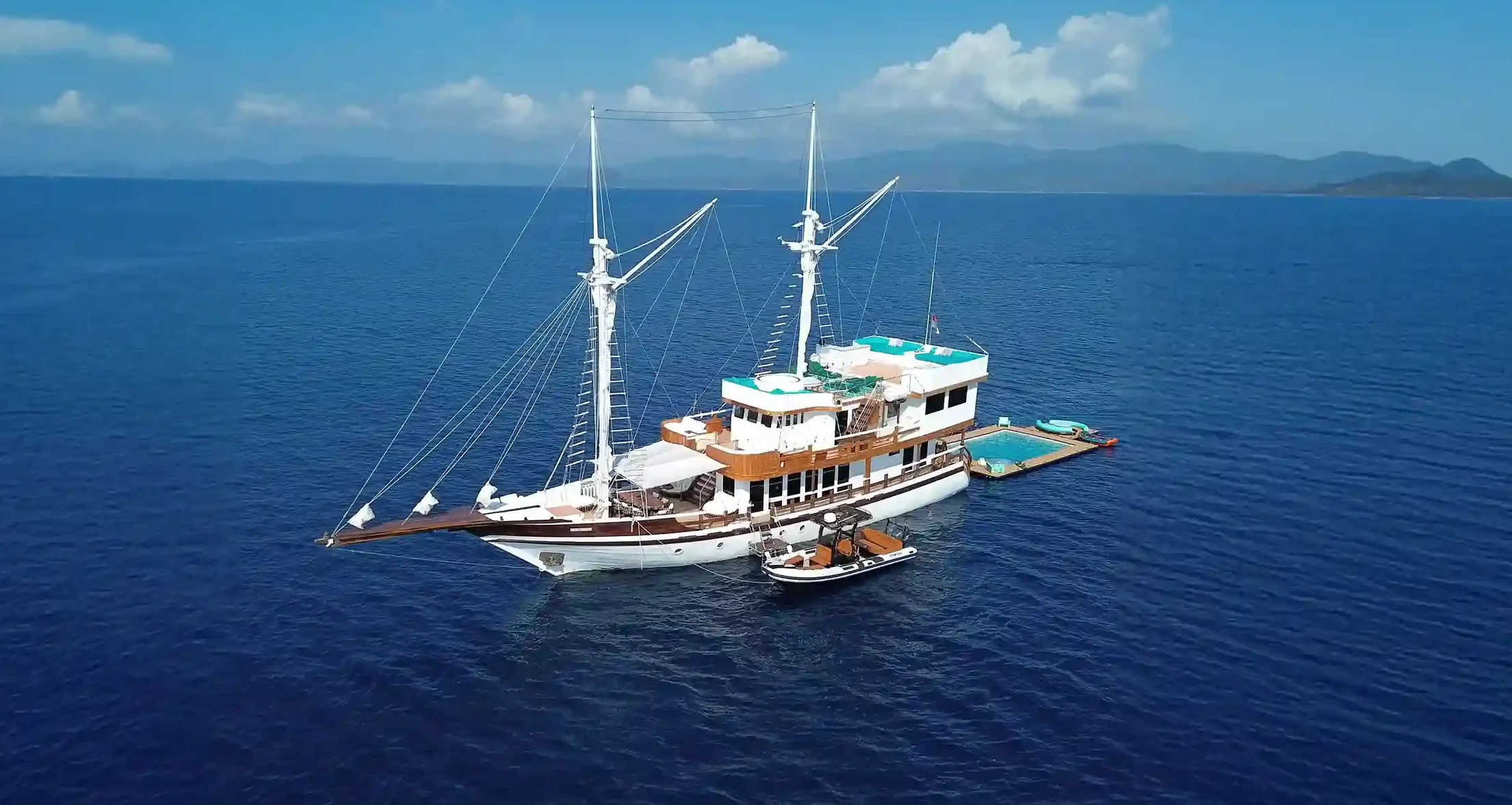
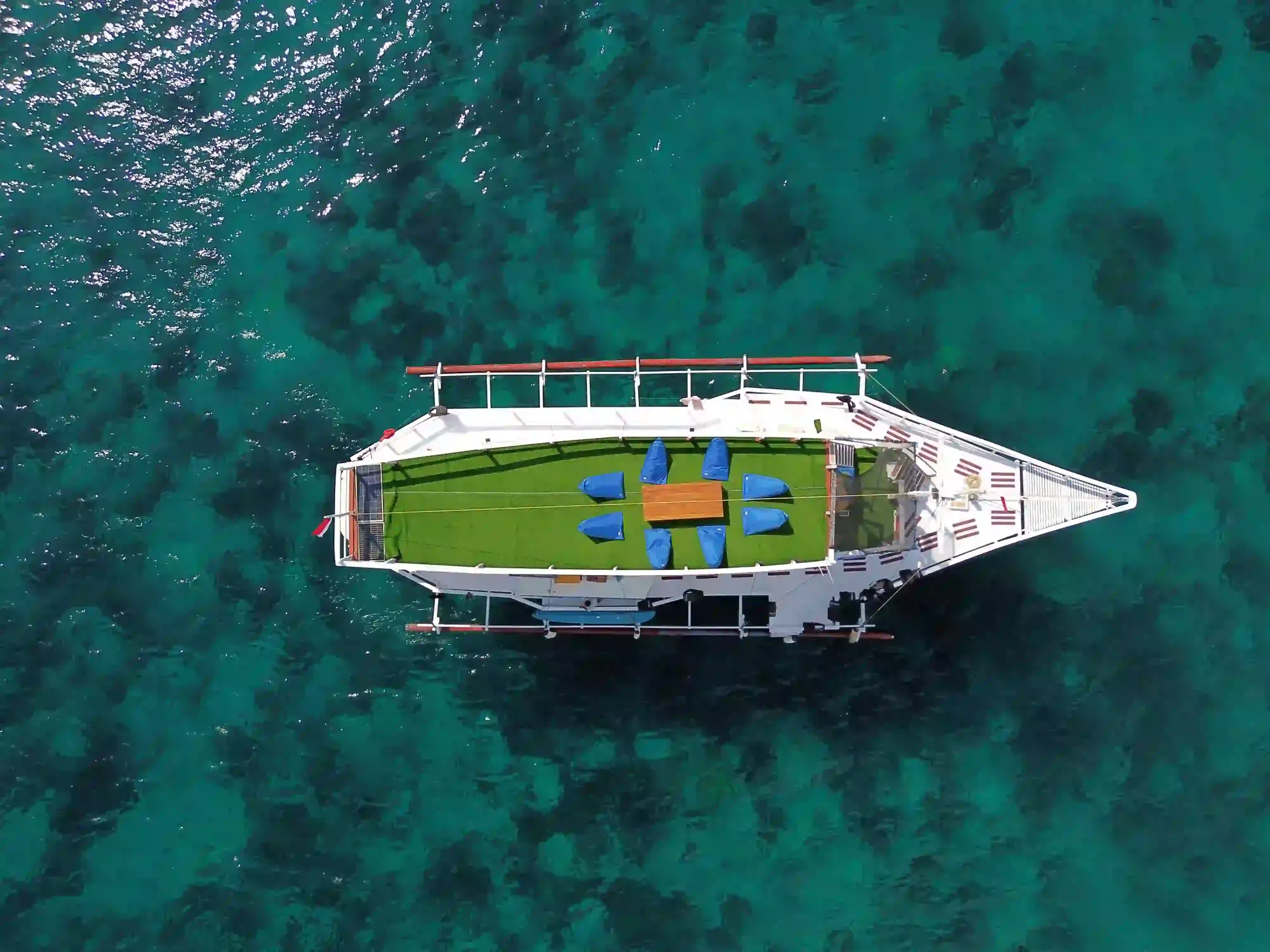
Both shared open-trip liveaboards and private charter phinisis run this length regularly — it’s one of the most commonly packaged durations out of Labuan Bajo. A private charter on this schedule gives you room to swap the manta/reef stop for a different site if conditions or interest lean that way; a shared departure follows a fixed route set by the operator. See current 4D3N liveaboard options, checked August 2026, for both formats.
What should you pack specifically for a 4-night trip versus a shorter one?
- An extra change of reef-safe sunscreen application — more days on the water means more reapplication than a shorter trip.
- A second set of quick-dry clothing, since laundry isn’t typically available mid-trip on a liveaboard.
- A dive log and certification card if you’re planning to use the extra day for diving rather than snorkeling only.
- Motion sickness medication for the additional overnight sailing leg compared with a 3-day trip.
How does 4D3N compare on value against a shorter or longer trip?
Against a 3-day trip, 4D3N typically adds one meaningful extra stop and a noticeably less rushed pace for a modest increase in total trip length — a reasonable middle ground for travellers who want more than the minimum but don’t have a full week. Against a 5–7 night trip, 4D3N covers less ground and fewer dive sites, but suits travellers with tighter overall holiday time better. See our 7-Day Komodo & Flores Itinerary from Labuan Bajo guide for what the longer end of the range adds.
How much flexibility does a 4D3N route actually have on a shared departure?
Shared 4D3N open-trip departures follow a fixed route set by the operator, so the specific day-by-day schedule shown above represents a typical structure rather than a guaranteed identical sequence on every boat — some operators front-load the dragon trek on Day 1 if their booked SiOra session allows it, saving the additional snorkel or dive stop for later days. If the exact sequencing matters to you, ask to see the specific day-by-day plan for your booked departure rather than assuming it matches this general pattern exactly.
What’s a realistic wake-up and activity schedule across the 4 days?
Expect early starts on activity-heavy days — typically a 5:00–5:30am wake-up for the Padar sunrise hike, with other days starting somewhat later around 7:00–8:00am for breakfast before the day’s first activity. Afternoons and evenings are generally more relaxed, with time for swimming, resting on the sundeck, or an evening briefing about the next day’s plan. This rhythm — early, active mornings and slower afternoons — is fairly consistent across most 4D3N Komodo itineraries regardless of operator.
How does a 4D3N trip handle transitions between anchorages overnight?
Consistent with standard safety practice across the industry, overnight movement between anchorages is scheduled as short, open-water crossings completed in early evening rather than extended night-time transits through narrower, reef-adjacent channels — see our boat safety and night-sailing guide for the full reasoning behind this approach, which applies to a 4D3N itinerary exactly as it does to any other trip length.
Is 4D3N a good length specifically for a group with mixed interests (some divers, some not)?
Yes — this is one of the format’s practical strengths. The extra day beyond a standard 3-day trip is often used for an optional dive or deeper snorkel session, meaning non-diving guests can relax on the boat or snorkel at the surface of the same site while divers go deeper, without either group needing a separate, dedicated day away from the rest of the group’s itinerary.
How should you decide between 4D3N and a 5-day itinerary if you’re undecided?
If your main question is “will I feel rushed,” 4D3N already resolves that compared with a 3-day trip; a 5-day itinerary is worth the extra step up mainly if you specifically want an additional dive site or a slower, less activity-packed daily rhythm rather than simply “more time” in the abstract. See our 5-Day Labuan Bajo Komodo Itinerary guide for exactly what that extra day adds.
What’s the most commonly skipped stop when a 4D3N schedule runs tight?
If weather or timing pressure forces a trim, the optional additional snorkel or dive stop on Day 3 is generally the first thing adjusted, since the three headline stops — Padar, the dragon trek, Pink Beach — are treated as non-negotiable by most operators regardless of schedule pressure.
Frequently asked questions
Does a 4D3N trip visit both Komodo Island and Rinca Island?
Usually only one, depending on which SiOra session is booked for the dragon trek — some extended 4D3N routes include both if the schedule and permit sessions align, but confirm with your specific operator rather than assuming.
Is 4D3N the most commonly booked Komodo liveaboard length?
It’s one of the most popular durations, sitting between the shorter 3-day trip and longer 5–7 night itineraries, and is often seen as the sweet spot for travellers wanting a fuller experience without committing a full week.
Can the route order change based on weather?
Yes — captains adjust stop order and timing for safety in changing conditions; see our Komodo Boat Safety guide for how operators handle weather-driven itinerary changes.
Get a 4D3N liveaboard quote from Komodo Luxury on WhatsApp →
Related reading: 3-Day Itinerary · 5-Day Labuan Bajo Komodo Itinerary guide · Luxury Phinisi Charter · Komodo Boat Tour
After reading about the 4D3N liveaboard route and schedule, you can explore this site’s sister company Komodo Luxury for boat options, cabin layouts and trip packages.
Komodo Luxury: the vessel fleet and cabin plans · 4D3N Komodo package · 3D2N Komodo package.