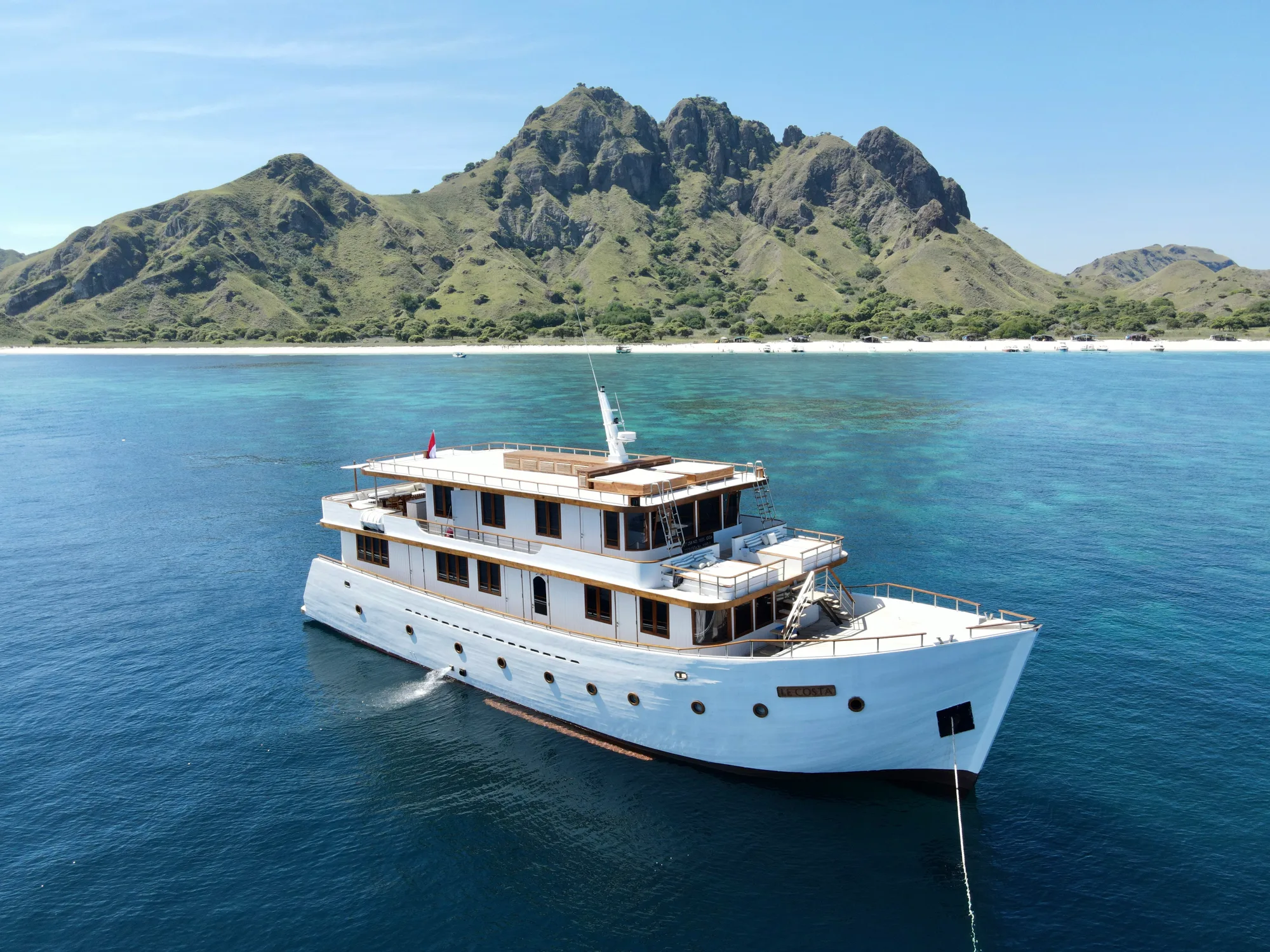
Day Trip vs Liveaboard vs Land-Based: Choosing Your Komodo Format
Answer: Choose a one-day trip if you have limited time and want the highlights (Padar, dragons, Pink Beach) without an overnight boat stay. Choose a liveaboard if diving, remote sites, and unhurried multi-day pacing matter most. Choose a land-based format (hotel plus day charters) if you get seasick easily or want a fixed base each night.
Reviewed 26 August 2026. The research behind “Day Trip vs Liveaboard vs Land” rests on Komodo Luxury’s published rates, each cited inline at the point it is used.
Decision matrix
| Format | Best for | Trade-off |
|---|---|---|
| One-day trip | Limited time, tighter budget | Rushed pace, no overnight/remote sites |
| Liveaboard | Divers, unhurried multi-island pacing | Sleeping aboard, higher cost per night |
| Land-based + day charters | Seasickness-prone, families wanting a fixed base | Less access to the most remote sites, hotel cost adds up |
Who should choose a one-day trip?
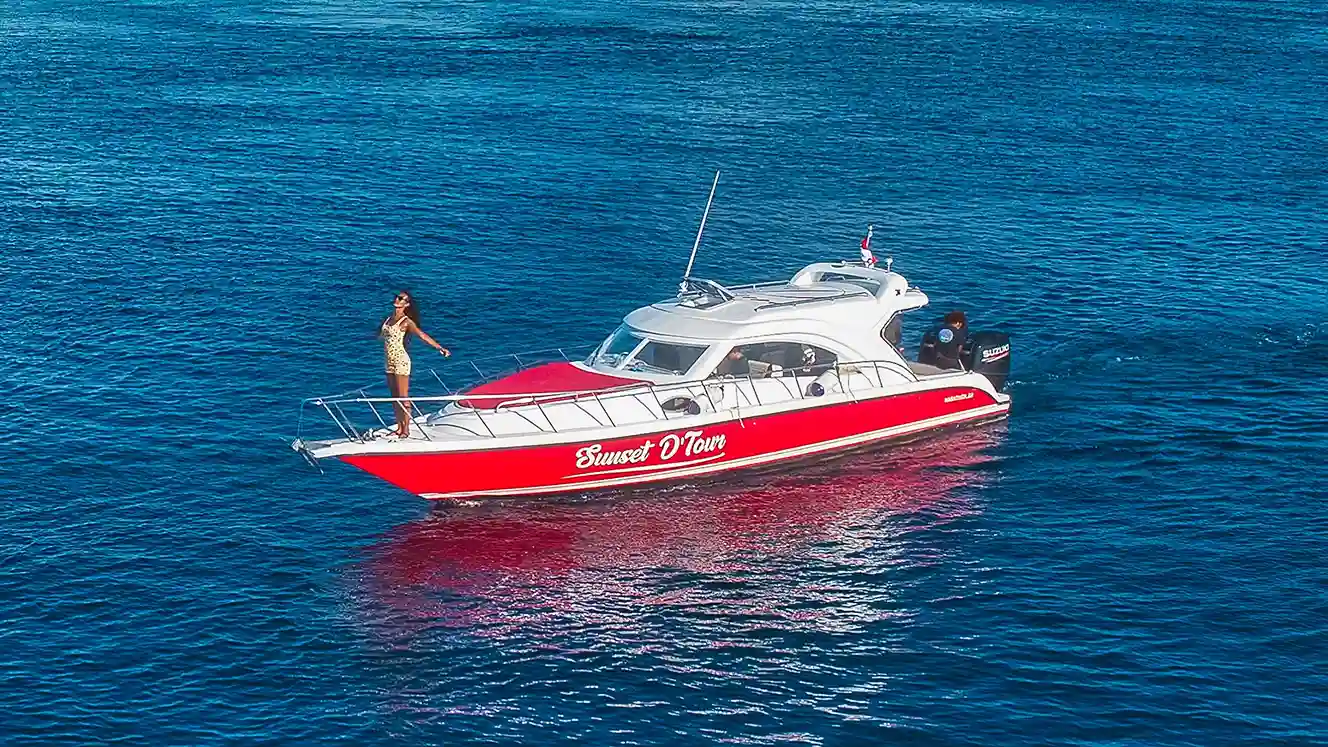
Travellers with limited time (a stopover between other destinations), a tighter budget, or those unsure whether multi-day boat travel suits them. A single day by speedboat covers Padar, a dragon trek, and Pink Beach comfortably; see our 1-day itinerary guide for the realistic hour-by-hour version of this format.
Who should choose a liveaboard?
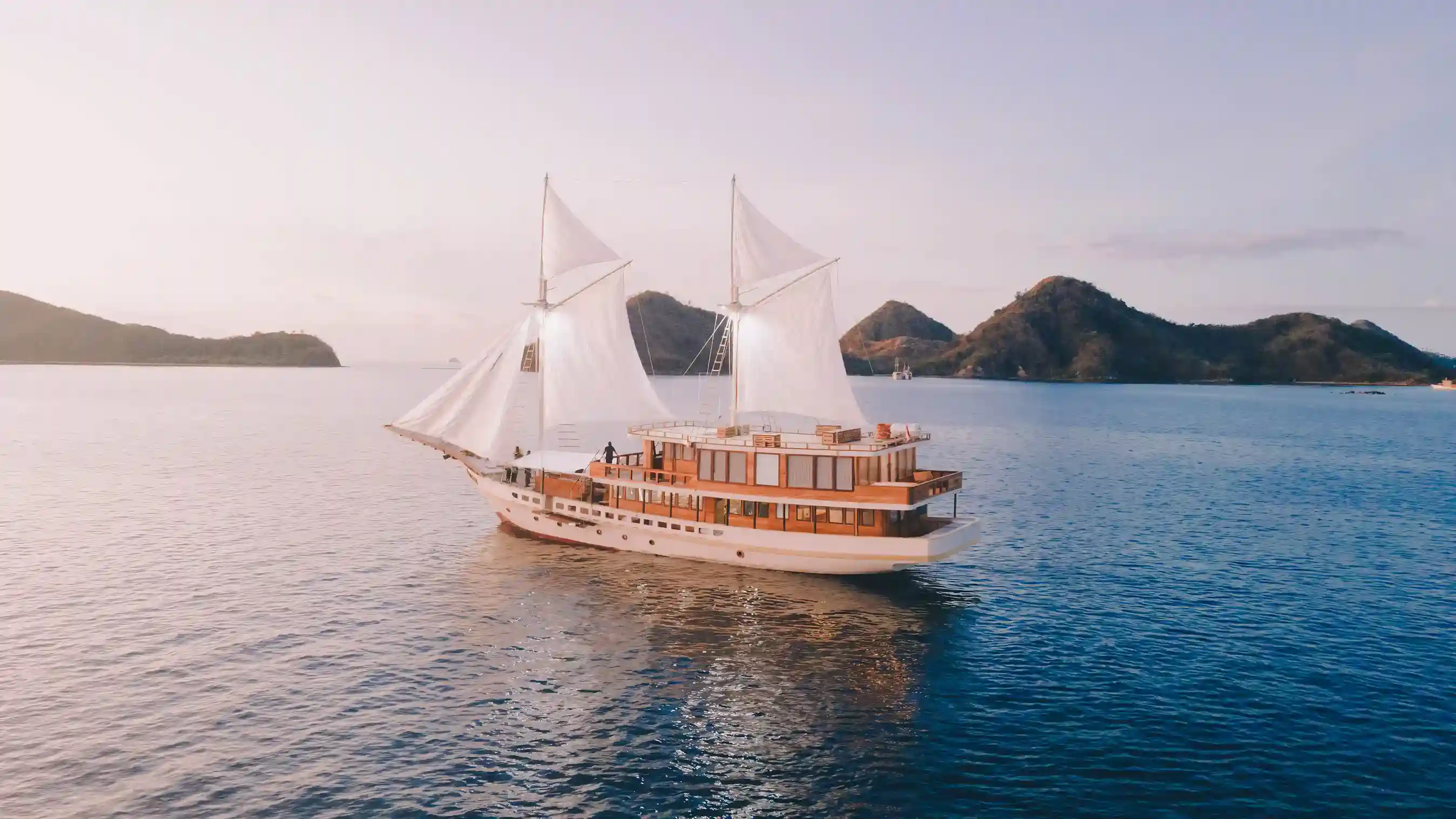
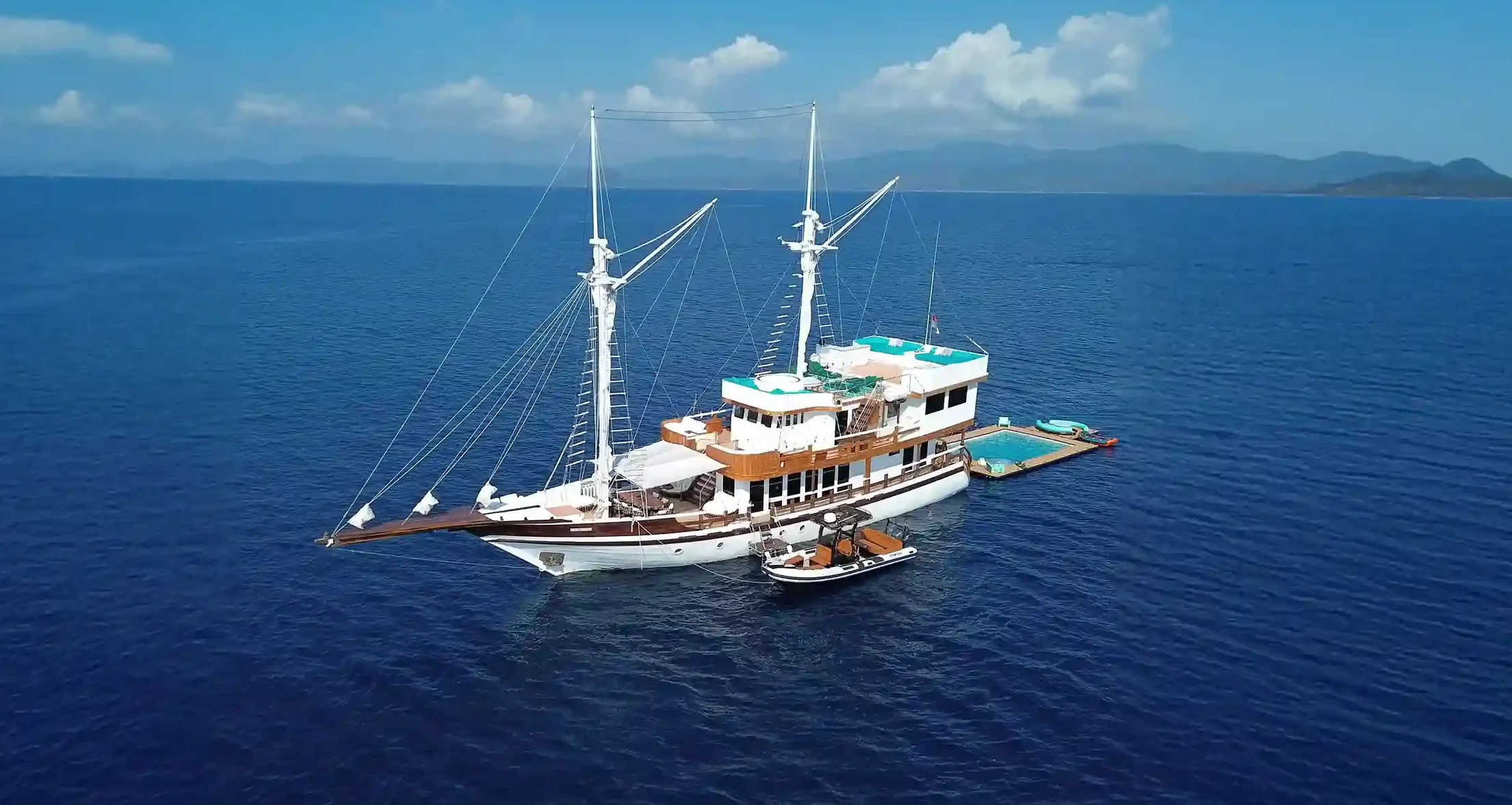
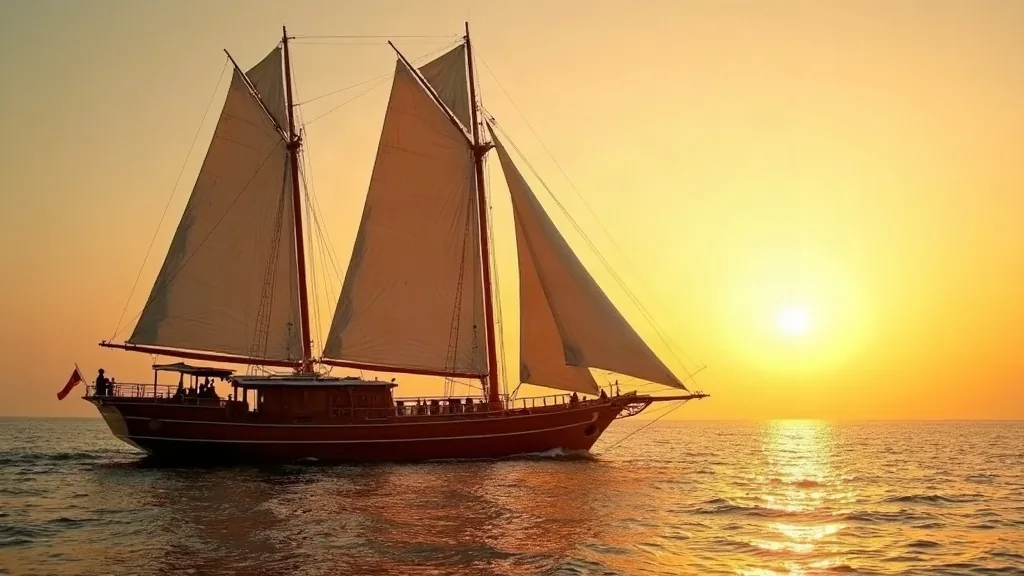
Divers wanting access to remote sites like Manta Alley and the northern pinnacles, photographers wanting unhurried time at Padar and Kalong, and travellers who want the sailing itself — sleeping aboard, waking up at a new anchorage — as part of the experience rather than just transport between stops. A 3-day, 2-night liveaboard is a common entry point; see our 3-Day Labuan Bajo Komodo Itinerary guide for what that structure typically covers.
Who should choose a land-based format?
Travellers prone to seasickness, families wanting a consistent hotel base with amenities each night, or anyone uncomfortable with the idea of sleeping on a boat for multiple nights. This format combines a fixed hotel stay in Labuan Bajo with one or more day charters into the park, trading some flexibility and access to the most remote sites for comfort and predictability on land each evening. See our town guide for what a land-based stay looks like beyond the boat days.
How does cost compare across the three formats?
A one-day trip is generally the lowest total cost since it avoids multiple nights of boat accommodation and crew time. A liveaboard’s cost scales with nights and boat class, and a private liveaboard charter costs more per person for small groups than a shared departure. A land-based format’s total cost depends heavily on hotel choice, which is a variable a boat-only trip doesn’t carry — a land-based trip isn’t automatically cheaper than a modest liveaboard once hotel nights are added up.
Can you combine formats on one trip?
Yes, and many travellers do — for example, a land-based stay with one or two day charters, followed by a shorter liveaboard add-on for a specific dive site, or a one-day trip on arrival followed by a longer liveaboard later in the stay. There’s no rule requiring you to pick only one format for an entire Labuan Bajo visit.
What about safety differences between the three formats?
Seaworthiness and crew competence matter more than format choice itself — a well-run one-day speedboat trip, liveaboard, or day-charter-from-hotel arrangement can all be equally safe or equally risky depending on the specific boat and operator. That said, liveaboards involve more hours at sea and overnight anchorages, which raises the practical importance of confirming safety equipment and emergency communication specifically for multi-night trips. See our safety guide regardless of which format you choose.
How does group composition affect the right choice?
Solo travellers and couples have the most flexibility across all three formats, since group-size cost dynamics matter less. Families with young children often do better with a land-based or one-day format that limits consecutive nights away from familiar routines and amenities. Dedicated dive groups almost always gravitate to a liveaboard, since day-trip formats rarely reach the most productive dive sites within a single day’s transit time.
Which format works best for diving Three Sisters?
The Three Sisters dive site sits on the outer edge of Komodo National Park, so your format choice matters if you want to include it. You can reach it on certain advanced day trips, but in practice it is more reliably included on liveaboard dive itineraries.
Accessing Three Sisters on different trip formats
A one-day trip from Labuan Bajo needs good sea conditions, a fast boat and an early start to fit Three Sisters plus at least one other site. Operators usually reserve it for confident divers who are happy with more current and a slightly longer surface journey.
Liveaboards have far more flexibility. They can time the tide, plan a full briefing and repeat the dive if everyone enjoys it. If Three Sisters is a priority, a two or three night liveaboard with a dive focus gives you the best odds of actually getting there and not having to switch to a backup site.
Land-based formats sit in between. You sleep in Labuan Bajo, then join day boats that may schedule Three Sisters on specific days. This works well if you want hotel comfort at night but still hope to experience a more remote site, as long as you are ready to be flexible with which day you dive it.
Matching experience level and expectations
Three Sisters usually suits divers who are relaxed in currents and used to mid-water ascents. If you are freshly certified, you might prefer easier central sites and keep Three Sisters for a future visit. Whichever format you pick, say clearly that Three Sisters is a preference, not a deal-breaker, so the crew can weigh it against weather and safety.
Frequently asked questions
Which format is best for first-time visitors?
A 3-day, 2-night liveaboard or a land-based stay with 2-3 day charters both work well for first-timers, covering the highlights without the time pressure of a single day or the full commitment of a week-long sailing.
Is a land-based trip cheaper than a liveaboard?
Not necessarily once hotel costs are included; it depends on hotel choice and how many day charters you book. Compare total costs directly rather than assuming one format is inherently cheaper.
Can you dive on a one-day trip?
Snorkelling is commonly included or optional on a one-day trip; dedicated scuba diving with equipment and a dive guide is more typically a liveaboard or specific dive-charter product.
Can beginner divers visit Three Sisters in Komodo?
Three Sisters is usually recommended for divers who are already comfortable with current, varying depth and mid-water ascents. Newly certified divers may be taken there only in very calm conditions and with close supervision. If you are a beginner, expect your guide to steer you to gentler central Komodo sites instead.
Is a liveaboard essential if I want to dive Three Sisters?
A liveaboard is not strictly essential, but it increases your chances. The site is easier to schedule on multi-day itineraries that can wait for the right tide and weather. Some fast-boat day trips from Labuan Bajo reach Three Sisters, but these departures are less frequent and more weather dependent.
How many dives at Three Sisters can I expect on a trip?
Most itineraries, whether liveaboard or land-based, treat Three Sisters as one featured dive in a wider day plan. Occasionally, if conditions and group preferences line up, a liveaboard might offer a second dive there. It is rare to spend a full day repeating only this site.
Can you upgrade or downgrade mid-trip?
Generally no, not spontaneously — each format involves different boats, crews, and logistics booked in advance, so switching from a land-based day-charter plan to a liveaboard partway through your stay usually means a new booking rather than an on-the-spot change. If you’re unsure which format suits you, it’s more practical to book a shorter commitment first (a one-day trip or a single day charter) and decide on a longer liveaboard for a return visit, rather than book a long liveaboard speculatively and hope it suits you.
How does trip length interact with format choice?
A one-day trip is, by definition, short; but liveaboard and land-based formats both scale across a range of lengths, from a compact 2-night liveaboard to an 11-night sailing, or from a 2-day land-based stay to a week-plus with multiple day charters. Decide on total available time first, then match format to that window rather than picking a format in the abstract and forcing your schedule to fit it.
What’s the environmental footprint difference, if any?
All three formats rely on motorised boats for park access, so the core transport footprint is broadly similar per boat-hour regardless of format label. A liveaboard consolidates multiple days of transport into continuous boat time rather than repeated day-charter round trips from the harbour, which can mean fewer total harbour-to-park crossings for the same number of park days compared with a land-based stay doing a fresh day charter each time.
Match your format to a current package
Whichever format fits, current departures and boats are on the Komodo boat tour page.
Related Komodo Luxury pages: One-day trip · Komodo liveaboard · Labuan Bajo tour · Private trip.