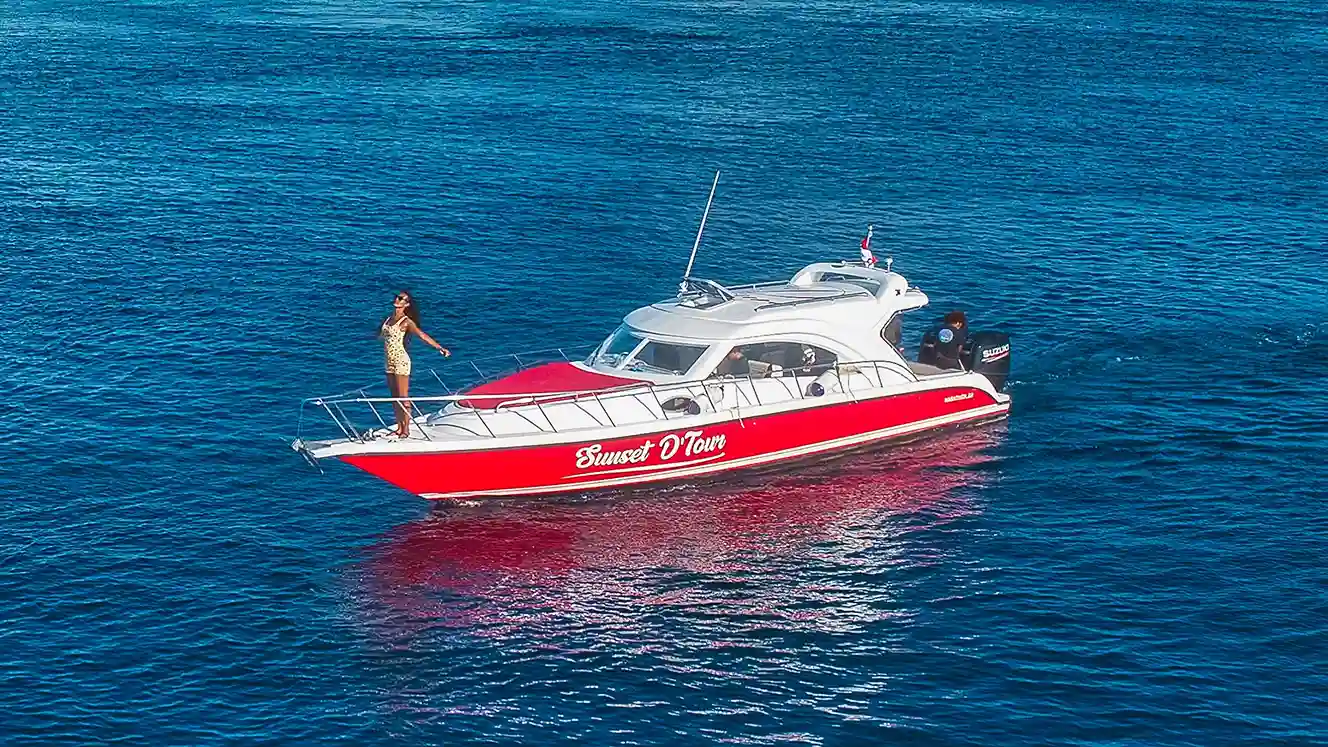
Labuan Bajo liveaboard cost is driven by five main factors: cabin class (shared bunk vs private vs premium suite), boat age and build quality, trip length, whether you book a shared open trip or private charter, and season (July–September peak pricing runs well above shoulder or wet-season rates). Rather than quote a fixed number here, this guide breaks down what actually moves the price so you can compare quotes intelligently.
Last updated: August 2026. For current, itemized pricing by cabin class, see Komodo Luxury’s liveaboard fleet page directly — pricing on a guide page like this one goes stale quickly, while the operator’s own package pages stay current.
Factor 1: Cabin Class
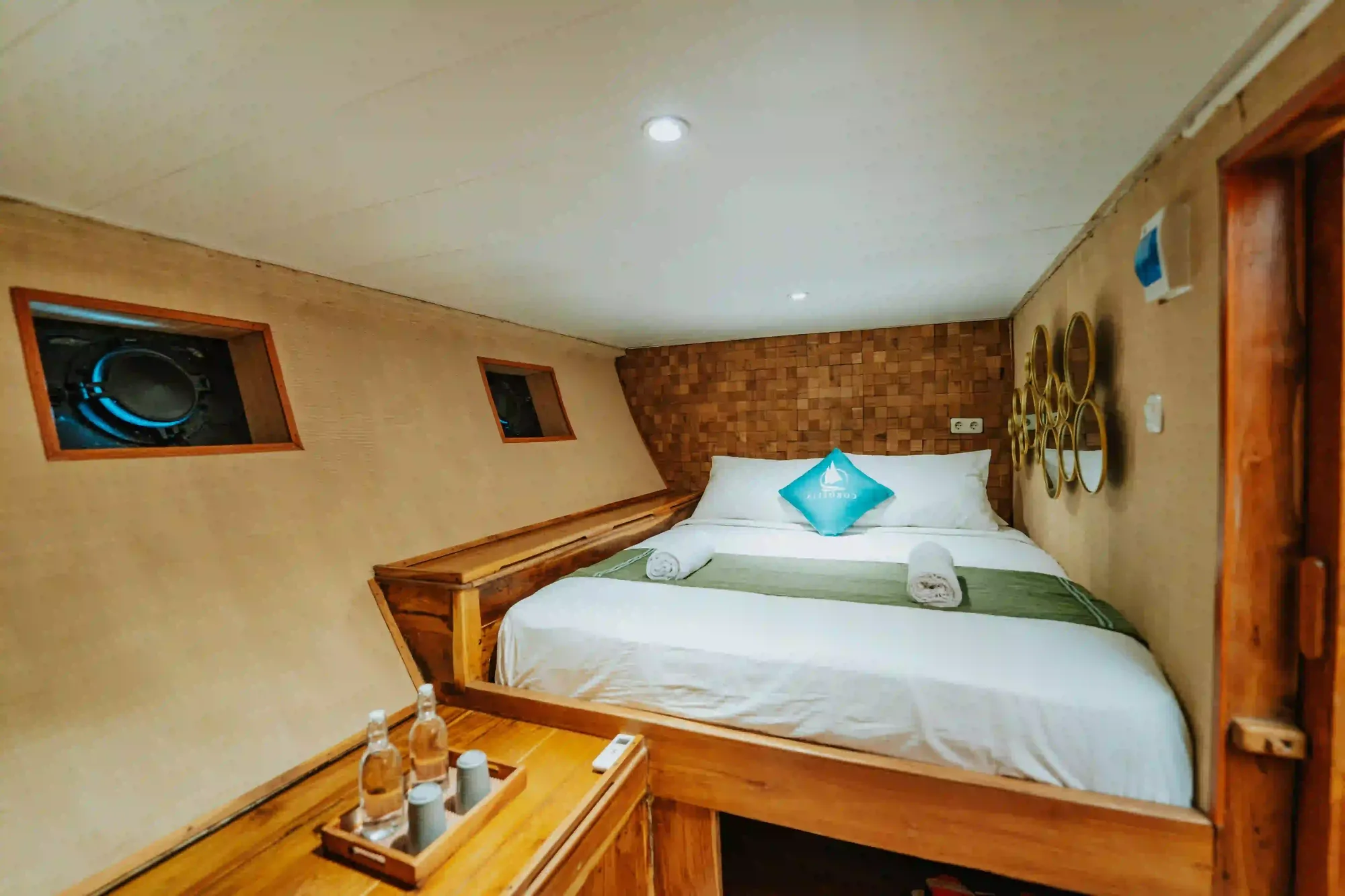
The single biggest cost driver on any liveaboard. Shared bunk-style cabins with shared bathrooms sit at the budget end; private double/twin cabins with ensuite bathrooms cost meaningfully more; premium or luxury suites with air conditioning and more space top the range. Two boats running the identical route can differ significantly in total cost purely based on cabin tier.
Factor 2: Boat Age, Size, and Build Quality
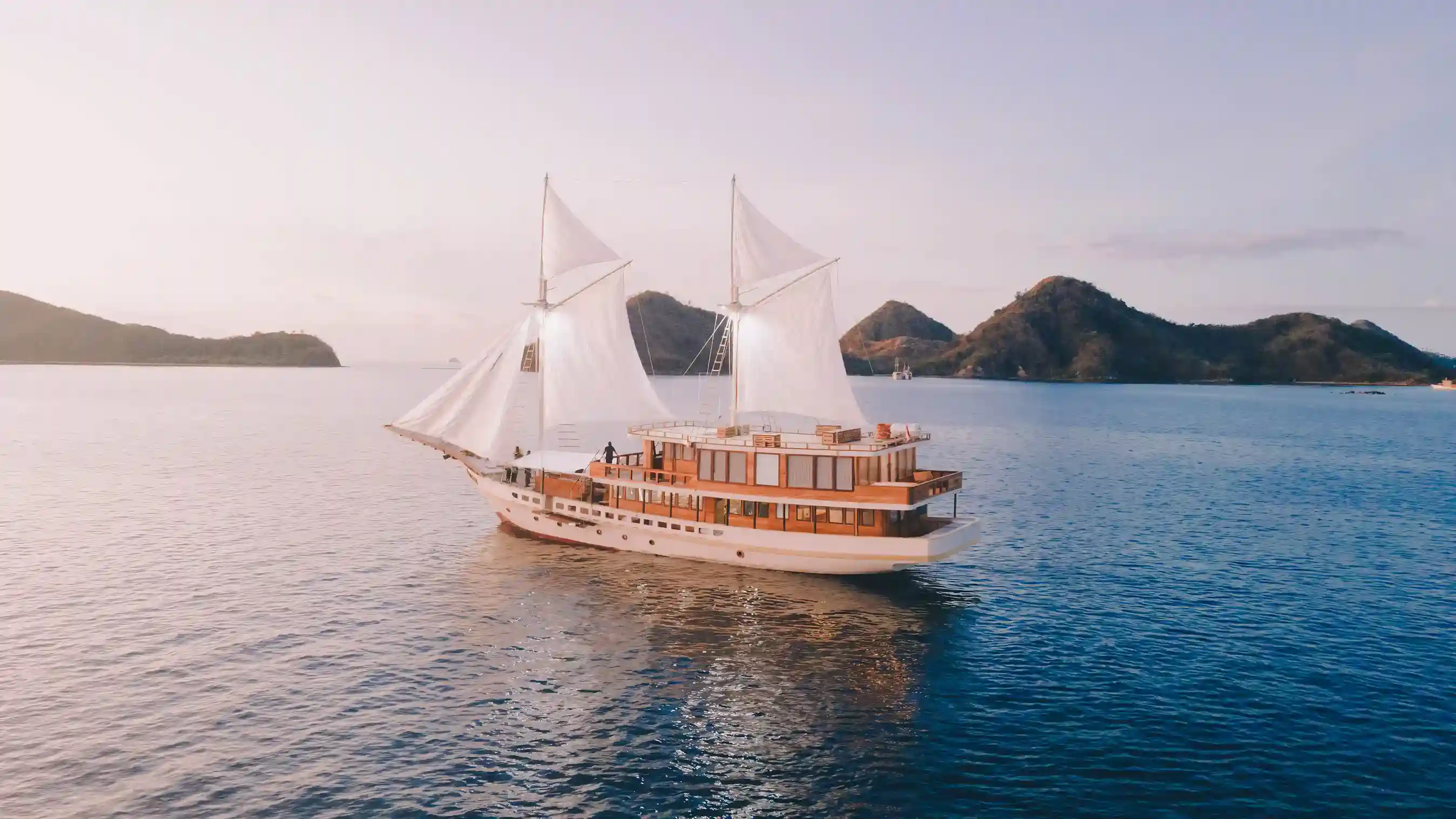
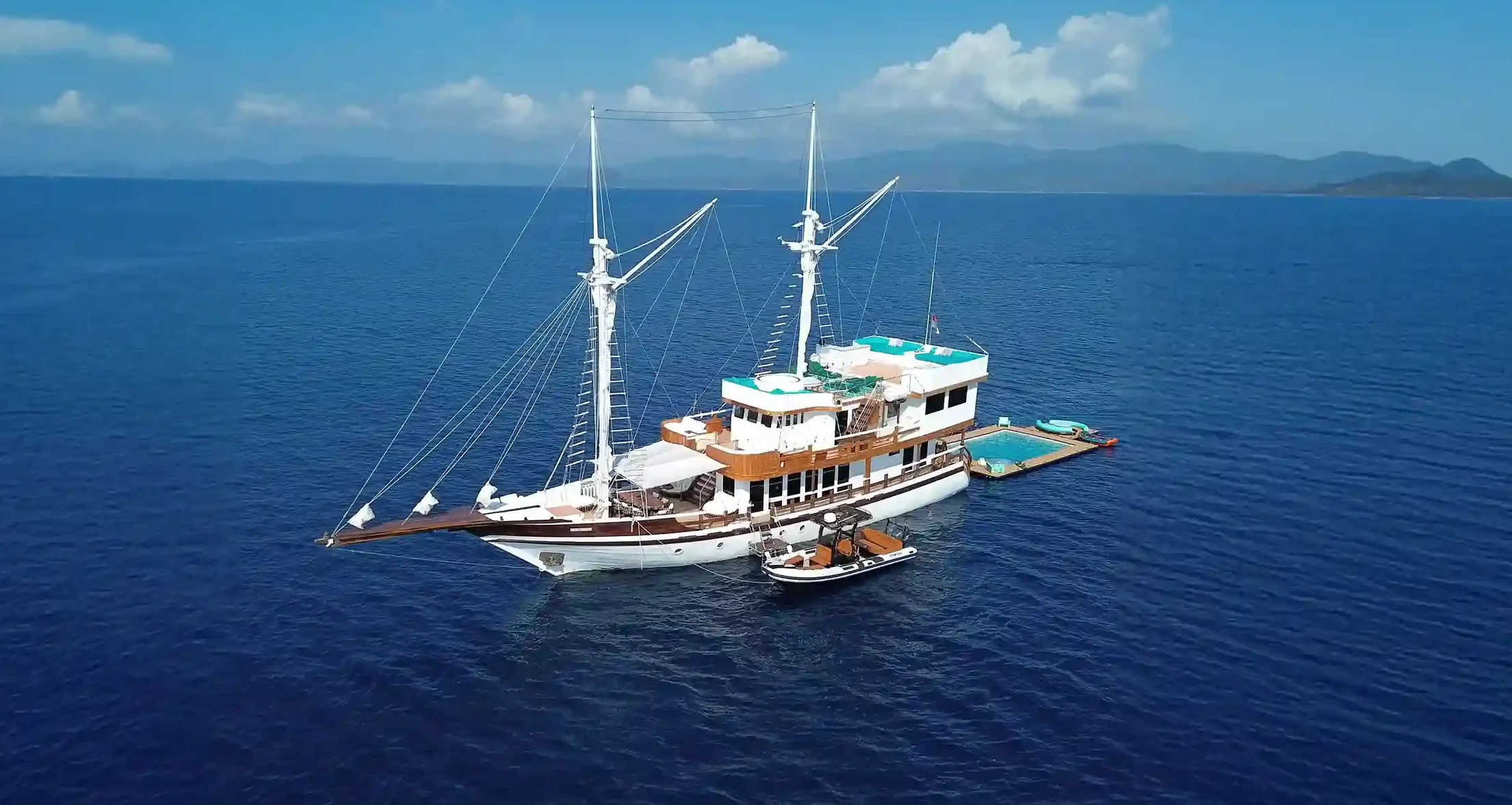
Newer, larger, better-maintained phinisi boats with more amenities (air conditioning throughout, better common areas, higher crew-to-guest ratios) command higher prices than older or smaller vessels running the same route. This isn’t purely cosmetic — boat quality also affects comfort in rougher seas and reliability of amenities like fresh water and power.
Factor 3: Trip Length
Total cost scales with days aboard, but not always linearly — per-day cost sometimes decreases slightly on longer trips as fixed costs (crew, initial provisioning) spread across more days. A 3D2N trip and a 7-day trip on the same boat class will differ substantially in total cost but not necessarily in per-day cost. See our 7-Day Komodo & Flores Itinerary from Labuan Bajo guide and 4D3N package guides for what each length actually covers.
Factor 4: Shared Open Trip vs Private Charter
A shared open trip splits the boat’s total cost across all booked travelers, making per-person cost lower but giving up control over exact route and cabin mates. A private charter books the entire boat for your group at a higher total cost, but per-person cost becomes competitive with premium shared cabins once a group reaches roughly four or more people. See private trip and open trip package structures for a direct comparison on the operator’s own current pricing.
Factor 5: Season
July through August (peak dry season, overlapping school holidays) commands the highest prices of the year across every cabin tier. Shoulder months (April–May, October) offer a middle ground of good conditions and moderate pricing. Wet season (November–March) offers the lowest prices but the least predictable sea conditions. See our Best Time to Visit Labuan Bajo & Komodo guide for the seasonal trade-offs beyond just price.
What’s Usually Included vs Billed Separately
Boat cost typically includes cabin accommodation, meals aboard, a guide, and basic snorkel gear. The park entrance fee (PNBP, IDR 250,000 per foreign visitor per visit under PP No. 36/2024) and local guide fee are sometimes bundled and sometimes billed separately — always confirm this specifically when comparing quotes, since a lower headline price that excludes the park fee isn’t actually cheaper once you add it in. Dive-specific costs (equipment rental, Nitrox, additional dive guide fees) are usually separate from the base liveaboard price. See our entrance fees breakdown for the government fee layer specifically.
How to Compare Quotes Properly
| Check This | Why It Matters |
|---|---|
| Is the park entrance fee included or separate? | A lower headline price sometimes just excludes this cost, making direct comparison misleading. |
| Cabin type and photos, not just “cabin included” | Bunk, private, and premium cabins vary enormously at the same nominal boat class. |
| Shared open trip or private charter? | Per-person cost structure is completely different between the two models. |
| What meals and equipment are actually provided? | Some quotes bundle more (Nitrox, quality snorkel gear) than others at a similar headline price. |
Hidden Costs Worth Asking About Upfront
Beyond the park entrance fee, a few other costs commonly sit outside a headline liveaboard price: dive equipment rental if you don’t own your own gear, Nitrox fills for multi-dive-per-day schedules, alcoholic drinks aboard, and gratuities for crew, which are customary though not usually mandatory. None of these are unreasonable exclusions, but asking about them specifically when comparing quotes avoids an unpleasant surprise on the final bill.
Why Group Size Changes the Math for Private Charters
A private charter’s total cost stays roughly fixed regardless of how many people fill the boat’s cabins, which means per-person cost drops meaningfully as group size grows. A private charter that looks expensive for a couple can become genuinely cost-competitive with a shared open trip once a group reaches five, six, or more travelers splitting the same fixed total. This is worth recalculating explicitly if you’re deciding between charter types for a group trip rather than assuming private charters are simply “the expensive option.”
How Currency and Payment Method Can Affect What You Actually Pay
Some operators quote in US Dollars, others in Indonesian Rupiah, and exchange rate movements between booking and payment date can shift the effective cost slightly either direction. Card payment surcharges, where applicable, and bank transfer fees for international payments are also worth checking upfront, since they can add a small but real amount on top of the quoted package price.
Why a Cheaper Quote Isn’t Automatically the Better Deal
A significantly cheaper quote than every other operator running the same route and boat class usually means something specific is different — older boat, less experienced crew, excluded fees, or a cabin category smaller than advertised. Evaluating cost alongside boat age, crew reviews, and exact inclusions gives a far more accurate picture of value than comparing headline numbers alone.
Long-Term Cost Trends Worth Understanding
Liveaboard pricing across Indonesia generally has trended upward over recent years alongside broader fuel and operating cost increases and growing demand for premium-tier experiences specifically. This is a general market trend rather than something specific to any single operator, and it’s part of why comparing this year’s pricing to a figure from several years ago is a poor way to judge whether a current quote is fair.
Getting a Fair, Current Number
The only genuinely reliable price is one quoted to you, today, for your exact dates, cabin, and group size — use the factors above to sanity-check any quote you receive rather than to predict a number in advance.
How Cunca Wulang Fees Fit Into Your Trip Budget
Cunca Wulang canyon and waterfalls sit inland from Labuan Bajo, so any costs there are separate from your Komodo liveaboard budget. You pay park fees for Komodo National Park when you go to the islands, then a completely different set of local charges when you visit Cunca Wulang on a different day.
Entrance fee and local guide expectation
Cunca Wulang has a small local entrance fee that you pay on arrival at the village post. The amount is modest compared with your liveaboard costs and is collected in cash. You should also budget for a local guide from the village, which is usually expected for the short trek and river crossings.
The guide price is agreed on the spot and varies by group size and how far you walk or swim. It is typically affordable if you split it between several people. Bring small notes in IDR, as card payments are not available and change can be limited in the village.
How to plan it around a liveaboard
Most visitors do Cunca Wulang on a separate day from their Komodo cruise, either just before boarding or just after returning to Labuan Bajo. You pay your Komodo National Park costs once per visit to the park, then treat Cunca Wulang as an extra land excursion with its own entrance and guide payments.
If you use a Labuan Bajo tour company or driver to arrange Cunca Wulang, ask clearly what is included in their quote. Transport from town is often separate from the village entrance fee and the local guide price, so you should keep some cash aside specifically for those on-site payments.
Frequently Asked Questions
What is the biggest factor in Labuan Bajo liveaboard cost?
Cabin class — shared bunk vs private vs premium suite — typically has the largest single impact on price, followed by season and whether you book a shared open trip or private charter.
Is the park entrance fee included in liveaboard pricing?
It varies by operator — sometimes bundled, sometimes billed separately. Always confirm this specifically before comparing quotes across operators.
Is a private charter always more expensive than an open trip?
In total, yes, since you’re paying for the whole boat, but per-person cost becomes competitive with premium shared cabins once a group reaches roughly four or more travelers.
How much does a liveaboard in Labuan Bajo cost?
It depends mainly on cabin class, season, and whether you join a shared open trip or book a private charter — see the cabin-class and seasonal factors above, or message the team directly for a quote against your exact travel dates.
How do I find a reliable liveaboard company in Labuan Bajo?
Ask for the boat’s KSOP seaworthiness certificate, confirm crew safety certification, and compare what’s actually included in the quoted price rather than the headline number alone — the same due-diligence questions covered in our boat safety guide.
For current, itemized cabin pricing by season, check Komodo Luxury’s liveaboard fleet page directly, or message WhatsApp +62 811-3810-8110 for a quote matched to your group size and dates.
Is the Cunca Wulang entrance fee included in liveaboard prices?
No. Cunca Wulang is outside Komodo National Park, so its entrance fee is not part of any liveaboard package. You pay Komodo National Park fees during your cruise, then a separate local entrance fee at Cunca Wulang on the day you visit, usually in cash at the village post.
Do you need a guide at Cunca Wulang and how much is it?
A local guide at Cunca Wulang is strongly recommended, and in practice you will usually be assigned one at the village. The guide cost is agreed on site and depends on your group size and route. It is paid in cash and is small compared with your liveaboard expenses.
How much cash should I bring for Cunca Wulang fees?
Plan to bring enough small IDR notes to cover a modest entrance fee, a local guide, and a simple snack or drink. Cards are not accepted and change is limited, so having extra small denominations makes the process easier, especially if you are paying on behalf of a group.
Should I bring cash for Komodo park fees?
Yes, it is advisable to bring Indonesian Rupiah (IDR) cash for Komodo National Park fees. While some larger boat operators might handle park fees, it is common for the mandatory park entrance fee (IDR 250,000 per foreigner) and the ranger-guide fee (around IDR 150,000 per group) to be paid on arrival at the islands. Having cash ensures a smooth process, especially for smaller incidental expenses.
Is it worth hiring a local guide separately in Labuan Bajo or just use the boat tour guides?
On Komodo and Rinca islands, a local park ranger-guide is mandatory and will be assigned to your group upon arrival. There is no need to hire a separate guide in Labuan Bajo for the treks within the park, as the park’s own rangers are required for safety and guidance. Your boat tour operator will facilitate the payment of the ranger-guide fee, which is approximately IDR 150,000 per group of 1-5 people.