
Labuan Bajo has been developed as one of Indonesia’s designated national tourism priority destinations, with infrastructure investment over the past decade in its airport, harbor facilities, and roads connecting the town to nearby attractions. For travelers, the practical effect is a steadily more accessible gateway to Komodo National Park — more flight options, improved harbor facilities, and a growing range of accommodation and boat operators than a decade ago.

Last updated: August 2026. This page describes tourism infrastructure development context, not an investment product or financial opportunity — we do not offer investment advice.
Why Labuan Bajo Was Prioritized for Tourism Development
Labuan Bajo was designated one of Indonesia’s national “super-priority” tourism destinations as part of a broader government push to diversify Indonesian tourism beyond Bali. The rationale is straightforward: Komodo National Park’s combination of a UNESCO World Heritage-listed wildlife attraction and strong marine biodiversity gives the region a genuinely distinctive draw that doesn’t compete directly with Bali’s beach-and-culture tourism model, making infrastructure investment here a complementary rather than duplicate strategy.
What’s Changed in Airport and Harbor Infrastructure
Komodo Airport (LBJ) has seen terminal and runway upgrades over recent years to accommodate growing flight volume and a wider range of aircraft, supporting more direct routes from Bali and Jakarta than were available a decade ago. Harbor facilities in Labuan Bajo town have similarly expanded to accommodate a larger fleet of tour boats and liveaboards operating out of the port. These changes are why a Komodo trip today generally involves less logistical friction — shorter connection windows, more reliable scheduling — than it did in the early years of the region’s tourism growth.
Road and Local Infrastructure
Road improvements connecting Labuan Bajo town to surrounding areas of Flores have supported growth in land-based tourism activity (day trips to nearby villages, waterfalls, and viewpoints) alongside the boat-based Komodo National Park trips that remain the region’s primary draw. This has broadened what a Labuan Bajo trip can include beyond just the park itself, particularly for travelers extending their stay with a land-based day or two in Flores.
Growth in Accommodation and Tour Operators
The number of hotels, guesthouses, and licensed tour operators based in Labuan Bajo has grown substantially over the past decade, giving travelers meaningfully more choice across price points and trip styles (day trips, shared open trips, private charters, dive-focused operators) than was available in the region’s earlier tourism years. This growth has also increased the importance of choosing a reputable, licensed operator — see our guide to spotting red flags when comparing options.
What This Means for Park Management
Growing visitor numbers alongside infrastructure development have made visitor-management tools — the daily quota system, the three-session entry structure, and the SiOra permit platform launched in April 2026 — more central to how the park operates than in its earlier, lower-traffic years. These systems exist specifically to balance continued tourism growth against the park’s conservation mandate for its dragon population and marine ecosystem. See our opening hours and sessions guide for how this works in practice.
What This Doesn’t Mean for Visitors
Infrastructure growth has not changed the fundamentals of how you experience the park itself — ranger-guided access, the same core islands and dive sites, the same conservation rules. It has made getting to and around the region more convenient, and given travelers more choice in how they book their trip, without changing what the destination fundamentally offers.
Balancing Tourism Growth With Conservation Goals
National park management and regional development authorities operate somewhat separately, with tourism promotion generally handled at the regional/national level, while day-to-day park management (quotas, permits, ranger operations, conservation programs) sits specifically with Komodo National Park’s own management authority. This separation matters practically: infrastructure growth in Labuan Bajo town doesn’t automatically translate into looser park access rules, and park visitor limits have if anything become more structured (SiOra, session-based entry) even as broader regional tourism has grown.
What Longer-Term Visitors and Repeat Travelers Have Noticed
Travelers who’ve visited Labuan Bajo multiple times over the past several years commonly note the same handful of visible changes: more direct flight options, a noticeably larger fleet of tour boats operating from the harbor, and more accommodation choices in town. What they typically report as unchanged is the core park experience itself — the ranger-guided access model, the core islands and dive sites, and the conservation-first framing of how the park is managed.
How This Affects Trip Planning Today Versus a Decade Ago
Practically, a trip today involves fewer logistical unknowns than a decade ago — more predictable flight scheduling, a wider range of vetted operators to research and compare, and clearer, more formalized booking systems for park entry. It also means slightly more competition for popular boats and dates during peak season, given the region’s overall growth in visitor numbers, which is part of why booking timing (covered in our seasonal guides) matters more today than it may have in earlier years.
Community Impact of Tourism Growth
Tourism growth in Labuan Bajo has created substantial local employment across boat operations, hospitality, and guiding, drawing workers from across Flores and beyond to the region. As with tourism growth in many destinations, this has brought genuine economic benefit alongside real conversations within the local community about managing growth sustainably — balancing visitor numbers, cultural change, and environmental protection. We describe this context honestly rather than presenting tourism growth as unambiguously positive with no trade-offs.
What This Means for Choosing Where to Spend Your Money
Given this development context, travelers who want their trip to meaningfully support the local Labuan Bajo economy can favor locally based operators and guides over large, foreign-owned resort chains where a choice exists, and can be mindful of standard responsible-tourism practices (respecting local customs, not overusing limited freshwater resources in a still-developing water infrastructure context) during their stay.
Summary
Labuan Bajo’s development story is a genuine, ongoing part of understanding this destination — it explains why the region feels more accessible today than in past years, while the park’s own conservation rules and core visitor experience remain governed by a separate, and increasingly structured, management authority.
One Last Thought
Development context is useful background, not something that should change your actual trip-planning decisions — those still come down to season, trip length, and operator choice covered elsewhere on this site.
Wrapping Up
Understanding this context helps explain the region you’re visiting, even if it doesn’t change your itinerary.
How Melo Village Cultural Tours Fit Into Labuan Bajo’s Growth
Melo village sits in the hills above Labuan Bajo, close enough for a half-day trip yet far enough that you feel a clear shift from port town to countryside. As investment has poured into coastal tourism, Melo has become a key stop for visitors who want to see more than boats and dragons.
What a Melo village visit actually looks like
You normally drive up from Labuan Bajo with your tour boat or hotel arranging a car and local guide. The road is paved but winding, so allow extra time. On arrival, a village representative usually explains basic etiquette, then you walk through the settlement with a local host.
Most organised visits include traditional dance demonstrations, such as the Caci whip dance, along with music and stories about Manggarai customs. You are often offered local coffee or snacks and able to buy simple handicrafts directly from families. Cash is expected for any purchases and for a community contribution if it is not already bundled in your tour price.
Why Melo matters for visitors and for development
Melo shows where development money is starting to spread. As Labuan Bajo’s harbour, airport and hotels have improved, village visits have become a way for communities inland to gain some income from tourism without building large-scale facilities.
For you, that means a relatively easy cultural experience that fits into a Komodo itinerary without needing extra nights. For residents, it means paid performances, craft sales and transport jobs tied to tours. Choose operators who use local guides, pay transparent community fees and allow time for conversation rather than just a quick dance show and photos.
If you want a quieter experience, ask for a morning or late-afternoon visit outside big group schedules, and confirm in advance whether a ceremony or dance is actually planned that day so expectations match what the community is ready to offer.
Frequently Asked Questions
Why has Labuan Bajo seen significant tourism infrastructure investment?
It was designated one of Indonesia’s national priority tourism destinations, leveraging Komodo National Park’s UNESCO-listed wildlife and marine biodiversity as a distinct complement to Bali’s tourism model.
Has the airport in Labuan Bajo improved?
Yes, Komodo Airport has seen terminal and runway upgrades over recent years, supporting more direct flight routes from Bali and Jakarta than were previously available.
Does more tourism development mean the park is more crowded?
Visitor numbers have grown alongside infrastructure, which is part of why the park now operates a daily visitor quota and structured entry sessions to manage capacity against conservation needs.
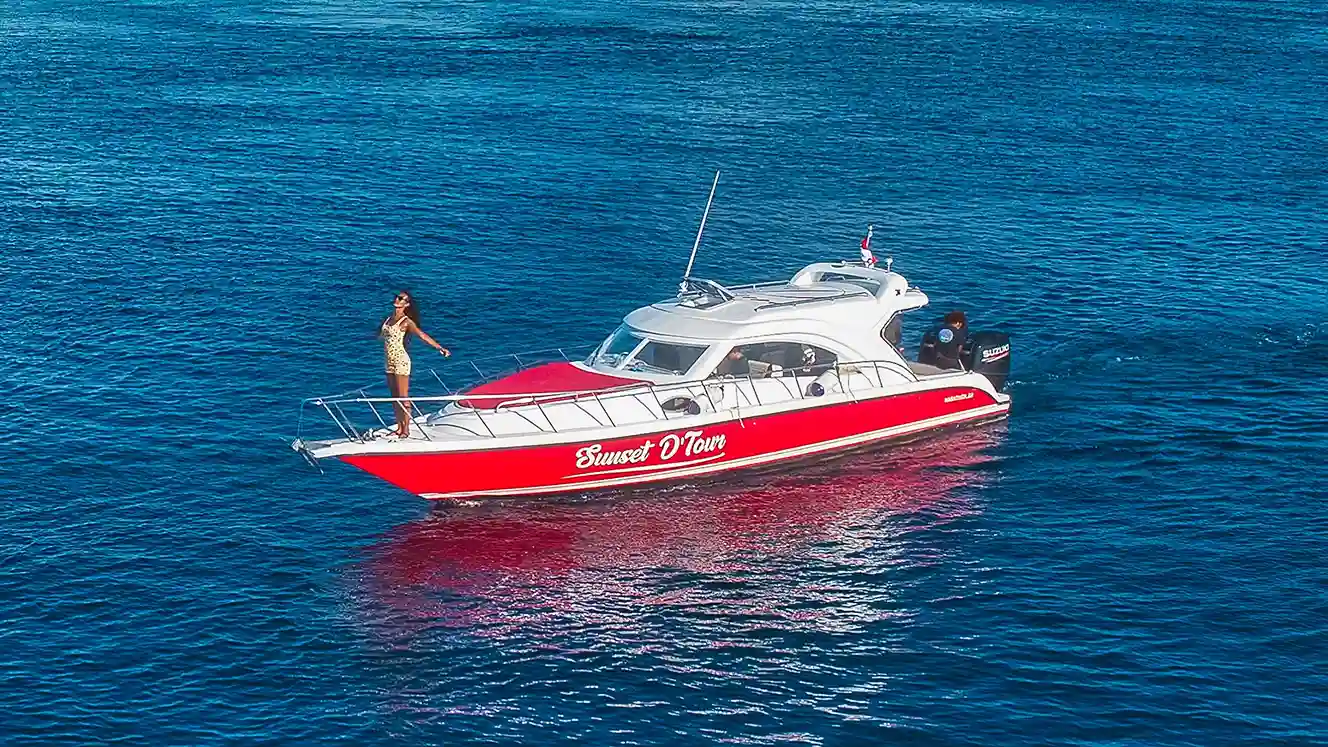
On the ground, that growth shows up as more established operators — the kind of standing fleet visible on a page like Komodo Luxury’s fleet or the wider Komodo boat tour lineup — rather than the informal, ad-hoc arrangements common in the destination’s earlier years.
To plan a trip that takes advantage of current flight and boat options, see our getting there guide or message WhatsApp +62 811-3810-8110.
How do I arrange a Melo village cultural tour from Labuan Bajo?
Most travellers visit Melo as part of a day or half-day trip arranged through a tour company or their accommodation in Labuan Bajo. They typically organise a car, driver and local guide, plus village contributions. You can also hire a driver in town and ask them to coordinate with village contacts on arrival.
Is Melo village visitable year-round and how long do I need?
You can visit Melo throughout the year. The road is paved but can be slower in the wet season, so allow more time. Many visitors spend a few hours, enough for a village walk, storytelling and possible dance performance, then return to Labuan Bajo the same day alongside their Komodo-focused itinerary.
Are Melo cultural performances guaranteed on every visit?
Performances such as the Caci dance usually need to be scheduled in advance and may depend on group size and community availability. Some visits are more low-key, with conversation, coffee and a village walk only. Ask your organiser exactly what has been arranged and avoid pressuring residents to perform at short notice.
How long will Labuan Bajo remain relatively undeveloped, and should I go soon?
Labuan Bajo is experiencing rapid development, so visiting sooner rather than later is advisable to experience its current charm. Infrastructure improvements are ongoing, and visitor numbers are growing, especially during the peak dry season of July-August. While development aims to enhance the visitor experience, it also means changes to the town’s atmosphere. The best balance for a visit is typically April-June and September-October.
To explore how this tourism development looks in practice on the water, you can browse this site’s sister company Komodo Luxury’s departures, shared trips, private charters and fleet details.
Komodo Luxury: shared open-trip departures · private Komodo charter · Komodo liveaboard cabins · Komodo sailing trips.