
In short
Komodo sits in one of Indonesia’s driest regions by local standards — the savanna landscape on Komodo and Rinca islands themselves is a visible clue, since it reflects a climate drier than the lush rainforest image most people associate with Indonesia. The general pattern is a long dry season (roughly April to October) followed by a shorter wet season (November to March) driven by the Asian-Australian monsoon system. Within the dry season, the early months (April–June) and the late months (September–October) tend to be milder than the peak heat of July–August. We don’t publish exact average temperature or rainfall figures here because month-to-month variation is real and a single historical average can mislead trip planning — for current and forecast conditions, BMKG (Badan Meteorologi, Klimatologi, dan Geofisika) is the authoritative source.
Komodo National Park runs on a tropical monsoon pattern: a long dry season from roughly April through October and a wet season from November through March, with the heaviest rain typically clustered around December–February. Sea conditions matter as much as rainfall — the park sits in a narrow strait with strong tidal currents that boat captains and dive guides plan around, not a fixed weather forecast.
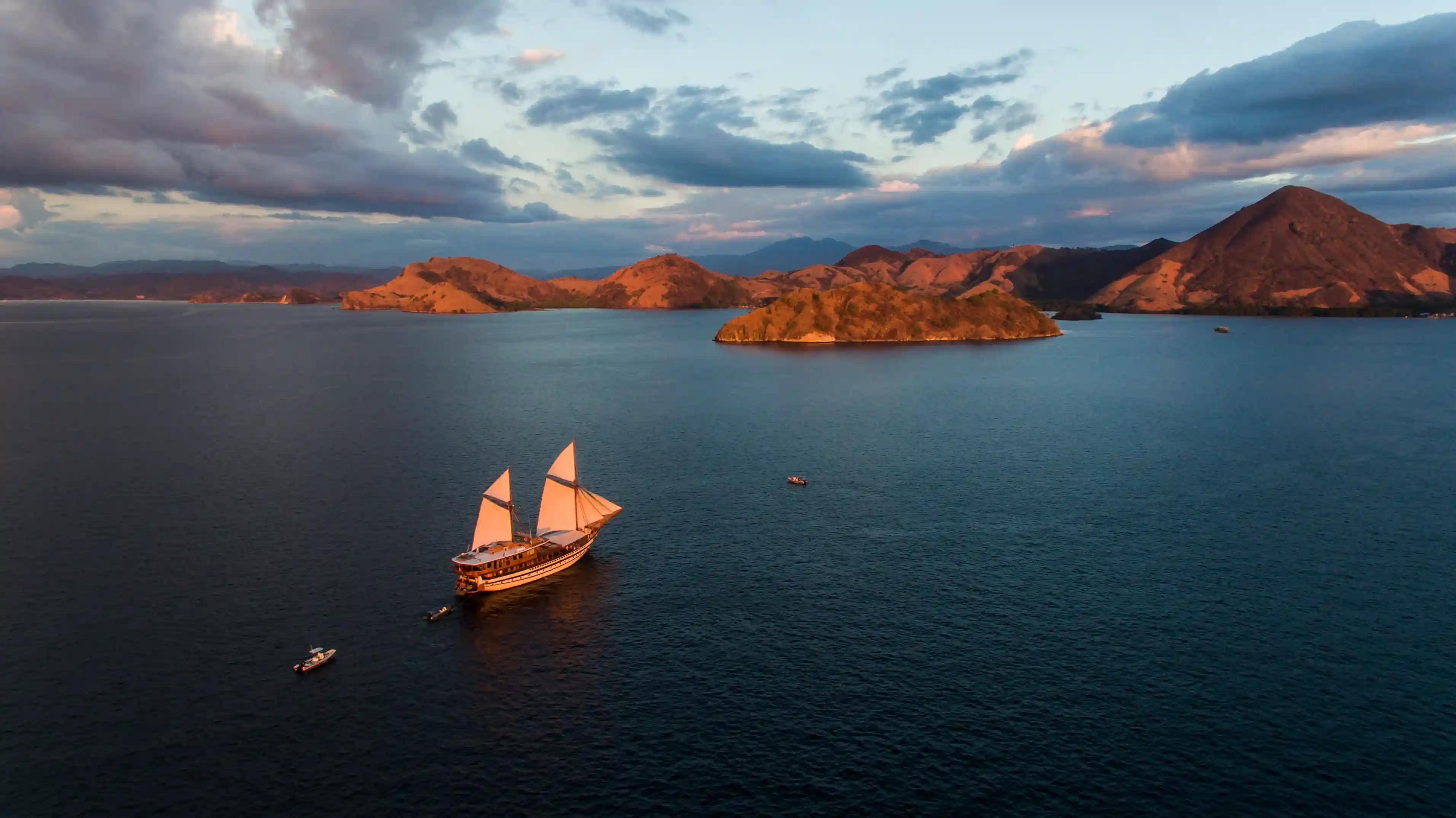
Two separate things determine whether a Komodo trip runs smoothly: the weather overhead and the water underneath. Most trip-planning advice focuses only on rain, but currents, tides, and wind direction affect boat routing, dive-site choice, and even which anchorages are usable on a given day — sometimes more than whether it's sunny. This guide covers both, and points you to BMKG (Indonesia's national meteorological agency) for the real-time and forecast data we don't republish as fixed numbers here.
What is the climate like in Komodo National Park?
Komodo sits in one of Indonesia’s driest regions by local standards — the savanna landscape on Komodo and Rinca islands themselves is a visible clue, since it reflects a climate drier than the lush rainforest image most people associate with Indonesia. The general pattern is a long dry season (roughly April to October) followed by a shorter wet season (November to March) driven by the Asian-Australian monsoon system. Within the dry season, the early months (April–June) and the late months (September–October) tend to be milder than the peak heat of July–August. We don’t publish exact average temperature or rainfall figures here because month-to-month variation is real and a single historical average can mislead trip planning — for current and forecast conditions, BMKG (Badan Meteorologi, Klimatologi, dan Geofisika) is the authoritative source.
Can you visit Komodo National Park during rainy season?
Yes — the park stays open year-round, and rainy season (roughly November–March) brings its own advantages: fewer crowds, greener landscapes on Padar and Komodo’s hillsides, and generally lower accommodation and boat rates in Labuan Bajo. The trade-offs are a higher chance of rain showers interrupting a trekking day, choppier seas on some crossings, and a somewhat higher likelihood of an itinerary needing to adjust around weather. None of this makes the park unsafe to visit in this window — operators simply plan more conservatively and may swap the order of activities if a particular crossing looks rough on a given morning.
How do tides and currents affect Komodo boat schedules?
This is the part most first-time visitors don’t expect: Komodo National Park sits within a strait connecting the Flores Sea to the Sabu Sea, part of the broader Indonesian Throughflow — the current system that moves Pacific water toward the Indian Ocean through Indonesia’s inner seas. That flow, combined with the narrow channels between islands, produces some of the strongest tidal currents in Indonesia, particularly around well-known dive and snorkel sites. These currents are also exactly what feeds the nutrient-rich water supporting Komodo’s marine life, so the same feature that makes a crossing choppy on one tide is often what makes the diving exceptional on the other.
Because of this, experienced boat captains and dive guides in Labuan Bajo plan routes around tide tables and slack-water windows, not just a wind or rain forecast. An itinerary that looks straightforward on paper may be resequenced on the day — visiting a sheltered site in the morning and a current-exposed one at slack tide in the afternoon, for instance — and that flexibility is a sign of a competent operator, not a scheduling problem.
| Season | Approx. months | General character | What to expect |
|---|---|---|---|
| Dry season | ~April–October | Lower rainfall, browner savanna landscape | More consistent boat schedules; busier July–August |
| Wet season | ~November–March | Rain showers, greener hillsides | Fewer crowds, more itinerary flexibility needed |
| Transition months | Around March–April and October–November | Variable, can swing either way | Check forecasts closer to travel dates |

How hot does it get in Labuan Bajo during peak season?
Peak dry-season months (especially July and August) bring the least rain and the strongest midday sun, with humidity that feels heavier on the water than the air temperature alone suggests. Sun protection matters more than most visitors plan for — long boat days with reflected glare off the water are a common source of sunburn even on partly cloudy days. Rather than quote a specific average high, we point travelers to BMKG’s Labuan Bajo/West Manggarai forecast pages for the days immediately before departure, since a single seasonal average won’t tell you what a specific week looks like.
Are there dangerous currents around Komodo Island?
Some channels and points within the park are genuinely strong-current areas, which is precisely why they’re managed as guided activities rather than independent swimming or snorkeling. Certain crossing points between islands can run fast enough that only experienced boat operators attempt them at specific tide states, and some dive sites are graded for advanced divers specifically because of current strength. This isn’t a reason to avoid the park — it’s the reason trips are run by local boats with captains who know the specific channels, rather than as a self-guided activity. If current safety and boat operating standards are a concern, see our forthcoming guide on Komodo boat safety and operating rules for how this is managed on the water.
What is the wind season like for sailing in Komodo?
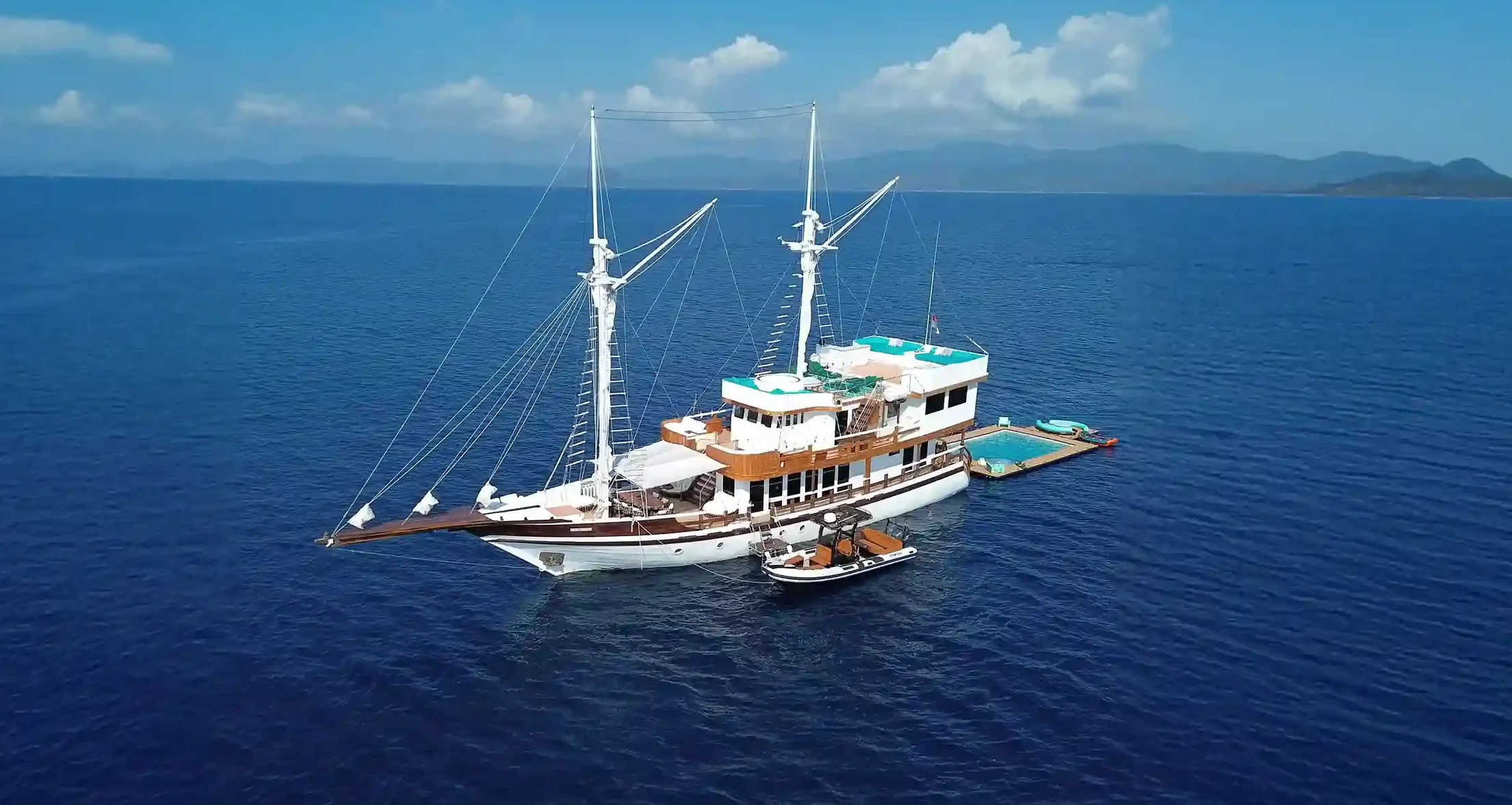
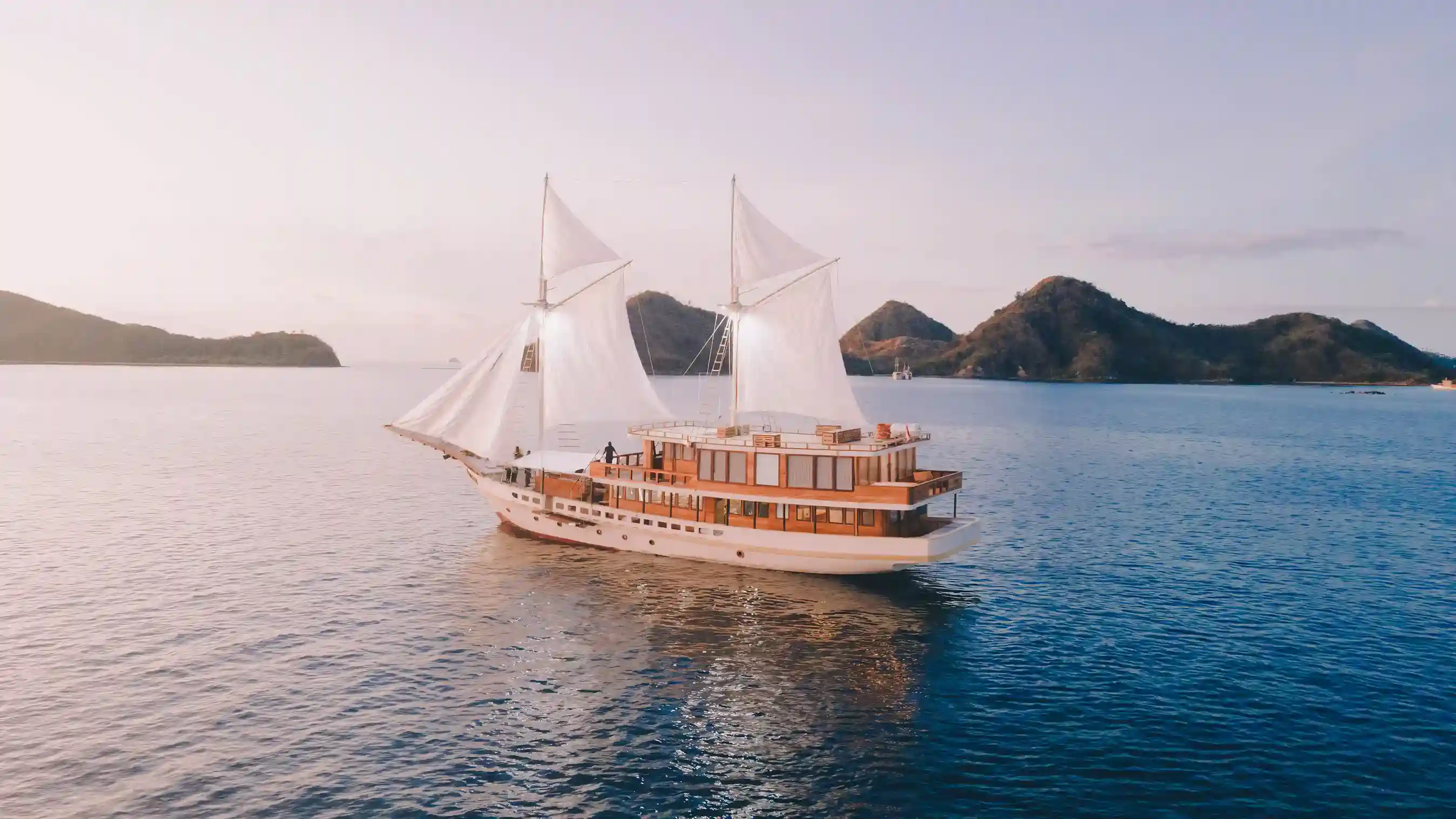
Wind direction shifts with the monsoon: the dry season generally brings steadier trade-wind patterns useful for sailing vessels, particularly phinisi-style liveaboards, while the wet season can bring more variable squalls. This is one more reason liveaboard operators build slack into multi-day itineraries — a route plan is a strong default, not a fixed contract, because wind and sea state genuinely can reorder which island gets visited on which day.
Planning trips, health and packing around Komodo weather
Best months, festive trips and sea conditions
If you want calm seas and plenty of sun, aim for April to June or September to October. Sea conditions are usually more forgiving than in July and August, and crossings between Labuan Bajo and Komodo tend to be smoother than during the December to February squalls.
Christmas and New Year trips are popular but also fall in the roughest period. Swell and wind can be higher in the main strait, so boat itineraries often shorten the open-water crossings and prioritise more sheltered bays for snorkelling. Build in a spare day on each side in case boats adjust departure days.
Taka Makassar can be lovely in the wet season if the wind is down and the tide window works. On choppy days, the exposed sandbank feels very windy and the water can be murky. Expect your skipper to decide on the day based on wave height and current.
Packing, health precautions and practical forecasts
For a wet-season Labuan Bajo packing list, combine light, fast-drying clothing with a compact rain jacket, waterproof bag for phone and camera, spare T‑shirt and shorts for after wet dinghy rides, and sandals that grip well on wet decks. Add motion-sickness tablets if you are prone to seasickness.
Most visitors speak with their doctor about routine travel vaccines suited to Indonesia, plus advice on mosquito-borne illnesses and any personal prescription medicines. Pack a small kit with plasters, antiseptic, painkillers, oral rehydration salts and any medication you rely on, as boat supplies are basic.
For sea and wave height forecasts around Labuan Bajo you will need to combine a general marine forecast with local knowledge. Skippers usually check swell height, wind direction and tidal current predictions each morning, then adjust timings for longer crossings so that guests travel during the calmer windows.
How does weather affect flights into Labuan Bajo?
Because Komodo Airport handles a modest volume of daily flights compared to a major hub, weather-related delays on this route tend to ripple rather than get absorbed quietly — a delayed morning flight can push back an afternoon boat departure that was timed against it. BMKG’s Komodo Airport (WATO) aviation weather page covers current conditions at the airport itself. This matters most for travelers with a tight same-day arrival-to-boat connection; see our guide on getting to Labuan Bajo from Bali and Jakarta for why building in an overnight buffer is the standard advice from operators, especially during the wetter months when this kind of delay is somewhat more common.
What should I pack for Komodo’s climate?
Regardless of season, expect strong equatorial sun on open water, where reflection off the sea intensifies UV exposure beyond what the air temperature suggests. Lightweight, breathable clothing works for both dry and wet season; a light rain layer is worth carrying November through March, and reef-safe sunscreen matters both for your skin and for the marine environment you’ll be snorkeling or diving in. Deck shoes with grip help on a rocking boat, and a dry bag protects phones and cameras during tender transfers between boat and shore, which can splash even on calm days.
Do currents affect where you can swim or snorkel?
Yes, directly. Some of Komodo’s most photographed spots — like the pink-tinted sand beaches — sit in relatively sheltered water safe for casual swimming, while well-known dive and drift-snorkel sites are current-swept by design and are run as guided, briefed activities rather than free swims. Guides brief entry and exit points around the tide specifically because the same channel that’s a gentle drift at slack tide can run considerably faster an hour later. This is a normal, managed part of how diving and snorkeling operate here — not a sign that the wider park is unsafe for swimming.
How far ahead do operators watch the forecast?
Most Labuan Bajo boat operators check short-range forecasts (roughly 3-7 days out) rather than relying on long-range seasonal outlooks, because sea state in this strait can shift meaningfully within a single week. A trip booked months in advance is planned against the season generally; the specific route and daily order are usually finalized or adjusted in the final days before departure once the short-range picture is clearer. This is standard practice, not a sign of poor planning — it’s the same approach any competent sailing operation takes in a tidally complex strait.

Build weather flexibility into your booking
Book it with a local operator. Komodo Luxury’s sailing trips — that part is Komodo Luxury’s work — a Labuan Bajo operator inside the same group, active since 2015.
Local operators plan routes around tides and forecasts in real time — a meaningful advantage over a fixed, pre-set itinerary in a park where sea conditions change the plan.
Questions before you book: WhatsApp +62 811-3810-8110 or email sales@komodoluxury.com.
Related reading: How to get to Labuan Bajo · What to see and do in Komodo National Park · Komodo with kids, seniors and limited mobility.
Editorially reviewed 26 August 2026. A figure without a traceable source is either labelled or left out.
Updated: August 26, 2026 · Originally published: August 25, 2026