
In short
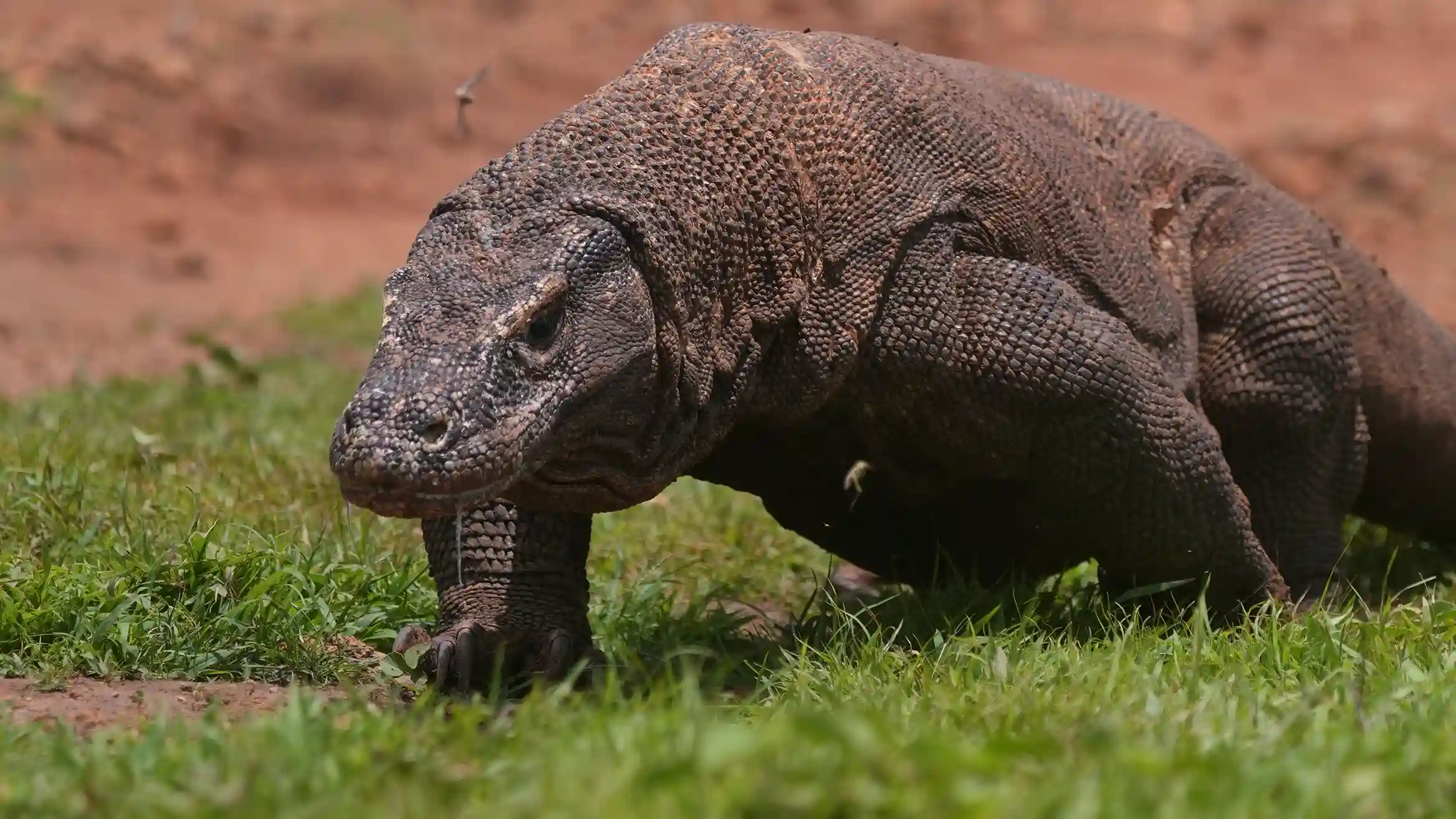
Wild Komodo dragons live on several islands within the park, but two are set up for ranger-guided visits: Komodo Island itself (entering via Loh Liang) and Rinca Island (entering via Loh Buaya). Both require a licensed park ranger to accompany every group — walking independently is not permitted, both for visitor safety and to avoid disturbing the animals. Many guides and repeat visitors describe Rinca’s shorter, flatter trails around Loh Buaya as often producing closer, easier sightings near the ranger station itself, while Komodo Island tends to involve more walking and slightly more varied terrain. Neither is a guarantee — these are wild animals moving on their own schedule, not a zoo exhibit — but both islands run trekking options from short (under an hour) to longer routes for visitors who want more time in the terrain.
The core Komodo National Park experience covers four things: a ranger-led Komodo dragon trek on Komodo or Rinca Island, the panoramic three-bay hike up Padar Island, snorkeling or diving over coral reefs at sites like Pink Beach and Manta Point, and slower stops like Kelor and Kalong islands. Most multi-day trips combine several of these rather than picking just one.

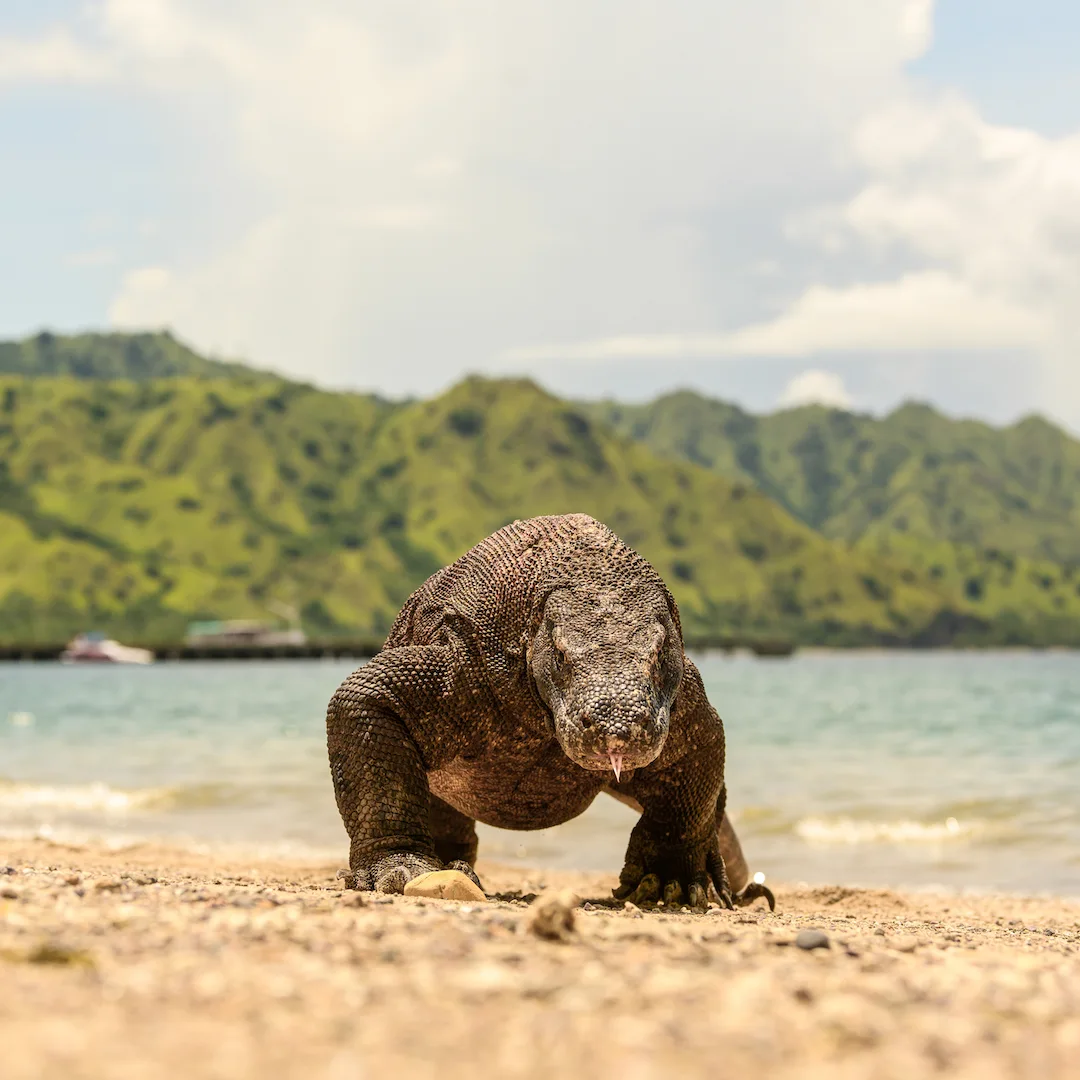
Komodo National Park is bigger and more varied than the single image of a dragon on a beach suggests — it's a cluster of islands, each with a different reason to visit. This guide breaks down what's actually there, what each stop involves physically, and how operators typically sequence them into a day trip or multi-day sailing itinerary.
Where can you actually see Komodo dragons?
Wild Komodo dragons live on several islands within the park, but two are set up for ranger-guided visits: Komodo Island itself (entering via Loh Liang) and Rinca Island (entering via Loh Buaya). Both require a licensed park ranger to accompany every group — walking independently is not permitted, both for visitor safety and to avoid disturbing the animals. Many guides and repeat visitors describe Rinca’s shorter, flatter trails around Loh Buaya as often producing closer, easier sightings near the ranger station itself, while Komodo Island tends to involve more walking and slightly more varied terrain. Neither is a guarantee — these are wild animals moving on their own schedule, not a zoo exhibit — but both islands run trekking options from short (under an hour) to longer routes for visitors who want more time in the terrain.
Why is Padar Island considered the signature Komodo view?
Padar’s hike is short in distance but climbs steadily to a ridge that overlooks three differently colored bays in one panorama — the view that appears in most Komodo marketing photography. It’s a working staircase-and-dirt-trail climb rather than a technical hike, typically done either at sunrise (before the heat and crowds build) or in the late afternoon. See our dedicated Padar Island hike guide for trail conditions, timing, and what to expect on the way up.
What’s the story with Pink Beach?
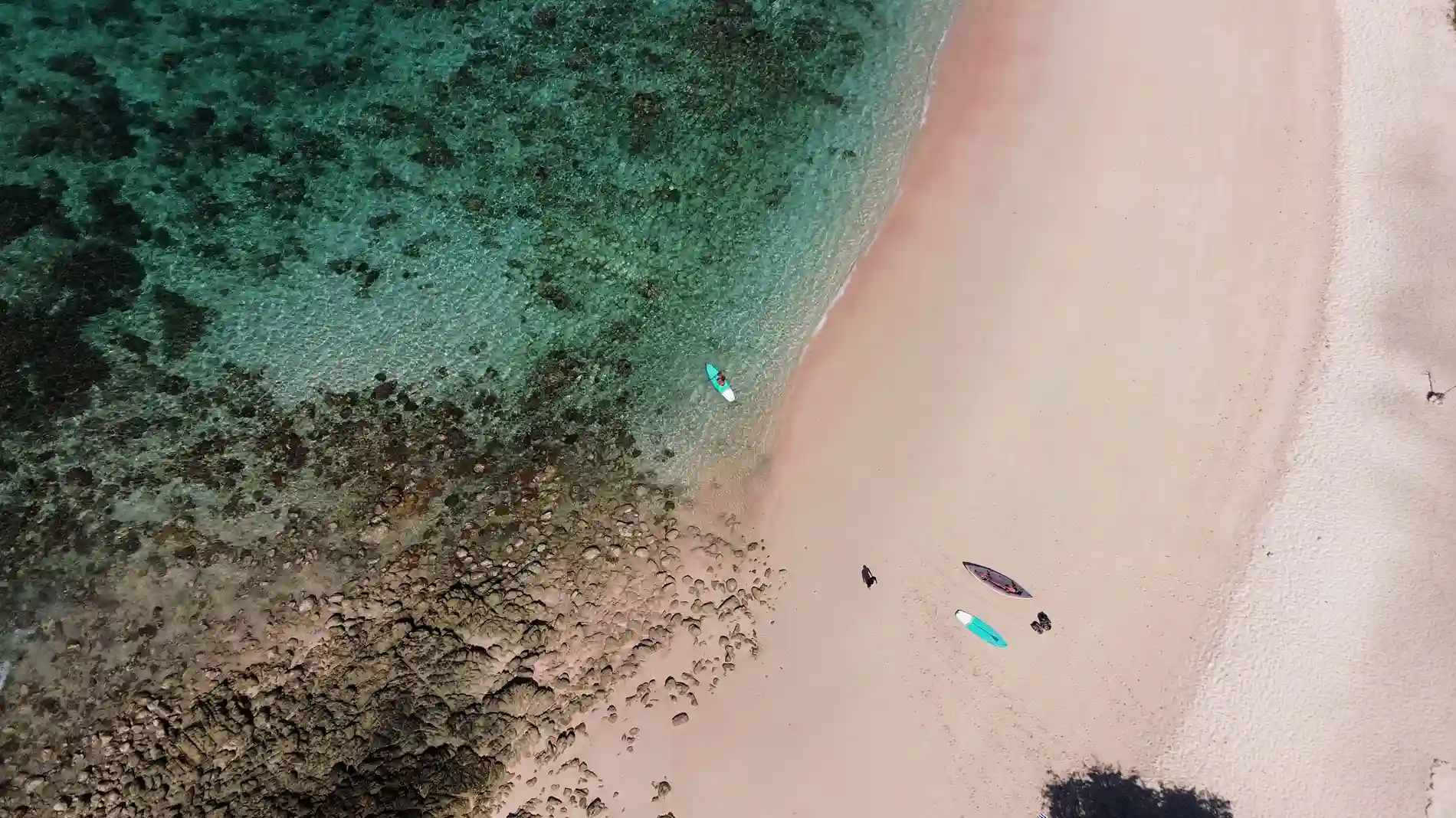
Pink Beach (Pantai Merah) gets its color from red coral fragments mixed into the white sand, which reads as a soft pink hue especially in good light. It’s a swimming and snorkeling stop rather than a hiking one — the reef just offshore is a common introductory snorkel spot on day trips, with drop-offs further out that suit more experienced snorkelers and divers. Drone use here is regulated within the park; check current rules with your operator before flying anything.
What about Kelor and Kalong Islands?
These two are the quieter stops most first-time visitors don’t know to ask for. Kelor is a small island with a short, punchy hill climb near the harbor side of the park, giving a compact panoramic view without Padar’s crowds. Kalong is known for its bat colony — thousands of flying foxes streaming out from mangroves at dusk, usually watched from a boat rather than on land. See our Kelor and Kalong island guide for how these fit into a route alongside the bigger-name stops.
Where’s the best snorkeling and diving in the park?
Komodo’s currents (explained in our weather and sea conditions guide) feed genuinely rich reef life, which is why the park is a globally known dive destination. Manta Point is the best-known site for reliable manta ray encounters; other named sites cater to different skill levels, from calm shallow reefs suited to beginners and snorkelers to current-swept sites reserved for certified, experienced divers. If diving is the main goal of your trip rather than a single stop within a sightseeing itinerary, see our dedicated Komodo diving trip and liveaboard page.
| Stop | Main activity | Typical time needed | Good for |
|---|---|---|---|
| Rinca Island (Loh Buaya) | Ranger-led dragon trek | 60–90 minutes | First-time visitors, shorter itineraries |
| Komodo Island (Loh Liang) | Ranger-led dragon trek | 1-3 hours depending on route | Longer multi-day trips, more varied terrain |
| Padar Island | Panoramic viewpoint hike | ~30-45 min up, sunrise or late afternoon | The classic three-bay photo |
| Pink Beach | Swimming, snorkeling | 1-2 hours | All ages, relaxed beach stop |
| Kelor Island | Short hill climb | 30-40 min round trip | A quieter alternative view to Padar |
| Kalong Island | Dusk bat-colony viewing | 30-45 min, from the boat | A distinctive end-of-day stop |
| Manta Point & dive sites | Snorkeling / diving | Half-day to multi-day for dive-focused trips | Snorkelers and certified divers |
What does a ranger-led dragon trek actually involve?
On arrival at either Loh Buaya (Rinca) or Loh Liang (Komodo), visitors register, pay the park entrance and activity fees (see our Komodo National Park Entrance Fee 2026 for what’s included), and are grouped with a ranger carrying a forked wooden stick — the standard tool used to redirect a dragon’s path if one wanders close to the trail. Groups then follow a marked route through dry savanna and forest edge, with the ranger pointing out nesting mounds, watering holes, and resting spots where dragons are commonly found basking, especially in the cooler morning hours. Trek length options usually range from a short loop near the ranger station to a longer route through varied terrain; your operator or the ranger station can advise which fits your fitness level and time budget on the day.
What wildlife besides dragons might you see?
Komodo National Park’s savanna and coastal habitat support more than just dragons. Timor deer (a primary prey species for the dragons) are commonly seen grazing in open grassland, along with wild boar, long-tailed macaques, and a range of bird species including megapodes and sea eagles. Underwater, the reef systems support turtles, reef sharks, and a wide variety of fish alongside the manta rays the park is best known for. None of these sightings are guaranteed on any given day — this is wild habitat, not a managed wildlife park — but the density of species across a relatively compact area is part of what makes Komodo distinct among Indonesia’s national parks.
Should you prioritize hiking or water activities?
Most well-built itineraries don’t force this choice — a typical day mixes one land-based stop (a dragon trek or a viewpoint hike) with one water-based stop (snorkeling or a beach visit), which also makes sense physically, since alternating activity types keeps a long day on a boat from becoming monotonous. Divers with a specific site list in mind (see our diving trip guide) may weight a multi-day itinerary more heavily toward the water, trading some land time for more dive slots; families with younger children often do the opposite, keeping to shorter, easier trek options and more beach time — covered in more detail in our accessibility and family travel guide.
How do these stops fit into a day trip vs a multi-day sailing trip?
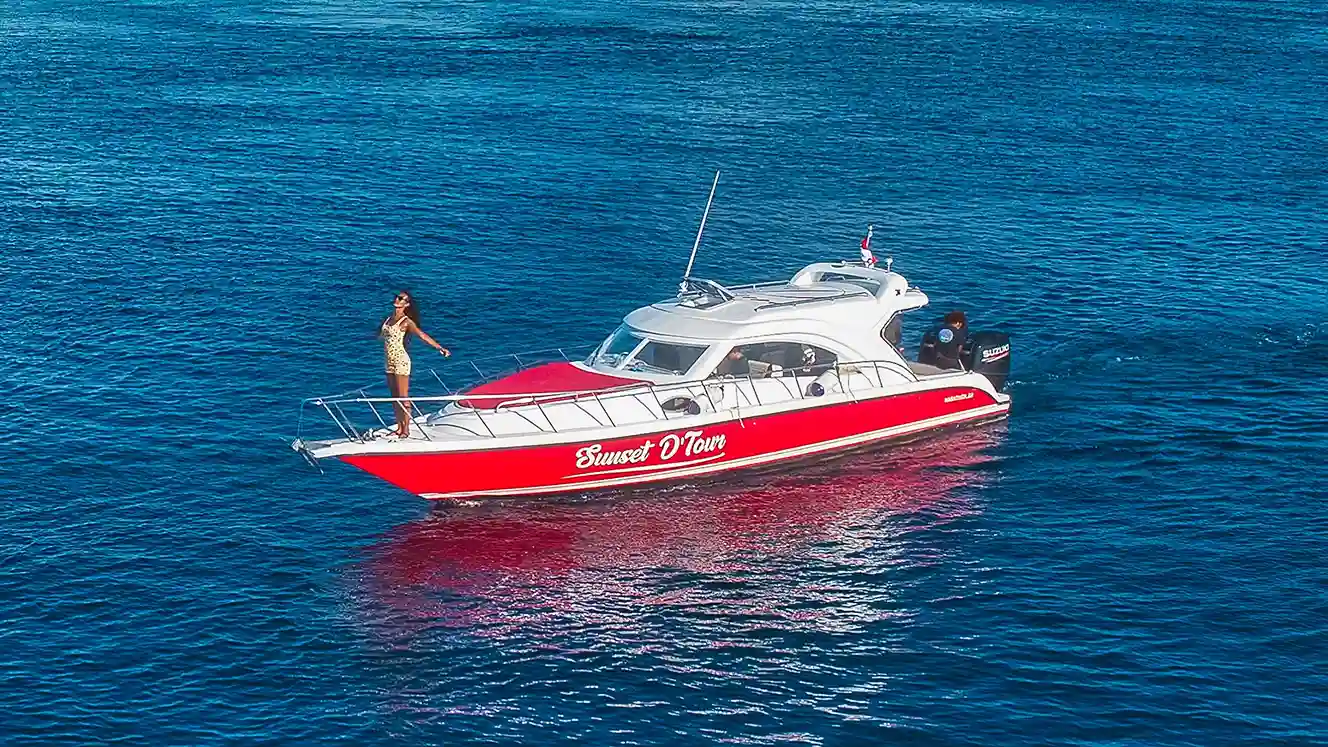
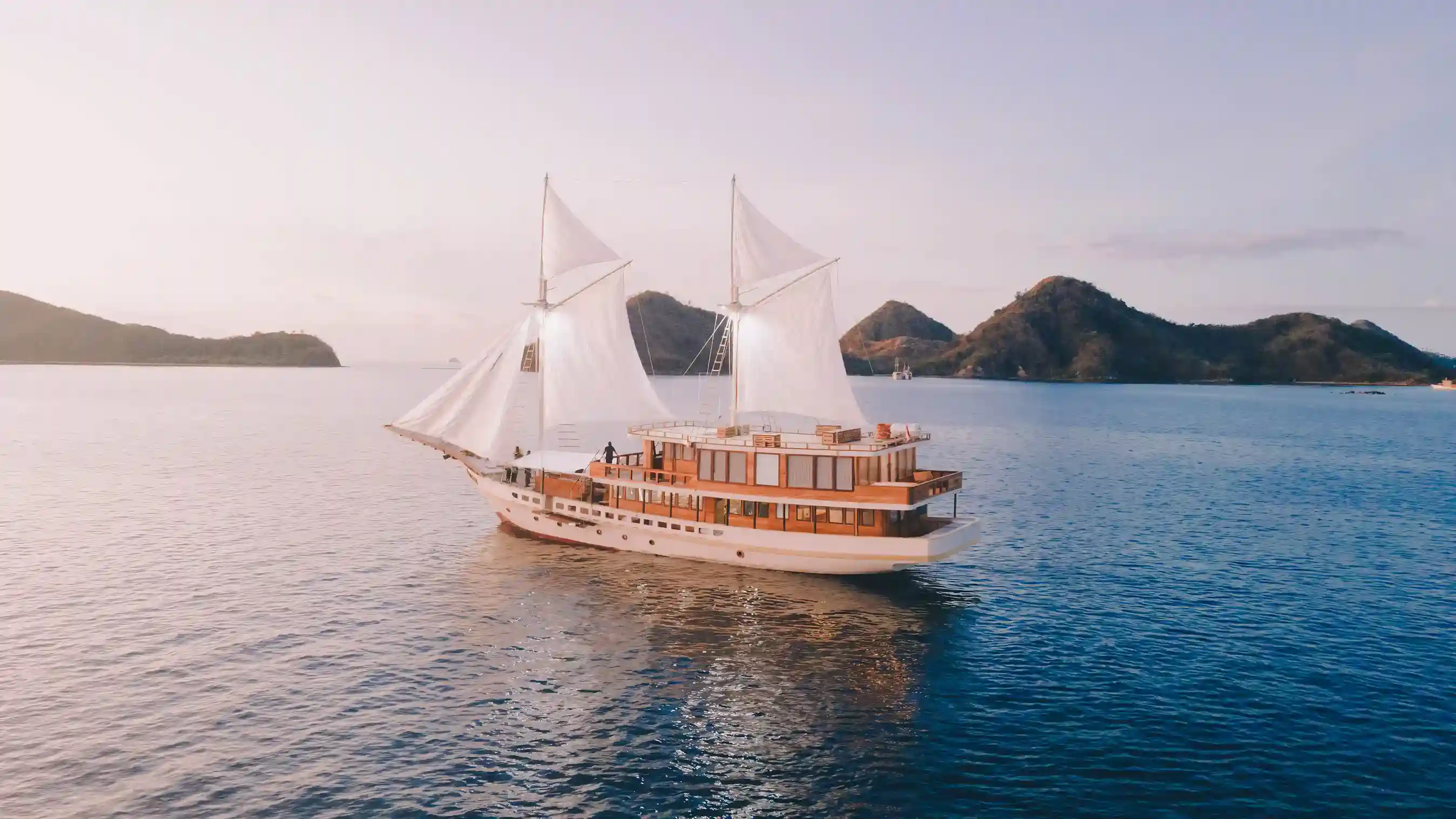
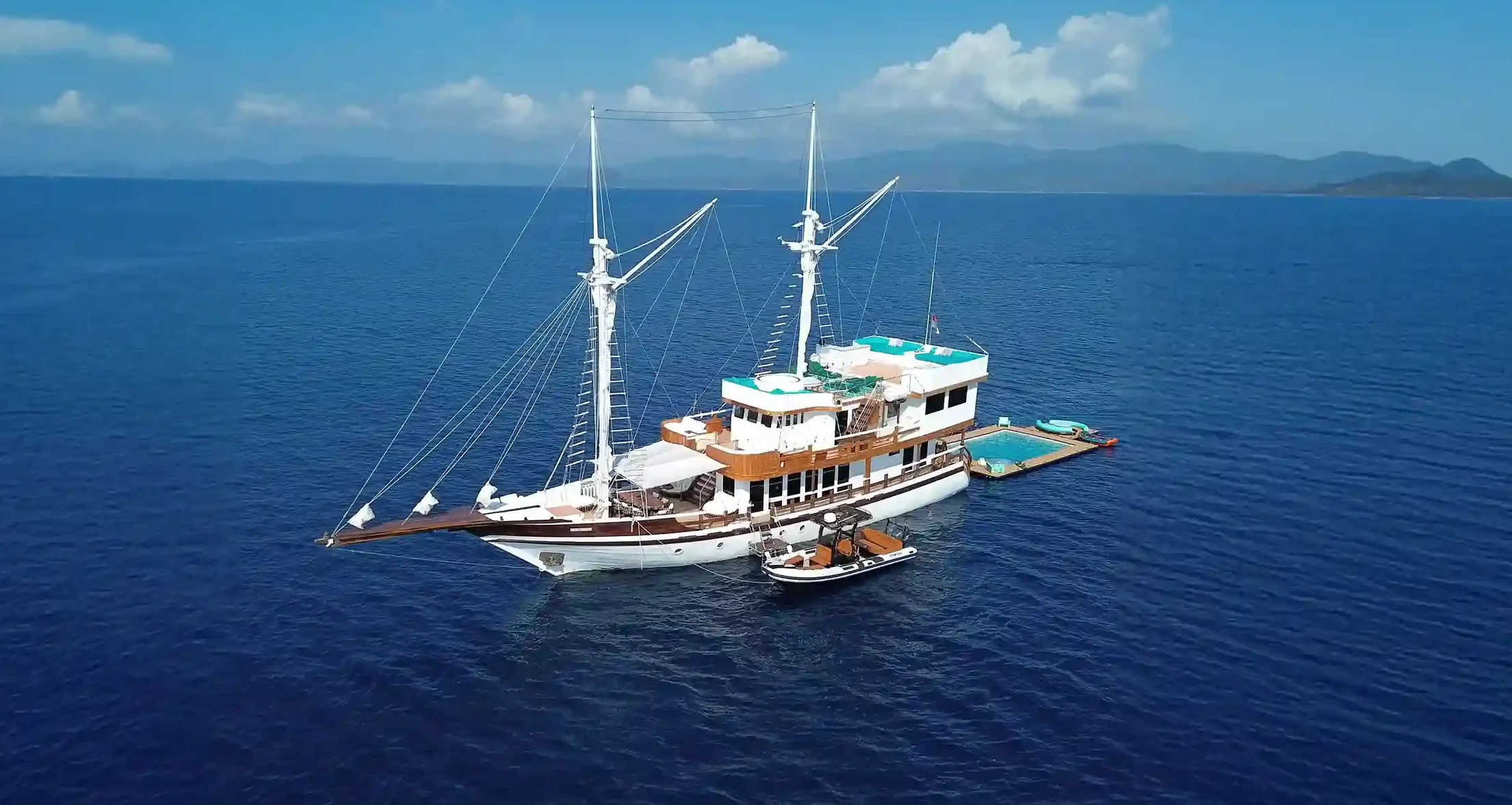
A single-day trip from Labuan Bajo typically covers two or three stops close together — commonly one dragon-trekking island, Padar or Pink Beach, and a snorkel stop — because travel time between anchorages eats into the day. Multi-day liveaboard itineraries (2, 3, 4, or 7 nights) spread the same list across more days, adding Kelor, Kalong, and more dive time without the rush. If you’re deciding how many days you actually need, our liveaboard vs day trip comparison walks through the trade-offs directly, and 3D2N and 4D3N package structures show how this typically gets scheduled.
What about sunrise and sunset spots?
Padar’s summit is the most photographed sunrise spot in the park, reached by climbing in the dark before first light — a logistics point worth planning with your boat crew the night before rather than deciding at breakfast. Sunset is more often watched from the boat itself while sailing between anchorages, or from Kalong Island as the bat colony begins its evening flight, than from a second land hike.
How challenging are hikes and where to snorkel
You can split Komodo days between short hikes and easy snorkelling. On Rinca the main viewpoints are reached on firm dirt paths with some steps and short climbs. The usual loop feels like a relaxed walk if you are moderately fit, though mid-day heat makes a hat, water and closed shoes essential.
The main staircase on Padar is steeper. Hundreds of steps lead to the classic ridge view, with railings on most of the route. You do not need technical hiking experience, but you should be comfortable with stairs and heights. Take it slowly, start at sunrise or late afternoon, and avoid heavy bags.
Loh Sebita is a quieter bay in Komodo’s north with calm water and mangrove-lined shore. Boats sometimes stop here for peaceful swimming, light snorkelling and a chance of monkeys or birds along the coast. There are no facilities, so you stay on the boat between swims.
Taka Makassar is a sandbank that appears at low tide near the manta sites. You usually snorkel from the boat, watching for mantas gliding along the current lines. The water can be surprisingly fast, so stay close to your guide and follow boat instructions when getting in and out.
Siaba Kecil and Seraya Kecil are popular for relaxed reef time. Siaba Kecil often has gentle drift snorkelling over coral slopes where you may see turtles. Seraya Kecil usually offers clear water, scattered coral gardens and easy sandy entries from the boat. These spots are good for mixed-ability groups.
Sea turtles and dolphins are regular wildlife rather than guaranteed sightings. Turtles are most often spotted at calm reef sites; dolphins tend to appear while you cruise between islands. Dragons rarely come to busy swim spots, but on dragon islands you should never wander alone along empty beaches without your ranger.

Book the whole itinerary with Komodo Luxury, not just the stops
Book it with a local operator. Komodo Luxury’s boat tours — the licensed operator here is Komodo Luxury, which has run departures from Labuan Bajo harbour for a decade.
Operators sequence these stops around tides and ranger-station hours, which is hard to replicate booking each piece separately.
Questions before you book: WhatsApp +62 811-3810-8110 or email sales@komodoluxury.com.
Plan further: Where to Stay in Labuan Bajo for a Komodo Trip guide · Komodo with kids, seniors and limited mobility · Entrance fees and permits.
Reworked 26 August 2026. Each number on this page can be followed back to the body that published it.
For related planning details, see a closer look at Best Season to See Komodo Dragons.
Updated: August 29, 2026 · Originally published: August 25, 2026