In short
Komodo National Park’s inter-island channels — particularly the straits around Padar, Rinca and the passage toward Komodo Island — are known for strong, current-driven water that shifts direction with the tide, along with scattered reef and shallow patches that are far easier to read by daylight than by radar or spotlight alone. For that reason, the standard, safety-conscious practice among established Labuan Bajo operators is to complete inter-island transits during daylight hours and anchor overnight in a sheltered bay rather than running the engine through open channels after dark. Overnight legs are typically scheduled as short, direct crossings in open water away from reef hazards — for example the early-evening run out of Labuan Bajo harbour toward the first anchorage — rather than weaving between islands at night. When you’re comparing operators, it’s reasonable to ask directly how their itinerary handles overnight movement and whether any night transit is close to reef or narrow-strait terrain; a straightforward, specific answer is a good sign, and vague reassurance is not.
A seaworthy Komodo boat carries a valid safety certificate issued by KSOP (the Indonesian port authority), a certified captain, life jackets for every passenger, and a deliberate anchorage plan that avoids running through the park's narrow, current-swept straits after dark. This page sets out what those standards actually mean and what to verify before you board.

What certification should a Komodo liveaboard actually hold?
Every commercial passenger vessel operating out of Labuan Bajo is required under Indonesian shipping law to carry a Sertifikat Keselamatan Kapal (Ship Safety Certificate) and pass periodic inspection by KSOP — the Kantor Kesyahbandaran dan Otoritas Pelabuhan, the port authority office covering Labuan Bajo’s harbour. This certificate confirms the hull, engine, fire-fighting equipment and life-saving appliances meet the minimum standard for the vessel’s registered passenger capacity. Captains and senior crew are required to hold nautical competency certification (ANKAPIN for smaller vessels, higher ANT grades for larger liveaboards) issued through Indonesia’s Directorate General of Sea Transportation (Ditjen Hubla). None of this is optional paperwork — it’s the baseline that separates a licensed tourism vessel from an uninspected private boat pressed into charter use, which does happen in a market as fast-growing as Labuan Bajo’s.
What safety equipment should be on board, and how do you check it?
- Life jackets for every passenger and crew member, sized correctly and stored somewhere you’re shown during the safety briefing — not buried under gear in a locker no one has opened.
- Fire extinguishers, visibly mounted near the galley and engine room, with an inspection tag showing a current date.
- A functioning VHF radio for communication with the harbourmaster and other vessels, plus ideally a satellite phone or tracker for the more remote overnight anchorages.
- Life rafts or rings appropriate to passenger count, positioned for quick access rather than stored below deck.
- A working bilge pump and visible fire exits/escape routes on multi-deck liveaboards.
A reasonable, non-intrusive way to check most of this is simply to ask for the safety briefing on Day 1 if the crew doesn’t offer one unprompted — a well-run boat gives this automatically, points out equipment locations, and explains the muster point in case of emergency.
Why do reputable operators avoid unnecessary night sailing through the park?
Komodo National Park’s inter-island channels — particularly the straits around Padar, Rinca and the passage toward Komodo Island — are known for strong, current-driven water that shifts direction with the tide, along with scattered reef and shallow patches that are far easier to read by daylight than by radar or spotlight alone. For that reason, the standard, safety-conscious practice among established Labuan Bajo operators is to complete inter-island transits during daylight hours and anchor overnight in a sheltered bay rather than running the engine through open channels after dark. Overnight legs are typically scheduled as short, direct crossings in open water away from reef hazards — for example the early-evening run out of Labuan Bajo harbour toward the first anchorage — rather than weaving between islands at night. When you’re comparing operators, it’s reasonable to ask directly how their itinerary handles overnight movement and whether any night transit is close to reef or narrow-strait terrain; a straightforward, specific answer is a good sign, and vague reassurance is not.
What should you ask before booking, to verify a boat is safe?
- Can they show or describe their current KSOP safety certificate and the vessel’s registered passenger capacity?
- Is the captain certified, and how many seasons has the crew run this specific route?
- Where are life jackets stored, and is a safety briefing given on Day 1?
- Does the itinerary schedule inter-island movement during daylight, with overnight legs limited to open, low-hazard water?
- What’s the plan if weather forecasts deteriorate — do they hold anchorages until conditions improve, and is that decision made by the captain rather than pushed by a fixed schedule?
These are the same questions Komodo Luxury works through with guests arranging a Komodo boat charter or liveaboard, and they are a fair standard to hold any operator to — that one included.
Has Indonesia tightened liveaboard safety oversight in recent years?
Yes — Indonesian maritime authorities, including KSOP Labuan Bajo, have increased inspection frequency — documented for example in the Ministry of Transportation’s own report on ship-safety certificate and life-jacket distribution in Labuan Bajo and scrutiny of the wider Flores liveaboard fleet following safety incidents across the broader Indonesian dive-boat and liveaboard industry in recent years, and the tourism boom in Labuan Bajo has brought closer attention to vessels operating without full certification. The practical upshot for travellers is that unlicensed or under-documented boats are a real, if shrinking, part of the market — which is exactly why checking certification status before you pay a deposit is worth the extra five minutes, rather than assuming every boat advertised online carries valid paperwork.
What weather conditions cause operators to change an itinerary?
Strong wind against current in the open channels between islands, and swell building from the seasonal monsoon shift, are the two conditions most likely to trigger a captain’s decision to delay a crossing, shorten a snorkel stop, or hold at anchorage until conditions ease. This is most relevant during the shoulder-season transition months rather than the calmer core dry season (roughly May–September), so if you’re travelling in a transition period it’s worth asking your operator how flexible the itinerary is if a day needs to be reshuffled for weather.
What role does the harbourmaster play in vessel safety?
The Labuan Bajo harbourmaster’s office (syahbandar), operating under KSOP, has authority to hold a vessel in port if paperwork, weather conditions, or passenger manifest issues raise concern, and departures are logged before boats leave harbour. This isn’t a formality guests typically see directly, but it’s part of why a properly licensed operator’s departure process can feel more procedural than an informal, unlicensed charter — manifest checks and departure clearance are a genuine layer of oversight, not paperwork for its own sake. If a legitimate operator ever tells you a departure is delayed pending harbourmaster clearance, that’s a normal part of the system working as intended, not a sign something has gone wrong.

How do crew training standards vary between larger liveaboards and smaller day-trip boats?
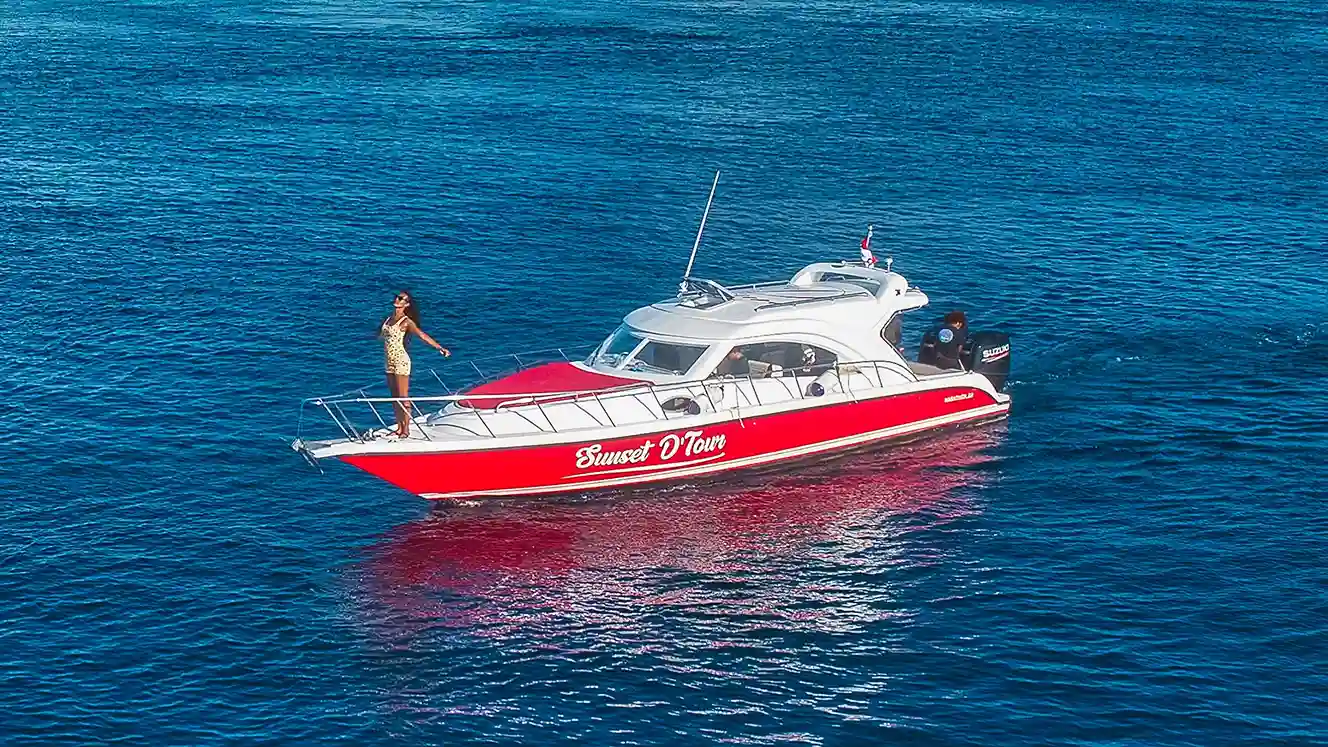
Larger multi-night liveaboards generally carry a bigger crew with more clearly divided roles — captain, first mate, engineer, deckhands, cook — each with responsibilities that scale to the vessel’s size and voyage length, while smaller day-trip speedboats run leaner crews covering multiple functions at once. Both categories are still required to meet KSOP certification standards appropriate to their vessel class, but the practical depth of redundancy (a second qualified crew member able to step in if needed) tends to be greater on larger vessels simply because there are more people aboard. This isn’t a reason to distrust smaller boats — day-trip speedboats have an excellent safety record when properly certified — but it’s a reasonable factor to understand if you’re comparing very different vessel types for the same trip.
What’s the difference between a genuine emergency drill and a rushed, box-ticking briefing?
A genuine safety briefing points out where life jackets are stored, demonstrates how to put one on, identifies the muster point in case of emergency, and gives you a chance to ask questions — all before the boat gets underway, not as an afterthought once you’re already at sea. A rushed version might mention safety equipment exists somewhere without showing you where, or skip the briefing entirely unless a guest specifically asks. If you board a boat and no briefing happens within a reasonable time after departure, it’s entirely reasonable to ask for one directly rather than assuming it will happen eventually.
Are there specific times of year when Komodo’s waters are more hazardous?
Current strength in the park’s straits is a year-round geographic feature rather than a seasonal one, but the wetter, more transitional months outside the core dry season (roughly May–September) add storm-driven swell and wind as an additional variable on top of the baseline current conditions. This is part of why operators build more schedule flexibility into shoulder-season and wet-season itineraries, and why a captain’s willingness to adjust or delay a departure for weather should be read as competence rather than inconvenience, especially outside the calmer dry-season months.
Wave Conditions, Channels And Seasickness Risk In Komodo
Komodo National Park sits where two seas meet, so waves and currents change a lot between channels. The Karang Makassar and central bays are often relatively calm, while narrow straits such as Tatawa, Gililawa and the channel between Komodo and Rinca can be choppy, especially on spring tides.
Typical wave conditions by season
From April to October the wind is more consistent and the sea surface between islands is usually moderate, with occasional short, steep chop in the straits. From November to March, especially December to February, crossings from Labuan Bajo and exposed stretches like north of Komodo can feel rougher and more confused.
Even within one day, conditions can swing. Early morning is often the smoothest time to transit busier channels, which is why cautious captains plan longer crossings at dawn and keep afternoon moves shorter or tucked behind islands where there is more shelter.
Managing seasickness on Komodo routes
If you are prone to motion sickness, choose a larger, wider boat rather than a small wooden day boat. Bigger hulls usually ride through the chop instead of over it, which reduces the sharp up-and-down movement that triggers nausea in the narrower straits.
Before boarding, take your preferred seasickness tablets 30 to 60 minutes ahead of departure. Once under way, stay on deck where you get fresh air, keep your eyes on the horizon, and avoid reading inside the cabin. Skipping very oily or spicy food before a long crossing also helps many people.
Do not hesitate to ask the captain how rough the next channel is expected to be. Experienced operators will adjust the route or timing if the combination of wind, swell and current will make a particular passage uncomfortable for guests.
Updated: August 29, 2026 · Originally published: August 25, 2026