
In short
The two land-based activities — the Padar viewpoint hike and the Komodo or Rinca dragon trek — both involve walking on uneven, unshaded terrain for 30 minutes to just over an hour at a time, which is moderate rather than extreme physical activity, but genuinely more demanding than a beach holiday itinerary. Reasonable fitness and comfort walking on loose dirt and rock in heat are what matter most; you don’t need to be an experienced hiker, but you should be comfortable on your feet for an hour at a stretch without flat, paved ground underneath you. Time between these two activities is spent aboard the boat, snorkeling, or relaxing at Pink Beach, which is considerably lower-effort by comparison.
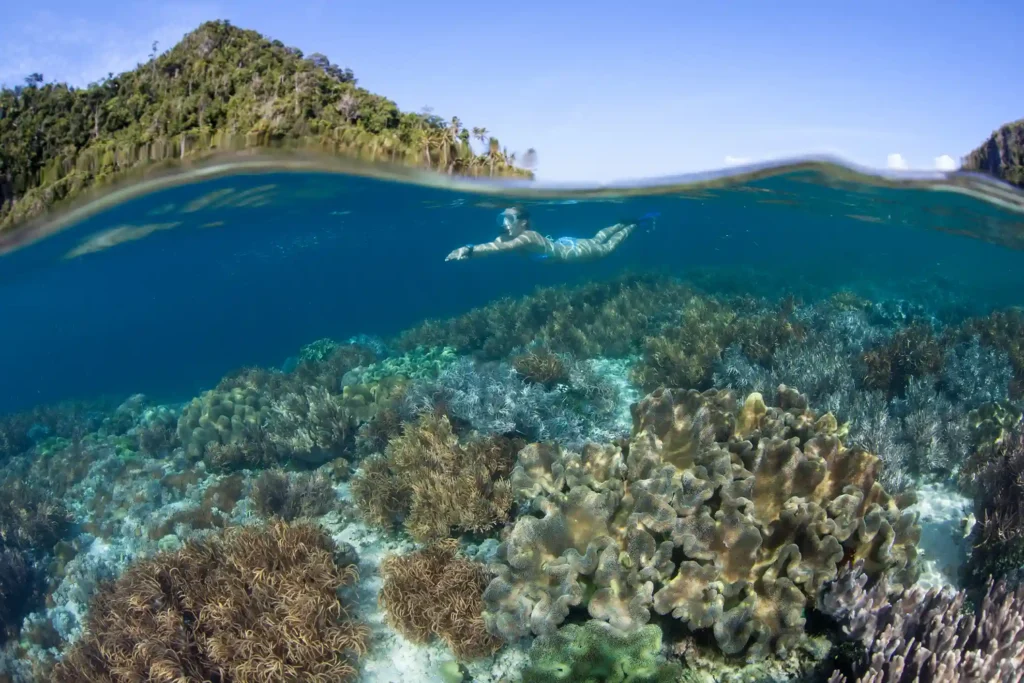
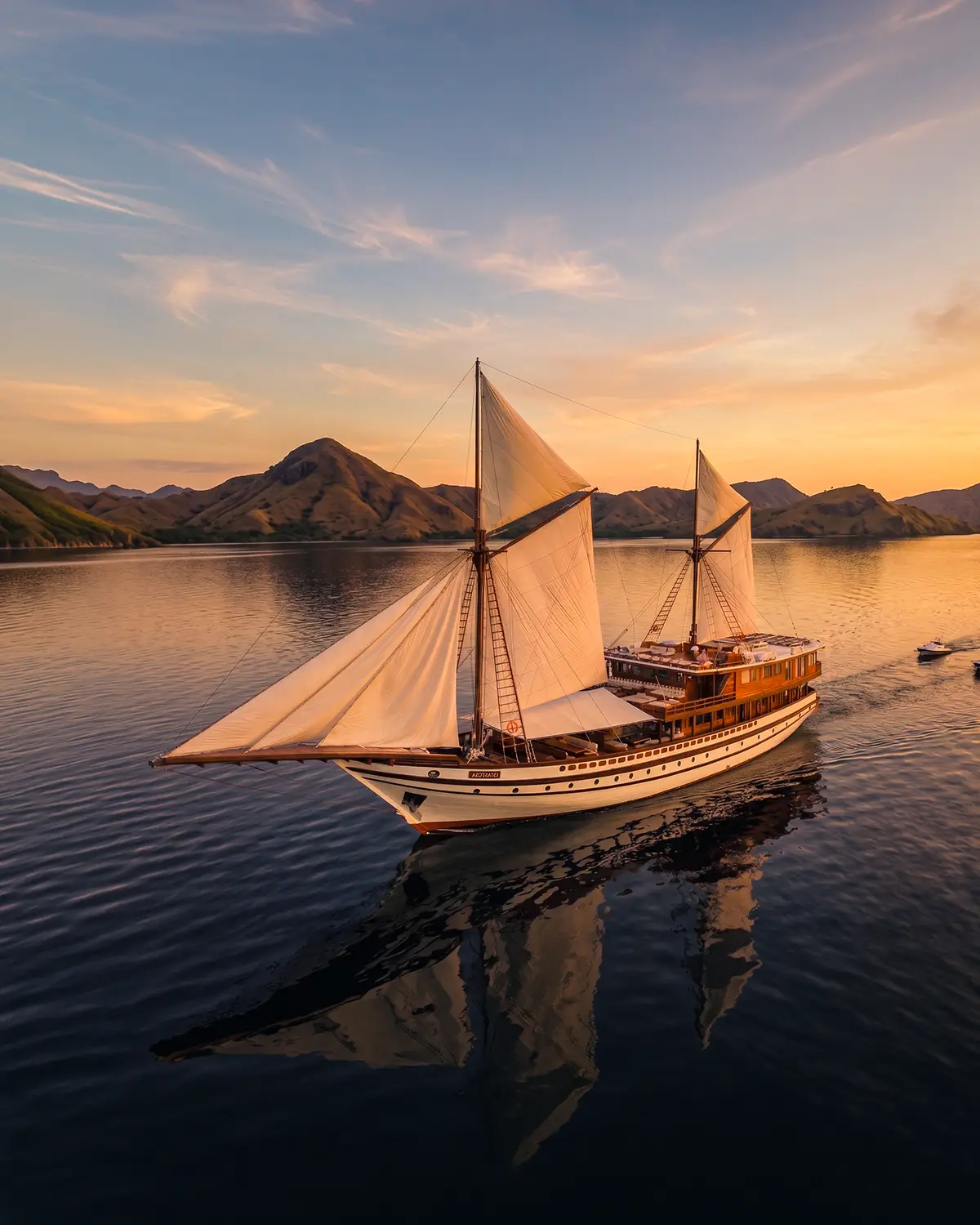
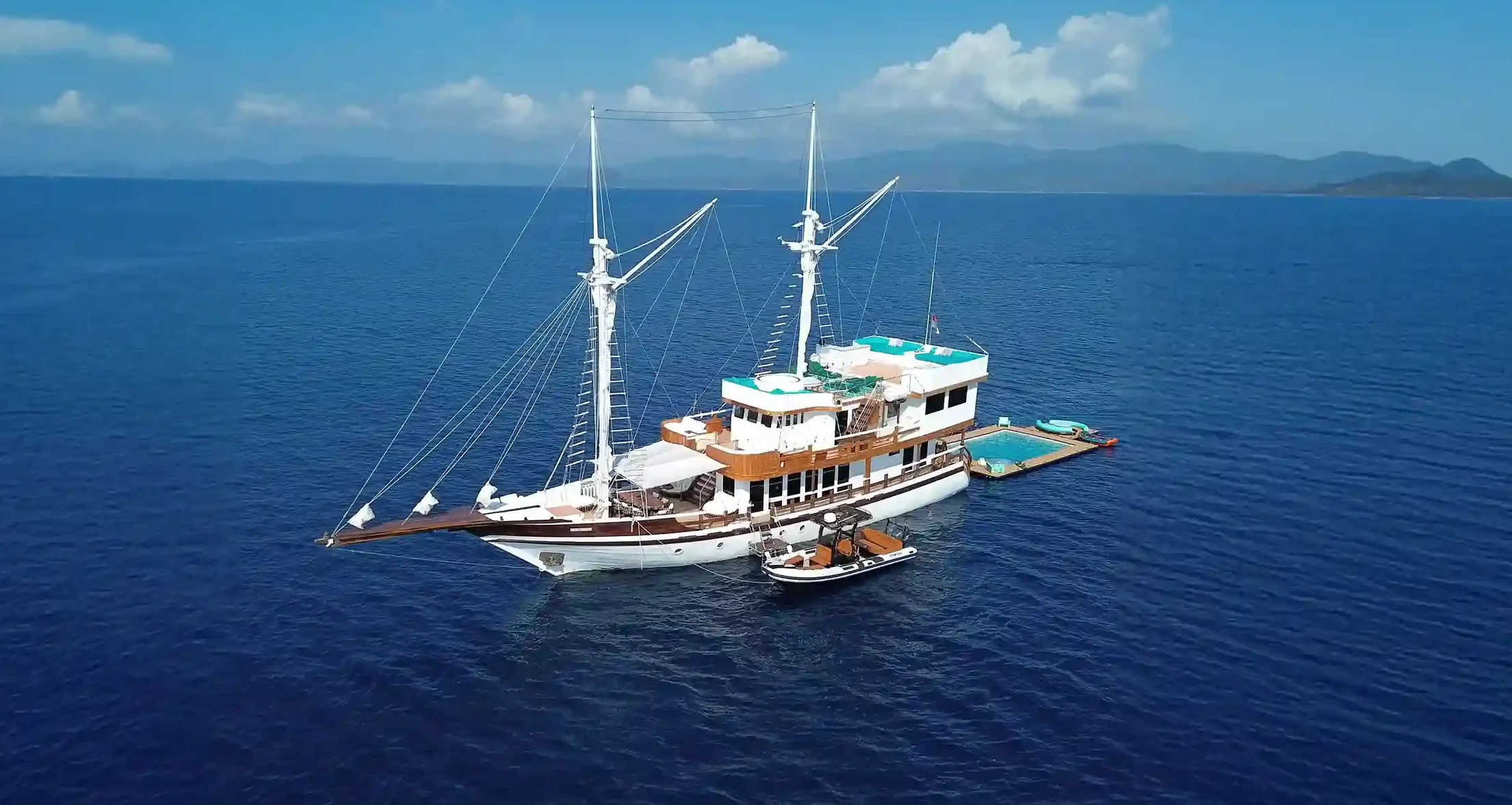
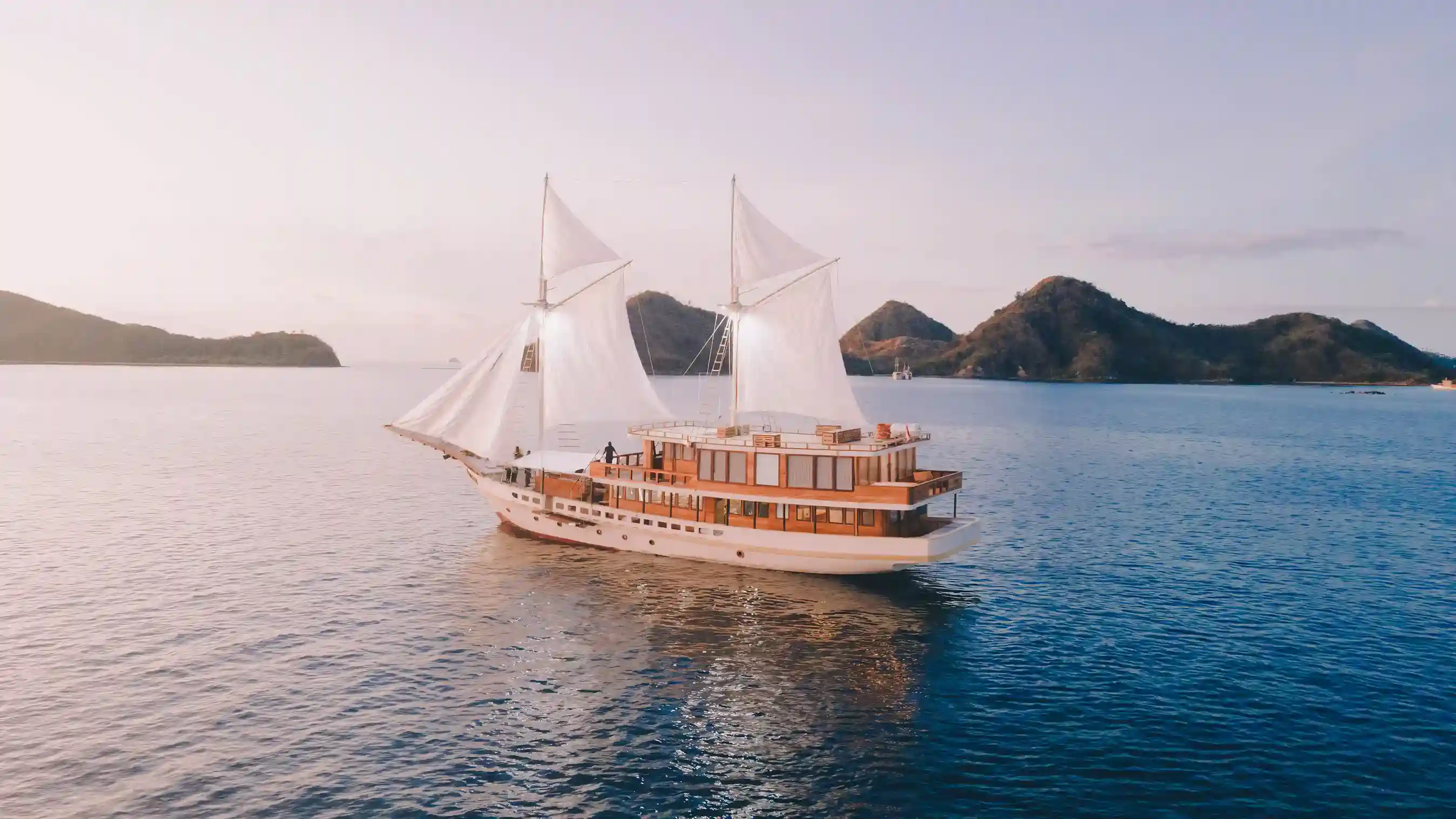
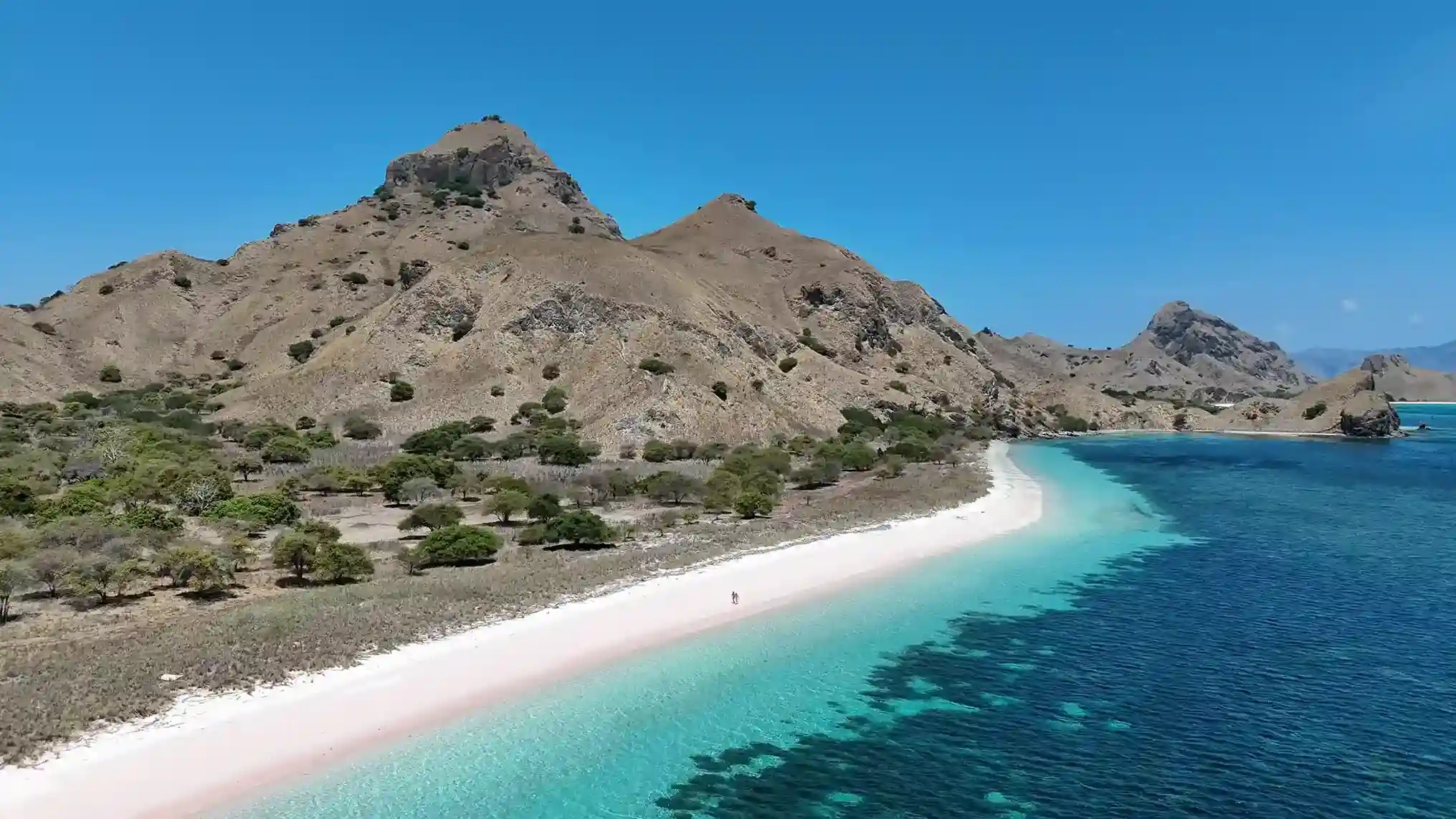
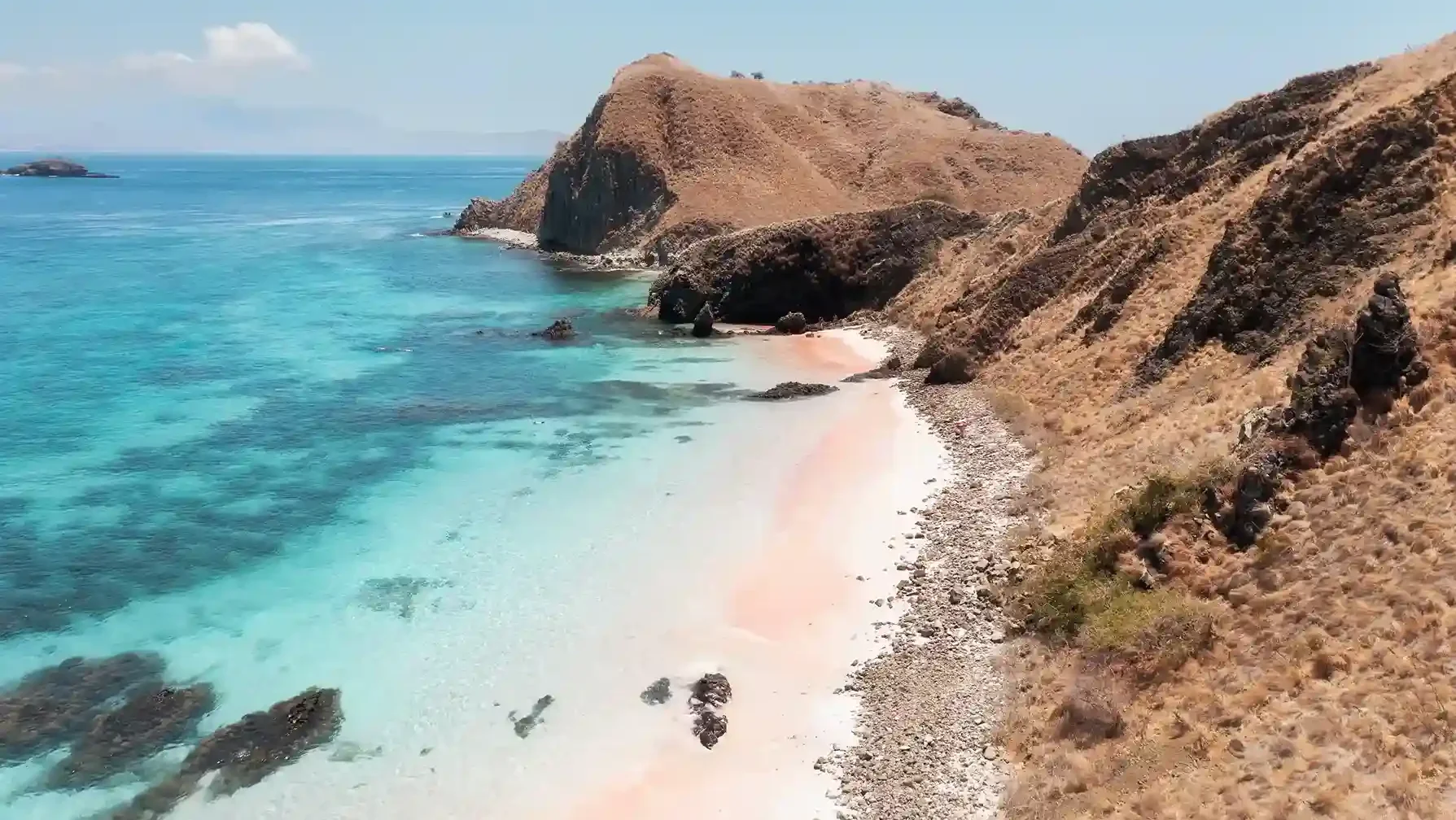
A well-run 3-day Labuan Bajo Komodo trip covers Padar's sunrise viewpoint, Komodo Island's dragon trail, Pink Beach and at least one manta or reef snorkel stop, sleeping aboard a liveaboard phinisi between islands so you're not burning daylight on transfers. Below is the itinerary structure most 3-day/2-night charters actually follow, plus where it can flex.

What does a typical 3-day Komodo itinerary actually include?
Most operators run this route as a 3-day/2-night liveaboard: depart Labuan Bajo harbour on Day 1 afternoon, sleep on board, hit Padar and Pink Beach on Day 2, trek Komodo or Rinca Island for dragons on Day 2 or 3, and sail back to Labuan Bajo by Day 3 afternoon. The exact sequence shifts by operator to work around tides, ranger session times booked through SiOra, and how many snorkel stops are included — but the three anchor experiences (Padar viewpoint, dragon trek, Pink Beach) appear in almost every version sold out of Labuan Bajo.
| Day | Stop | What happens |
|---|---|---|
| 1 | Labuan Bajo departure and Kalong Island | Board in the afternoon, sail past Kalong (Bat) Island at dusk to watch thousands of fruit bats leave their mangrove roost, then anchor overnight at sea. |
| 2 | Padar sunrise, Pink Beach, snorkeling | Pre-dawn tender to Padar for the sunrise hike up its viewpoint trail, back aboard for breakfast, then on to Pink Beach for swimming and a reef snorkel stop before lunch. |
| 3 | Komodo or Rinca dragon trek, return to Labuan Bajo | Morning ranger-guided trek on Komodo Island or Rinca Island depending on your SiOra session, then the return sail back to Labuan Bajo harbour, arriving mid-to-late afternoon. |
How early do you need to leave for Padar’s sunrise hike?
Boats typically tender guests to Padar’s trailhead by 5:00–5:30am so you’re climbing in the cool pre-dawn air and standing at the viewpoint before sunrise, since the exposed ridge trail gets uncomfortably hot within an hour of direct sun. The hike itself takes 30–45 minutes each way at an easy pace on a stepped dirt-and-rock path with no shade — bring closed shoes, water, and a headlamp or phone light for the first stretch in darkness. If your itinerary schedules Padar for mid-morning instead of sunrise, ask your operator whether an earlier tender time is possible; the view and the temperature difference are both worth the earlier start.
Which day should you schedule the Komodo dragon trek?
This depends entirely on which SiOra session your operator has booked, since park entry sessions are limited and assigned in advance rather than chosen freely on the day. Some 3-day routes front-load the trek on Day 1 afternoon if the boat departs early enough to reach Rinca before the last session closes; others save it for Day 3 morning on the way back toward Labuan Bajo. Either sequence works equally well for seeing dragons — what matters more is confirming your ranger session time before departure so the rest of the days can be planned around it, not the reverse.
Is 3 days enough time in Komodo National Park?
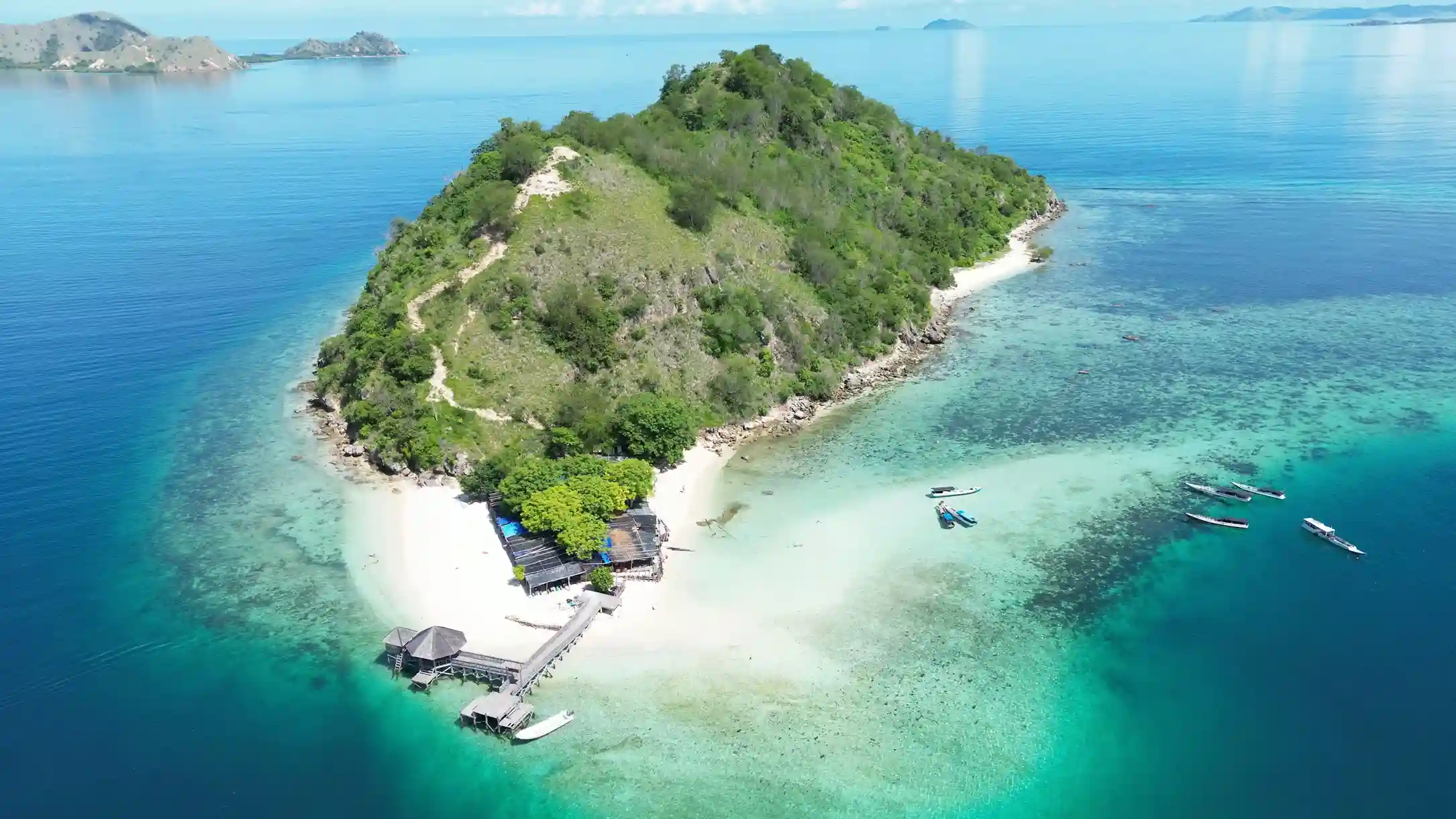
Three days is enough to see the park’s three signature experiences — Padar, a dragon trek, and Pink Beach or an equivalent snorkel stop — without feeling rushed, provided your boat departs the afternoon of Day 1 rather than the morning (which effectively gives you two full days at sea). If you also want a dedicated dive day, a visit to Kelor or Kanawa Island, or a slower pace with fewer transfers between anchorages, our 5-day itinerary and 7-day itinerary guides add that room. Day-trip (no overnight) options exist too, but they only realistically fit one or two of the three anchor stops in a single long day rather than all three.
What should you pack for a 3-day liveaboard?
- Reef-safe sunscreen — mineral-based, since chemical sunscreens are discouraged near coral reefs.
- Closed hiking shoes for Padar and the dragon trail — sandals are not adequate on the loose volcanic scree.
- A dry bag or ziplock for phones and passports during tender transfers, which regularly get some splash.
- Reusable water bottle — most boats refill from onboard dispensers rather than selling single-use bottles.
- Light long sleeves for sun protection on the exposed Padar ridge and boat deck.
- Motion sickness tablets if you’re prone to seasickness, taken before the overnight sailing legs.
What’s the difference between a 3-day open trip and a private charter?
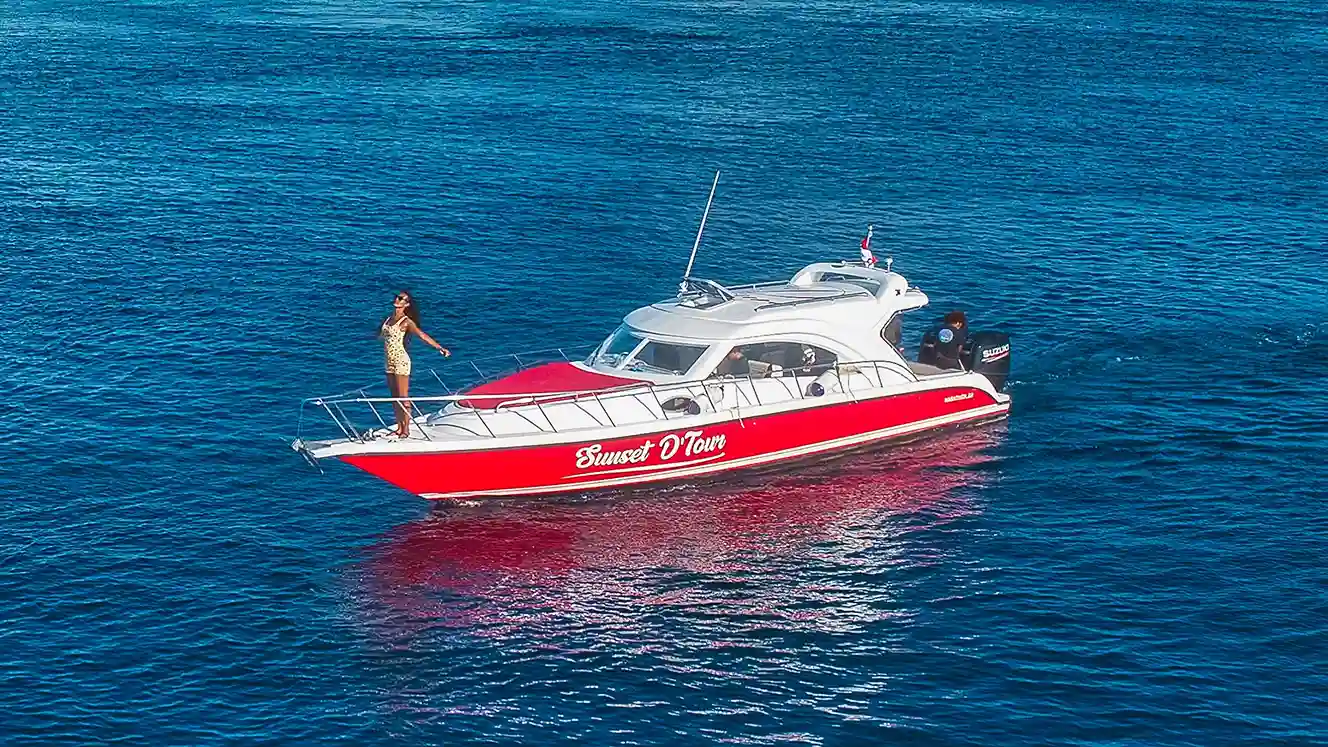
An open trip puts you on a shared boat with other travellers on a fixed departure date at a lower per-person cost, while a private charter reserves the entire vessel for your group and lets you shift stop order, add extra snorkel time, or swap Rinca for Komodo Island at your own pace. For couples or families who want flexibility, or groups larger than four to six people, a private charter on a phinisi or smaller speedboat usually works out more comfortable per person than it first appears once split across the group. See current 3D2N package options on Komodo Luxury, checked August 2026, for what’s included at each tier.
Can you customise the order of stops on a 3-day itinerary?
On a private charter, yes — you can generally ask your operator to reorder stops around your own priorities, weather forecasts, or which ranger session is available, since the boat isn’t following anyone else’s fixed schedule. On a shared open-trip departure, the order is set by the operator for the whole group and isn’t something an individual guest can change, since it has to work for everyone on board rather than one guest’s preference. If a specific sequence matters to you — say, wanting the dragon trek on Day 1 rather than Day 3 — that’s a reasonable thing to ask about at the booking stage, but expect a private charter to be the format that can actually accommodate it.
What time does the boat typically depart and return on a 3-day trip?
Most 3-day departures leave Labuan Bajo harbour in the early-to-mid afternoon on Day 1, giving the boat time to reach the Kalong Island bat-watching stop by dusk before continuing overnight toward the park. Return timing on Day 3 varies more, generally landing back in Labuan Bajo sometime in the afternoon after the morning dragon trek — this timing matters if you have an onward flight booked the same day, since cutting it too close risks missing your flight if the return sail runs later than planned. As a general rule of thumb, avoid booking an onward flight departing the same afternoon as your Day 3 return; give yourself that evening or the next morning instead.
What’s the difference between a 3D2N and a 2D1N Komodo itinerary?
A 2D1N (2-day, 1-night) trip compresses the same broad set of stops into a single overnight rather than two, which typically means less time at each stop and a tighter schedule overall — workable if your time in Labuan Bajo is genuinely limited, but noticeably more rushed than the 3D2N format this page describes. If you’re deciding between the two, the extra night in a 3D2N itinerary is usually what buys you a properly unhurried sunrise hike at Padar rather than a compressed, watch-checking version of the same climb.
How physically demanding is a 3-day Komodo itinerary?
The two land-based activities — the Padar viewpoint hike and the Komodo or Rinca dragon trek — both involve walking on uneven, unshaded terrain for 30 minutes to just over an hour at a time, which is moderate rather than extreme physical activity, but genuinely more demanding than a beach holiday itinerary. Reasonable fitness and comfort walking on loose dirt and rock in heat are what matter most; you don’t need to be an experienced hiker, but you should be comfortable on your feet for an hour at a stretch without flat, paved ground underneath you. Time between these two activities is spent aboard the boat, snorkeling, or relaxing at Pink Beach, which is considerably lower-effort by comparison.
What if bad weather affects a stop during your 3 days?
Your captain makes the call on whether a specific crossing or anchorage is safe to proceed with, and a responsible operator will adjust rather than push through deteriorating conditions — see our boat safety and night-sailing guide for how these decisions typically get made. In practice this might mean swapping the order of Padar and the dragon trek, or substituting an alternative snorkel site if Pink Beach’s specific conditions aren’t favourable that day. This kind of flexibility is one more reason a 3-day trip, with a full extra day of buffer compared with a rushed single-day visit, tends to handle an unexpected weather adjustment more gracefully than a tightly packed one-day itinerary would.
What’s a realistic budget mindset for a first 3-day Komodo trip?
Rather than anchoring to a single number, think in terms of the components that make up your total cost: boat charter (which varies by whether you choose shared or private, and by vessel tier), the SiOra park entrance and guide fee, and any extras like diving or drinks. Current package pricing is best checked directly against live 3D2N package listings, checked August 2026, since rates shift with vessel type, season and group size rather than sitting at one fixed figure worth quoting here.
Should first-time visitors do the 3-day trip as a shared or private booking?
For a first Komodo trip, either format works well — a shared departure is a lower-commitment way to experience the itinerary at a lower cost, while a private charter suits those who already know they want full schedule control from the outset. Neither choice locks you out of trying the other format on a future visit, so there’s no need to treat this as a high-stakes decision for a first-timer weighing the two.
What’s a sensible way to spend the final evening if your flight isn’t until the next day?
Many travellers use a spare evening in Labuan Bajo after disembarking to try a proper sit-down meal on land after several days of boat meals, walk along the harbourfront at sunset, or simply rest before an onward flight — a low-key close to a physically active few days rather than rushing straight from the jetty to the airport.
Where do sunrise and wildlife moments fit into 3 days?
You can fit Labuan Bajo sunrise viewpoints and wildlife watching into a 3-day Komodo itinerary if you pick your slots carefully. Most visitors stay at least one night in town either before or after the boat, which is when Bukit Amelia and Puncak Waringin work best.
Sunrise views in Labuan Bajo
Bukit Amelia sits a short drive east of town. Plan to leave your hotel about 30–40 minutes before first light. The path is a straightforward walk, but it is dark, so take a torch and wear trainers rather than sandals.
Puncak Waringin is in town, so it suits a final morning if your flight is later in the day. You get wide harbour views without a long hike. Go for sunrise to avoid the heat, then return for breakfast before the airport.
Turtles, whales and how to time them
Turtle watching in Komodo National Park usually fits naturally into a 3-day liveaboard, as many boats stop at reefs where turtles often feed and rest. Ask the crew which snorkel sites give you the best chance. Guides will brief you on keeping distance and never touching or chasing turtles.
Whale watching in Komodo National Park is more opportunistic on a standard 3-day route. Crews sometimes spot dolphins or larger whales in channels between islands, especially when currents are strong. You cannot plan this into a fixed schedule, but you can spend time on deck during crossings to maximise your chances.
The most realistic plan is: sunrise hill in Labuan Bajo before or after the cruise, turtles during planned snorkel stops, and whales as a lucky bonus while you move between islands.
Updated: August 29, 2026 · Originally published: May 12, 2026