In short
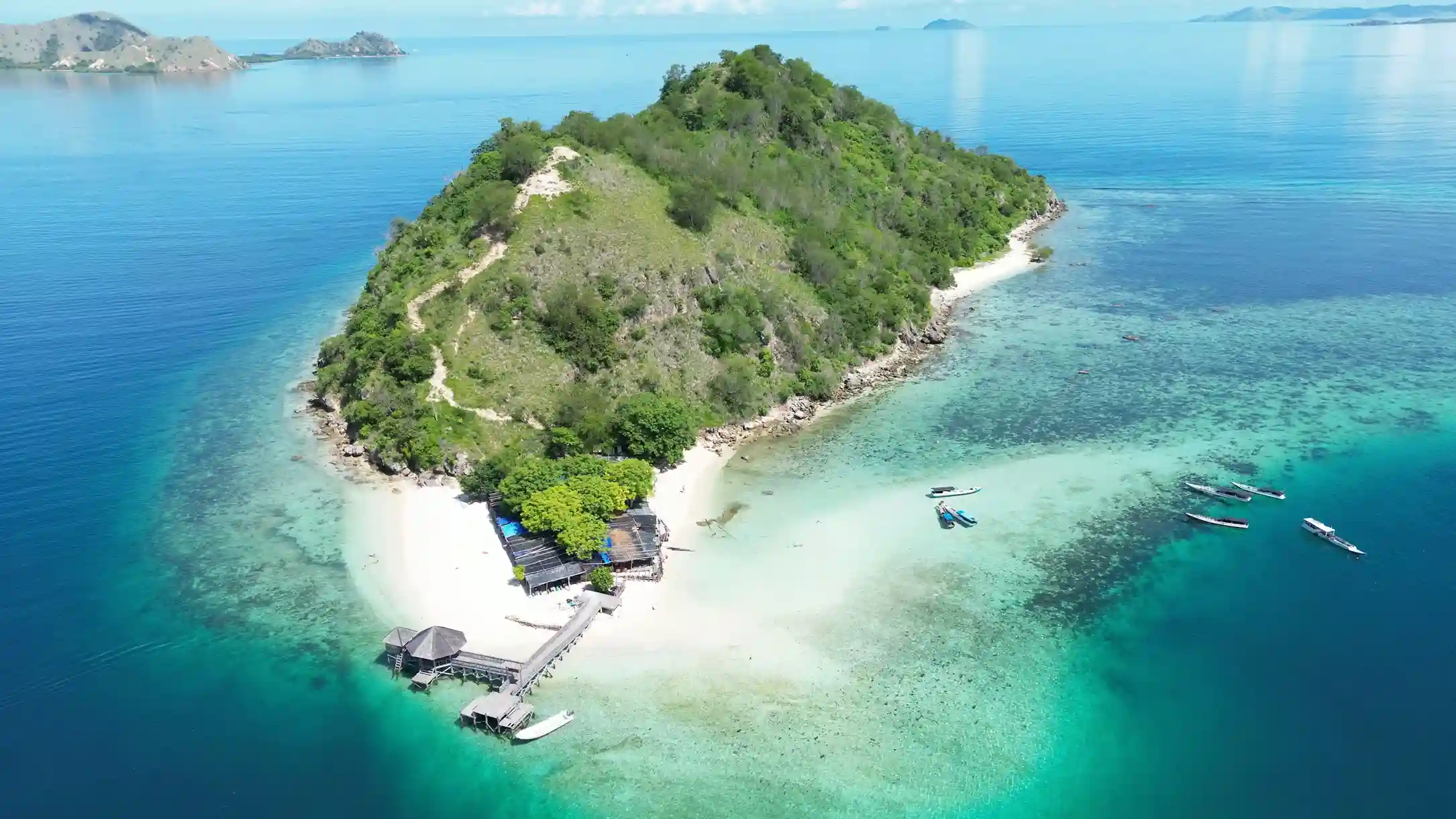
At Labuan Bajo Komodo Voyages, the editorial desk published by Juara Holding Group, we take the view that responsible travel starts with informed choices. Komodo National Park is a UNESCO World Heritage Site since 1991 whose inscribed World Heritage property covers 1,733 square kilometres of land and sea, home to the Komodo dragon and rich reef systems. This desk publishes research about the park; it owns no vessel, runs no trip, and takes no booking — so this page sets out what sustainability actually looks like here: the rules the park itself enforces, and the questions worth putting to any boat operator before you book.
At Labuan Bajo Komodo Voyages, the editorial desk published by Juara Holding Group, we take the view that responsible travel starts with informed choices. Komodo National Park is a UNESCO World Heritage Site since 1991 whose inscribed World Heritage property covers 1,733 square kilometres of land and sea, home to the Komodo dragon and rich reef systems. This desk publishes research about the park; it owns no vessel, runs no trip, and takes no booking — so this page sets out what sustainability actually looks like here: the rules the park itself enforces, and the questions worth putting to any boat operator before you book.
What the park itself requires
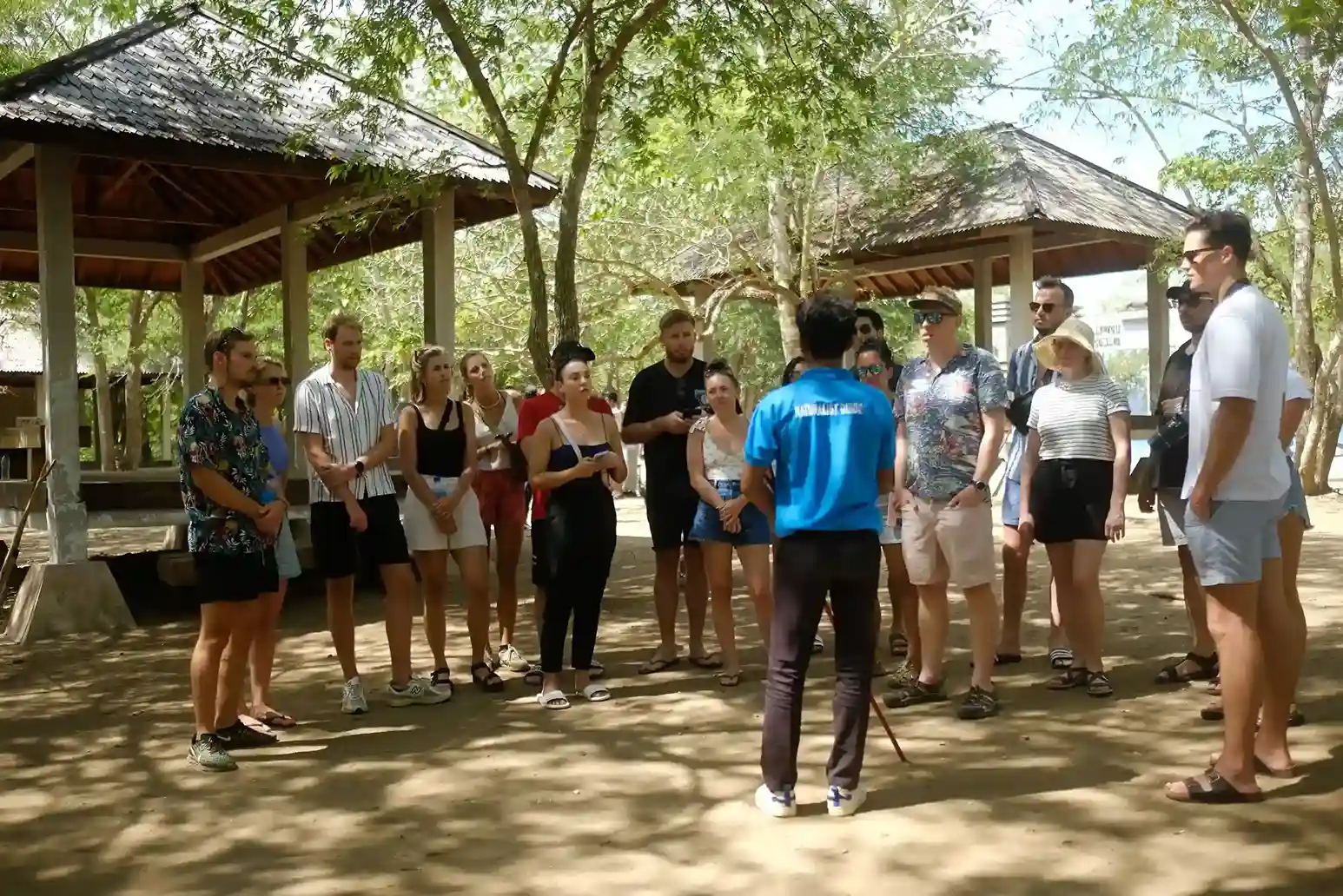
Komodo National Park is managed by Balai Taman Nasional Komodo under the Ministry of Environment and Forestry (KLHK), governed by Government Regulation PP 36/2024 on park tariffs and access. Rangers accompany every trekking group on Komodo and Rinca, visitor numbers are capped by daily session quotas booked through the SiOra system, and marine zones around Pink Beach and Manta Point carry no-anchor and no-touch rules for coral and wildlife. These are the enforceable standards that actually protect the park — see our entrance fee breakdown and SiOra booking guide for the current requirements.
What to ask a boat operator before you book
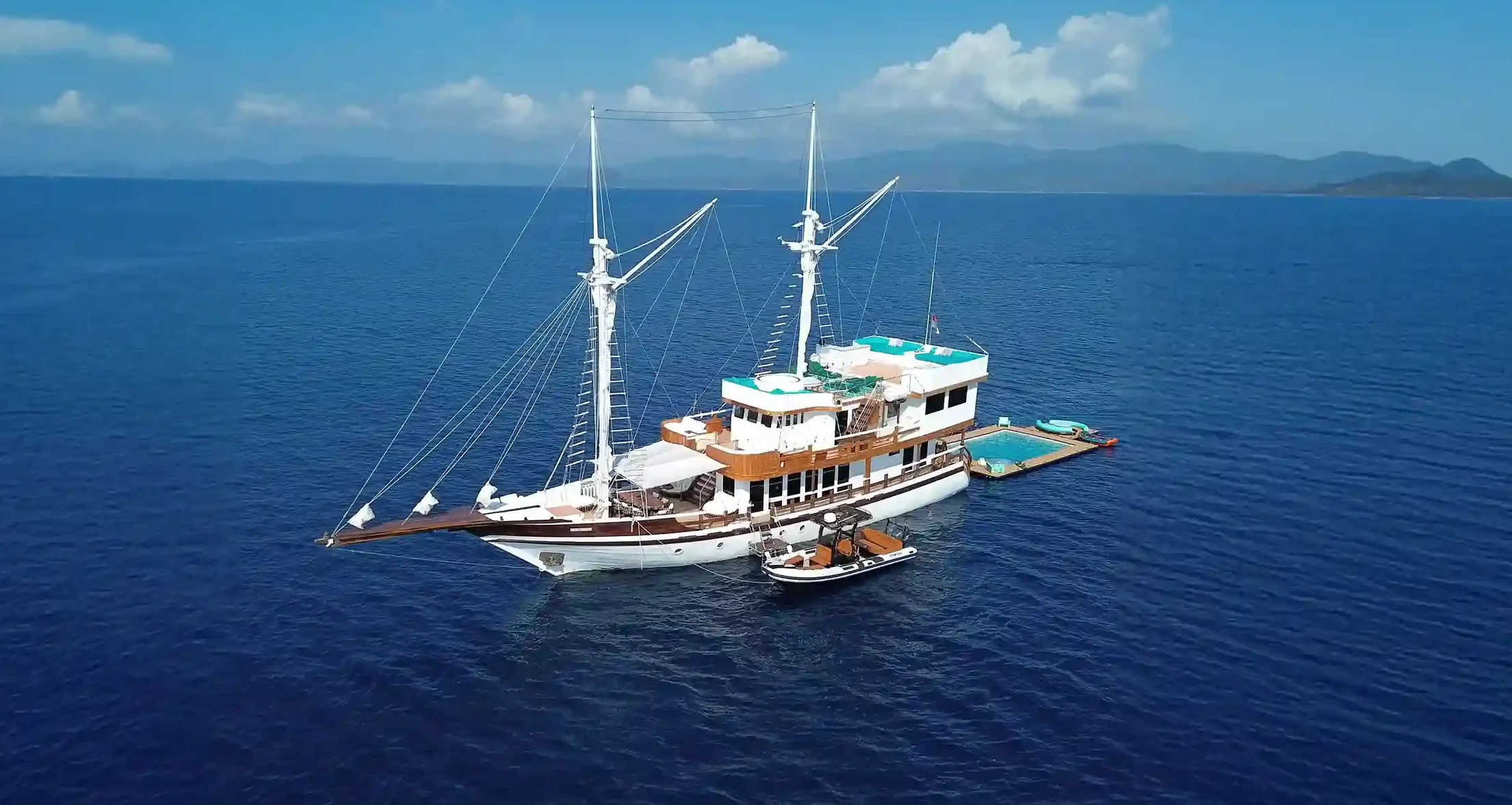
- Waste handling: Ask whether the vessel carries waste back to Labuan Bajo for disposal rather than dumping at sea — a reputable operator will answer this directly and without hesitation.
- Single-use plastic: Many liveaboards now provide refillable water stations instead of bottled water; ask before you board rather than assuming.
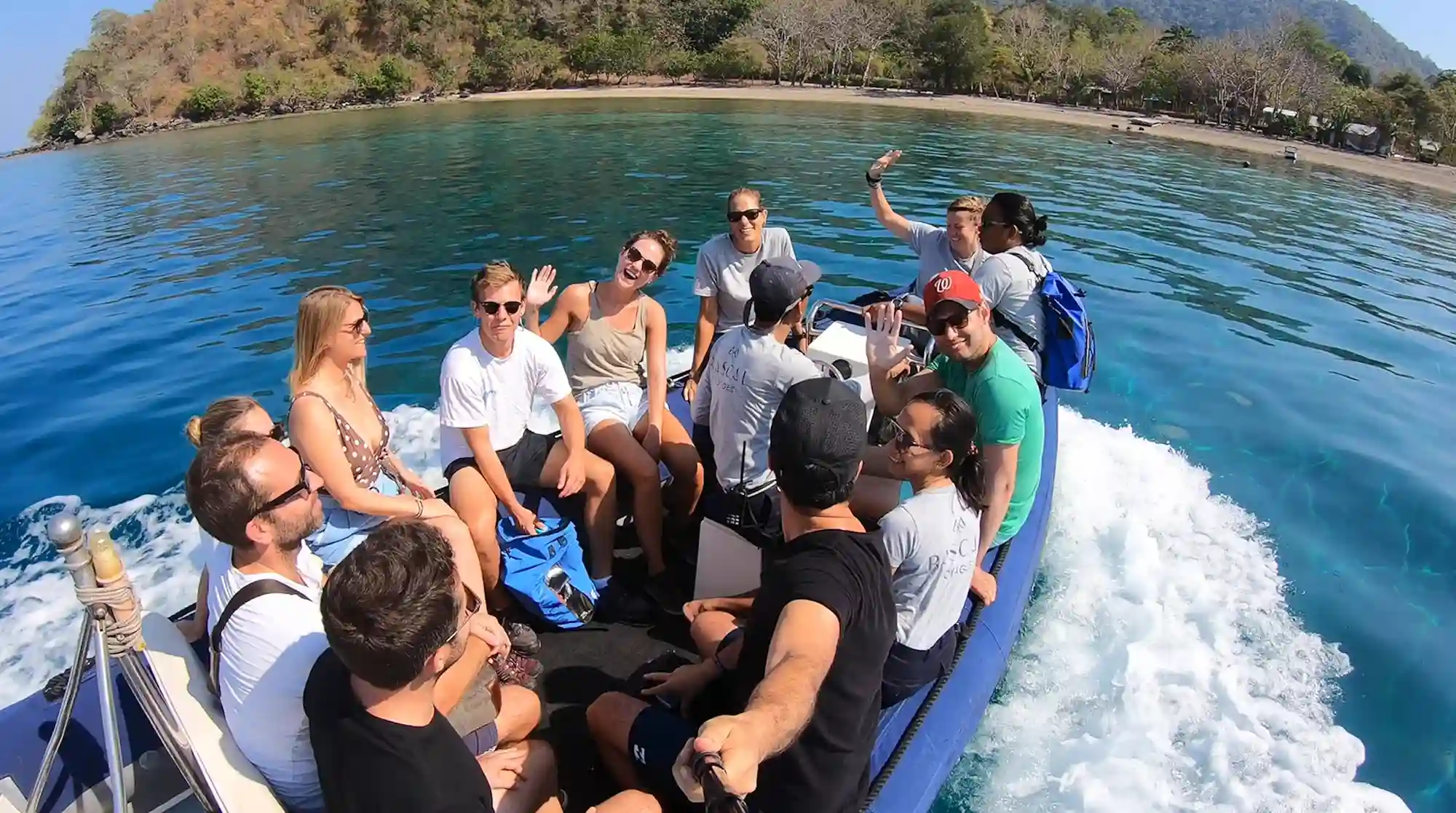
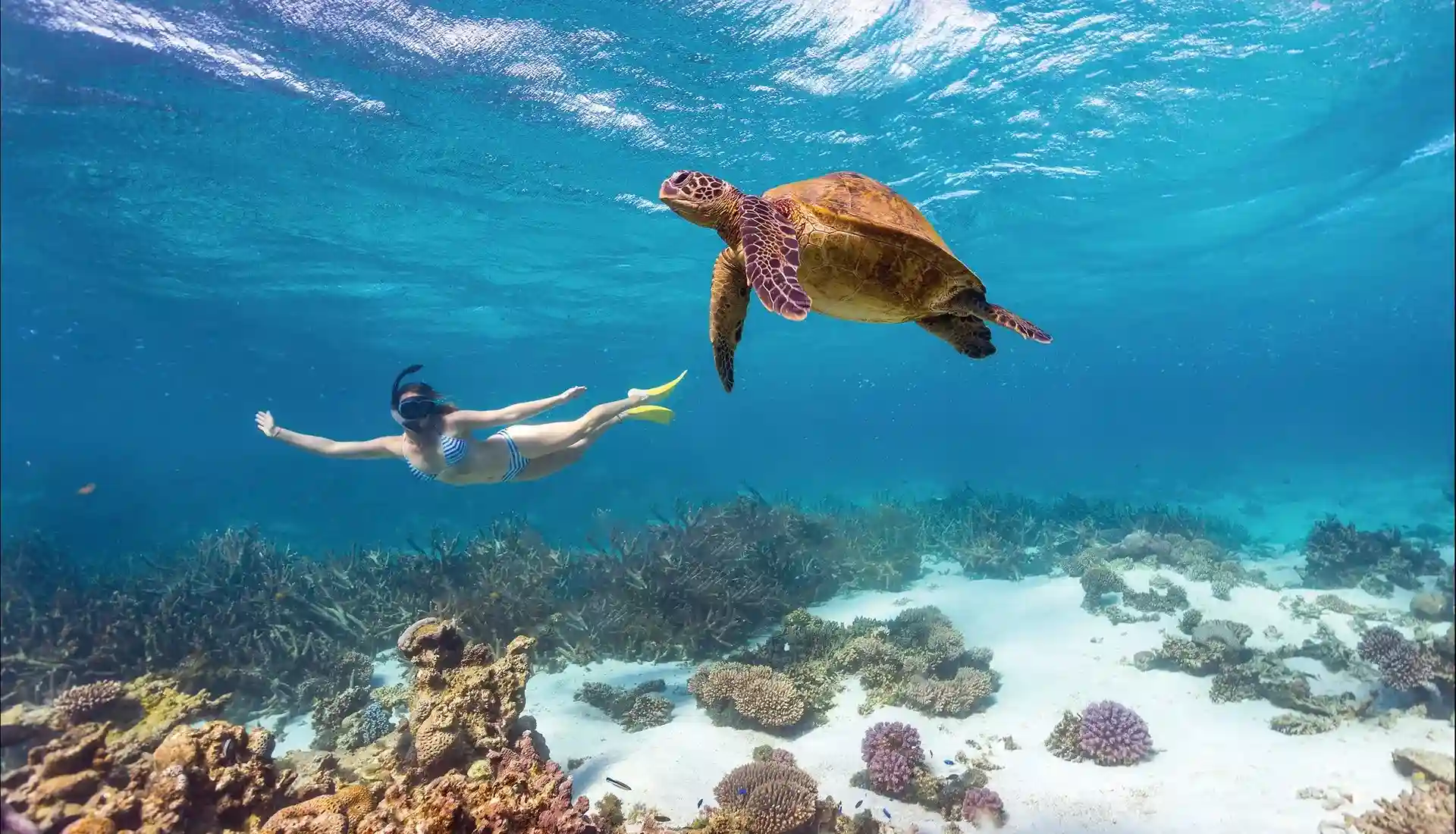
- Wildlife distance rules: On Komodo dragon treks, a ranger sets the safe distance; on the water, ask whether the crew holds position away from manta rays and turtles rather than chasing them for photos.
- Local crew and guides: Most reputable Labuan Bajo operators staff their boats primarily with crew from Flores and Komodo — ask about crew origin if that matters to you.
Where conservation funding actually comes from
Conservation work in and around Komodo National Park is carried out by the park authority itself, by Indonesian government marine programs, and by NGOs including WWF Indonesia and The Nature Conservancy Indonesia, who run their own independently funded reef and marine-debris programs in the wider Nusa Tenggara region. We do not claim a funding partnership with any conservation organization on this page — if you want to support their work directly, WWF Indonesia (wwf.id) and The Nature Conservancy Indonesia (nature.org) accept donations and volunteers directly.
Supporting local communities as a visitor
The villages around Komodo National Park, including Kampung Komodo on Komodo Island and Kampung Rinca, sell traditional weaving, carving, and pearl crafts directly to visitors — buying from village stalls rather than only from hotel gift shops puts money directly into local hands. Most day-trip and liveaboard itineraries can include a stop at a village market on request; ask your operator when planning your route.
For the honest picture of how Komodo boats and operators are vetted against safety criteria, see the boat safety and vetting standards published here. For verified boat and yacht products with published fleets and pricing, the recommended partner is Komodo Luxury — WhatsApp +62 811-3810-8110 or sales@komodoluxury.com for planning help.
Continue exploring Labuan Bajo Komodo Voyages:
Our Process ·
Boat Safety & Vetting ·
Entrance Fees 2026