
In short
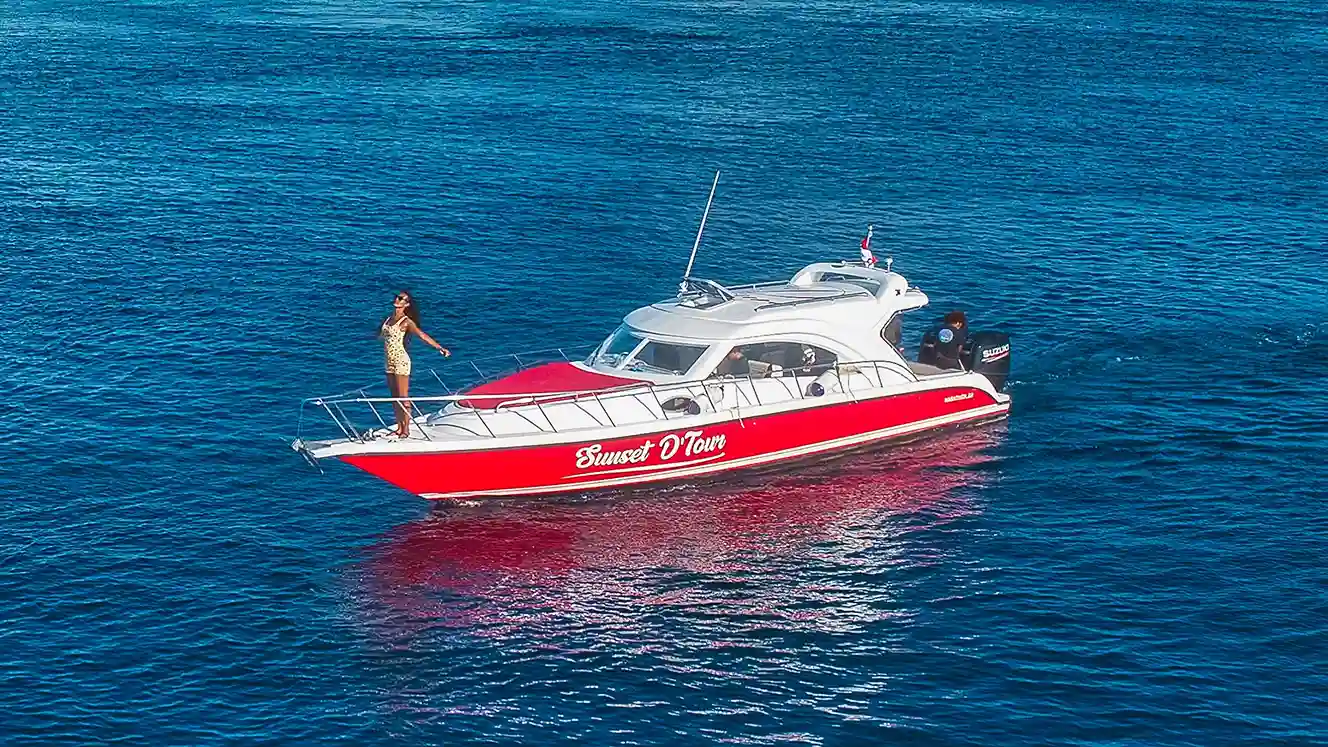
Komodo National Park’s charter market includes a wide range of phinisi and speedboat operators, each with different vessel classes, crew, and route specialties — a small family with two children needs a different boat from a group of eight divers chasing specific dive sites. Vetting a network rather than a single fleet is what lets the boat be matched to the trip instead of the trip to whichever single vessel happens to be free. The trade-off is that the standard here has to be about process — the questions asked, the documents checked, the operators left off the list — rather than a blanket claim about a fleet this guide does not own.
Who does the vetting, and who owns the boats
This site owns no boats and crews none of them. It is the editorial desk of Juara Holding Group; the vetting set out below is the standard Komodo Luxury — the licensed operator in the same group — applies before a vessel carries its guests. We publish the criteria so you can hold any operator to them, that one included. This guide does not operate boats. Bookings are fulfilled by Komodo Luxury, and this site may earn a referral commission.
Labuan Bajo Komodo Voyages is the editorial desk of Juara Holding Group. It plans nothing and books nothing: the trips discussed across this site are arranged by Komodo Luxury, the group’s licensed operator, which charters vessels and crews rather than owning a fleet. That chain matters for safety, because it decides who can actually answer a question. This page publishes the criteria a boat should clear; the certificates themselves belong to the operators and are theirs to show you directly. Nothing here claims a certification on their behalf.
Crew certification — the questions operators are asked
Komodo Luxury asks every operator whether their captain and senior crew hold maritime certification appropriate to the vessel — including STCW (Standards of Training, Certification and Watchkeeping for Seafarers) qualifications where relevant to the route and vessel class — and how many years the captain has run this specific stretch of water. Local navigational experience in the straits around Komodo, Rinca, and Padar is not a formality; currents and reef hazards in this archipelago reward a captain who has sailed it for years over one who hasn’t.
Safety equipment this guide expects to see documented
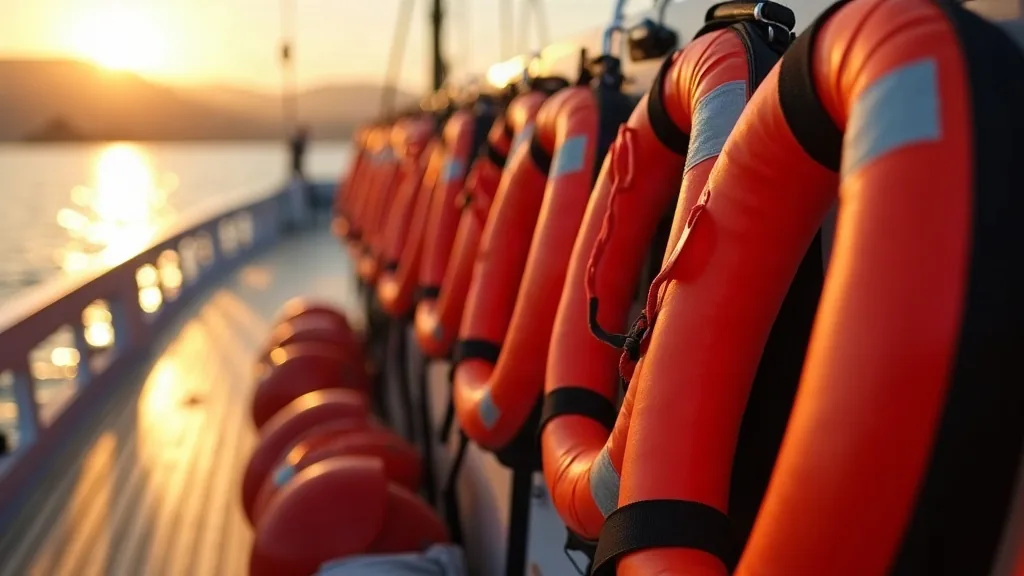
- A life jacket for every passenger aboard, in accessible, briefed locations — not stored away and never mentioned.
- Basic first-aid equipment aboard, appropriate to the length of the itinerary and distance from shore.
- Working communication equipment (radio, and increasingly satellite communication on longer liveaboard routes) to reach the harbor master or emergency services if needed.
- A clear night-sailing and rough-weather policy — Komodo Luxury asks operators directly whether they sail after dark between anchorages, and favors those who don’t unless conditions and navigation equipment clearly support it.

Insurance — what to confirm before you board
Komodo Luxury asks operators about passenger liability insurance coverage on their vessels, and for dive-inclusive itineraries, whether their dive guides carry appropriate professional certification and follow standard buddy-system and group-ratio practices. Every traveller should also carry their own travel insurance with dive-accident and sea-evacuation cover if diving is part of the trip — see our travel insurance guide for what a policy should include, since Labuan Bajo has no recompression chamber and serious cases require evacuation to Bali.
Ranger and park-permit compliance
Every Komodo Luxury itinerary routes park entry through a licensed ranger-guide for dragon treks — this is a national park regulation, not an optional upgrade — and includes SiOra online registration ahead of arrival. Our full breakdown of what’s charged and why is on our entrance fee page.
What to verify yourself
Third-party vetting has real limits, and it is worth stating them: a document can be current on the day it is checked and lapse a month later, and no conversation replaces seeing a boat and crew in person. Ask the assigned operator directly, before departure, to show the KSOP certificate and to confirm that the safety briefing covers life-jacket locations and emergency procedure — a reputable operator answers that without hesitation. If a vessel turns out to differ from what was represented at booking, raise it with the operator immediately, and copy this desk if you want the discrepancy on record.
Questions worth asking any Komodo operator
Whether you book through Komodo Luxury or independently, these are reasonable questions for any Komodo boat operator: Can I see your current KSOP seaworthiness certificate? Does the captain hold appropriate certification for this route and vessel class? What is your policy on night sailing and rough-weather departures? Is passenger liability insurance in place? For dive trips, what certification does the dive guide hold, and what’s the maximum group-to-guide ratio? A vague or evasive answer to any of these is worth taking seriously before you pay a deposit.
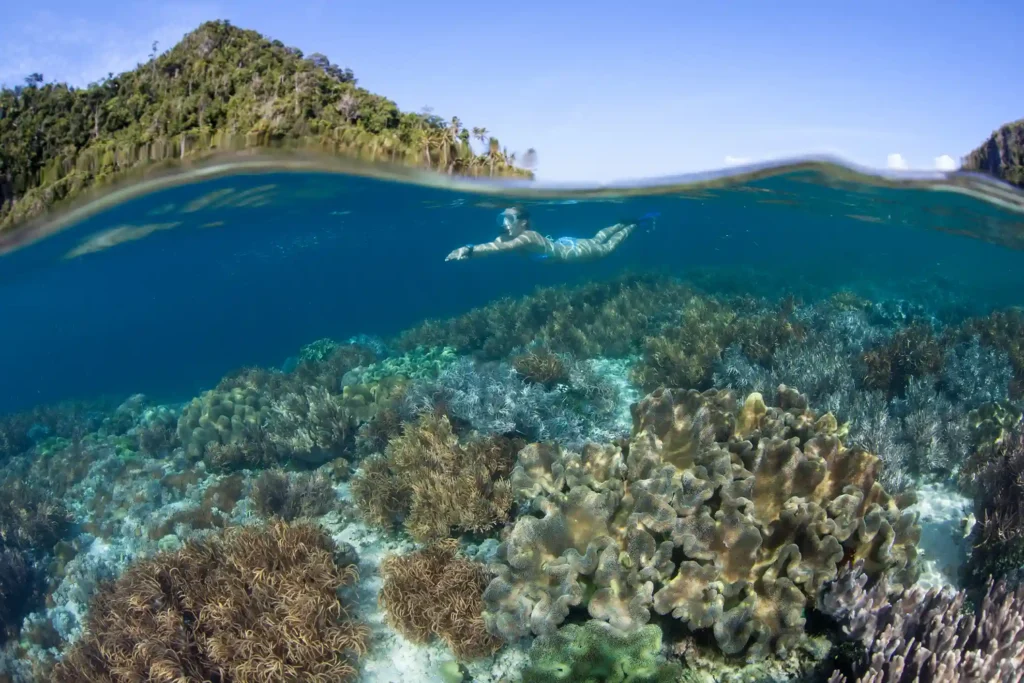
Why the vetting rests on a network rather than one fleet
Komodo National Park’s charter market includes a wide range of phinisi and speedboat operators, each with different vessel classes, crew, and route specialties — a small family with two children needs a different boat from a group of eight divers chasing specific dive sites. Vetting a network rather than a single fleet is what lets the boat be matched to the trip instead of the trip to whichever single vessel happens to be free. The trade-off is that the standard here has to be about process — the questions asked, the documents checked, the operators left off the list — rather than a blanket claim about a fleet this guide does not own.
How this page gets updated
The vetting criteria are reviewed and, where needed, revised as maritime regulation or Komodo Luxury’s record of vetting operators changes — this isn’t a static list written once and left unchanged. If an operator previously listed here no longer meets a specific criterion above, Komodo Luxury stops booking it rather than continuing on past reputation alone.
If you have a specific concern about a particular boat or operator not covered above, ask the editorial desk directly — a detailed question answered before you book beats discovering an issue once already aboard.
Put the hard questions to your operator
Seaworthiness, crew certification, and safety equipment are all checkable before money changes hands. Komodo Luxury will answer each one for a named vessel — ask in writing, before you book.
📧 Voyages desk📞 +62 811-3810-8110
Vessel seaworthiness — what Komodo Luxury checks before a boat is recommended
Every vessel covered on this site is expected to hold a current Certificate of Seaworthiness issued by the Kantor Kesyahbandaran dan Otoritas Pelabuhan (KSOP) — Indonesia’s harbor authority — appropriate to its size and route. Komodo Luxury asks operators to show this document, along with proof of departure clearance practice from the local harbor master (Syahbandar) before each sailing. If an operator cannot produce current KSOP documentation on request, that vessel does not stay on the list of boats Komodo Luxury will put a guest on.