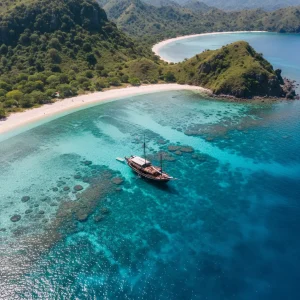
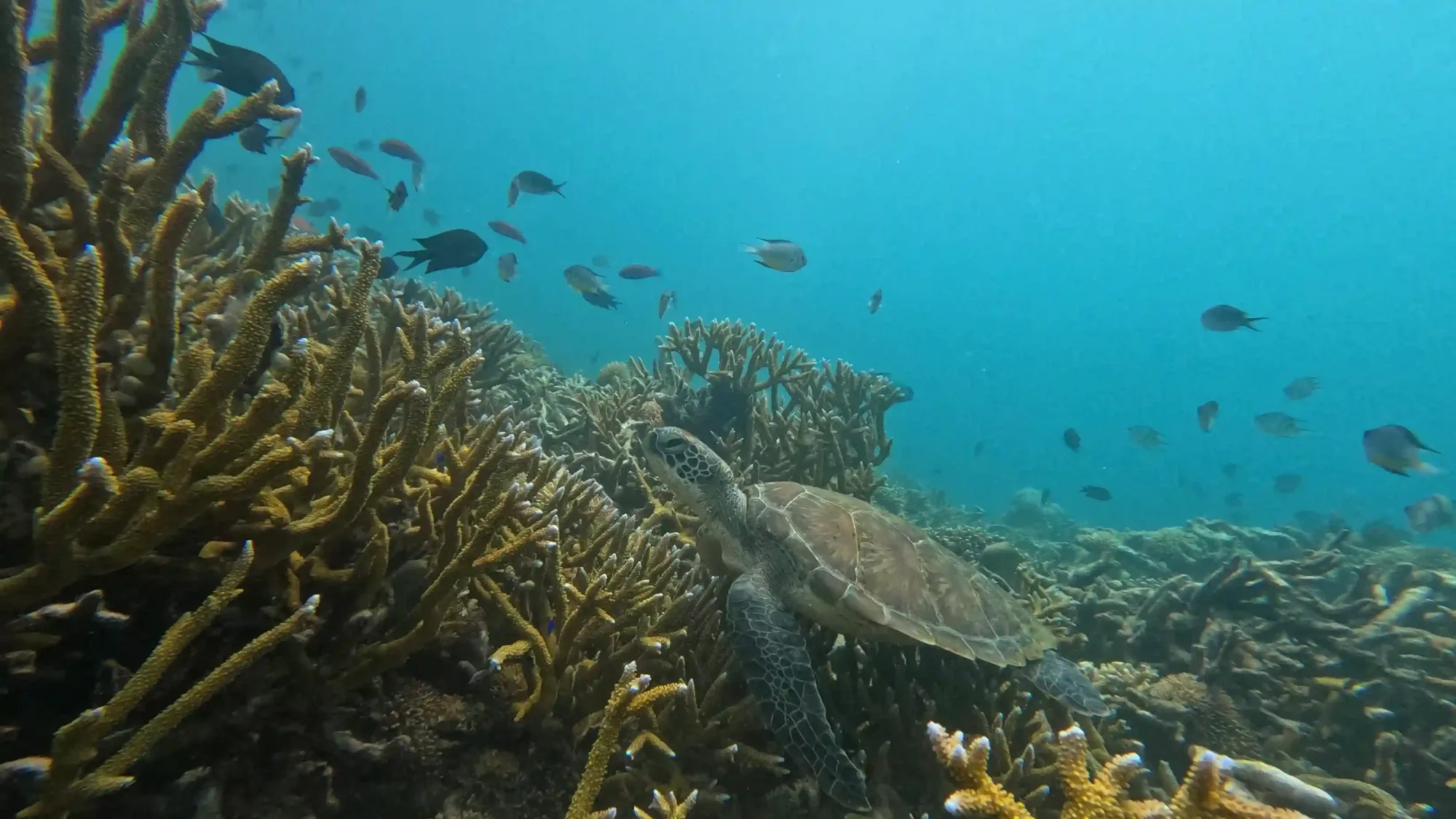
Marine conservation in Komodo involves various initiatives to protect the unique marine biodiversity, focusing on sustainable practices and community involvement.
Marine Conservation Komodo: Current Efforts
The Komodo National Park, renowned for its remarkable marine biodiversity, serves as a pivotal area for conservation initiatives. Its UNESCO World Heritage property covers approximately 1,733 square kilometres, including 603 square kilometres of land, with the remainder marine territory; the KSDAE conservation directorate publishes the park’s administrative area as 178,746.39 hectares, about 1,787 square kilometres. The park’s management works in tandem with local communities and international organisations to implement strategies aimed at safeguarding marine life. This collaboration is evident in several key initiatives. For instance, the park has established no-take zones, which prohibit all forms of fishing and extractive activities to allow marine ecosystems to regenerate naturally. Additionally, the park authorities are working with global conservation groups to conduct regular marine surveys, which help track the health of coral reefs and fish populations. This data is vital for developing adaptive management strategies that ensure sustainable tourism and fishing practices, which are crucial in maintaining ecological balance and protecting endangered species like the green sea turtle and the dugong.
Ocean Preservation Labuan Bajo
Labuan Bajo, the to Komodo, plays a significant role in ocean preservation efforts. The local authorities, in partnership with non-governmental organisations (NGOs), have designated several marine protected areas (MPAs) around Labuan Bajo. These MPAs are instrumental in mitigating the effects of overfishing and coral bleaching, which are significant threats due to rising sea temperatures and unsustainable fishing practices. Educational programmes are a cornerstone of these efforts, aiming to raise awareness among both tourists and locals about the importance of marine conservation. These programmes often involve workshops and seminars that teach sustainable practices and highlight the ecological significance of the region’s marine life. For example, the local community is encouraged to participate in coral planting activities, which not only aid in reef restoration but also provide educational opportunities for visitors to learn about marine ecosystems.
Komodo Marine Life Protection Strategies
Protection strategies for Komodo’s marine life encompass several innovative approaches. Rigorous monitoring of fishing activities is conducted through patrols and the use of satellite technology to track illegal fishing vessels. The promotion of eco-friendly tourism practices is another key strategy, with tour operators encouraged to adhere to guidelines that minimise environmental impact, such as limiting the number of boats in sensitive areas and ensuring waste is properly managed. Conservationists are actively involved in coral reef restoration projects, employing methods such as coral transplantation and the construction of artificial reefs to enhance marine habitats. These efforts are crucial for conserving breeding grounds for various marine species, including the majestic manta rays and the vibrant clownfish, which are iconic to the region. Collaborative research projects with universities and marine institutes are also underway, focusing on the resilience of coral species to climate change, which will inform future conservation strategies.
Community Involvement in Conservation
Community involvement is a cornerstone of successful conservation initiatives in Komodo. Local fishermen are encouraged to adopt sustainable fishing techniques, such as using fish aggregating devices that reduce bycatch and allow juvenile fish to mature. Training programmes provide locals with alternative livelihoods, promoting a transition towards eco-tourism activities. This approach not only preserves marine biodiversity but also supports the economic well-being of local communities. For instance, many former fishermen have become certified dive guides, sharing their knowledge of the marine environment with tourists. Additionally, community-based monitoring programmes empower locals to take an active role in conservation, reporting illegal activities and contributing to data collection efforts. These initiatives foster a sense of stewardship and ensure that conservation efforts are sustainable in the long term.
The Future of Marine Conservation in Komodo
Looking ahead, the future of marine conservation in Komodo will likely see increased collaboration between stakeholders, leveraging technology and research to enhance conservation outcomes. Efforts to expand marine protected areas and strengthen policy enforcement are expected to continue, driven by a growing recognition of the importance of preserving Komodo’s unique marine ecosystems. In recent years, the commitment to sustainable tourism in Komodo has been a driving force behind many conservation efforts. Initiatives as we move towards 2027 may focus on integrating technologies such as satellite monitoring and artificial intelligence to better understand and protect marine biodiversity. With its rich marine life and diverse ecosystems, Komodo National Park remains a critical area for conservation efforts. The ongoing initiatives not only aim to protect the environment but also ensure that future generations can enjoy the natural beauty of this unique region.
2027 Note
As of 2027, Komodo’s marine conservation efforts are increasingly incorporating digital tools and data analytics to enhance monitoring and enforcement. These advancements are pivotal in addressing challenges such as illegal fishing and habitat destruction, ensuring the long-term sustainability of the region’s marine resources. Technologies such as drones are being employed to monitor remote areas, providing real-time data that assists in rapid response to environmental threats. Furthermore, the use of blockchain technology is being explored to create transparent and traceable supply chains for local seafood, promoting sustainable fishing practices among local communities.
FAQ
What are the latest marine conservation initiatives in Komodo?
The latest initiatives in Komodo focus on expanding marine protected areas, coral reef restoration, and promoting sustainable tourism through community involvement and education. These efforts are supported by technological advancements such as satellite monitoring and AI-driven analytics.
How can tourists support marine conservation in Komodo?
Tourists can support conservation efforts by choosing eco-friendly tour operators, respecting marine life, and participating in educational programmes about sustainable practices. Engaging in activities such as coral planting and beach clean-ups also contributes positively to conservation goals.
What impact do conservation efforts have on local communities?
Conservation efforts provide alternative livelihoods through eco-tourism, fostering economic stability and community development while ensuring the preservation of natural resources. These initiatives help build resilience among local communities, enabling them to adapt to environmental and economic changes.
Where this information comes from
Claims about marine protection status and conservation activity in Komodo National Park on this page are limited to what’s publicly verifiable — the park’s own protected-area status and generally documented reef and marine-life conservation concerns in the region. We don’t name specific international NGO partnerships or joint programs here unless we can point to a public, current confirmation of that partnership; where we previously couldn’t verify a named partnership, we’ve removed it rather than leave an unconfirmed claim standing. See our editorial standards for how we handle this generally.
See conservation-minded operators in action
Being a Respectful Visitor in Labuan Bajo Town
Most visitors base themselves in Labuan Bajo between boat trips, so your behaviour in town also affects local support for marine conservation. The central strip by the harbour is compact and you can walk between many guesthouses, small cafés and the waterfront in a short time. Hillside areas are steeper and spread out, so you may prefer short scooter or car rides there, especially in the midday heat.
Walking, modest dress and everyday manners
Footpaths are irregular and often shared with parked scooters. Wear sandals or shoes with grip and carry a torch at night, as some streets are dimly lit and uneven. Traffic is used to pedestrians, but crossings are informal, so cross slowly and make eye contact with drivers.
Labuan Bajo is majority Muslim with Christian and other minorities. Swimwear belongs on boats and beaches, not in town. Light, modest clothing that covers shoulders and at least to the knee is appreciated, especially near markets or mosques. Ask before photographing people, boats or fish stalls, and avoid touching displayed catch unless invited.
Ramadan rhythms and respectful behaviour
During Ramadan many locals fast from dawn to sunset. Some restaurants still serve food in the day, others open later, and service can be slower as staff are tired. You are not expected to fast, but try to avoid eating or smoking directly in front of fasting staff or at mosque gates during daylight.
At sunset you will hear the call to prayer and see families gathering to break the fast. Traffic and harbour activity may pause briefly. Keeping noise low near mosques during prayer times and dressing conservatively shows respect. This goodwill in town makes it easier for rangers, guides and community groups to keep enforcing marine rules in the park.
Frequently asked questions
Is Labuan Bajo easy to explore on foot for tourists?
The central harbour area of Labuan Bajo is fairly walkable, with many small shops and places to eat close together. Pavements can be broken or missing, and hills rise steeply behind town, so you may still rely on short rides for uphill hotels or in heavy rain and midday heat.
How should tourists behave in Labuan Bajo during Ramadan?
During Ramadan many locals fast in the daytime, so some places open later or feel quieter. Tourists are not expected to fast, but it is considerate to avoid eating, drinking or smoking directly in front of fasting staff, to dress modestly in town, and to keep noise low near mosques at prayer times.
Are there any local customs tourists should follow in Labuan Bajo?
Simple courtesies go a long way. Greet people with a smile, use your right hand to give or receive items, and ask before taking close-up photos. Dress modestly away from the beach, keep alcohol and loud behaviour to appropriate venues, and treat fishing boats and market displays as workplaces, not props.
Is Labuan Bajo walkable for tourists?
Yes, the main town area of Labuan Bajo is generally walkable for tourists. The central waterfront and main street, featuring many restaurants, shops, and guesthouses, are relatively compact. However, some accommodations and attractions are located on hillsides, which can involve steep climbs, especially in the heat. Taxis or motorbike rentals are readily available for longer distances or uphill routes, offering convenient alternatives for getting around.
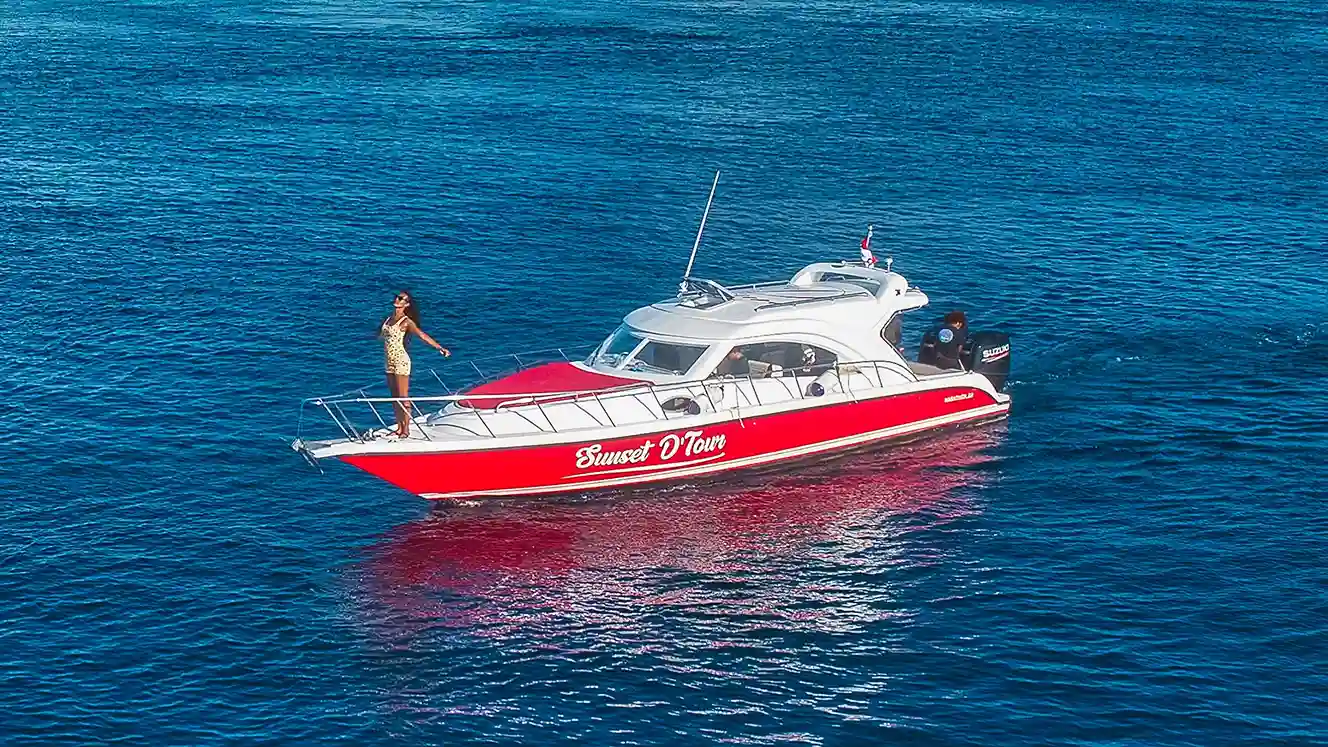
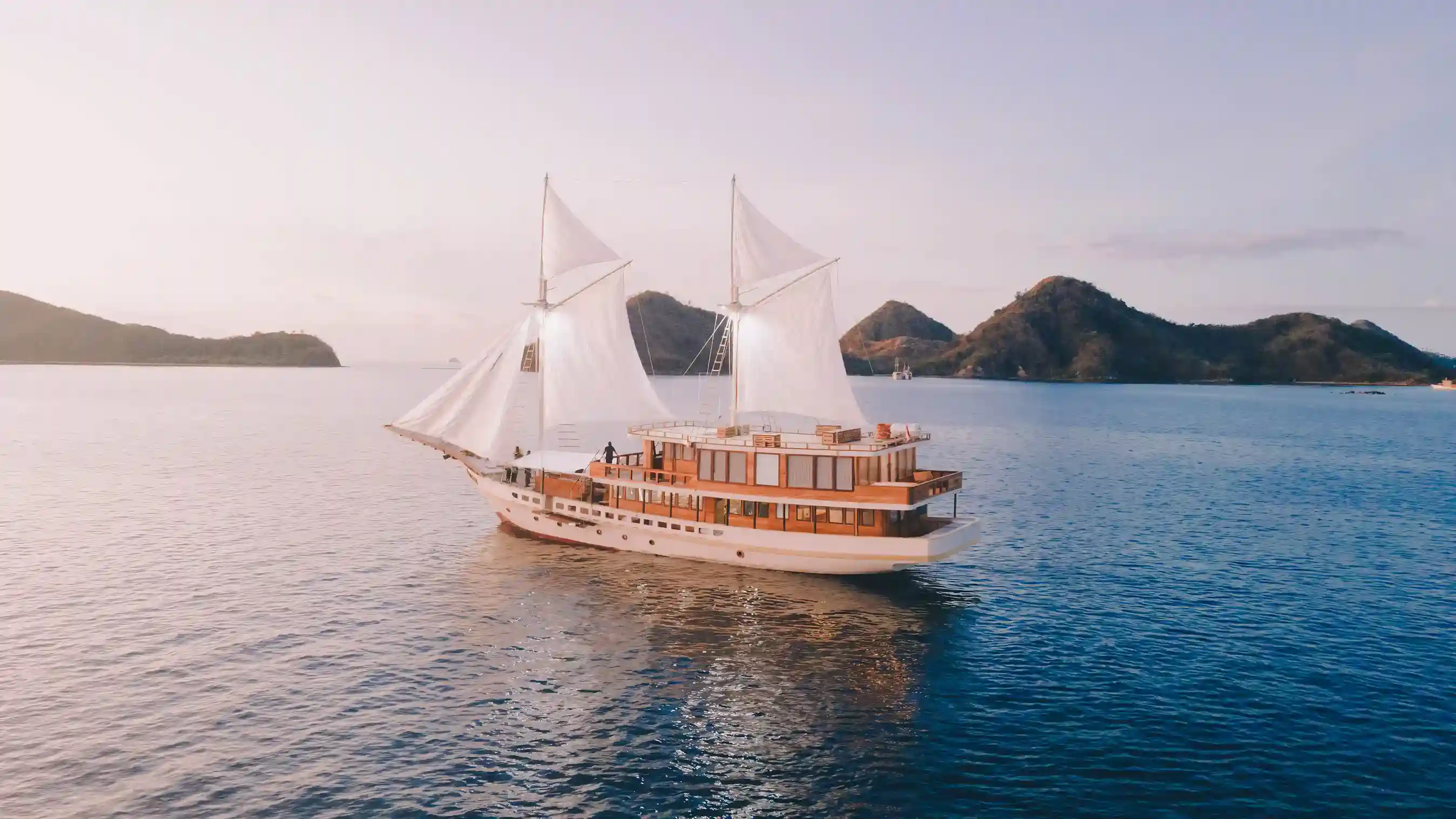
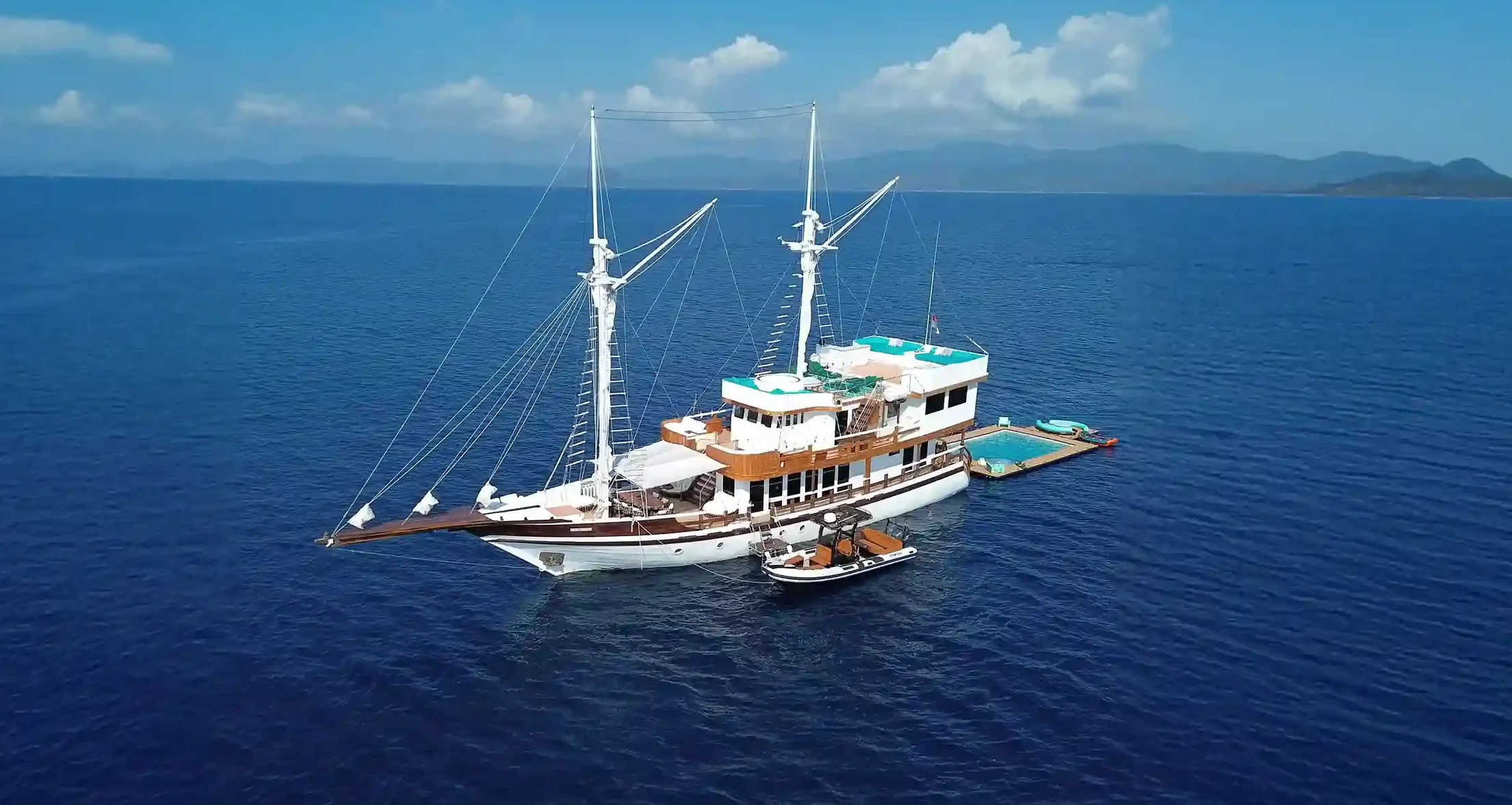
Book it with a local operator. Komodo Luxury’s sailing trips — the trip itself is contracted with Komodo Luxury, which has worked this coast out of Labuan Bajo since 2015.
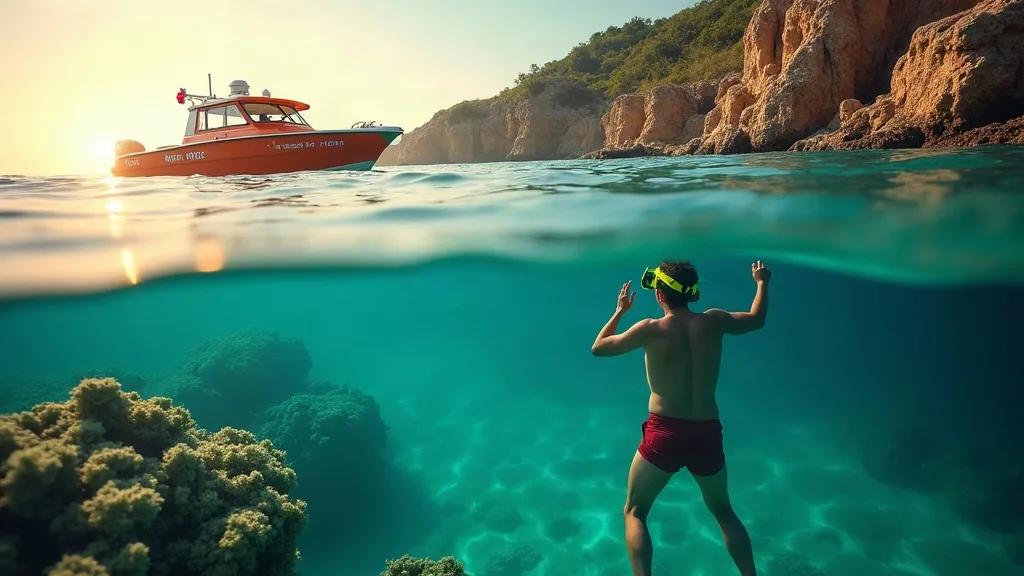
Choosing operators who brief guests on reef-safe practices (sunscreen, no touching coral, no anchoring on reef) is one concrete way travelers support conservation on the water.
Questions before you book: WhatsApp +62 811-3810-8110 or email sales@komodoluxury.com.
Sumber: [1] Ditjen KSDAE, Ministry of Forestry, official Komodo National Park profile (area and zoning). [2] IUCN World Heritage Outlook, Komodo National Park conservation assessment. [3] WWF Indonesia, marine conservation programs.
Related reading: Komodo weather, tides and sea conditions · Komodo diving trip & liveaboard guide.
Maintained to 26 August 2026. Sources sit alongside the sentences that use them; unverifiable numbers are marked as such.