Diving Conditions in August
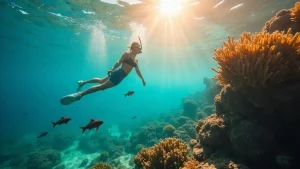
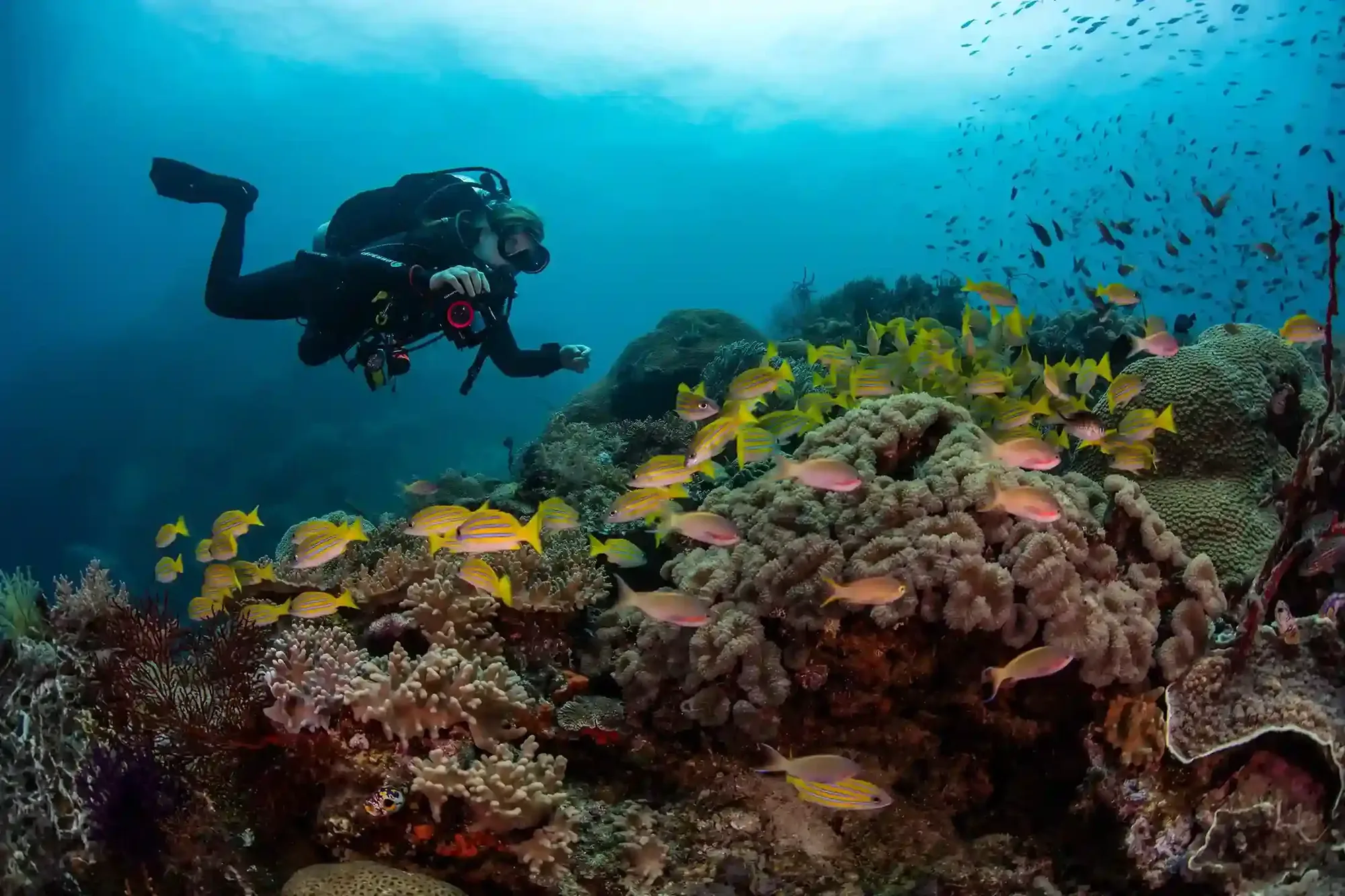
August sits within Komodo’s dry season, generally bringing the year’s clearest water and most stable conditions for diving — but it’s also when the region’s famously strong currents are most reliably present at signature sites like Batu Bolong and Castle Rock, which is precisely why those sites reward divers rather than snorkelers alone.
What’s the water like in Komodo National Park during August specifically?
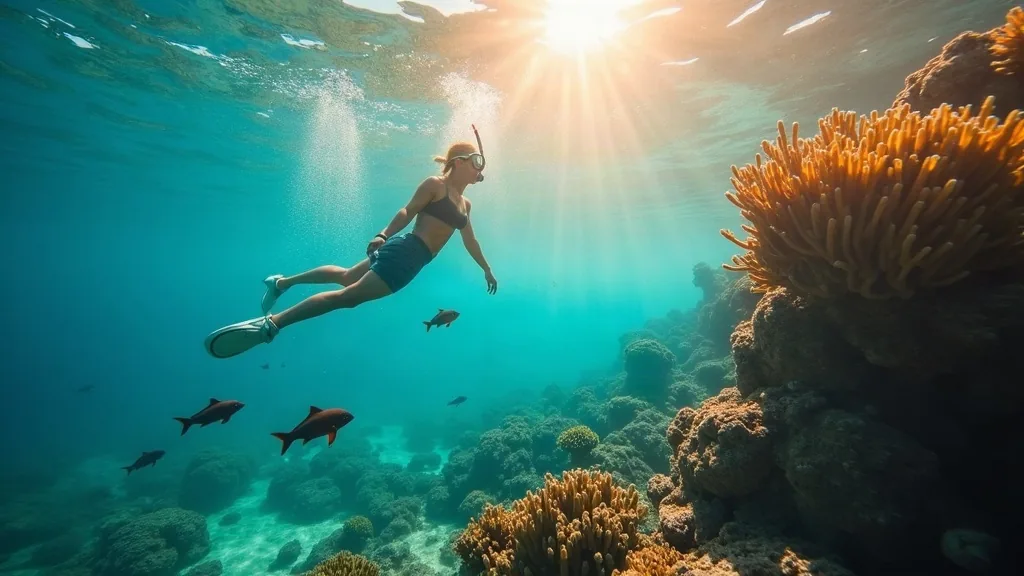
Dry-season conditions typically mean lower rainfall, generally good underwater visibility and calmer surface conditions for boat transits compared with the wetter months later in the year. Water temperature in the Komodo region varies by site and depth more than by month alone, since the park spans both warmer northern waters and a noticeably cooler southern zone influenced by currents from the Indian Ocean — a diver moving between north and south Komodo sites in the same week can genuinely feel a temperature difference, which is worth knowing before you pack exposure protection.
Why are Komodo’s currents such a defining factor for diving, especially in August?
Komodo National Park sits at a confluence of major ocean currents between the Flores Sea and Indian Ocean, producing some of Indonesia’s strongest and most consistent dive-site currents — this is a year-round geographic feature of the park rather than something unique to August, but it’s a factor that shapes diving here regardless of season. Sites like Batu Bolong and Castle Rock are known specifically for strong currents that bring nutrient-rich water and the marine life that follows it, which is exactly why they’re considered advanced, current-diving sites rather than beginner locations. See our boat safety and certification guide for how this same current pattern shapes broader vessel-safety practice in the park, not just diving.
Is August a good time to see manta rays while diving?
Manta ray sightings in Komodo happen across a wide window through the year at known aggregation sites, with sightings influenced by plankton availability tied to current patterns more than a single fixed calendar month. August’s generally clear water conditions work in divers’ favour for visibility at manta sites, though exact sighting frequency in any given week isn’t something that can be promised in advance regardless of season.
What certification level do you need for Komodo’s current-driven dive sites?
Advanced Open Water certification (or equivalent) is generally recommended for Komodo’s stronger-current sites, given the drift-diving skills and comfort in moving water that sites like Batu Bolong and Castle Rock require. Newer or less experienced divers aren’t excluded from the region — many operators run gentler, more sheltered sites suited to Open Water-level divers — but it’s worth being upfront with your dive operator about your certification level and experience so they can match you to appropriate sites rather than everyone diving the same location regardless of skill.
What should divers pack specifically for an August Komodo trip?
- A wetsuit suited to variable temperatures — a 3mm or thicker suit is common given how much cooler the southern sites can run compared with the north.
- A surface marker buoy (SMB) if you dive independently of a full-service operator, given how current-driven drift diving works in this region.
- Your certification card and logbook, since operators use this to match you to appropriate sites given the current conditions.
- Reef-safe sunscreen for surface intervals, consistent with the park’s broader reef-protection standards.
Should divers book dedicated dive trips, or add diving to a standard sailing tour?
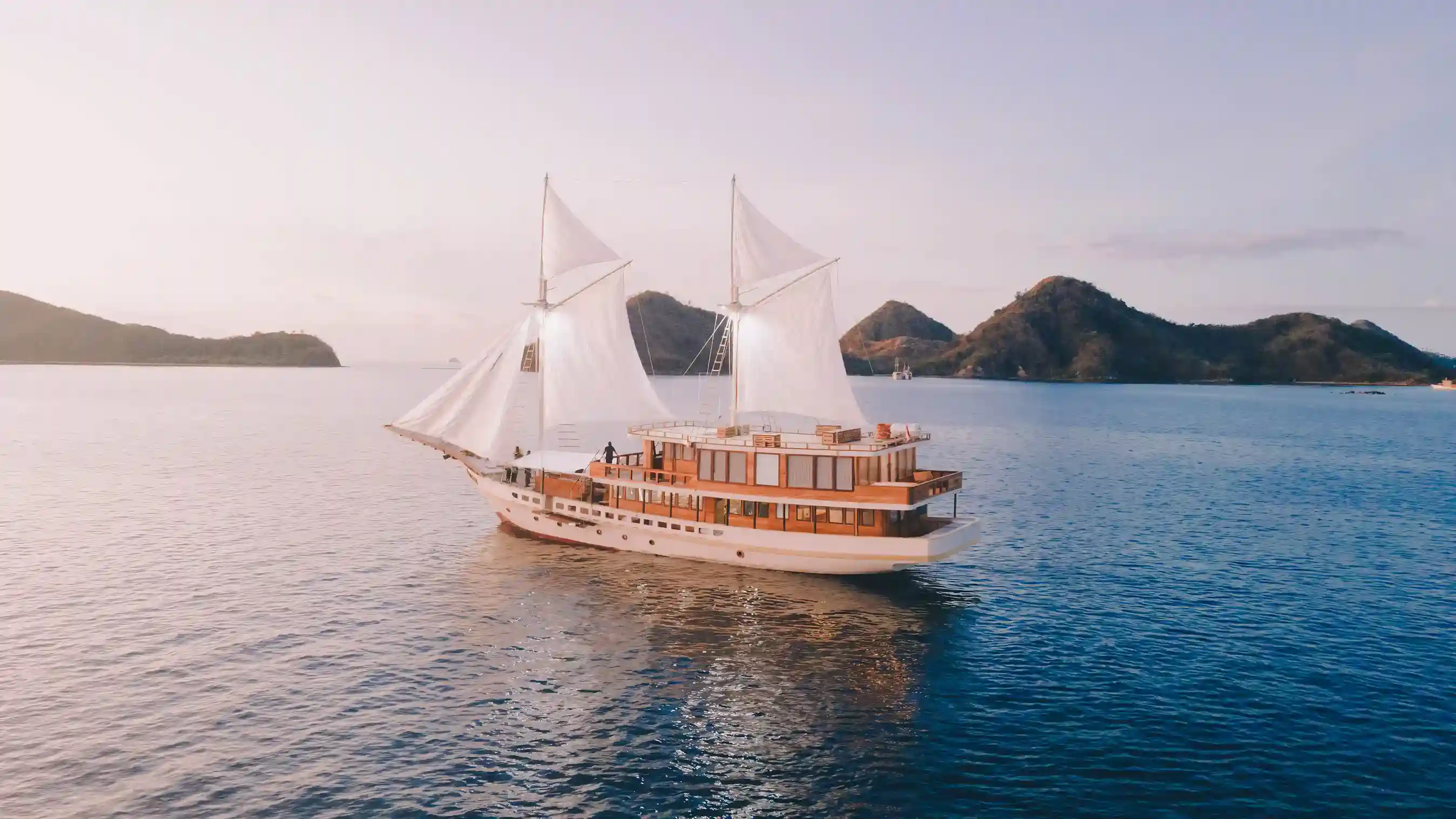
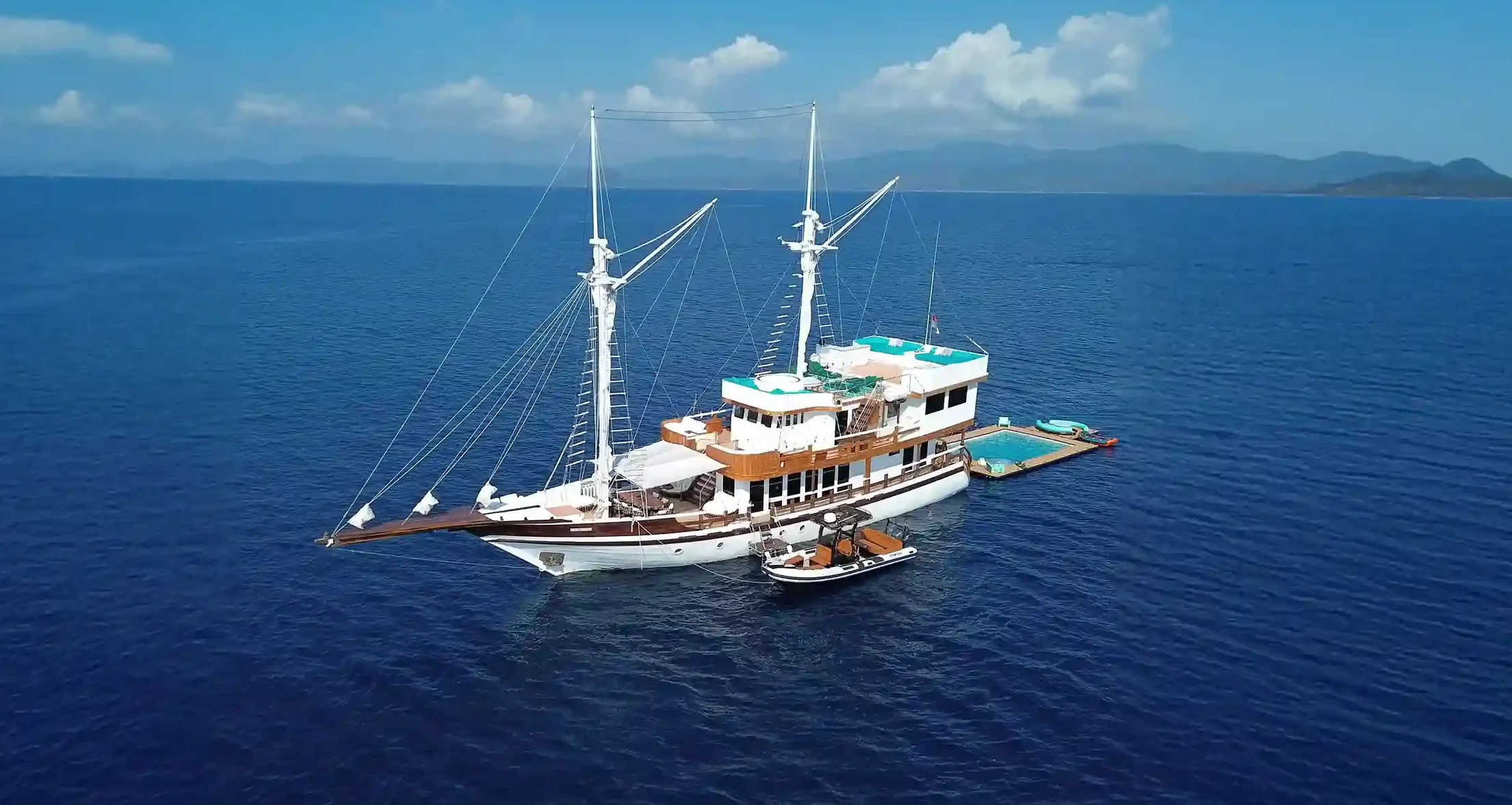
Both are common — a dedicated dive-focused liveaboard maximises dive time and site variety across a trip, while adding diving as a component of a broader Komodo Boat Tour from Labuan Bajo works well for mixed groups where not everyone dives. If diving is your main priority for an August trip, a longer itinerary (5+ nights) generally allows more dive sites than a compressed 3-day trip built primarily around Padar, the dragon trek and Pink Beach.
How busy do popular August dive sites get, and does that affect the experience?
Given August’s peak-season status, expect more dive boats at well-known sites like Manta Point and Castle Rock than you’d see in shoulder months — this doesn’t typically ruin the experience given how large these sites generally are, but it’s a realistic expectation to set rather than assuming an August dive session will feel as quiet as one booked in a slower month. If minimising other divers at a site matters to you, ask your operator about site rotation or timing choices that might avoid the busiest windows.
What dive sites are considered must-visit specifically during an August trip?
Batu Bolong and Castle Rock remain the region’s signature current-diving sites regardless of month, prized for the nutrient-rich water their currents bring and the resulting density of reef fish and larger marine life. Manta Point, for gentler drift diving with a strong chance of manta ray encounters, and various reef sites around Komodo and Rinca round out a typical August dive itinerary. Which specific combination your trip covers depends on your operator’s route and how many dedicated dive days your itinerary includes.
Should divers book with a dedicated dive operator, or is a standard boat tour operator sufficient?
A dedicated dive-focused liveaboard typically offers more dive-specific expertise, equipment and site knowledge than a general boat tour operator who includes diving as a secondary add-on — worth prioritising if diving is your main reason for the trip. If diving is a secondary interest alongside a broader mixed-activity trip, a standard operator with a certified dive guide on staff is usually sufficient, provided you confirm their specific dive credentials and equipment quality directly rather than assuming.
What should non-diving companions do while others in the group dive during an August trip?
Most dive stops double as snorkel-friendly locations at the surface, so non-divers can still enjoy the same site from above while certified divers go deeper — boats typically plan around this rather than leaving non-diving guests with nothing to do during a dedicated dive session.
How does an August dive trip’s cost compare to booking diving separately from a general tour?
A dedicated dive-focused liveaboard is generally priced around the additional guide expertise, dive-specific equipment and typically higher fuel use of reaching multiple dive sites, compared with adding a single dive as an add-on to a broader mixed-activity boat tour — check current options directly with your chosen operator rather than assuming one format is automatically cheaper.
Wetsuit thickness and timing Rangko Cave’s blue pool in August
August sits in Komodo’s dry, windy season, so surface intervals can feel cool even if you are comfortable in the water. Most divers use a full 3 mm wetsuit for several dives per day, which helps with wind chill on the boat and prevents scrapes on rocky entries or exits.
Ideal wetsuit thickness for August diving
Water in the north is usually warmer than the south, but thermoclines still catch people out. If you tend to feel the cold, pack a 5 mm or bring a hooded vest to layer over a 3 mm. That extra insulation makes long drift dives and repeated days of diving much less tiring.
Shorties suit hardy divers doing one or two shallow dives around the northern sites, but most visitors appreciate full coverage. Gloves are not usually needed for warmth, and many operators discourage them to reduce the temptation to hold the reef in current.
Best August timing for Rangko Cave’s blue water pool
Rangko Cave is a half-day side trip from Labuan Bajo that pairs well with an August dive itinerary, as seas are generally calmer than in the wet season. The pool glows its most intense blue when the sun reaches the entrance at a high angle, which happens in the middle of the day.
Plan to arrive inside the cave roughly late morning to early afternoon, when the sunbeam cuts straight into the chamber and lights the water column. Tides are less important than clear skies and solar angle. If you are scheduling around boat dives, aim for a relaxed non-diving day and visit Rangko between your liveaboard and flight home.
Frequently asked questions
Is August the best month specifically for diving in Komodo, or just a good one?
It’s one of several good dry-season months rather than a single standout — visibility and surface conditions across the broader May–September dry season tend to be comparably favourable, with August notable mainly for being within that reliable window.
Do you need a wetsuit in Komodo even in warmer northern waters?
Most divers still wear at least a thin wetsuit for reef protection and comfort even in the warmer north, and a thicker one becomes genuinely useful once diving the cooler southern sites within the same trip.
Can beginner divers still enjoy a Komodo trip in August?
Yes — operators typically match diver certification level to appropriate sites, so beginners can dive gentler locations while more advanced divers tackle the current-driven sites, all within the same broader trip.
Plan an August diving trip with Komodo Luxury on WhatsApp →
Related reading: Boat Safety Standards · August Weather in Labuan Bajo · Komodo Liveaboard on Komodo Luxury
Is a 3 mm wetsuit enough for Komodo diving in August?
For most divers a full 3 mm wetsuit is enough in August, especially in the warmer northern sites. It balances comfort and flexibility and takes the edge off wind chill during surface intervals. If you get cold easily or plan several days of three to four dives, a 3 mm plus hooded vest or a 5 mm feels more comfortable.
When is the best time of day to see Rangko Cave’s blue water effect in August?
The pool at Rangko Cave looks its bluest from late morning to early afternoon, when the sun is high and shines directly through the entrance into the chamber. Plan to be inside the cave around that window on a clear August day, rather than early morning or late afternoon when the light is weaker.
Should I bring an extra layer like a hooded vest for Komodo in August?
An extra layer such as a thin hooded vest is useful in August, particularly if you are prone to feeling cold or diving the cooler southern sites. It lets you adjust between dives and days without committing to a thicker suit, and makes thermoclines and long current dives more comfortable.
What is the best month to see manta rays in Komodo National Park?
Manta rays can be sighted year-round in Komodo National Park, though the north around Manta Point and Karang Makassar is reported strongest roughly August to October, while Manta Alley in the south peaks roughly November to March. There is no single park-wide manta season: sightings follow plankton and current rather than the calendar, so the month that suits you depends mainly on which cleaning stations your boat can reach and how comfortable you are in the conditions of that season.
Do I need a wetsuit for diving in Komodo?
Yes, a wetsuit is highly recommended for diving in Komodo National Park due to varying water temperatures and the presence of currents. While northern sites can be warmer, southern sites often experience cooler upwellings. A 3mm or 5mm wetsuit provides essential thermal protection and helps shield against minor abrasions during your dives.
Is Komodo National Park good for beginner divers?
Komodo National Park offers dive sites suitable for various experience levels, including some calmer areas for beginners. However, many of its world-well-known sites are characterized by strong currents, which require advanced skills and experience. Beginner divers should choose operators who can guide them to appropriate, less challenging locations and ensure they are comfortable with drift diving techniques.
To compare liveaboard options and departures that match August conditions in Komodo, you can browse this site’s sister company Komodo Luxury’s fleet, cabin layouts and shared trip schedules.
Komodo Luxury: Komodo boat tour departures · shared open-trip departures · the vessel fleet and cabin plans.