In short
A Komodo snorkeling trip typically visits 2–4 sites in a single day — commonly Pink Beach, Manta Point (for seasonal manta ray sightings), and one or two calmer reef stops such as Kelor or Kanawa — and can run as a dedicated snorkeling day trip or as part of a longer liveaboard. No certification is required for snorkeling, and basic gear is provided on most boats.
A Komodo snorkeling trip typically visits 2–4 sites in a single day — commonly Pink Beach, Manta Point (for seasonal manta ray sightings), and one or two calmer reef stops such as Kelor or Kanawa — and can run as a dedicated snorkeling day trip or as part of a longer liveaboard. No certification is required for snorkeling, and basic gear is provided on most boats.
Last updated: August 2026.
Best Snorkeling Spots in Komodo National Park
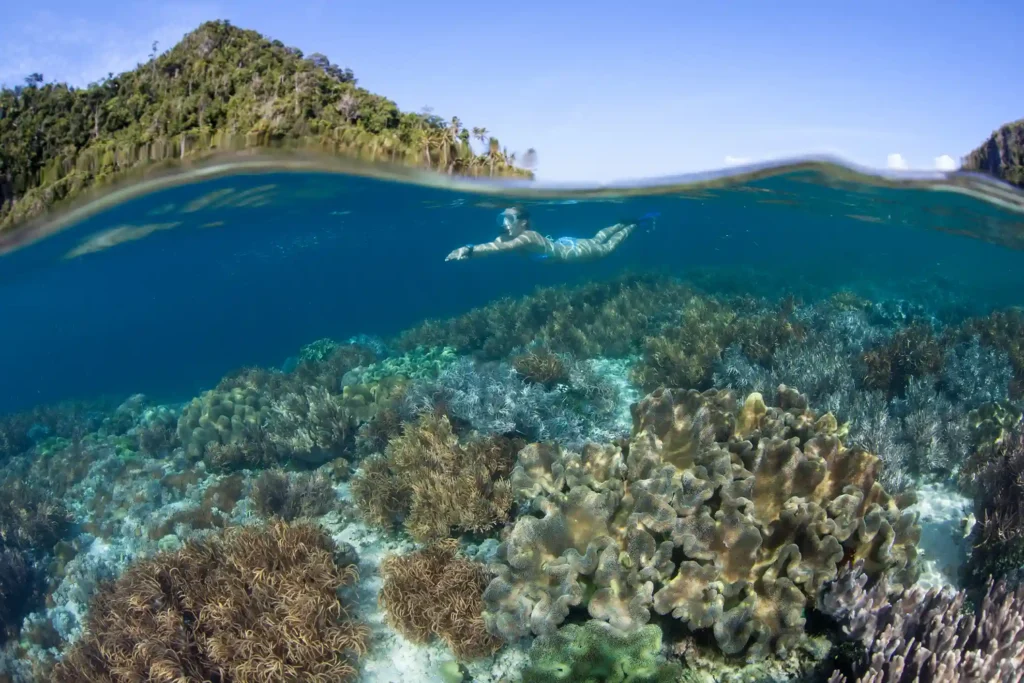
- Pink Beach — shallow, calm water over coral rubble and reef, good for beginners and families; the sand’s pink tint comes from red coral fragments mixed into the white sand.
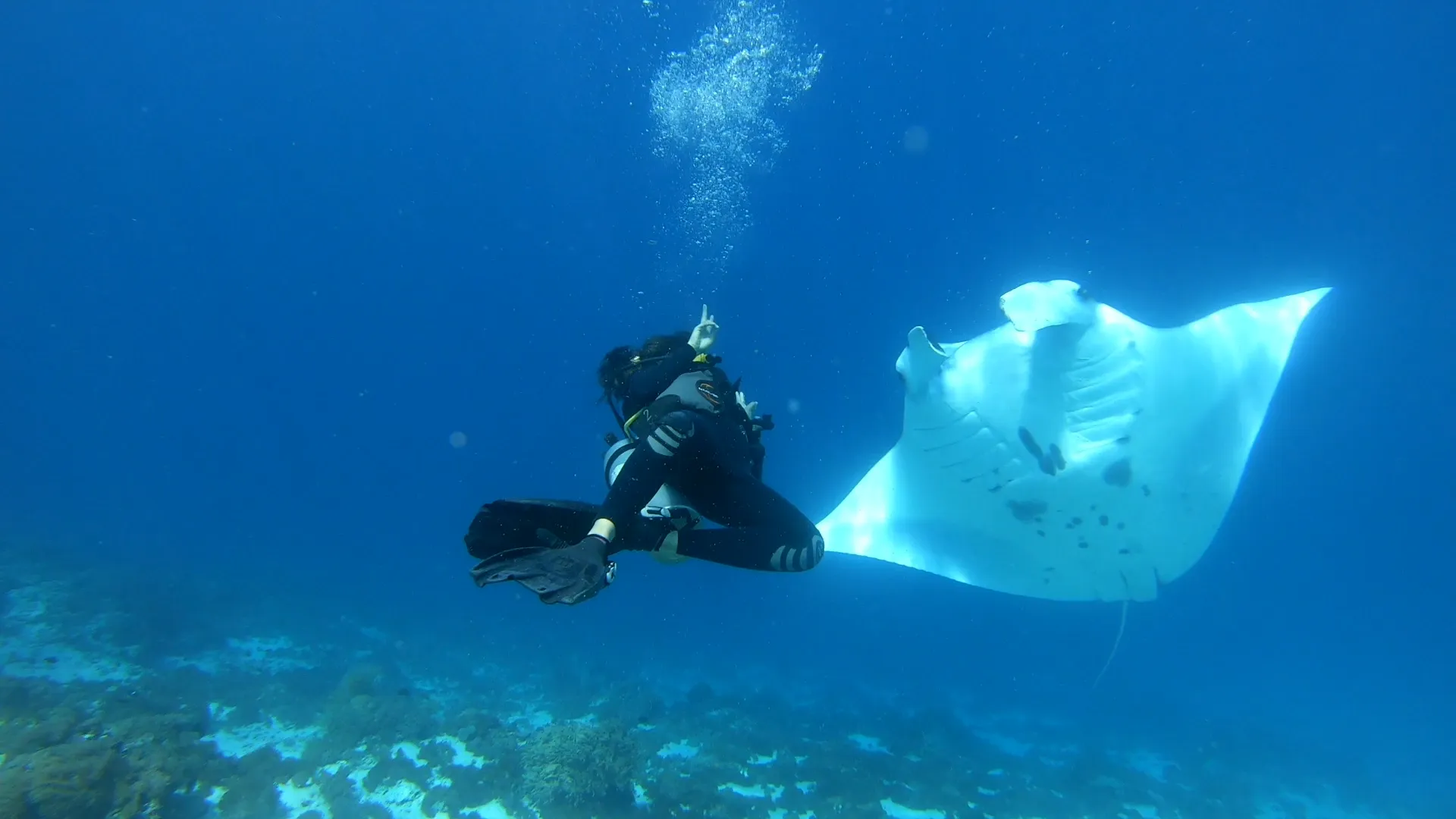
- Manta Point — a known cleaning station where manta rays gather seasonally to feed and be cleaned by smaller fish; sightings aren’t guaranteed on any single visit, since manta movement follows plankton availability rather than a fixed calendar.
- Kelor Island — close to Labuan Bajo, calmer water, a common stop on shorter or half-day routes and a good option if seas are rough further into the park.
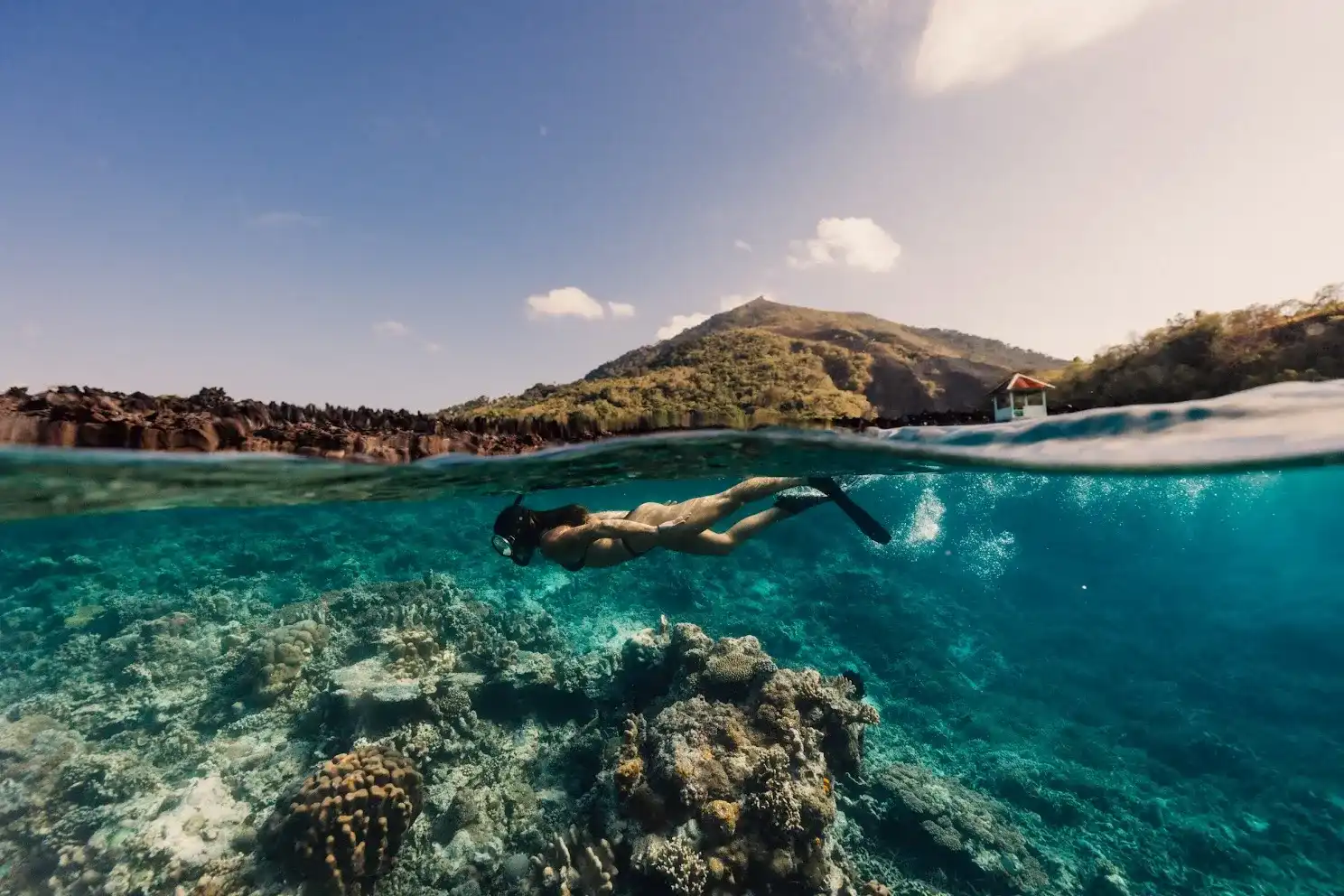
- Kanawa Island — further out, clearer water and healthier reef than the closer islands, often paired with a sunset stop.
- Batu Bolong — a small rock outcrop with dense reef life, but current here can be strong; better suited to confident swimmers and often treated as a dive site rather than a casual snorkel stop.
Do You Need Diving Experience to Snorkel with Manta Rays?
No. Manta Point is a snorkeling site, not exclusively a dive site — mantas often feed near the surface, making snorkeling a viable (and sometimes preferred) way to see them without a scuba certification. That said, current at Manta Point can be moderate to strong depending on tide, so confident swimming ability and comfort in open water matter more here than at a sheltered spot like Pink Beach. Guides brief every group on entry/exit points and current direction before getting in the water.
Swimming, Snorkeling, and Drone Rules at Pink Beach
Pink Beach permits swimming and snorkeling in its shallow, protected water, making it one of the more beginner-friendly stops on a standard route. Drone use inside Komodo National Park is restricted and generally requires prior permission from park authorities — check current drone policy with your operator before bringing one, since rules are enforced at ranger checkpoints and unauthorized use can result in confiscation.
What’s Included on a Snorkeling Day Tour
Standard inclusions across most operators: return boat transport from Labuan Bajo harbor, a guide, basic snorkel gear (mask, snorkel, fins), and lunch on longer trips. Not always included: the park entrance fee (PNBP) and local guide fee if you’re also stopping at a dragon island, life jackets (though these are mandatory safety equipment on any licensed boat, not optional gear). Confirm exactly what’s bundled before booking — see our entrance fees guide for the government fee layer specifically.
Snorkeling vs Scuba Diving in Komodo: Which Should You Choose?
Snorkeling requires no certification, costs less, and covers the surface-level experience at sites like Pink Beach, Kelor, and Kanawa well. Scuba diving reaches deeper reef structure and current-driven sites like Castle Rock and the deeper sections of Manta Point that snorkelers can’t fully access, but requires certification (or a supervised introductory dive) and costs more. Many Komodo trips mix both — snorkeling at the calmer sites, diving at the stronger-current sites — rather than choosing one exclusively. Our diving certification guide covers what training level each dive site requires.
Best Time of Year for Snorkeling in Komodo
Dry season months, roughly June through September, generally offer the clearest water and calmest conditions for snorkeling. Manta sightings occur across much of the year at Manta Point rather than in one fixed season, since they track plankton blooms rather than the calendar. See our Best Time to Visit Labuan Bajo & Komodo guide for the month-by-month breakdown.
Reading Currents Before You Snorkel
Not every snorkeling stop in Komodo is calm-water, beginner-friendly swimming. Current strength varies by site, tide state, and time of day, and a spot that’s gentle at slack tide can turn genuinely challenging as the tide shifts. Guides brief every group on entry and exit points and which direction to expect current from, and it’s worth actually listening to that briefing rather than treating it as a formality — Manta Point and Batu Bolong in particular can surprise snorkelers who assume all Komodo sites are as calm as Pink Beach.
Photography and Underwater Cameras While Snorkeling
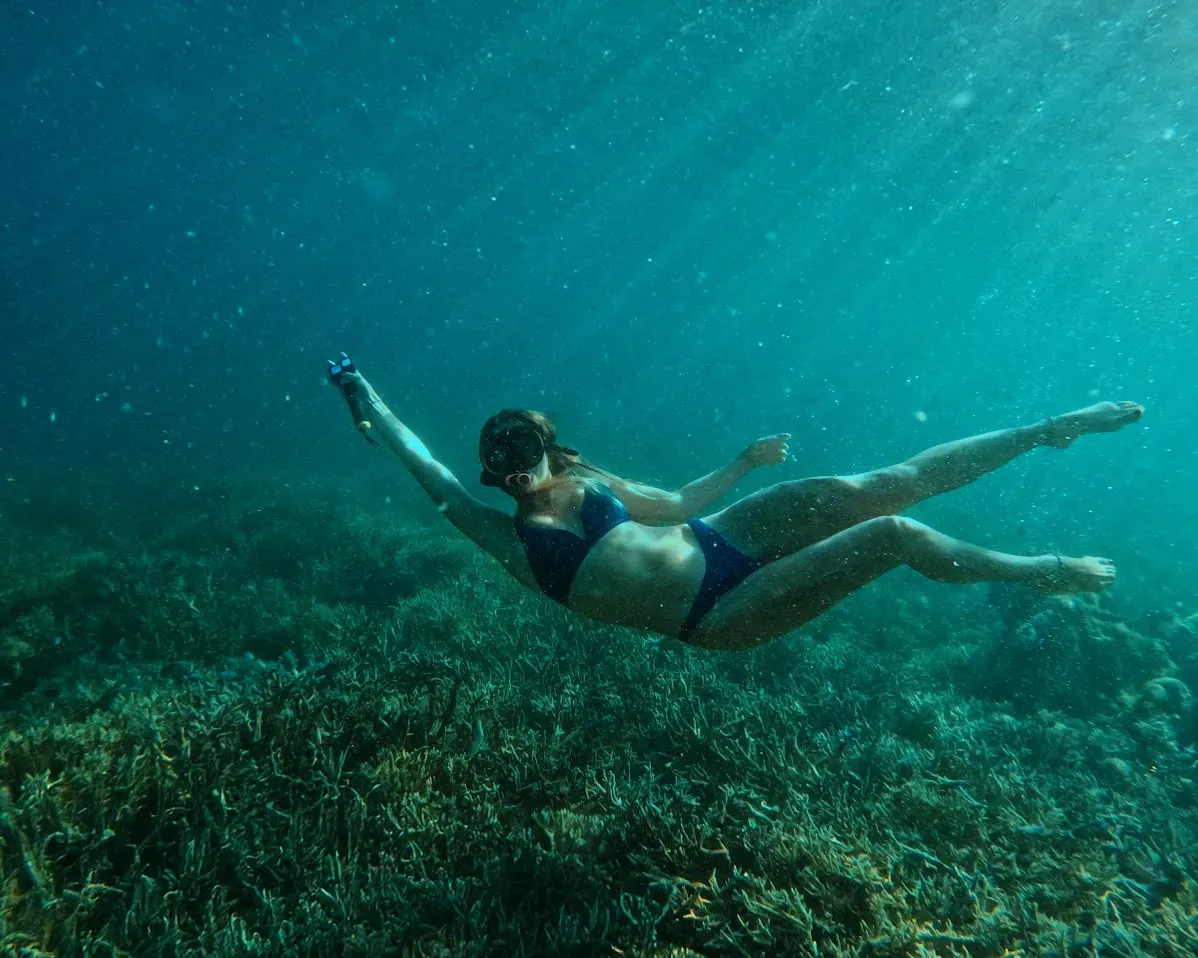
Manta rays, reef fish, and the clear water at sites like Kanawa make Komodo a popular spot for underwater photography, even with a basic waterproof phone case rather than a dedicated housing. A wrist strap or float attachment for your camera is worth bringing given the current at some sites — losing gear to a drop in moving water is a common, avoidable mishap. Respect distance guidelines around manta rays regardless of how tempting a closer shot might be; chasing or touching marine life is both discouraged by responsible operators and disruptive to the animals.
Snorkeling With Children
Pink Beach and Kelor Island’s calmer, shallower water make them the most practical snorkeling stops for families with children, while Manta Point’s current and depth make it a better fit for confident swimmers and older kids or teens. Life jackets are mandatory boat safety equipment regardless of swimming ability, and most operators can provide child-sized gear on request — confirm this specifically when booking a family trip rather than assuming standard equipment fits smaller swimmers.
Combining Snorkeling With a Dragon-Trekking Day
Most standard day trips pair a snorkeling stop with a dragon trek rather than offering a snorkeling-only itinerary by default, since operators build routes around covering multiple highlight categories in one day. If you specifically want a snorkeling-focused day without the trekking component — more time in the water, less time on trails — ask your operator directly, since a dedicated snorkeling-only route is usually available on request even if not the default listed package.
Marine Life Beyond Mantas: What Else You Might See
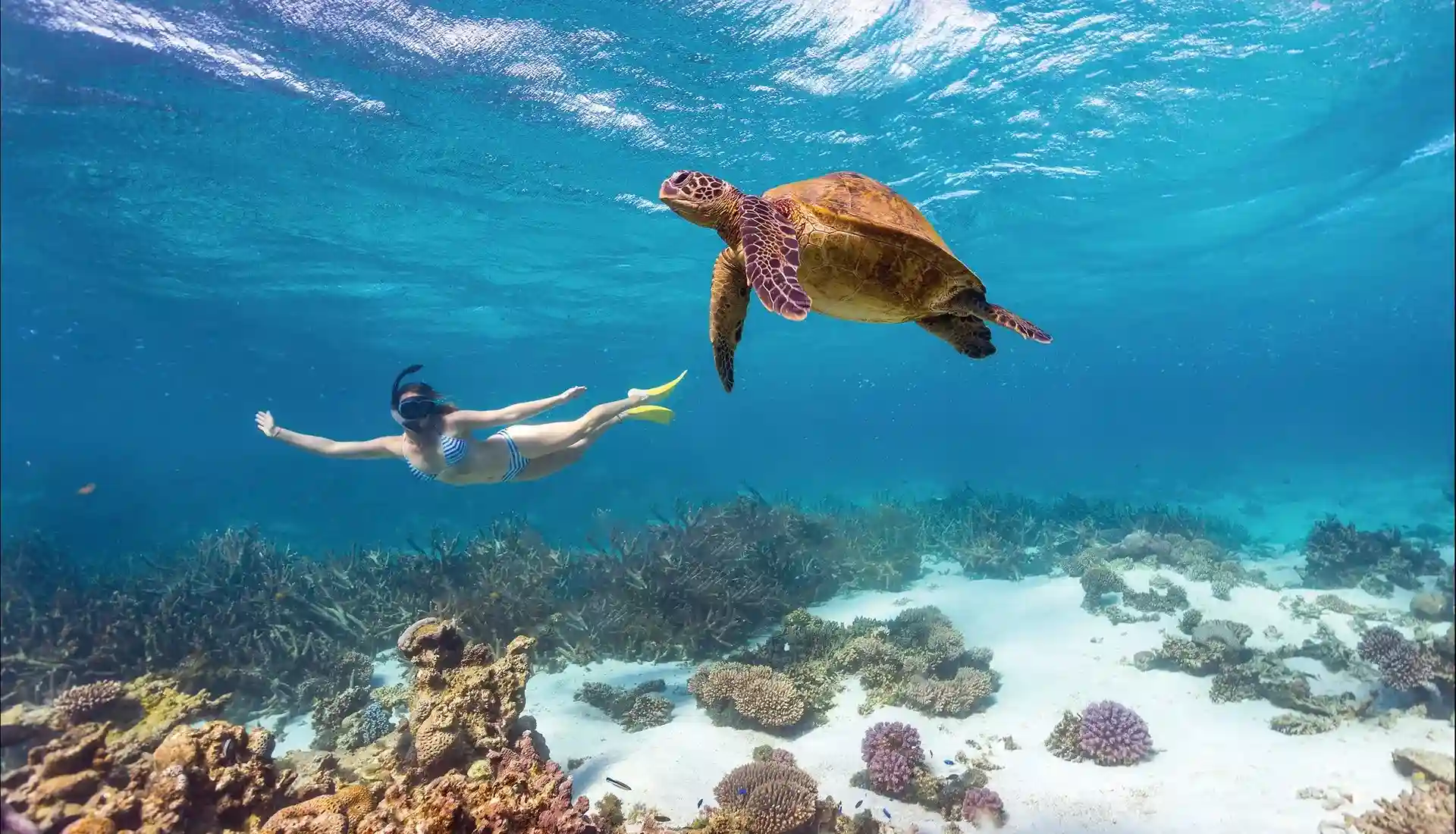
Beyond manta rays, Komodo’s snorkeling sites host reef sharks (typically reef whitetip or blacktip, generally not a safety concern for snorkelers when encountered at a respectful distance), sea turtles at several sites, and dense schools of reef fish, particularly around Batu Bolong and Kanawa. Sightings of any specific species aren’t guaranteed on a given day — marine wildlife encounters are inherently variable — but the density and variety of reef life across Komodo’s sites is a genuine part of the park’s draw beyond the manta rays alone.
Respecting the Reef While You Snorkel
Beyond reef-safe sunscreen, basic reef etiquette matters: never stand on or touch coral, maintain buoyancy control to avoid accidental fin contact, and don’t handle or chase marine life for a closer photo. These practices protect the same reef ecosystems that make Komodo worth snorkeling in the first place, and guides will generally brief groups on this before entering the water at any site.
Deciding Between a Snorkeling-Focused Trip and a Mixed Itinerary
If underwater time is genuinely your priority over trekking, ask specifically for a snorkeling-weighted route rather than accepting a default mixed itinerary that spends equal time on land and water — most operators can adjust the balance if you say so clearly when booking.
Wrapping Up
Between Pink Beach’s calm shallows and Manta Point’s current-driven encounters, Komodo’s snorkeling sites cover a genuinely wide range of experience levels — there’s a suitable stop here for a nervous first-timer and a thrilling one for a confident open-water swimmer, often on the very same day’s route.
Planning Snorkel-Focused Day Trips From Labuan Bajo
Labuan Bajo works well as a base for snorkel trips because you can mix full days in Komodo National Park with shorter outings close to town. Flights are usually cheapest outside the July and August peak, especially in the shoulder months of April to June and September to October, when seas are calmer and accommodation is easier to find.
Snorkelling sites, sharks and manta encounters
Many day boats combine manta spots with a shallow reef such as Siaba Besar or similar coral slopes. Here you normally drift gently over hard corals, sponges and sand patches. Blacktip and whitetip reef sharks are occasionally seen in Komodo, usually small and shy, cruising the edge of the reef while you float at the surface.
At Pink Beach, the sand shelves gradually so most people are comfortable wading and swimming close to shore. Currents can build on the outer edge, so stay inside the buoyed area if present, follow your guide, and avoid swimming beyond the main group, especially at mid-tide when water movement is strongest.
Short trips and add-ons from Labuan Bajo
If you have a spare half day before or after your boat tour, a visit to Rangko Cave near Labuan Bajo offers clear, calm water in a sheltered underground pool. Swimming here is easy for confident swimmers, with no waves, though children should still wear flotation and stay close to adults.
Some longer itineraries combine snorkelling with a walk on Gili Lawa or a trek near Golo Mori village on the mainland. These hikes are hot and mostly exposed, so pack proper footwear, a hat and plenty of water, then cool off later in the day at a protected snorkel site chosen by your captain.
Updated: August 26, 2026 · Originally published: August 25, 2026