The most common ways a Komodo boat trip goes wrong are an overbooked or overcrowded boat, an itinerary quietly cut short once you’re at sea, a park entrance fee that was never actually paid to rangers, and no travel or accident insurance backing the trip. Most of these are avoidable by checking a few things before you pay a deposit, not after you’ve boarded.
Last updated: August 2026.
Red Flag: A Price That’s Dramatically Below Every Other Quote
Boat fuel, crew wages, food, and the park entrance fee are real, fairly consistent costs across operators running the same route and boat class. A quote significantly below the market range for a comparable trip usually means something is being cut — a cheaper, less maintained boat, an unlicensed or under-trained guide, or the park fee simply isn’t being collected and paid, which puts you at risk of a problem at the ranger checkpoint. Compare quotes across a few operators for the same trip length and boat class before assuming the cheapest one is simply a good deal.
Red Flag: Overbooked or Overcrowded Boats
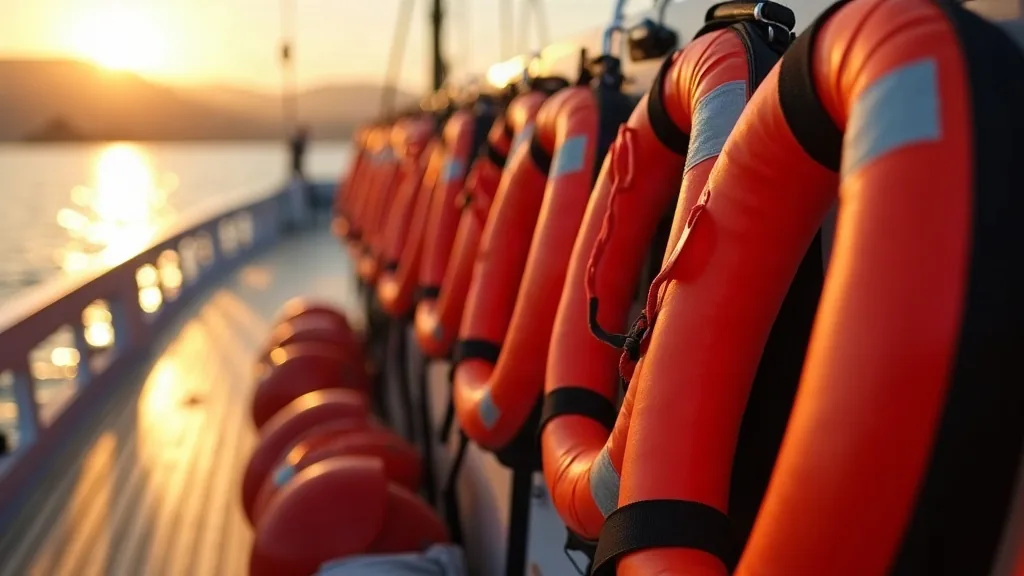
Some lower-end operators sell more berths than a boat comfortably holds, especially during peak season, resulting in cramped shared spaces, insufficient life jackets, or an uncomfortably packed sleeping area. Ask directly how many guests are booked on your specific departure relative to the boat’s stated capacity, and look for recent reviews mentioning crowding specifically, not just overall ratings.
Red Flag: The Itinerary Gets Cut Once You’re At Sea
A trip sold as covering four stops that quietly becomes two once underway, with vague explanations about “weather” or “time,” is a recurring complaint in traveler reviews of budget operators. Genuine weather-based rerouting happens and is a legitimate safety call by the captain — the difference is whether an operator communicates it honestly versus consistently under-delivers regardless of conditions. Reading recent reviews for a pattern of complaints about shortened routes, rather than a one-off, is the practical way to tell the two apart.
Red Flag: Park Fees Not Actually Paid
The PNBP park entrance fee is a government charge, not an optional add-on, and it should be paid and processed at the ranger checkpoint whether or not it’s itemized separately on your invoice. Trips where this isn’t handled properly can result in a group being turned away or delayed at the checkpoint. If a quote seems to have skipped this cost entirely compared to competitors, ask directly whether and how the park fee is handled before booking.
Red Flag: No Insurance, No Safety Equipment Check
A licensed boat should carry life jackets for every passenger, a functioning radio, and basic safety equipment, and a reputable operator should be able to speak plainly about insurance coverage for the trip. If an operator is evasive about safety equipment or insurance when asked directly, treat that as a real warning sign rather than a minor gap — this is one area where “budget” shouldn’t mean “unsafe.”
How to Vet an Operator Before Booking
- Read recent reviews specifically for mentions of shortened itineraries, overcrowding, or unpaid park fees, not just star ratings.
- Ask directly what’s included versus billed separately (park fee, guide fee, equipment rental).
- Confirm cabin/berth count against the boat’s stated capacity for your specific departure.
- Ask about insurance coverage and safety equipment plainly — a legitimate operator answers this without hesitation.
- Get your itinerary and inclusions confirmed in writing before paying a deposit.
What to Do If Something Goes Wrong Mid-Trip
Document the issue (photos, timestamps, written communication with the crew or operator) as it happens rather than only after returning. Raise the concern with the operator directly and in writing once back in Labuan Bajo, and if it involves an unpaid park fee or safety violation, this can also be reported to the park authority. Booking through an established operator with a track record and a reachable local office makes this kind of dispute meaningfully easier to resolve than booking through an anonymous online-only reseller.
Common Booking-Stage Tactics to Watch For
A small number of recurring patterns show up in traveler complaints about problematic Komodo bookings: pressure to pay the full amount immediately via an untraceable transfer method rather than a standard, documented payment channel; reluctance to put the itinerary and inclusions in writing before payment; and switching the confirmed boat for a different, unnamed “similar” vessel shortly before departure. None of these individually proves bad intent, but more than one appearing together is a real reason to pause and verify before paying.
Verifying an Operator’s Legitimacy Before You Pay
Beyond reading reviews, a few concrete checks help: ask for the specific boat name and, if possible, photos of that exact vessel rather than generic marketing images; ask how long the operator has been running trips in Labuan Bajo specifically; and ask directly whether they can provide a written confirmation of your itinerary, inclusions, and total cost before you send payment. An operator confident in their service will answer all of this without friction.
What Happens at the Ranger Checkpoint If Fees Weren’t Paid
Park rangers check permits and fee payment at entry checkpoints on Rinca, Komodo Island, and other park access points. If your operator hasn’t properly processed the park entrance fee or permit, this can surface at the checkpoint itself — potentially delaying or blocking your group’s entry entirely, regardless of what you were told when booking. This is precisely why confirming fee handling before departure, not after arriving at the checkpoint, protects your actual trip experience.
Why Most Trips Actually Go Fine
It’s worth stating plainly that the majority of Komodo boat trips run without any of the problems described above — the operator sector here has matured considerably as the region’s tourism has grown, and most established operators have a genuine track record of delivering what they promise. This guide exists to help you filter out the minority of problematic operators, not to suggest the whole industry is risky by default.
Reporting a Genuine Problem After Your Trip
If you experience a serious issue — an unpaid park fee causing a checkpoint problem, a genuine safety violation — reporting it to the park authority alongside leaving a detailed, specific review helps other travelers and can prompt operator-level consequences that a private complaint alone might not achieve. Being specific and factual in any report, rather than only expressing general dissatisfaction, makes the report more actionable.
A Short Pre-Booking Checklist
Before you pay any deposit: confirm the exact boat, cabin type, and inclusions in writing; ask directly about the park fee handling; check recent reviews for consistency; and trust your own judgment if something about the interaction feels evasive rather than straightforward.
One Last Reminder
A slightly higher price paid to a verified, well-reviewed operator is consistently the better trade-off than a marginally cheaper booking with an unverified one.
Frequently Asked Questions
How do I know if a Komodo tour operator is legitimate?
Check recent reviews for consistent complaints about shortened itineraries or overcrowding, ask directly what’s included versus billed separately, and confirm they handle the park entrance fee and carry proper safety equipment.
Why is one Komodo tour quote much cheaper than others?
Usually because something real is being cut — boat quality, guide training, safety equipment, or the park entrance fee itself — since fuel, crew, and government fees are fairly consistent costs across operators running the same route.
What should be included in a legitimate Komodo boat quote?
A clear breakdown of boat cost, meals, guide fee, and whether the park entrance fee (PNBP) is included or billed separately — a vague, all-in number with no breakdown is worth questioning before you pay.
For a vetted, itemized quote, message WhatsApp +62 811-3810-8110 or check current packages on Komodo Luxury’s boat tour page, part of Juara Holding Group since 2015. See also our safety and trust guide.
Having read how Komodo tours go wrong, the counter-example is worth seeing: Komodo Luxury, the operator in the same group as this site, publishes boat layouts, departure options, and private-charter details openly enough to check against the red flags above.
Komodo Luxury: the vessel fleet and cabin plans · private Komodo charter · the operator FAQ.