How Crowded Komodo Really Gets (and How to Dodge It)
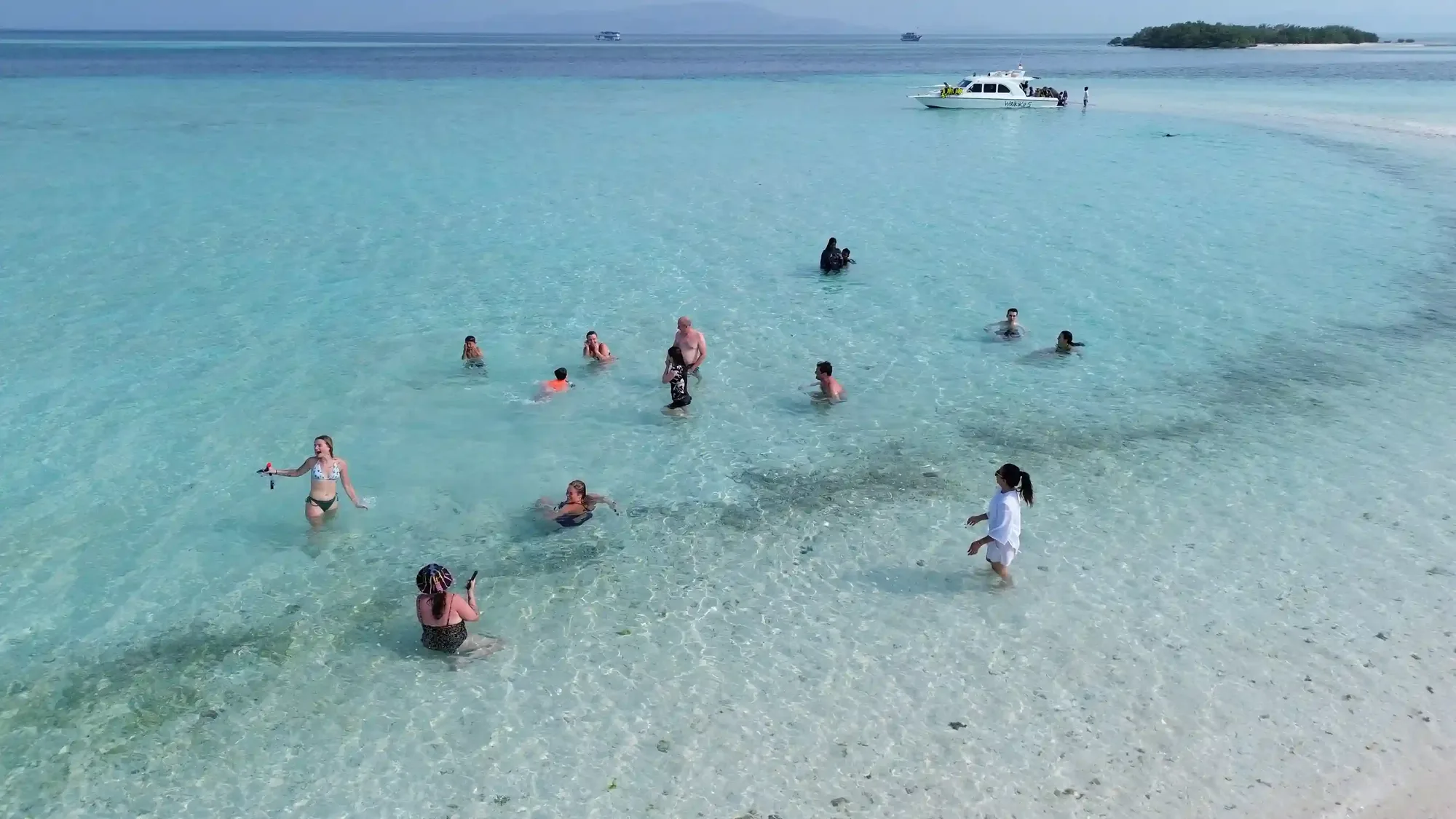
Komodo National Park caps visitors at 1,000 per day park-wide, split across three SiOra entry sessions — so crowding isn’t random, it’s concentrated at specific sessions and stops, mainly the first morning slot at Loh Liang and Padar’s sunrise window during July–August peak season.
When during the day does Komodo National Park feel most crowded?
The first morning entry session tends to draw the heaviest demand, since it aligns with sunrise timing at Padar and cooler trekking conditions on the dragon trails — both genuinely good reasons to want that slot, which is exactly why it fills first. Later sessions and afternoon arrivals are noticeably quieter at the same stops, simply because fewer boats schedule around them. If avoiding crowds matters more to you than getting the classic sunrise photo, ask your operator whether a later session is available for the same day.
Which months bring the biggest crowds to Komodo?
July through August is the park’s busiest stretch, driven by dry-season weather (calmer seas, better visibility) overlapping with school-holiday travel from several source markets. Shoulder months — April/May and October — offer a middle ground with generally good weather and noticeably lighter crowds than peak summer. The wetter months later in the year see the fewest visitors overall, though weather-related itinerary disruption becomes more of a factor to weigh against the quieter crowds.
| Period | Crowd level | Trade-off |
|---|---|---|
| July–August (peak dry season) | Busiest | Best weather, most competition for SiOra sessions and boats |
| April–May, October (shoulder) | Moderate | Good weather with noticeably fewer crowds than peak |
| Wetter months (outside dry season) | Quietest | Lower crowds, higher chance of weather-related itinerary changes |
Does the 1,000-visitor quota mean the park never feels crowded?
The park-wide cap keeps total numbers well below what an unrestricted national park attraction of this fame would otherwise draw, but it doesn’t eliminate crowding at the most popular specific spots and times — a capped total spread unevenly across sessions still produces a busy Padar viewpoint at sunrise, even on a day the whole park is nowhere near its overall limit. Understanding that the quota is park-wide across three sessions, not per-island, helps explain why some slots sell out while the park as a whole stays under capacity.
Which stops get crowded, and which stay quiet even in peak season?
Padar’s viewpoint at sunrise and the main Loh Liang dragon trail on Komodo Island are the two spots most likely to feel busy during peak months, since they’re the headline draws every itinerary includes. Pink Beach and the park’s various snorkel sites generally have more room to spread out, since boats arrive at slightly different times and the water itself isn’t a single narrow trail. Rinca’s Loh Buaya entry point is often somewhat quieter than Komodo Island’s main trail, simply because it draws a smaller share of itineraries.
How can a private charter help you avoid the busiest windows?
A private charter lets your operator target a later or earlier session time at the most popular stops, rather than following a shared boat’s fixed group schedule built around the most in-demand slot. This is one of the clearest practical advantages of chartering privately during peak months — see our guide to choosing an operator for how to raise session timing as a specific question when booking.
What can you do on a shared or budget trip to still avoid the worst crowds?
- Ask your operator which session your itinerary is booked into before assuming it’s automatically the first morning slot.
- Travel in shoulder season (April/May or October) if your dates are flexible, for a meaningfully quieter experience at the same stops.
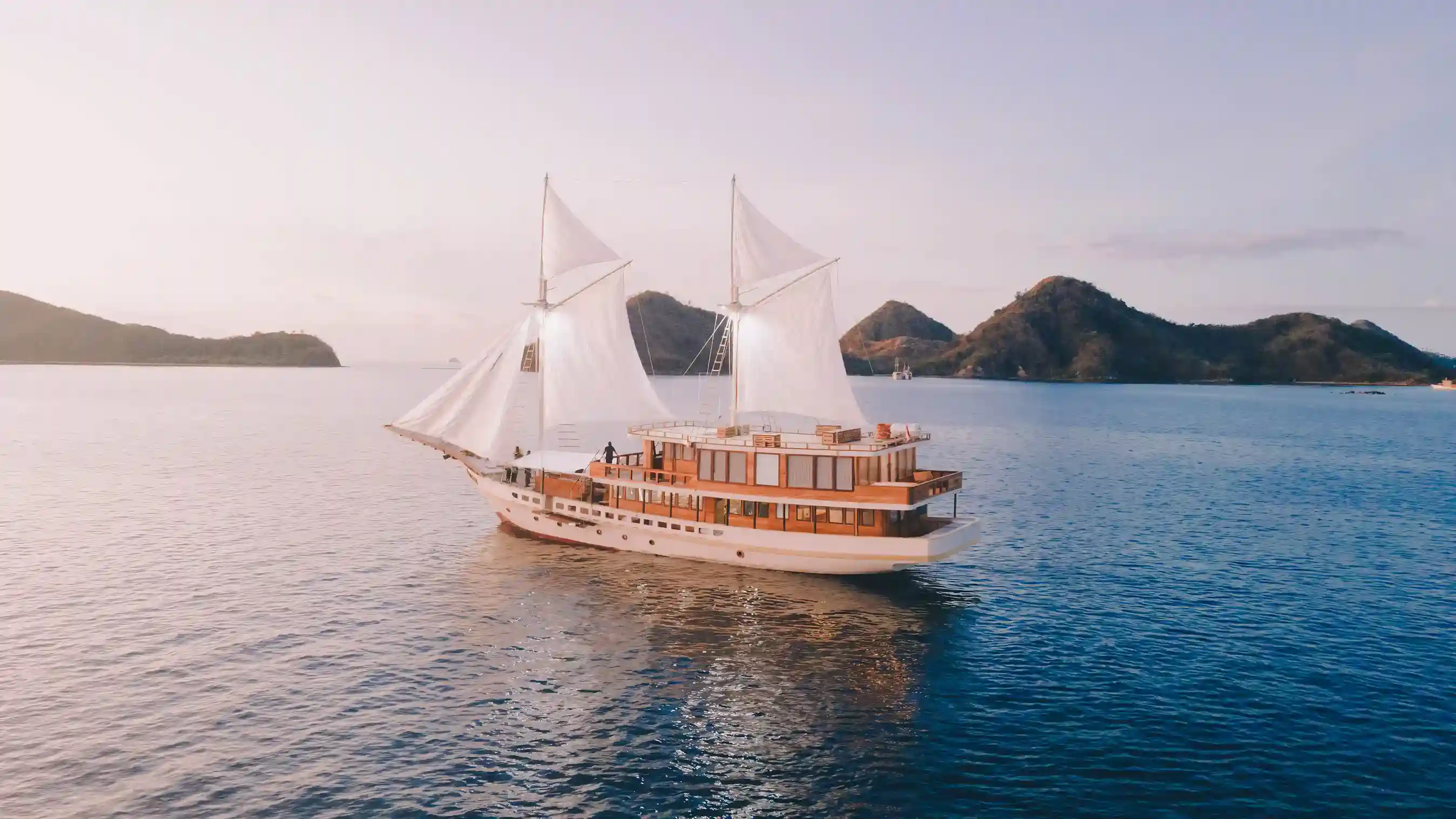
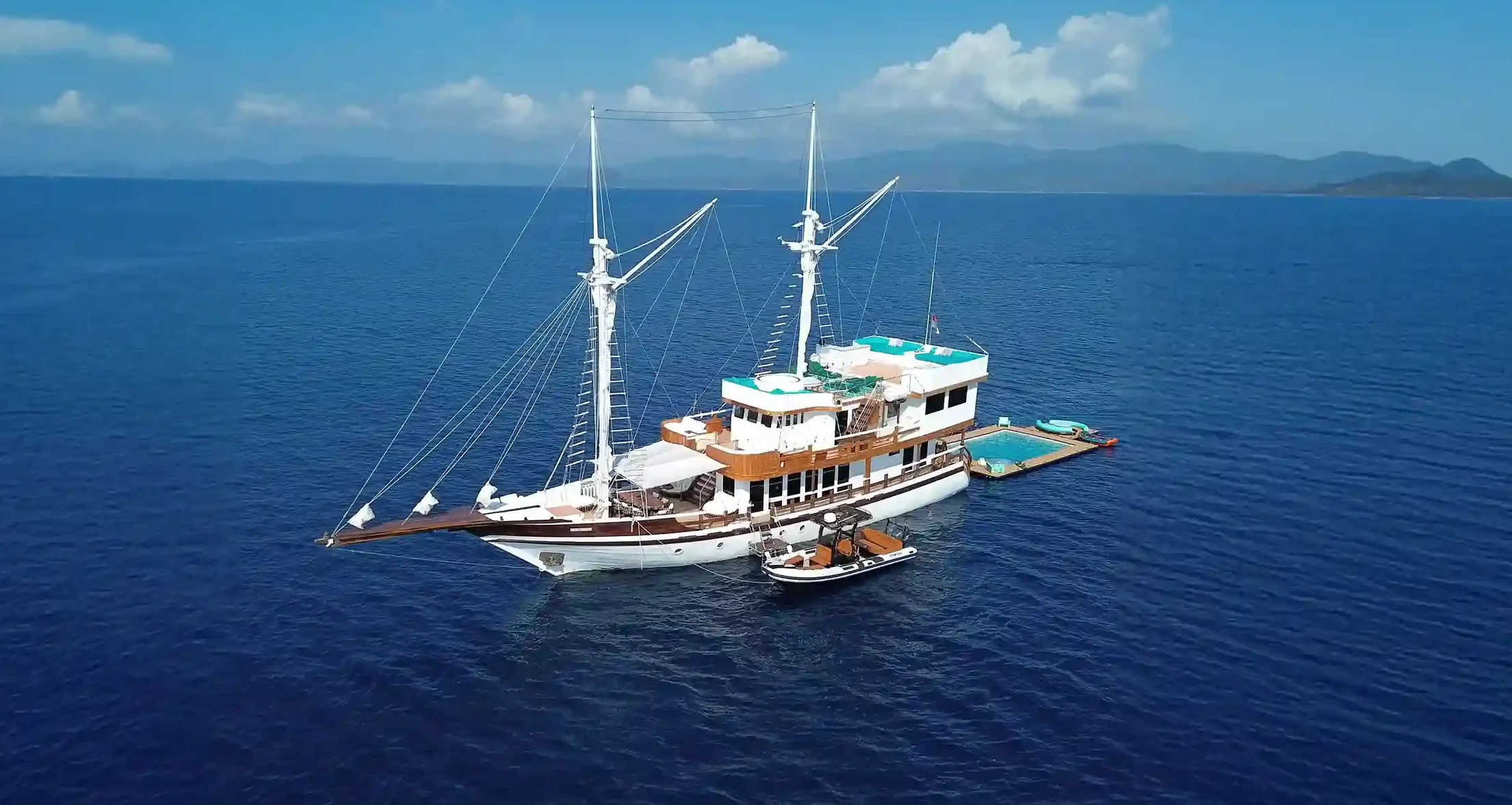
- Consider a slightly longer liveaboard, which often spreads activity across more days and stops rather than compressing everything into the single busiest day-trip window.
- Be patient at the viewpoint — Padar’s trail has room to spread out once you’re past the initial climb, even when the base is busy.
How does crowding at Komodo compare with other famous national parks worldwide?
Compared with unrestricted natural attractions that see unlimited daily foot traffic, Komodo’s SiOra-enforced quota system puts it in a genuinely more managed category — a park-wide cap and session structure isn’t universal practice even among well-known protected areas globally. This doesn’t mean Komodo never feels busy at its headline stops during peak times, but the underlying management approach is more deliberately capacity-controlled than a lot of travellers might expect walking in without having researched the permit system beforehand.
Does arriving very early in the morning, before your booked session, help you beat the crowds?
Not meaningfully — access to the trails is tied to your booked SiOra session time rather than simply how early your boat arrives at the anchorage, so arriving hours ahead of your session doesn’t move you to the front of a queue in the way it might at an attraction without timed entry. What does help is booking the earliest available session for a given date if beating the crowd genuinely matters more to you than the convenience of a later start.
How do operators themselves decide which session to book for their itinerary?
Operators typically book based on their own itinerary logistics — travel time between anchorage and trailhead, how the rest of the day’s schedule needs to flow — as much as around crowd avoidance specifically, since not every operator treats session timing as a deliberate crowd-management lever. If avoiding the busiest session is a genuine priority for you, it’s worth raising directly with your operator rather than assuming every itinerary automatically optimises for it.
Is crowding likely to get worse over the next few years?
Given Labuan Bajo’s clear multi-year growth in visitor demand, driven by expanding flight connectivity and the region’s rising international profile, continued pressure on the park’s most in-demand sessions and months is a reasonable expectation going forward — see our outlook on what changes in 2027 for how this trend intersects with the current quota system.
Does crowd level affect your actual chance of seeing a Komodo dragon?
Not meaningfully — dragon sightings depend on the animals’ own movement and behaviour on a given day far more than how many other visitors share your specific trek time, since rangers guide groups along established trails regardless of overall visitor volume. A busier day at the trailhead doesn’t translate to fewer dragon sightings during your actual guided walk.
Do larger groups on the trail move more slowly, extending everyone’s wait?
Rangers typically manage group flow and spacing along the trail rather than letting groups bottleneck at a single viewing point, so while a busy morning does mean more groups moving through the same trail network, it doesn’t usually translate into a dramatically slower experience for any individual group’s guided walk.
Are wildlife detours like dolphins or Cunca Wulang worth the crowds trade-off?
Many boats add wildlife or inland detours to escape the busiest slots on Komodo, Rinca or Padar. A classic example is heading towards open water for possible cetacean sightings or spending half a day at Cunca Wulang canyon instead of doing a second dragon trek.
Boat time for dolphins and whales around Komodo
Dolphins are seen quite regularly in the channels, especially on early departures from Labuan Bajo or on longer loops between Komodo and Rinca. Whales pass less predictably on migration. Building in a slow transit through deeper passages can keep you clear of peak landing times while still giving you a real chance of seeing animals from the boat.
Ask the captain how flexible the routing is. If your Komodo or Padar session is in the middle of the day, they can often use the quieter early or late light for open-water watching instead of sitting in a queue off the jetty.
What to bring for Cunca Wulang, and how it affects your day
Cunca Wulang is a good option if your main park visit falls on a fully booked date or if you prefer to avoid a second crowded viewpoint. Pack a swimsuit, quick-drying shirt and shorts, a small towel, solid walking shoes or sandals with grip, and a dry bag for phone and wallet.
The walk in and the canyon jump usually take roughly half a day once you add driving from Labuan Bajo. That means you avoid busy midday heat in the park and spread your time between sea and inland. You will not see dragons there, though, so still keep at least one full park session focused on Komodo or Rinca.
Frequently asked questions
Is Komodo National Park ever “sold out” for a specific date?
Yes — during peak season, popular SiOra sessions for a given date can fill completely, which is why booking your permit well ahead matters more in July–September than in quieter months; see our SiOra Booking, Permits & Visitor Quota for Komodo National Park guide for the reservation process itself.
Does visiting on a weekday versus a weekend make a real difference?
Weekday visits tend to see somewhat lighter demand than weekends and Indonesian public holidays specifically, though the seasonal (monthly) pattern generally has a bigger effect on crowding than the day of the week alone.
Are there quieter alternative islands within the park worth adding to avoid crowds entirely?
Longer liveaboard itineraries sometimes add less-visited stops beyond the headline three, which can offer a quieter counterbalance to a busy Padar or Loh Liang morning — ask your operator what their specific multi-night route includes beyond the standard highlights.
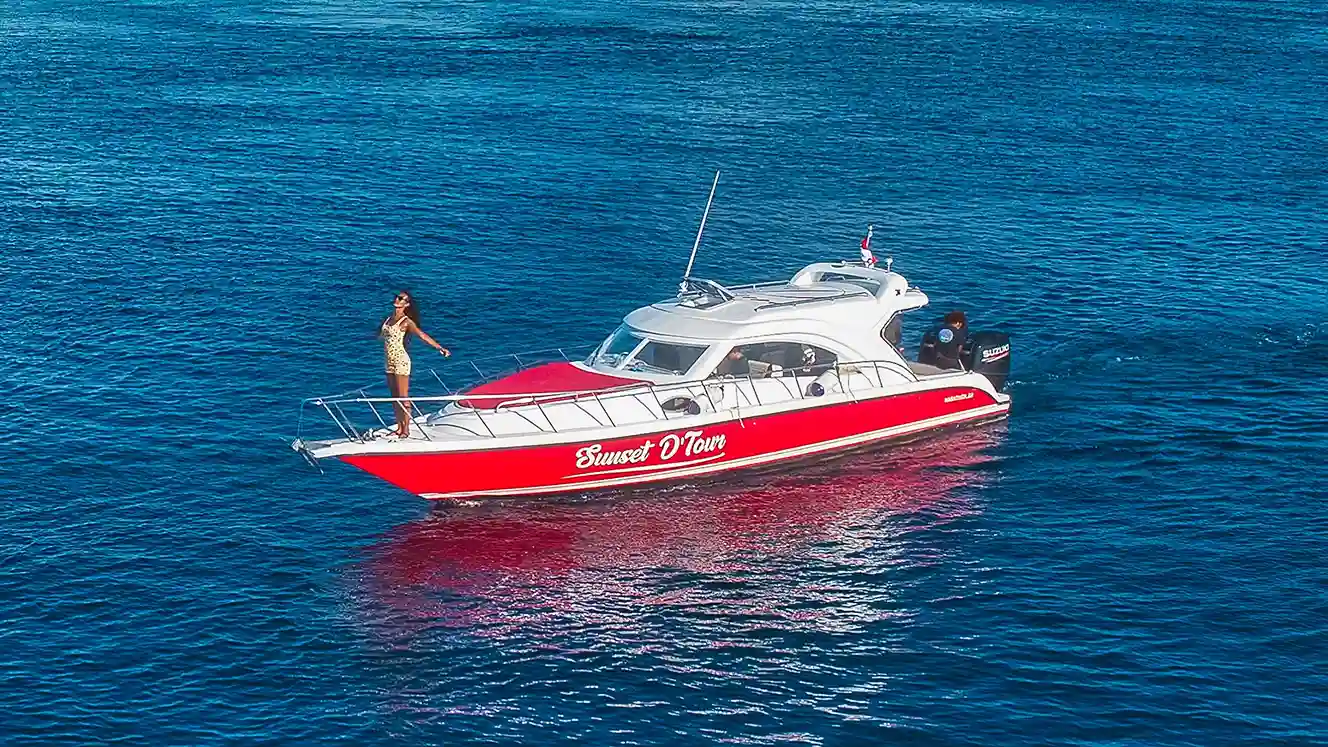
One practical way to sidestep the busiest windows is a smaller group: a private trip charter lets you set your own Padar and Loh Liang timing instead of following a shared group’s schedule, while the standard Komodo boat tour still covers the headline stops for travellers happy to share a boat.
Ask Komodo Luxury to plan around the crowds on WhatsApp →
Related reading: SiOra Booking, Permits & Visitor Quota for Komodo National Park guide · How to Choose a Komodo Tour Operator · Bali to Labuan Bajo Packages in August · Best Time to Visit
Are dolphin and whale sightings around Komodo Islands common enough to plan around?
Dolphins are seen fairly often along the main boat routes, especially in the quieter early morning; whales migrate through far less predictably, so treat any encounter as a bonus rather than a plan. Building unhurried transits into non-peak landing hours gives you a chance of sightings without costing you the main park visit.
What should I bring specifically for a canyon jump at Cunca Wulang?
A swimsuit, quick-drying clothes you do not mind soaking, grippy footwear for wet rock, and a small towel. A dry bag for phone and camera earns its place. Pack light — you walk in to the canyon. Carry your own drinking water and a few snacks.
Does adding Cunca Wulang to my plan help with Komodo crowds?
Yes. Cunca Wulang can comfortably fill half a day, which lets you schedule your single Komodo or Rinca session in a less congested morning or late slot. You trade one potential extra dragon walk or viewpoint for a quieter freshwater swim away from the main park traffic.
Can you avoid crowds in Komodo National Park?
Yes, with planning you can cut crowd encounters considerably: the shoulder seasons of April to June and September to October give good weather with noticeably fewer visitors than the peak dry months. A private charter helps too, since flexible scheduling lets you reach the popular spots at quieter hours or head for the less-frequented islands.
How crowded is Komodo National Park in peak season?
During peak season, particularly July and August, Komodo National Park experiences its highest visitor numbers. While the park maintains a daily quota of 1,000 visitors split into scheduled sessions, popular spots like Komodo Island, Rinca, and Padar can still feel busy. Expect more people on trails and at viewpoints during these months, especially mid-day.
Is it possible to camp on any islands around Komodo National Park?
No. Camping is not permitted on any of the main islands in the park — Komodo, Rinca and Padar included — and there are no hotels or tourist accommodations on them either, so visitors either stay in Labuan Bajo or sleep aboard a liveaboard.
Is it better to visit Komodo National Park now or wait a few years?
Visiting now offers the current experience, with a 1,000 visitor per day quota already in place across the whole park. Since April 1, 2026, Komodo Island and Padar require advance online reservation via siora.id, the only official platform. This system aims to manage visitor flow. Future changes are always possible, but current regulations are designed to balance conservation and tourism.
Can I still see Komodo dragons if I go in the afternoon instead of the morning?
Yes, you can absolutely still see Komodo dragons in the afternoon. While their activity might vary with the heat, park rangers are highly skilled at locating them at any time of day on Komodo and Rinca islands. Visiting in the afternoon can sometimes mean fewer crowds, potentially offering a more serene and personal viewing experience.
What is the best Komodo sailing itinerary if I want the least crowded photo spots?
For the least crowded photo spots, consider a private charter to customize your itinerary. Schedule visits to popular locations like Padar or Komodo Island for early morning or late afternoon sessions, when fewer visitors are present. Incorporating lesser-known islands or snorkeling spots away from the main routes can also provide unique, quiet photo opportunities. The shoulder seasons (April-June, September-October) offer excellent conditions with fewer crowds.