In short
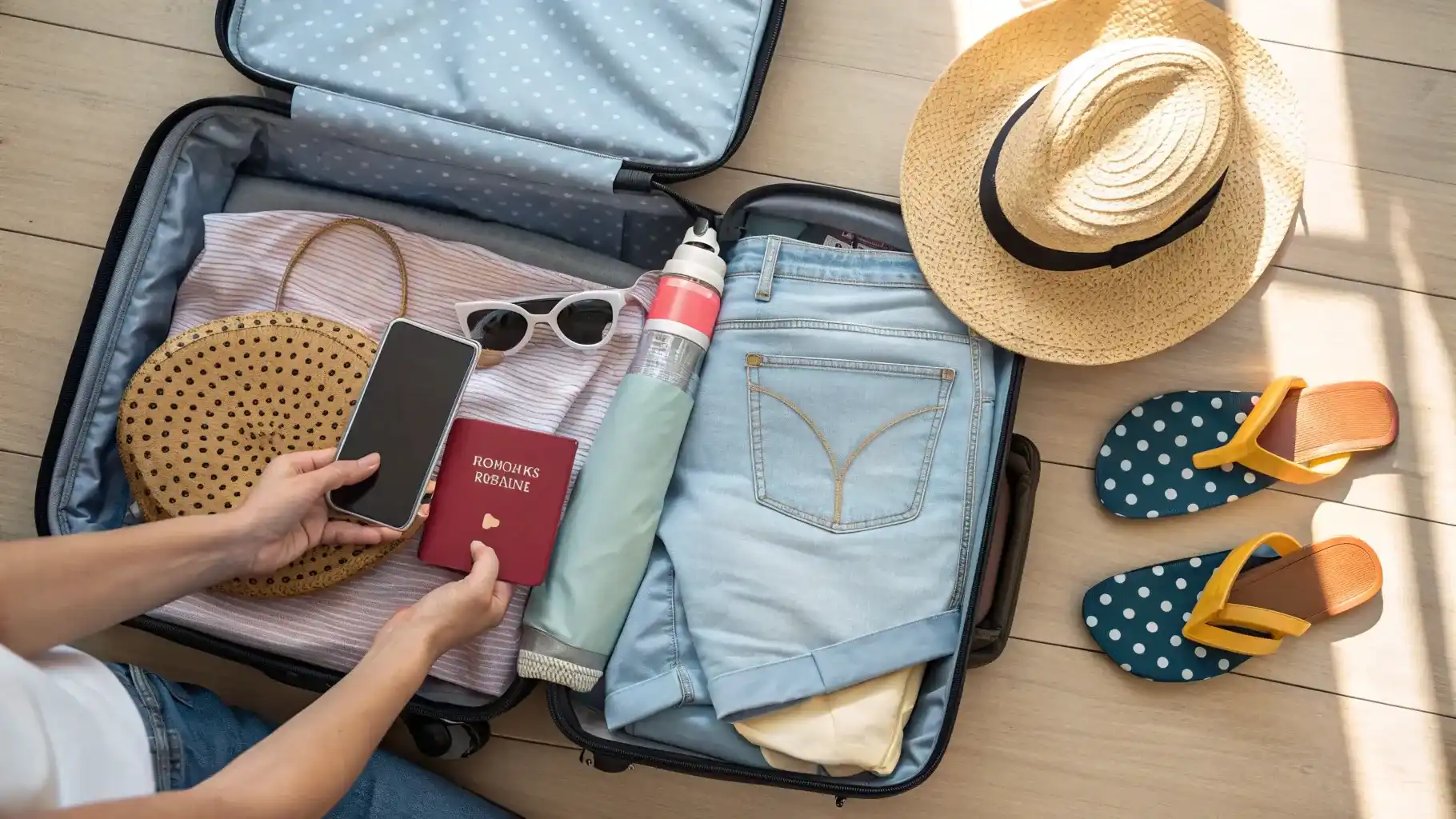
Pack light, quick-dry clothing, reef-safe sunscreen, a wide-brim hat, closed-toe walking shoes for dragon treks, and your own snorkel mask if you’re particular about fit — most boats provide basic snorkel gear but not dive equipment, reef-safe sunscreen, or seasickness medication. Cabin storage on liveaboards is limited, so a soft duffel bag beats a hard suitcase.
Pack light, quick-dry clothing, reef-safe sunscreen, a wide-brim hat, closed-toe walking shoes for dragon treks, and your own snorkel mask if you're particular about fit — most boats provide basic snorkel gear but not dive equipment, reef-safe sunscreen, or seasickness medication. Cabin storage on liveaboards is limited, so a soft duffel bag beats a hard suitcase.
Last updated: August 2026.
What to Wear for Dragon Treks on Rinca and Komodo Island
Closed-toe shoes with grip are the one non-negotiable — trails are dry, dusty, and uneven, with loose stones in places, and rangers will not let you walk in flip-flops. Lightweight long trousers or leggings protect against thorny scrub brushing the trail; a moisture-wicking t-shirt and a hat with a strap (it gets breezy and hot with no shade) round out the basics. Bring more water than you think you’ll need — treks run 45 minutes to 2 hours with no shade and no vendors along the way.
Best Shoes for Hiking Padar Island
Padar’s viewpoint trail is a stepped, sun-exposed climb of roughly 30–45 minutes with no shade at any point. Trail runners or hiking sandals with good grip work better than flat sandals, which slip on the loose gravel sections; flip-flops are workable for fit hikers but not ideal. Whatever you wear, do the climb at sunrise — both for the view and because the trail gets uncomfortably hot by mid-morning with zero shade cover.
Snorkeling and Diving Gear: What’s Provided vs What to Bring
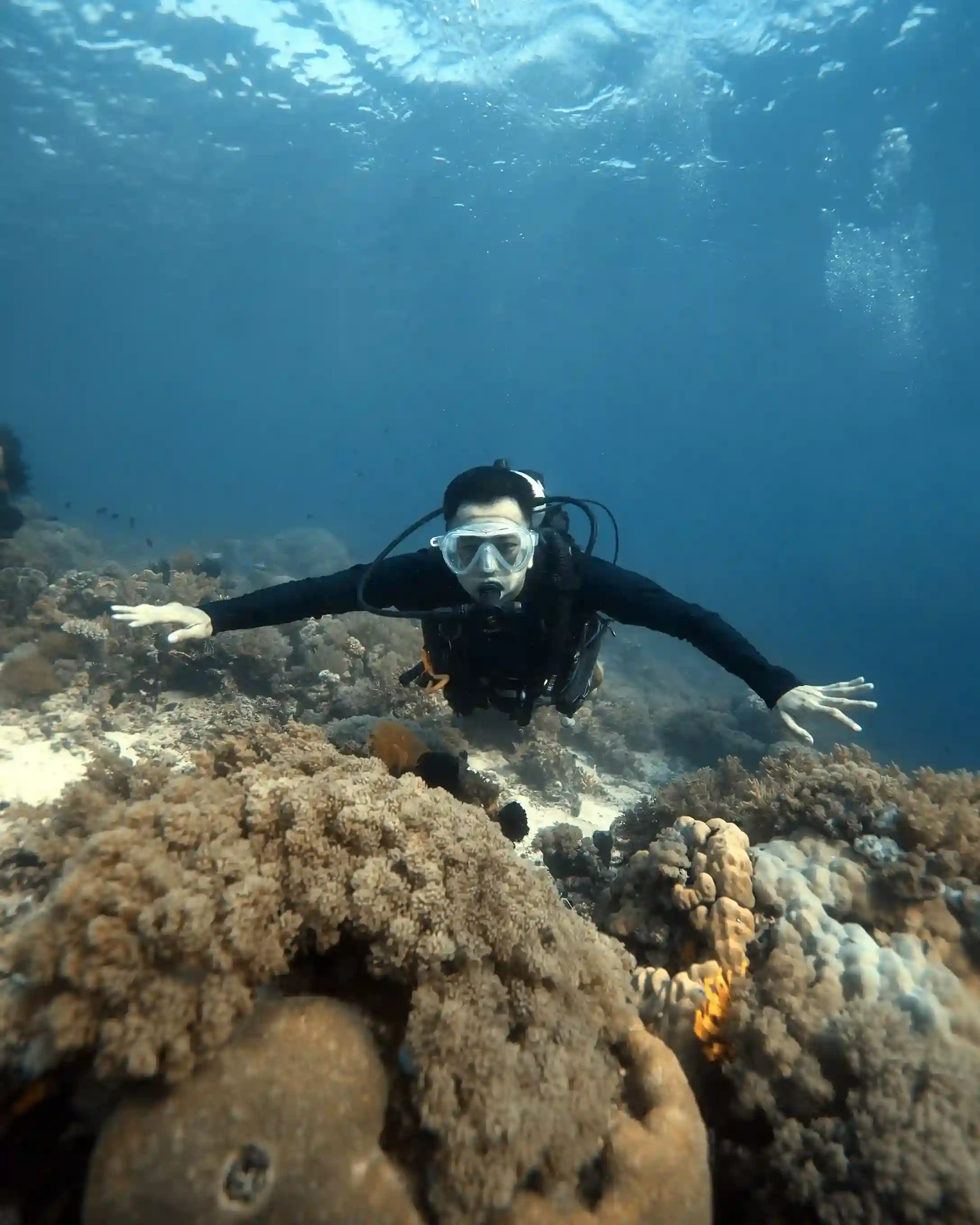
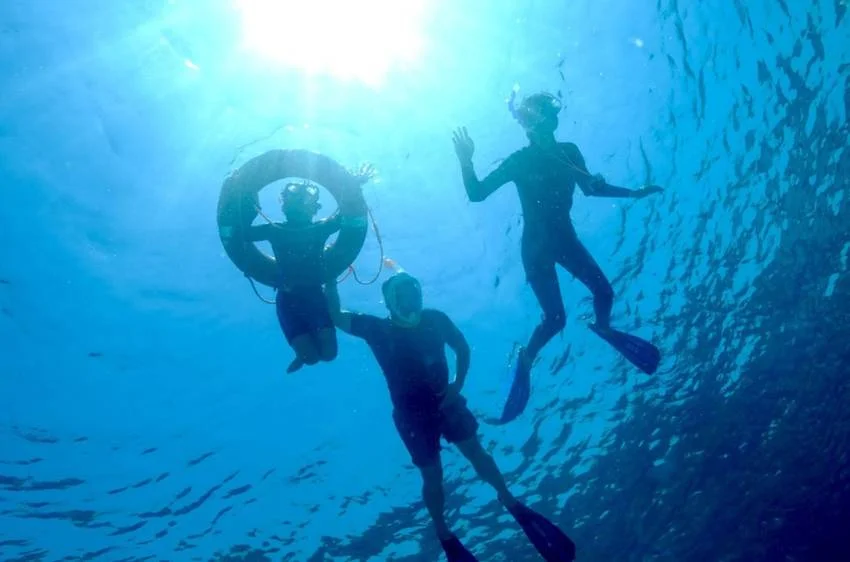
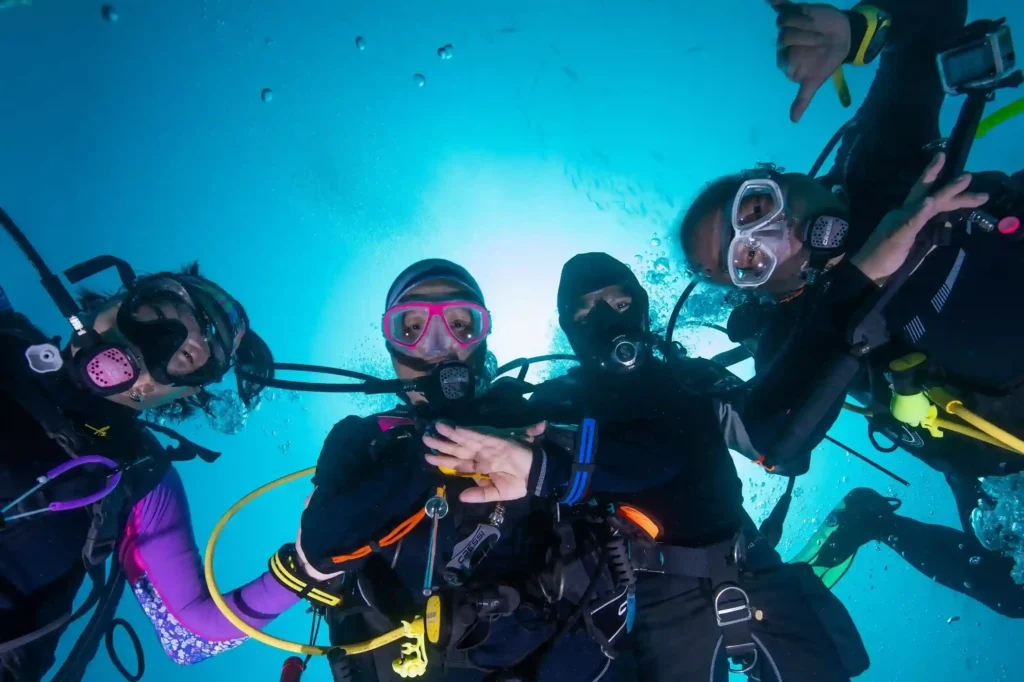
Most Komodo boat operators supply basic mask, snorkel, and fins as part of a snorkeling stop; quality varies, so if you’re picky about mask fit or prone to leaks, bring your own. Scuba divers should bring their own regulator, dive computer, and certification card at minimum — rental gear is available in Labuan Bajo but availability and fit vary by dive shop, and it’s safer to confirm rental gear in advance if you don’t own equipment. See our diving certification guide for what level of training each site requires before you book.
| Item | Usually Provided | Bring Your Own |
|---|---|---|
| Snorkel mask & fins | Yes, basic quality on most boats | If you want a guaranteed fit or prescription lens |
| Wetsuit / rash guard | Sometimes, for colder dive sites | Your own rash guard for sun protection while snorkeling |
| Scuba gear (BCD, regulator, tank) | Dive shops rent full sets | Your own computer, mask, and certification card |
| Reef-safe sunscreen | Rarely stocked on boats | Always — standard sunscreen is restricted or discouraged in the park |
| Life jacket | Yes, mandatory on all boats | N/A |

Is Reef-Safe Sunscreen Actually Necessary?
Yes. Komodo’s reefs are a core part of what draws divers and snorkelers here, and chemical sunscreen ingredients (oxybenzone and octinoxate in particular) are documented reef stressors. Reef-safe, mineral-based sunscreen (zinc oxide or titanium dioxide) is the standard recommendation across Indonesian marine parks, and some operators explicitly ask guests not to bring non-reef-safe formulas aboard. Bring it from home if possible — reef-safe options are available in Labuan Bajo but at a smaller selection and higher price than in Bali.
What to Pack for a Multi-Day Liveaboard vs a Day Trip
A day trip needs almost nothing beyond swimwear, a change of clothes, sun protection, and a dry bag for your phone/camera during snorkel stops. A multi-day liveaboard needs more thought: cabin storage is genuinely tight on most phinisi boats, so pack in a soft duffel rather than a hard-shell suitcase, bring a light jacket or sarong for cool evenings on deck, and pack a couple of changes of clothes rather than a full wardrobe — laundry isn’t available mid-trip. See our day trip guide or 4D3N package guide depending on which length you’re planning for.
Full Packing Checklist
- Closed-toe shoes with grip for dragon treks and Padar’s hike
- Quick-dry, lightweight clothing (long-sleeve options for sun and bug protection)
- Wide-brim hat with a chin strap and UV-rated sunglasses
- Reef-safe, mineral-based sunscreen (bring enough for the whole trip)
- Reusable water bottle (over 2 liters/day recommended on trek and hike days)
- Dry bag for phone, camera, and documents during boat transfers and snorkeling
- Personal snorkel mask if you prefer a guaranteed fit
- Motion sickness medication if you’re prone to seasickness, taken before boarding
- A light jacket or sarong for breezy evenings on deck (multi-day trips)
- Basic first-aid items: blister plasters, antiseptic, any personal medication
- Cash in Indonesian Rupiah for small purchases in Labuan Bajo — card acceptance is limited outside larger hotels
- Power bank — charging outlets on boats are limited and shared
Clothing Culture and Practicality in Labuan Bajo
Labuan Bajo town itself is a working harbor and tourism hub, not a formal destination — casual, practical clothing is the norm both in town and aboard. On boats, modest swimwear is appreciated during ranger-guided treks and village-adjacent stops (a light cover-up or t-shirt over swimwear works well), though beach and boat-deck settings themselves are relaxed. For any stop that touches a local village or community area, covering shoulders and knees is a respectful default, similar to broader Indonesian travel norms.
Electronics and Charging Realities Aboard
Power outlets on boats are typically limited to a handful of shared points near common areas, not one per cabin, and multi-day trips mean real competition for charging time among a full group of guests. A power bank rated for multiple full phone charges is genuinely useful rather than optional gear on anything longer than a day trip. If you’re bringing a drone, dive computer, or underwater camera housing, charge everything fully in Labuan Bajo before boarding, since mid-trip charging opportunities are limited and not guaranteed.
Money and Documents While Traveling
Card acceptance is limited outside larger hotels and a handful of restaurants in Labuan Bajo town; carrying Indonesian Rupiah cash for small purchases, tips, and any on-the-spot fees is the practical default. Keep your passport and any permit documentation in a dry bag or waterproof pouch, particularly on tender transfers between the main boat and shore, where a wet bag or unexpected splash is a real (if minor) risk.
What Experienced Repeat Visitors Pack Differently
Travelers who’ve done a Komodo trip before consistently mention two adjustments on a second visit: packing lighter overall once they realize how little laundry and wardrobe variety actually gets used aboard, and bringing their own snorkel mask after a first trip with an ill-fitting rental. Neither is a dramatic change, but both reflect the same lesson — the trip rewards practical, minimal packing over trying to prepare for every contingency.
Packing Differently for Solo Travel, Couples, and Families
Solo travelers on a shared open trip should prioritize a lockable dry bag or small padlock for a shared cabin locker, since storage security varies by boat. Couples on a private charter have more room to bring slightly more than the bare minimum, including a nicer outfit for an on-deck evening. Families traveling with children should pack extra sun protection specifically sized for kids, a familiar snack supply since food options aboard are fixed by the boat’s menu, and any seasickness remedy suited to a child’s age, since motion sensitivity often affects children more than adults on longer crossings.
What Not to Bring
Beyond the obvious (large hard-shell suitcases that don’t fit boat storage), a few specific items are worth leaving at home: excessive valuables or jewelry with no secure storage solution aboard, single-use plastic items where reusable alternatives exist (some operators actively discourage bringing these into the park), and non-reef-safe sunscreen, which some boats now explicitly ask guests not to bring given documented reef impact. Packing minimally isn’t just about convenience — it genuinely improves your experience aboard a boat with limited storage.
A Note on Laundry and Multi-Day Trips
Laundry service is not available mid-trip on the vast majority of Komodo liveaboards, and even where an operator offers rinse facilities, drying time in humid conditions can be unreliable. Planning for one set of clothing per one to two days, rather than assuming any mid-trip laundry option, is the safer packing assumption for any multi-day route.
A Simple Way to Pack Without Overthinking It
If the checklist above feels like a lot, the essence of packing well for this trip is simple: sun protection, water, closed-toe shoes, and a way to keep electronics dry. Everything else on the list is a refinement of those four priorities. Travelers who’ve done this trip more than once consistently report packing less on their second attempt, not more — a useful signal that the “just in case” instinct tends to overestimate what you’ll actually need aboard.
Checking Your Bag Before You Leave Home
Lay out the full checklist above against your actual bag the night before departure rather than packing from memory. It takes ten minutes and catches the one or two items — usually reef-safe sunscreen or a power bank — that are easy to remember on a list but easy to forget in the actual packing process.
What to Do With Anything You Forgot
Labuan Bajo town has several pharmacies, dive shops, and small convenience stores where basics (sunscreen, a hat, insect repellent, over-the-counter motion sickness tablets) can be picked up before boarding — forgetting a small item isn’t a trip-ending mistake, just a reason for a short stop in town before you head to the harbor.
Local Stays, Short Hikes, Scooters and Laundry in Labuan Bajo
If you want a village feel, look at simple homestays in communities near Labuan Bajo rather than on Komodo Island itself. Overnight stays inside the national park are on boats, not in village houses, and you still pay the normal park and ranger fees for any dragon trekking you join.
Short hikes near town: Amelia Hill and more
For an easy walk with sunset views, Amelia Hill on the edge of Labuan Bajo takes roughly 20 to 40 minutes up, depending on where your driver drops you. The path is unpaved and can be dusty, so closed shoes are more comfortable than flip-flops.
If you prefer very short efforts, there are small roadside viewpoints above the harbour that involve less than 10 minutes on foot. Aim to arrive around an hour before sunset to find a spot and set up your camera, especially in the July and August peak.
Scooter rental and getting around safely
You can rent a scooter in Labuan Bajo with a copy of your passport and cash deposit. Town traffic is busy but slow. The main risk for visitors is the hilly, broken road surface just outside town, so ride defensively and avoid night driving or rain if you are not used to it.
If you are unsure, use a car and driver instead. It costs more than a scooter but is still modest by international standards, and you arrive at viewpoints and piers less sweaty and more relaxed for your boat days.
Same-day laundry before and after boat trips
Labuan Bajo has plenty of small laundry shops offering per-kilo pricing, with same-day or next-morning turnaround if you drop clothes early. This makes it easy to travel light. Many liveaboard crews will also rinse and dry basic items between dive or snorkel days when the weather cooperates.
Updated: August 26, 2026 · Originally published: May 12, 2026