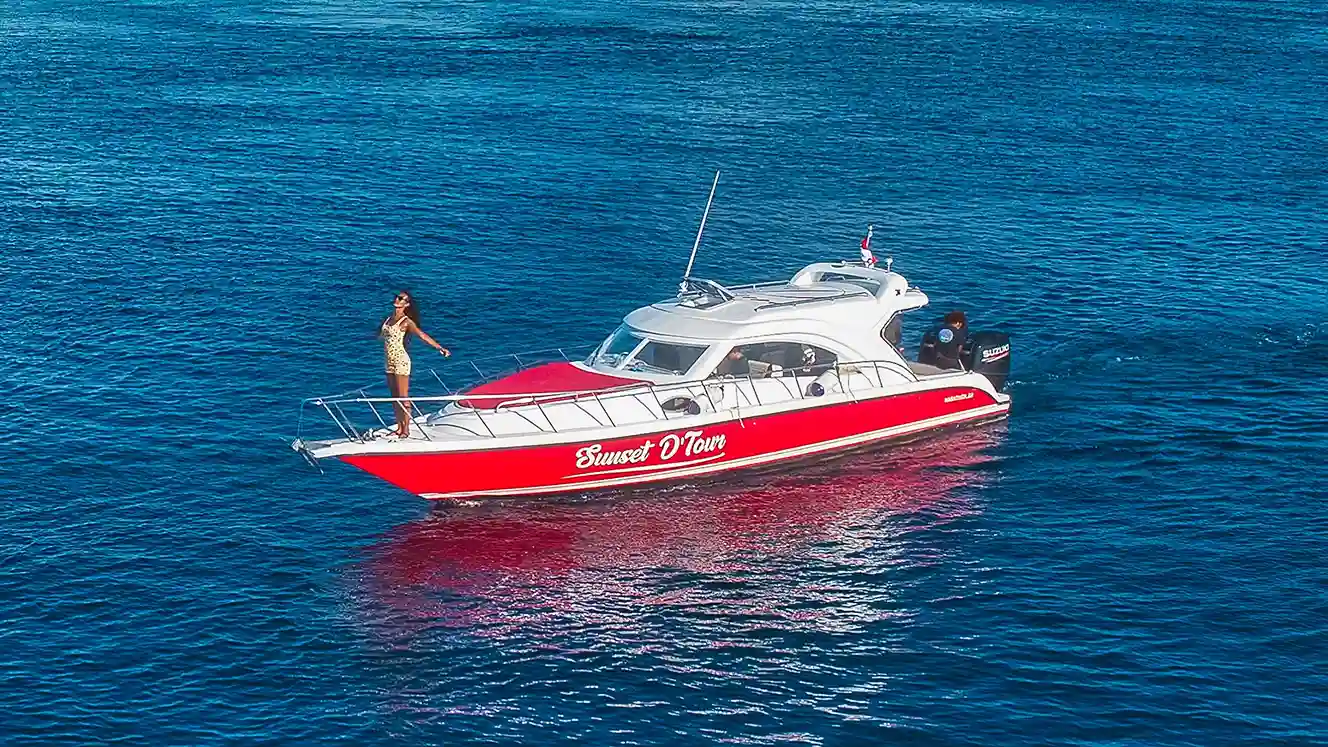
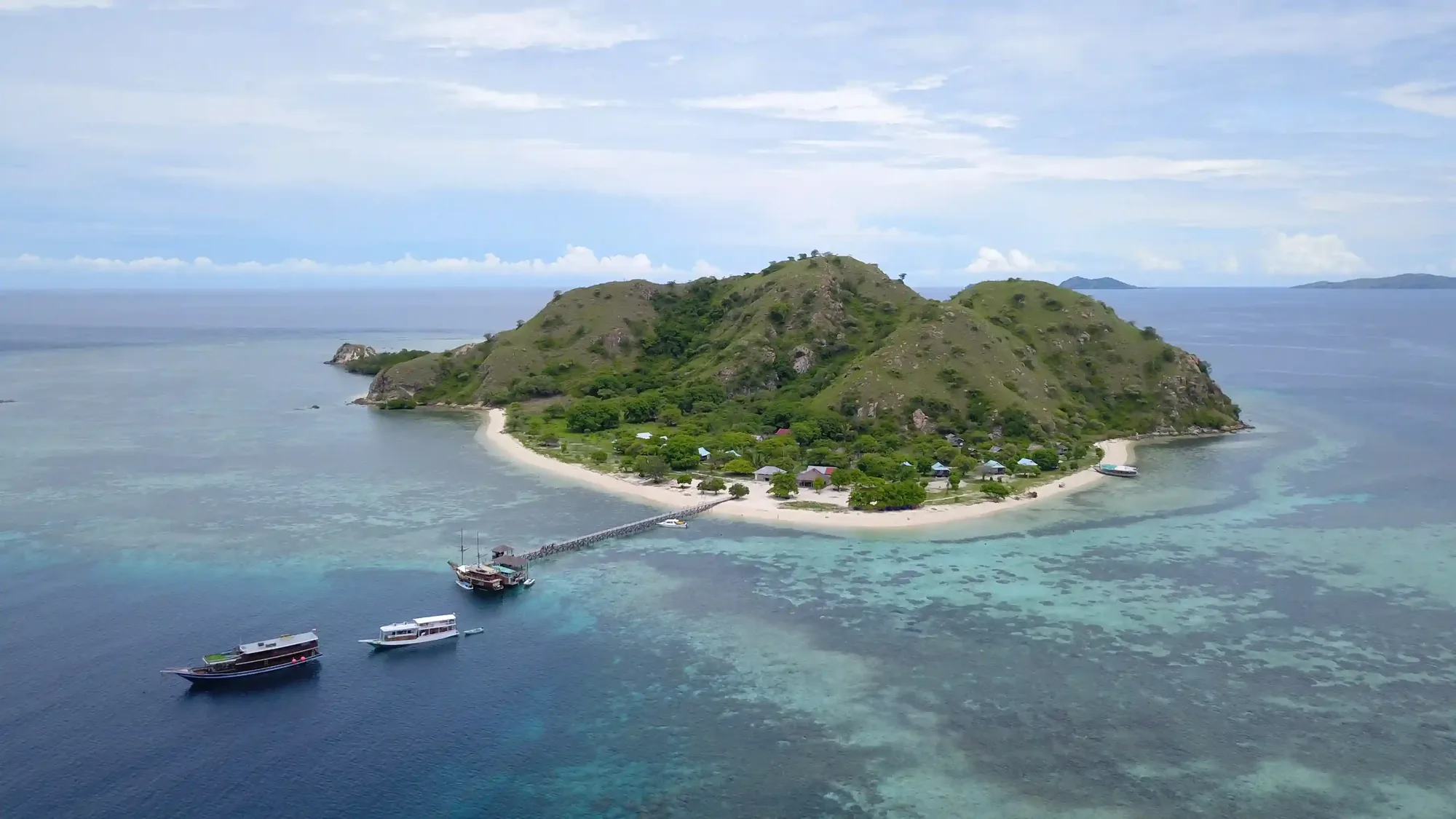
Remote island stays near Labuan Bajo 2027 will likely center on 8–12 small off‑grid islands within a 2–4 hour sail, mixing eco‑resorts, simple beach camps, and liveaboard “floating lodges”. Expect solar-powered infrastructure, capped daily visitor numbers, and higher August demand due to peak dry-season conditions and calm seas.

Three styles of remote island stay by 2027
By 2027, remote island stays near Labuan Bajo are expected to split into three clear styles: low-footprint eco-resorts on private or long-leased islets, semi-permanent glamping camps, and small liveaboard boats functioning as floating island retreats. As of August 2026, many operators already experiment with solar, desalination, and reef-safe practices in preparation.
Dry, calm August conditions in Komodo National Park (around 30–32°C daytime, with very low rainfall) make these off-grid islands realistic for longer stays, because logistics such as fuel and fresh food deliveries are more predictable. Seasonal data up to August 2025 shows August as one of the two busiest months, pushing serious planners toward quieter anchorages away from the main route.
By 2027, expect more formal caps on overnights at popular bays, pushing some boats to anchor near lesser-known islands east and north of Komodo. These regulations are likely to favour guests prepared for remoteness: limited mobile signal, generator cut-offs at night, and basic trails instead of paved walkways.
How remote is “remote” around Komodo by August 2027?
“Remote” around Komodo is measured less in distance and more in boat-hours and crowd levels. By August 2027, most remote island stays near Labuan Bajo will sit 2–4 hours from town by speedboat or 4–7 hours by phinisi. As of August 2026, many itineraries already push beyond Padar, Rinca, and Komodo toward smaller islands in the north and east.
Padar’s sunrise hike is already crowded in August, with park visitation statistics showing July–August as the annual peak. The result is a clear shift: more itineraries schedule Padar briefly, then move to quieter coves further out for overnight anchoring. These bays often host just one or two boats even in high season.
Guests choosing off-grid islands should be ready for limited phone coverage, slower medical response than in town, and very dark skies at night. For travellers prioritising silence, stars, and long snorkel sessions without other groups in the water, this level of remoteness is precisely the attraction.
How will August 2027 demand shape prices and availability on off-grid islands?
August is consistently a peak month, with park authorities reporting their highest visitor numbers in July and August up to 2025. As of August 2026, cabin prices on quality phinisi boats and mid-range hotel rooms in Labuan Bajo both run noticeably higher in August than in shoulder months, though no operator publishes a fixed August markup percentage.
By 2027, that pressure is likely to reach remote island stays too: eco-resort villas, exclusive-use beach camps, and small-boat charters that include private island stops. With limited moorings and fragile reef zones, capacity cannot simply increase; operators instead are expected to spread guests across more islands and refine the August island-hopping route into 3–5 night circuits.
Travellers planning an August island-hopping trip should anticipate waitlists for the most intimate experiences and dynamic pricing linked to exact dates, group size, and boat or island category. Early planning also allows smarter combinations, such as integrating remote stays into broader Labuan Bajo August 2027 multi-destination routes that include Flores highlands or Bali extensions.
How will remote work and digital habits change remote island options by 2027?
By 2027, reliable connectivity will still be rare on the most isolated islets inside Komodo National Park, but not impossible. As of August 2026, some larger liveaboards test Starlink-style satellite systems, allowing light remote work in August when anchored in open bays with a clear view of the sky. Expect this to expand, but remain limited to selected higher-end vessels and a handful of eco-resorts.
Travellers planning to work remotely should not expect fiber-level speeds. Forecasts suggest that by 2027, basic video calls and document syncing might be realistic a few hours a day, with bandwidth capped. Many remote island concepts explicitly market “digital detox” stays, limiting Wi‑Fi deliberately to keep night skies dark and generator hours low.
A practical pattern emerging is to base in town with solid 4G or hotel Wi‑Fi for workdays, then head out on 2–4 night trips to quieter anchorages where screens are optional. This rhythm also helps with logistics such as laundry, camera data backups, and shopping in town, where opening hours are typically extended in peak season.
What will planning logistics look like: visas, tickets, transport, and packing?
By 2027, visa requirements are expected to keep following national Indonesian rules. Many nationalities currently use visa-on-arrival or e-visa systems, but travellers should check official immigration channels in the months before departure, as categories and fees can shift. Carry digital and paper copies of your passport and visa proof.
Because August is busy, combining city and islands efficiently matters. As of August 2026, most travellers route via Bali; products such as Bali To Labuan Bajo August Tour Packages already bundle flights, transfers, and basic permits. On the ground, a rental car is useful for late-evening supermarket runs, photo stops above the harbor, or shuttling to marinas for early boat departures.
Packing-wise, a careful camera-gear checklist should cover humidity protection, enough memory cards for multi-day trips without backup, and dust protection for lenses on dry, windy viewpoints. Insect repellent is also essential, especially for mangrove-edge anchorages and beach bonfires, where mosquitoes and sandflies can be active at dusk.
- Plan remote stays at least 4–6 months ahead for August 2027 to secure cabins, island camps, or eco-resort rooms.
- Prepare both digital and printed copies of passports, flight details, and any visa approvals required for Indonesia.
- Confirm exact inclusions with operators: fuel surcharges, park fees, meals, snorkel gear, and basic insurance are not always bundled.
- Bring a compact dry bag, reef-safe sunscreen, and light long sleeves for sun and insect protection on off-grid islands.
- Expect generator or solar power only at set hours; pack power banks and low-wattage chargers for camera and phone gear.
- Schedule supermarket visits in Labuan Bajo for snacks and personal items, when August opening hours are at their longest.
- Check boat or island safety standards and emergency procedures whenever you compare operators.
Birdlife in mangroves and stocking up in Labuan Bajo
If you base yourself on a remote island near Labuan Bajo, you are well placed for early-morning side trips into the mangroves. These channels shelter herons, egrets, kingfishers and sometimes sea eagles. Ask your boat crew to plan a dawn or late-afternoon drift, when birds feed and the light is soft for photography.
Mangrove birdlife around Komodo
Mangrove areas sit between several main islands, so you can usually add an hour or two of slow birdwatching to a snorkelling day or transfer run. Bring binoculars, a dry bag and muted clothing. Engines should idle at low speed to avoid disturbing roosting birds and to keep dolphins and turtles relaxed if they pass through.
If you care about bird identification, download an offline field guide app before you fly to Labuan Bajo. Network coverage in the mangroves is weak, and remote island stays may not offer strong Wi‑Fi. A simple checklist and a small torch help for pre-dawn departures from the beach.
Where to buy supplies in Labuan Bajo
Before you head out to an off-grid island, plan one focused shop in town. Labuan Bajo has a couple of larger supermarkets on the main road in from the airport where you can stock up on snacks, soft drinks, sunscreen and toiletries. Selection is broad for dry goods but limited for specialist health items.
Fresh fruit and simple vegetables are easier to find in smaller local shops and markets than in big supermarkets. Remote islands usually provide basic meals, but if you want particular coffee, tea, plant-based snacks, baby products or medication, buy them in Labuan Bajo. On most islands there is nowhere to replace forgotten essentials.
Frequently asked questions
Where do you buy park tickets for an August visit?
By 2027, park fees for Komodo are still expected to vary by regulation, so always verify through official channels shortly before travel. Typically, tickets can be arranged through licensed tour operators, at official counters in Labuan Bajo, or bundled into packages. Confirm whether your chosen remote island or liveaboard already includes these permits.
Is a remote island stay worth adding to a Bali trip?
For travellers already in Bali, a remote island extension around Labuan Bajo in August is a strong contrast to busy beaches. Dry weather, long visibility underwater, and quiet anchorages support multi-day trips. Packages such as integrated Bali–Flores routes make side-trips efficient, especially if flights and transfers are combined into one booking.
What is usually included in a remote island stay?
Inclusions vary, but most 2027-style remote island stays will bundle accommodation, meals, tea and coffee, snorkelling or basic diving sessions, and boat transfers between islands. Park fees, alcohol, specialist guides, and premium equipment are often extra. Recreational photography is free; flying a drone at all, recreational or commercial, requires a separate SIMAKSI permit arranged in advance with the park authority (Balai), and commercial filming sits in the same process. Always request a written breakdown before paying deposits, especially for August departures.
How busy will island hopping be in August 2027?
Based on park visitation trends up to 2025, August 2027 will likely be one of the busiest months. Iconic sites such as Padar viewpoints and main Komodo trekking trails will have concentrated crowds in mid-morning. Remote island-focused itineraries aim to offset this, timing visits early or late and spending nights in quieter coves away from day-trip routes.
How can budget travellers access quiet coves and remote islands in August?
Budget-conscious visitors can still reach quieter islands by joining shared boats rather than chartering privately. Products similar to Labuan Bajo August Budget Shared Tours typically use fixed routes but may include lesser-known bays. Booking early for August is essential, as lower-cost cabins and bunks sell out first.
To design a 2027-ready remote island plan around your Bali dates, contact the Komodo Luxury desk (part of Juara Holding Group — since 2015) via WhatsApp 6281138108110 or email sales@komodoluxury.com for tailored options and date-specific availability.
Last updated 1 August 2026
Can I see interesting birdlife in Komodo’s mangroves from a remote island base?
Yes. Many remote island stays near Labuan Bajo sit close enough to mangrove channels for easy bird trips. Ask your boat crew or host to arrange a slow sunrise or sunset cruise. You are likely to see herons, egrets and kingfishers, and with luck raptors hunting over the water.
Where is the best place in Labuan Bajo to buy daily supplies before a remote island stay?
Plan to visit one of the larger supermarkets along the main road through Labuan Bajo for snacks, toiletries and drinks. Then add a quick stop at small local shops or the market for fruit and simple vegetables. Remote islands rarely sell more than a few drinks or very basic items.
What should I prioritise buying in Labuan Bajo if I am staying on a remote island?
Focus on personal essentials that are hard to replace once you leave town: sunscreen, any prescriptions, preferred coffee or tea, baby items, motion-sickness tablets, and extra batteries or power banks. Snacks and fruit are useful for long boat days, even if your island stay already includes meals.
Where to see mangroves in Flores?
Mangroves are prevalent along the coastlines of Flores and within Komodo National Park, particularly in sheltered bays and estuaries. Rinca Island, for example, features significant mangrove forests that are accessible by boat. These vital ecosystems provide crucial habitats for various marine life and bird species. Exploring these areas typically involves boat trips, offering a unique perspective on the region’s biodiversity.
What are the must-see attractions around Labuan Bajo?
The must-see attractions around Labuan Bajo primarily revolve around Komodo National Park. Iconic spots include Komodo Island and Rinca Island for Komodo dragon sightings, and Padar Island for its panoramic viewpoints. Many visitors also enjoy snorkeling and diving in the park’s coral reefs, visiting Pink Beach, or exploring smaller islands. These excursions are typically arranged via boat trips from Labuan Bajo.
What are the pros and cons of staying in a resort outside Labuan Bajo versus in town?
Staying in town offers easy access to restaurants, shops, and tour operators, providing convenience and a lively atmosphere. Conversely, resorts outside Labuan Bajo, often on nearby islands, offer greater tranquility, privacy, and direct access to pristine natural environments. The trade-off is often increased travel time to and from Labuan Bajo for park excursions or dining options, and potentially higher costs for isolation and exclusive amenities.
How does a remote island stay compare to a Labuan Bajo hotel base?
The trade-off is quiet and scenery versus convenience — see our full where to stay in Labuan Bajo guide for how the standard harbor/hillside/resort areas compare. A remote island stay generally means more dependency on pre-arranged boat transport and less flexibility to adjust plans on short notice, which matters more on a tight itinerary than a longer, slower trip.
Quick answers on remote island stays
Can you stay overnight on a remote island near Labuan Bajo instead of in town?
Yes — a smaller number of properties on nearby islands offer this, generally requiring pre-arranged or private boat transport rather than a casual walk-in.
Is a remote island stay more expensive than a Labuan Bajo hotel?
It varies by property; the bigger practical cost to plan for is transport logistics rather than a fixed price difference.
Do remote island stays work for a short Komodo trip?
They suit travelers with more flexible schedules better than a tight one or two-day itinerary, since transport timing is less predictable than a town-based hotel.
Arrange your stay and boat trip together
Book it with a local operator. Komodo Luxury’s Labuan Bajo yacht rental — Komodo Luxury is the company that berths, crews and clears the boat — this site is the research desk beside it.
Coordinating your remote-stay transfer with your boat trip booking avoids gaps in transport planning.
Questions before you book: WhatsApp +62 811-3810-8110 or email sales@komodoluxury.com.
Related reading: Where to Stay in Labuan Bajo for a Komodo Trip · Boat rental and island transfers.
Last pass: 26 August 2026. Where a claim rests on a source, that source is named in the same sentence.