Komodo National Park: What Changes in 2027
As of August 2026, no official new fee, quota or regulation change for 2027 has been published by Komodo National Park’s authority — what’s confirmed is that the SiOra online booking system, mandatory since April 2026, will be a fully established, unremarkable part of visiting by 2027 rather than a recent transition. This page separates what’s actually confirmed from what’s still open.
Is there a confirmed change to park fees or quotas for 2027?
Not as of this writing. The current tariff structure — a flat IDR 250,000 park entrance fee for foreign visitors under PP No. 36/2024, plus the ranger guide fee and a park-wide 1,000-visitor daily quota — has no publicly announced 2027 revision attached to it. Government regulations of this kind are reviewed periodically rather than on a fixed annual schedule, so a future change is plausible in the way any regulation can eventually be revised, but nothing specific has been published for 2027 at the time of writing. If you’re planning a 2027 trip, treat the current fee and quota structure in our fees and permits guide as the baseline to expect, and verify against the official park authority page closer to your travel date rather than relying on any fixed number quoted today, including this one.
What will be different about SiOra itself by 2027, even without a rule change?
By 2027, SiOra will simply be the normal, unremarked way every visitor books entry — the transitional friction that came with the April 2026 rollout (operators and independent travellers adjusting from the old on-site ticket counter) will have largely settled. Practically, this means the online booking habit our SiOra permit and quota guide describes today should still apply directly to 2027 travel, with the caveat that the platform’s interface and payment options may have been refined further in the meantime.
Is the Komodo dragon’s conservation status expected to change by 2027?
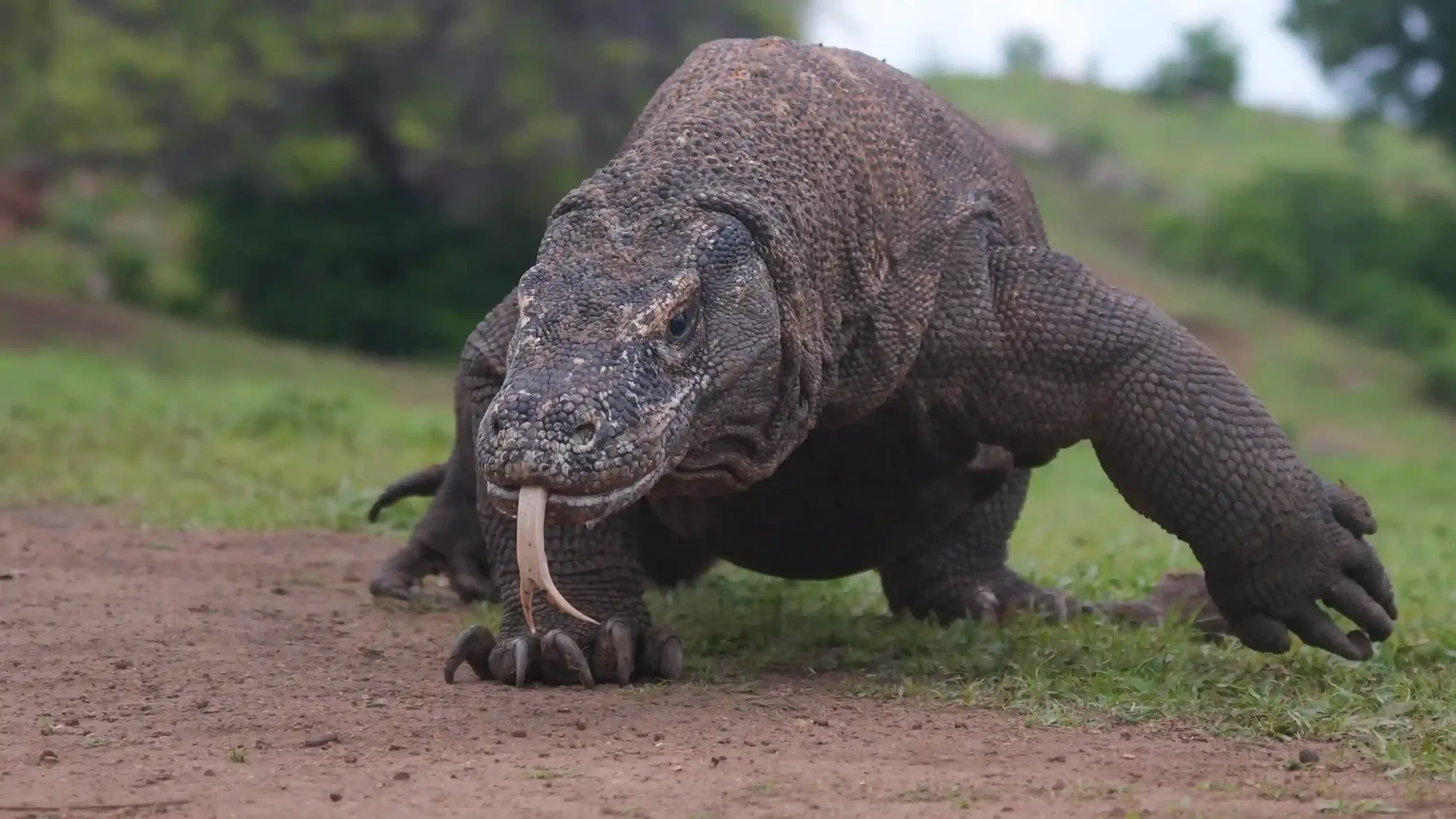
The IUCN listed the species as Endangered in its 2021 reassessment, driven by long-term climate and habitat projections rather than an acute short-term population decline — that classification reflects a decades-long outlook, not something expected to shift meaningfully within a single year like 2027. See our Komodo dragon facts page for the full context behind that status and how the park-census population figures (roughly 3,000–3,400 individuals in recent BTNK surveys) relate to the IUCN’s separate global mature-adult estimate.
Should you expect Komodo to get busier by 2027?
Visitor demand for Labuan Bajo and Komodo National Park has been on a clear multi-year growth trajectory, driven by expanding flight connectivity and the region’s rising profile as a luxury and adventure travel destination — which makes continued growth in 2027 demand a reasonable expectation, even without a specific number to attach to it. Combined with a fixed daily visitor cap, this points toward the park’s most popular sessions and peak months (July–August) becoming harder to book well ahead of time, not easier. See our guide to Komodo’s crowd patterns for how to plan around that trend regardless of exact numbers.
What should a 2027 traveller actually do differently, given the uncertainty?
- Don’t lock in a fixed budget based on today’s fee table a full year or more in advance — verify the current tariff again closer to your travel date.
- Book SiOra sessions and boats early if your 2027 dates fall in peak season, since rising demand plus a fixed quota is the clearest trend already visible.
- Follow official channels, not secondhand blog posts (including older versions of this one), for any fee or regulation update — park policy pages are updated faster than most third-party travel content.
- Expect the digital booking process to be the norm, not a new inconvenience — by 2027 there’s no “old way” left to fall back on if you show up without a SiOra ticket.
What historical pattern of change has the park actually shown, that might inform 2027 expectations?
The park’s most significant recent structural change was the shift to mandatory SiOra online booking in April 2026, replacing the older on-site ticket counter system — a genuine operational change rather than a fee adjustment. Before that, the underlying entrance fee structure under PP 36/2024 had already been in place for some time. This pattern — infrequent, substantial policy or system changes rather than frequent small fee tweaks — is a more useful way to think about what 2027 might bring than assuming annual increases are automatic, since nothing in the park’s recent history suggests that.
How should a travel agency or independent operator communicate 2027 uncertainty to clients?
The honest approach is stating clearly which figures are officially confirmed at time of booking versus which are simply “current as of today, subject to change,” and committing to notify clients if an official change is published before their travel date. Operators who instead quote a fixed number as though it’s guaranteed a year or more in advance are making a promise they can’t actually back, given that government fee structures aren’t within any tour operator’s control. If you’re booking a 2027 trip well ahead of time, it’s reasonable to ask your operator directly how they’d handle a fee or quota change if one were announced between now and your travel date.
What broader regional trends might indirectly affect a 2027 Komodo trip, beyond park-specific rules?
Continued growth in flight connectivity to Labuan Bajo, broader infrastructure development in the region, and Indonesia’s wider tourism growth trajectory are all trends likely to keep shaping the practical experience of visiting by 2027, even without any change to the park’s specific fee or quota rules. None of this is a reason to delay a trip — if anything it points toward booking earlier rather than later as demand continues building — but it’s useful context for why “what changes” is a broader question than just the entrance fee table alone.
Where can readers verify this page hasn’t gone stale by the time they read it?
Cross-check the official Komodo National Park authority fee page directly rather than relying solely on this or any other third-party travel page, particularly if you’re reading this well after August 2026. A responsible operator will also flag proactively if an official change has been published since this page was last checked.
Should uncertainty about 2027 discourage you from booking now?
No — uncertainty about a future fee or regulation change is a reason to verify closer to your travel date, not a reason to delay booking a trip that otherwise fits your plans. Boats, flights and SiOra sessions are subject to their own separate demand-driven availability pressure regardless of what, if anything, changes at the regulatory level by 2027.
How often does this page itself get reviewed and updated?
We review pages like this one against the official park authority’s published information periodically, updating the content whenever a genuine change is confirmed rather than on a fixed schedule — the “last updated” date displayed at the top of this page reflects when it was most recently checked against current information.
How might Gili Lawa Darat fees and camping change by 2027?
Gili Lawa Darat sits inside Komodo National Park, so by 2027 you should expect the same base park entrance fee structure to apply there as everywhere else. Foreign visitors pay the flat PP 36/2024 rate per person per visit, and Indonesian visitors pay the weekday or weekend rate, no island-specific surcharge.
There is no separate official “Gili Lawa Darat entrance fee” listed in current park tariffs. Boats that stop there factor the standard park fee into their trip price, then settle with the authorities in Labuan Bajo or at the appropriate post. If a boat operator quotes something different for Gili Lawa Darat itself, that is their own packaging, not a park rule.
What to expect about camping rules on Gili Lawa Darat
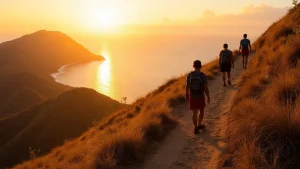
Overnight camping anywhere in Komodo National Park is tightly controlled and can change with very little notice. For 2027 planning, treat unsupervised camping on Gili Lawa Darat as unlikely. Rangers focus on fire risk, erosion on the grassy hills, and disturbance to wildlife.
If any camping is allowed in 2027, it will almost certainly require prior written approval from the park office and coordination through a licensed operator with its own boat and crew. You should not assume you can simply bring a tent, land on the beach and stay the night.
Most visitors in 2027 can expect to visit Gili Lawa Darat on a day trip or as part of a liveaboard itinerary, returning to the boat to sleep. To check what is actually allowed closer to your dates, ask your operator to confirm with the national park office a few weeks before your trip and again just before departure.
Frequently asked questions
Will Komodo National Park raise its entrance fee in 2027?
There’s no confirmed announcement of a 2027 fee increase as of August 2026 — any claim you see stating a specific future number should be treated with caution unless it links directly to an official government source.
Is the daily visitor quota expected to change in 2027?
No confirmed change has been published; the current park-wide 1,000-visitor-per-day cap across three sessions is the baseline to plan around unless official guidance says otherwise closer to your travel date.
Where should you check for the most current 2027 rules before booking?
The official Komodo National Park authority page is the primary source; a good operator will also stay current and can confirm the latest rules as part of booking your trip.
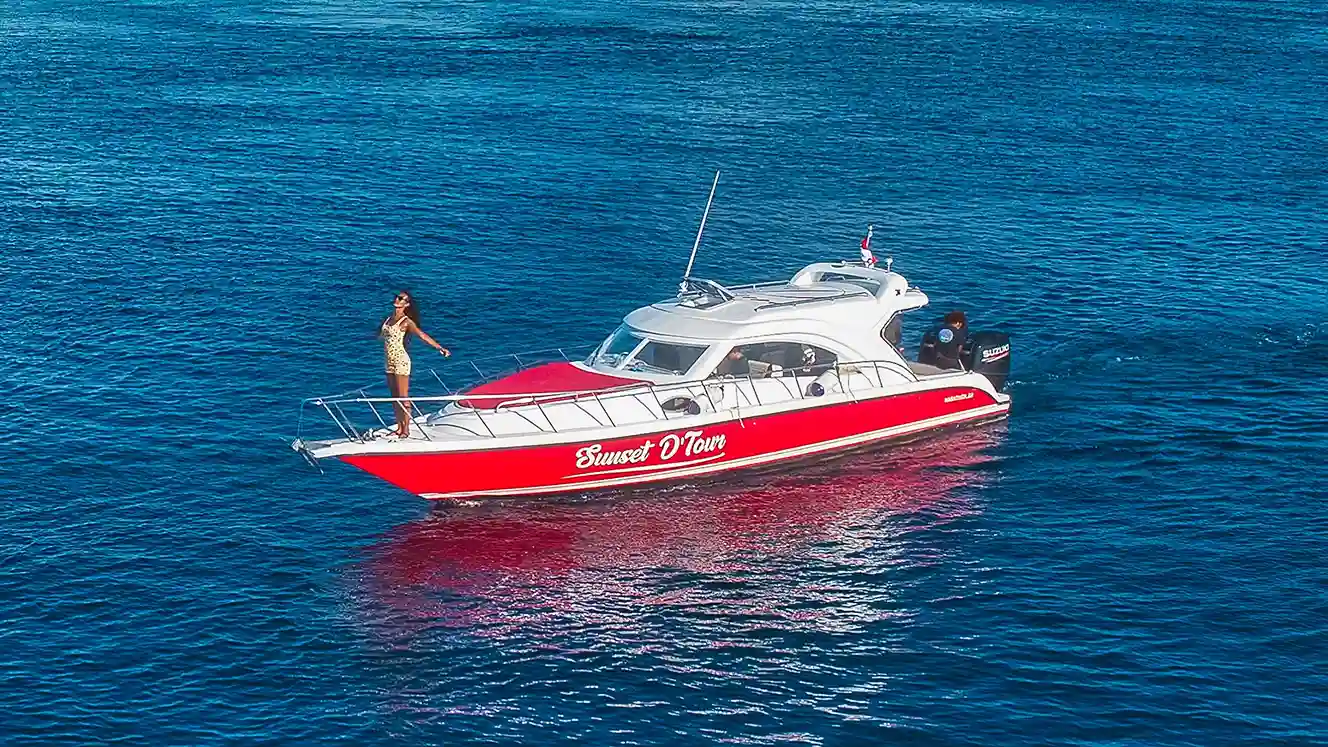
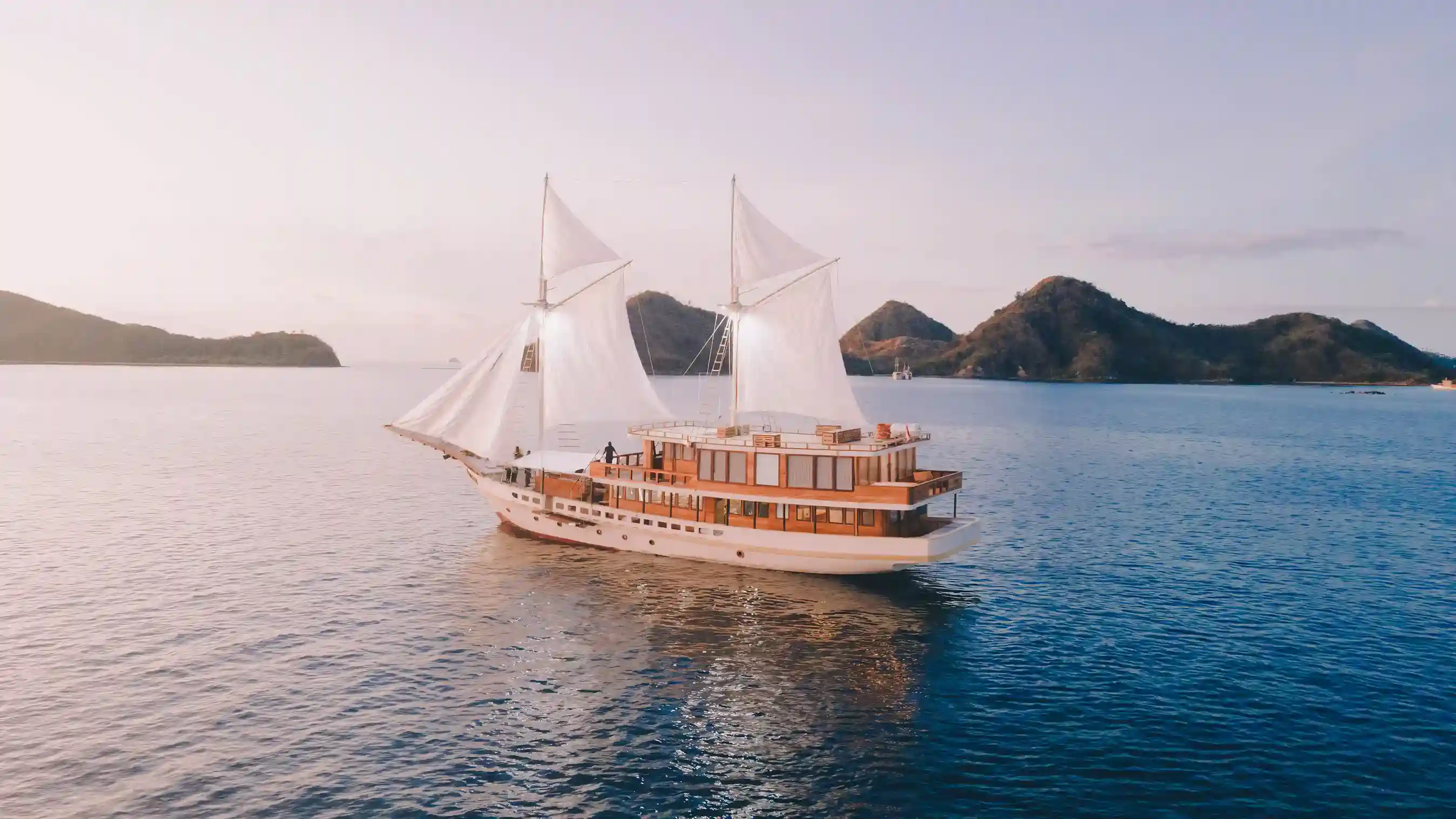
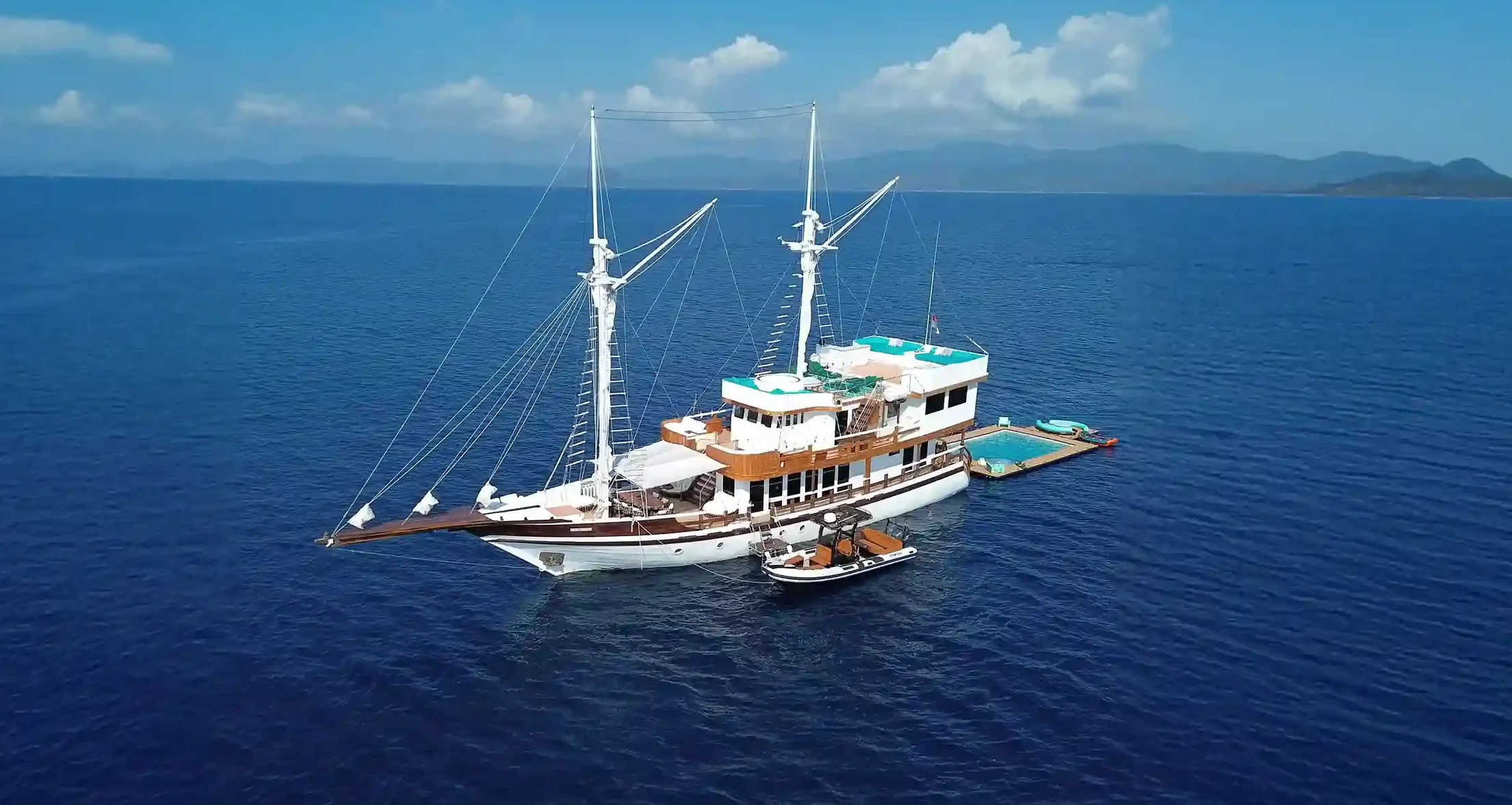
If your 2027 dates are already set, most travelers lock in early rather than wait for the fee table to firm up — see current Komodo boat tour packages or, for multi-day comfort, Komodo liveaboard cruises that already build SiOra and ranger-guide costs into the itinerary.
Ask Komodo Luxury about planning a 2027 Komodo trip on WhatsApp →
Related reading: Fees & Permits Quick Answer · SiOra Booking, Permits & Visitor Quota for Komodo National Park · How Crowded Komodo Really Gets · Komodo Dragon Conservation Outlook
Is there a separate entrance fee just for Gili Lawa Darat in Komodo National Park?
No. Gili Lawa Darat is inside Komodo National Park, so you pay the same standard park entrance fee that applies across the islands. There is no official extra entrance fee listed just for Gili Lawa Darat, although boat operators may package their own trip prices however they wish.
Can you camp on Gili Lawa Darat in 2027?
You should not plan on casual camping on Gili Lawa Darat in 2027. Any overnight stay on land is tightly regulated, can change quickly and usually requires prior written approval via the park office and a licensed operator. Most visitors sleep on their boat and only go ashore for short hikes and viewpoints.
How should I plan a 2027 visit to Gili Lawa Darat with current rule uncertainty?
Treat Gili Lawa Darat as a day-visit hiking stop included in a wider Komodo boat trip. Budget for the standard park fee only, expect to sleep on the boat, and ask your operator to re-check camping and landing rules with the park office shortly before travel, as policies can shift year to year.
What are the current Komodo National Park entrance fees?
For foreigners, the Komodo National Park entrance fee is a flat IDR 250,000 per person per visit, regardless of the day or island. Additionally, a mandatory ranger-guide fee of about IDR 150,000 applies per group of 1-5 people for treks on Komodo and Rinca. A practical all-in cost for a foreign visitor is approximately IDR 400,000-525,000 per person per visit. The park tariff carries no camera, drone or snorkelling fee, but flying a drone at all still requires a separate permit from the park office, whose cost is not published.
What is SiOra for Komodo National Park?
SiOra is the official online reservation platform for Komodo National Park. From April 1, 2026, advance online reservations via siora.id will be mandatory for visiting Komodo Island and Padar Island. This system helps manage the park’s daily visitor quota of 1,000 people, split into three scheduled sessions across the entire park, ensuring a controlled and sustainable visitor experience.
Does tourism affect Komodo dragon conservation?
Tourism in Komodo National Park is managed to support conservation efforts, though it naturally brings both benefits and challenges. The park implements measures like a daily visitor quota of 1,000 people for the entire park and mandatory ranger-guides on trekking islands to minimize human impact and ensure the dragons’ habitat remains undisturbed. Revenue from tourism also contributes to park management and protection initiatives.
How do I plan a luxury Komodo trip?
A luxury Komodo trip typically involves chartering a private liveaboard boat, as there are no hotels on Komodo, Rinca, or Padar islands. You would base your journey from Labuan Bajo, the gateway to the park. For booking luxury boat trips, you can contact Komodo Luxury, part of the same group, via WhatsApp at +62 811-3810-8110 or email sales@komodoluxury.com. This site is editorial and does not operate boats or take bookings.