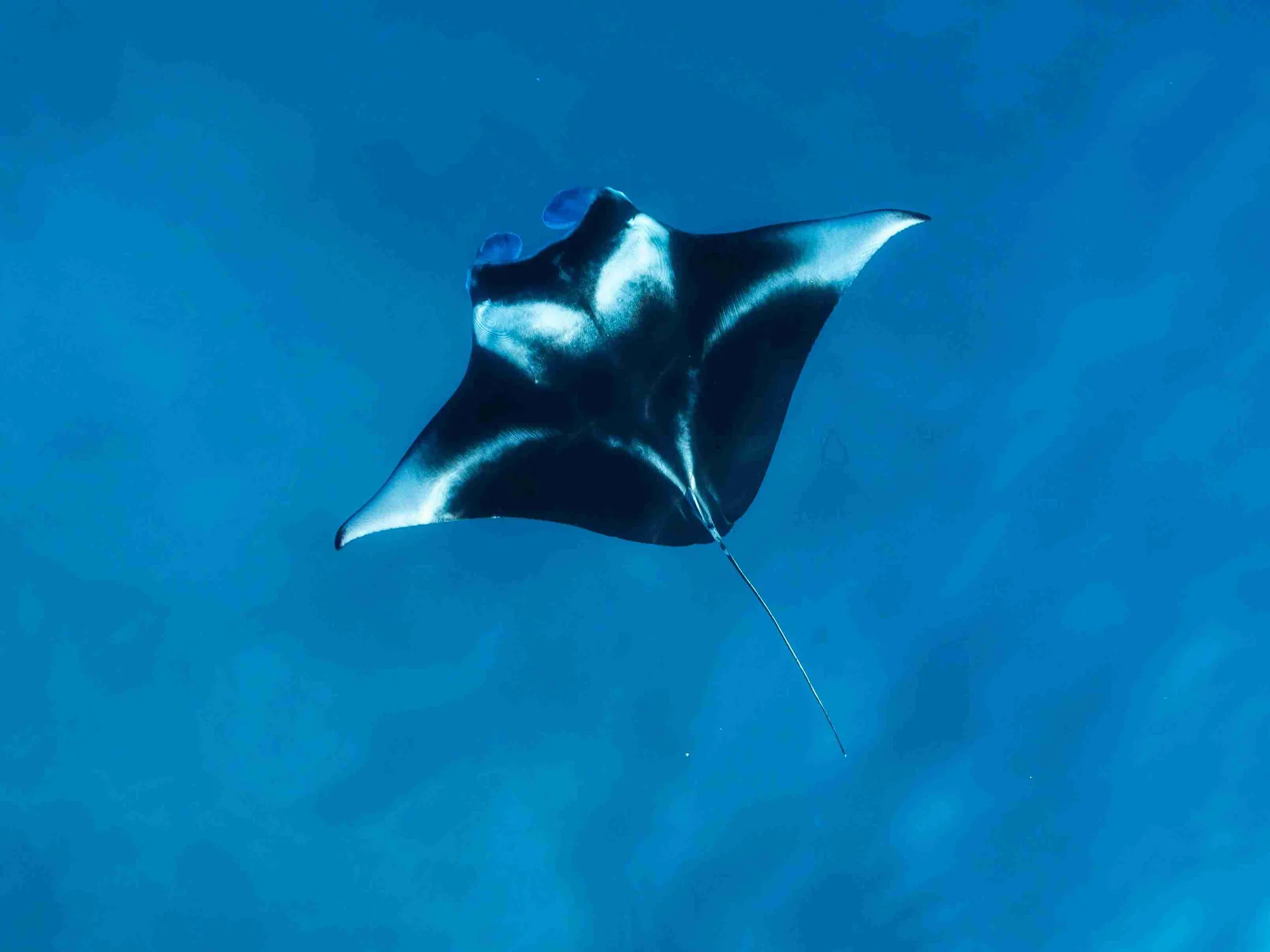
Manta Point Komodo: Season, Currents & Etiquette
Answer: South Komodo’s Manta Alley has its peak manta season roughly November to March, though operators also report strong sightings August to October at Manta Point and Karang Makassar further north; conditions vary by site and month, and mantas are seen year-round to some degree. Current is generally mild to moderate but tide-dependent, which is why confident swimming ability matters more here than at a sheltered reef.
Source check, 26 August 2026: “Manta Point Komodo” draws on Komodo Luxury’s published rates, and any conflict between those sources is shown to you rather than resolved silently.
When is the best time to see mantas in Komodo?
South Komodo (Manta Alley) peaks roughly November–March, when wet-season plankton blooms draw mantas to cleaning stations in numbers.1 Further north, Manta Point and Karang Makassar report strong activity in a different window, with some operators citing good sightings August–October as well.1 The honest summary from named operator sources is: mantas can be seen across much of the year in Komodo, but which specific site is “on” shifts with the season, so ask your operator which site and month combination they’d currently recommend rather than assuming any single month guarantees a sighting everywhere.
How strong is the current at Manta Point?
Generally mild to moderate on favourable dives, but genuinely current-dependent and tide-sensitive — the most favourable conditions at the cleaning station are typically around slack or rising tide.1 This is not a dead-calm drift site; expect variable flow, and be prepared to hold position and manage your own buoyancy rather than just floating passively, particularly if the tide isn’t cooperating that day.
Why do operators say you need to be a strong swimmer here?
Because manta viewing at a cleaning station usually means staying in place near where mantas circle to be cleaned by small fish, while the water itself is moving — a different skill from simply drifting with a current. Being able to kick efficiently, hold position without excessive effort, and manage entries and exits in open water safely all matter more here than at a sheltered snorkel site like Pink Beach.
What’s the etiquette for approaching mantas?
Operator guidance across the park consistently emphasises the same core rules: do not chase, touch, or box a manta in; maintain a respectful distance and let the animal set the terms of the encounter; avoid aggressive finning near a cleaning station; and do not obstruct a manta’s path to or from where it’s being cleaned.1 We could not verify a single published park-authority document specifying an exact metre-based distance rule for manta encounters specifically — if you need a legally binding figure, check with the park authority directly rather than relying on any single operator’s stated number, since practice varies and this page reflects consensus etiquette rather than codified regulation.
Manta Alley vs Manta Point vs Karang Makassar: what’s the difference?
These names refer to different manta-viewing locations within Komodo National Park rather than being interchangeable terms for one site. Manta Alley sits in the south and is the primary wet-season manta destination; Manta Point and Karang Makassar sit further north and see their own activity windows. Your itinerary and season will determine which one your boat actually visits — ask specifically which site is included rather than assuming “Manta Point” on a brochure always means the same location.
Do you need to dive, or can you snorkel with mantas?
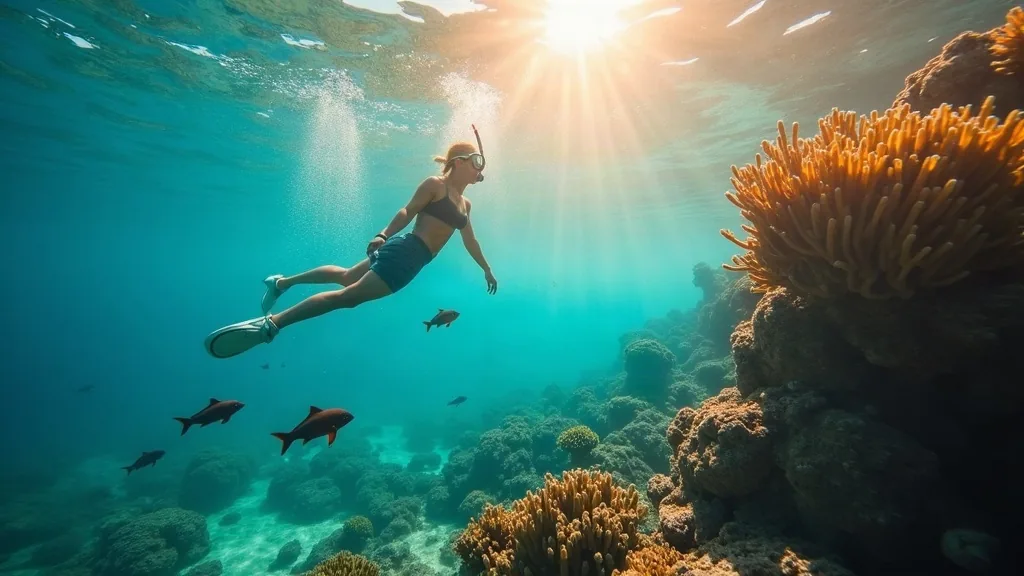
Both are possible depending on the site and conditions on the day. Snorkelling with mantas at the surface is common when they’re feeding or cleaning near the top of the water column; diving gets you to the cleaning station itself, which is typically the more reliable way to see extended manta behaviour rather than a brief surface pass. Ask your operator whether a given manta stop is snorkel-only, dive-only, or both.
What should you bring for a Manta Point trip?
A well-fitted mask and fins (rental gear that doesn’t fit well makes a current site meaningfully harder), a rash guard or wetsuit for both sun and cooler water, and reef-safe sunscreen. If diving, standard dive gear plus a surface marker buoy is standard practice for any current-exposed site, not specific to Manta Point alone.
Why does the current matter so much for manta encounters specifically?
Mantas gather at cleaning stations precisely because current brings plankton and nutrients past a fixed reef point, which is also what attracts the small cleaner fish that remove parasites from the manta’s skin. The same current that makes the site productive for mantas is what makes it more demanding for swimmers than a calm reef stop — you cannot separate the phenomenon from the conditions that cause it. Understanding this trade-off helps set realistic expectations before you get in the water: a “good” manta day and an “easy” manta day are not always the same day.
How does a manta stop fit into a wider Komodo itinerary?
Most operators build a manta stop into a multi-stop day or a dedicated dive day within a longer liveaboard itinerary, rather than as a standalone trip, since reaching the manta sites takes real transit time from Labuan Bajo and pairs naturally with other dive or snorkel stops nearby. See our month-by-month dive conditions guide for how manta season interacts with the park’s broader north-south seasonal pattern, and our island-hopping route planner for how a manta stop is typically sequenced against tide and ranger session timing.
Key nearby sites, conditions and what to pack
Several classic Komodo dive sites sit on the same routes as Manta Point. Tatawa Besar sits just north of the Makassar drift and is the gentler counterpart to it: a sloping soft-coral garden that usually runs as an easy glide, with green and hawksbill turtles resting on the ledges. Siaba Besar, a sheltered bay closer to Labuan Bajo, is calmer again and known locally as “turtle city”. Guides commonly pair one of these with a manta stop so the day is not all fast water.
The Cauldron, also called Shotgun, lies in a narrow channel. Here the tide squeezes between islands and creates powerful flow, eddies and down-current zones. Divers often drop in at a gentler spot and drift toward the “shotgun” section, where you need precise buoyancy and comfort in fast water. It is not suited to very nervous or brand-new divers.
Sebayur Kecil sits closer to Labuan Bajo and often works as a warm-up. You get patch reefs, gentle to moderate current and usually good visibility. It is a sensible place to check weights, trim and buddy communication before tackling more advanced channels.
Taka Makassar, beside Karang Makassar, is a low sandbar that almost disappears at high tide. The sand reflects the sun, so even on a boat day you should bring strong reef-safe sunscreen, long-sleeved rash guard or light shirt, hat and good sunglasses. A sarong or thin towel helps if you burn easily.
Swimming off Taka Makassar is usually easy at slack or mild tide, with shallow water where you can stand in many areas. As the tide speeds up, the flow picks up along the edges and weaker swimmers should stay close to the boat with a lifejacket or surface buoy. Listen carefully to your guide’s entry and exit brief.
If your itinerary includes a stop at Melo village, dress modestly and carry a light scarf or shawl to cover shoulders during ceremonies. Slip-on shoes or sandals are convenient if you are invited into a house, and small notes for buying handicrafts support local families. Always ask before taking close-up photos of people.
Frequently asked questions
What’s the best month to see manta rays in Komodo?
South Komodo’s Manta Alley peaks roughly November to March; northern sites like Manta Point report good activity August to October. Sightings occur across much of the year, but the best site shifts by season.
Is Manta Point safe for beginner divers?
It’s better suited to confident swimmers and at least moderately experienced divers, given the tide-dependent current. Ask your operator to assess conditions and your comfort level before booking this specific site.
Can you touch a manta ray if it comes close?
No. Standard etiquette across Komodo operators prohibits touching mantas; let the animal approach or move away on its own terms.
Do mantas bite or sting?
Manta rays are filter feeders and are not aggressive toward humans; the safety concern at this site is the current and open-water conditions, not the animal itself.
Is the Cauldron dive site suitable if I have only a few logged dives?
The Cauldron, or Shotgun, is better for divers who are already relaxed in strong current and can manage rapid depth changes without stress. If you have only a few dives, most guides will first watch you at easier reefs and may suggest a calmer channel or sloping site instead of the full Cauldron drift.
How long do you usually spend at Taka Makassar and can non-swimmers enjoy it?
Boats usually stop at Taka Makassar for roughly an hour, sometimes longer if the tide and light are good. Non-swimmers can still enjoy the sandbar itself, paddling in the shallows and taking photos. Ask for a lifejacket if you want to float in the water while staying close to the boat crew.
What is polite behaviour when visiting Melo village on a Komodo trip?
Dress modestly, greet people with a smile and accept offered tea or snacks if you feel comfortable. Ask before taking photos, especially of older villagers and children. Avoid handing out sweets or money directly to kids. If you wish to contribute, buying locally made textiles is a practical way to support the community.
Is it safe to swim at Manta Point with so many mantas around?
Yes, it is generally very safe to swim at Manta Point with many manta rays around. Manta rays are gentle, non-aggressive filter feeders that pose no threat to humans. While they are curious creatures, it’s important to maintain a respectful distance and avoid touching them to protect their natural behaviour and your safety. Your experienced guide will ensure a safe and memorable interaction.
Is Manta Point near Komodo reliable for seeing manta rays or is it hit and miss?
Manta Point is widely considered one of the most reliable locations in Komodo National Park for seeing manta rays. While no wildlife encounter is ever 100% guaranteed, the area’s nutrient-rich currents consistently attract large numbers of mantas, making sightings very frequent. Visitors often have excellent chances, particularly during the dry season from April to October, with April-June and September-October offering the best balance for encounters.
Can you snorkel if you don’t dive on Komodo tours?
Yes, you can absolutely snorkel on Komodo tours even if you don’t dive. Many Komodo National Park itineraries are designed to cater to snorkelers, including popular stops like Manta Point, Taka Makassar, and various coral reefs. Boats typically provide all necessary snorkeling gear, and you will be accompanied by experienced guides to ensure a safe and enjoyable experience exploring the rich marine life from the surface.
How do operators decide which manta site to visit on a given day?
Experienced captains typically make this call close to departure based on the day’s actual tide table and recent conditions reports from other boats in the area, rather than committing to a fixed site weeks in advance. If a specific site is important to you (Manta Alley versus Manta Point specifically), say so when booking, but stay open to your operator’s on-the-day judgment if conditions favour a different, comparably good site.
What’s a realistic expectation for sighting frequency?
Named operator sources describe strong, consistent sightings during peak windows at the right site, but no operator can honestly guarantee a manta encounter on any single visit — these are wild animals following their own feeding and cleaning patterns. Treat a manta stop as a high-probability opportunity during the right season and site, not a guaranteed outcome, and enjoy the broader reef and current-diving experience even on a day mantas don’t show.
Book a manta-focused Komodo trip with Komodo Luxury
For dive-focused liveaboard itineraries that include manta sites, see the Komodo liveaboard page.
Related Komodo Luxury pages: Komodo boat tour · Private trip · Fleet and vessels.
Source: [1] Aggregated named dive-operator guidance (Komodo Resort, Neptune Liveaboards, Labuan Bajo Diving, ScubaDiverLife, and others), 2025-2026, cross-checked for consensus rather than relying on a single operator’s claim.